
If you cut new grass too early, you can damage roots, pull seedlings out of the soil, and waste weeks of growth. Knowing when to mow new grass is the difference between a thick lawn and a patchy one.
The safe time is not based on the calendar alone. It depends on grass height, root strength, soil firmness, and how the lawn was started. Fresh seed, sod, and overseeded lawns each need a slightly different approach, and mowing too soon can undo good work fast.
Below, you’ll get a clear way to tell when seedlings are ready, how high to cut them, what mistakes to avoid, and how to mow without stressing young grass. You’ll also see the few warning signs that mean you should wait a little longer.
What new grass needs before its first cut
New grass is fragile for a short time, even when it looks tall enough to mow. The real question is not just height. The lawn needs enough root depth, steady moisture, and firm soil so the mower does not disturb the seedlings.
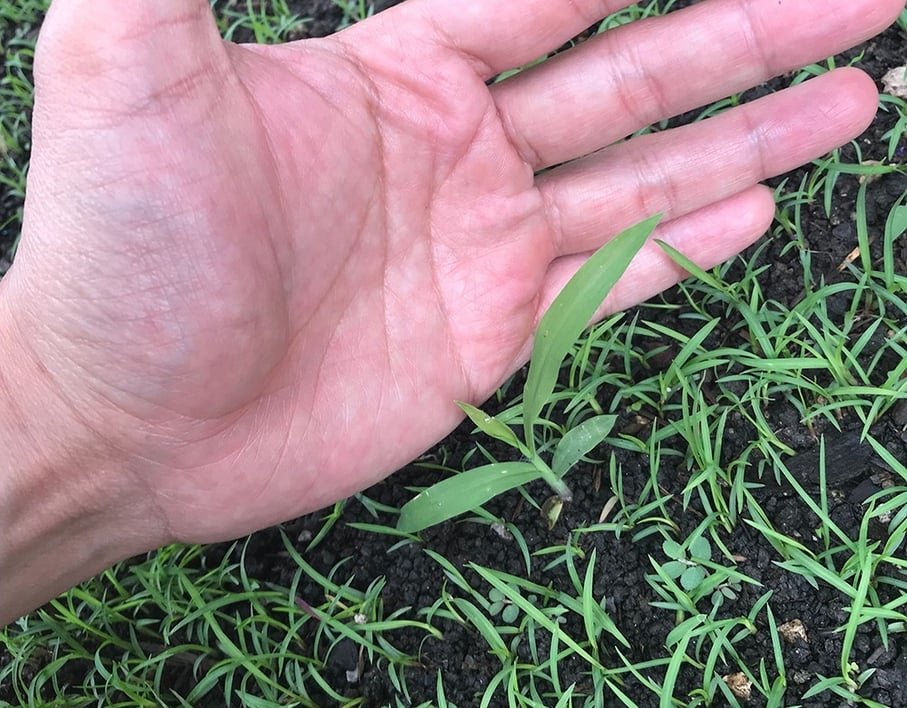
As a simple rule, wait until grass seedlings are about 3 to 4 inches tall before the first mow. For many cool-season lawns, that is often 2 to 4 weeks after germination. Warm-season grasses can take longer to reach that stage because they grow differently and often fill in more slowly.
The strongest clue is this: if you gently tug a blade and the plant resists, it is closer to ready. If the seedling lifts easily or the soil moves with it, the roots are not anchored enough yet.
Why height alone is not enough
Some grass can look tall but still be weak. Long, thin seedlings may bend over instead of standing up. That usually means they are not ready for the stress of a mower.
Also, wet soil is a problem. A mower wheel can press down soft ground and crush young plants. If the lawn still feels spongey after watering or rain, wait until it firms up.
The 3 signs that matter most
- Height: Most seedlings should be at least 3 to 4 inches tall.
- Root hold: A light tug should not pull them out easily.
- Soil firmness: Your footstep should not leave deep impressions.
These three signs matter more than a fixed number of days. A lawn started in warm weather may be ready sooner than one started in cool, cloudy weather. Shade, poor soil, and overwatering can all slow the timeline.
How to tell when to mow new grass safely
The safest first mow happens when the grass is tall enough to cut, but not so delicate that the mower causes damage. For most new lawns, that means mowing when the grass reaches about 4 to 4.5 inches and then cutting only the top third.
That first cut should be gentle. If your mower height is set too low, the blades can scalp the lawn and expose soil. Young grass does not recover from scalp damage as quickly as established turf.
| Grass stage | Ready to mow? | What to look for |
|---|---|---|
| Seedlings under 3 inches | No | Too short and too weak |
| 3 to 4 inches tall | Usually yes, if roots are firm | Leaves stay upright, soil is firm |
| Over 4.5 inches tall | Yes, if dry and healthy | Needs a light trim to avoid matting |
One non-obvious point many beginners miss: if the grass is growing fast, letting it get too tall before the first mow can be just as risky as mowing early. Long seedlings bend, shade each other, and can form a thin mat that traps moisture and disease.
Another overlooked detail is blade sharpness. A dull blade tears tender grass instead of cutting it cleanly. Torn tips turn brown fast, which makes a young lawn look stressed even if the roots are fine.
A quick field test before you mow
Walk the lawn slowly and check three spots: sunny, shady, and low areas. New grass often matures at different speeds across the yard.
- Measure the tallest healthy blades.
- Gently tug a few seedlings near the surface.
- Step on the soil and see if it stays firm.
- If all three look good, you can mow lightly.
If one area is still soft or sparse, do not wait for that area alone to catch up if the rest is overgrown. Instead, mow the healthy areas carefully and avoid the weak patches until they strengthen.
The best mowing height for the first few cuts
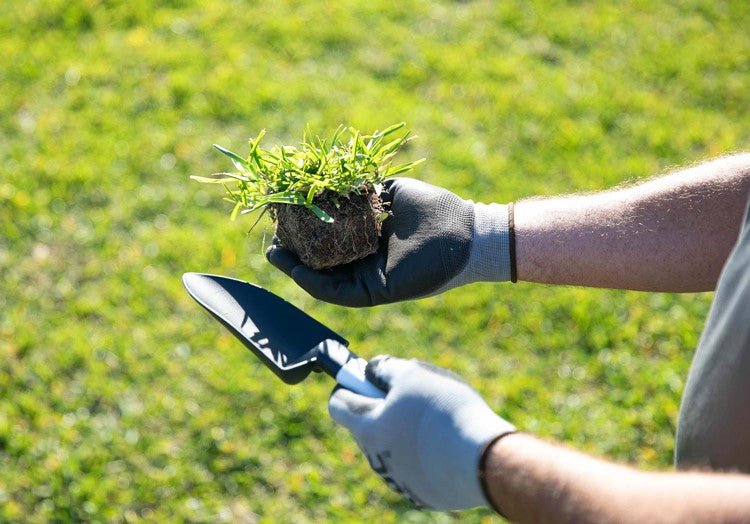
The first mow should remove only a small amount of grass. A good target is to cut no more than one-third of the blade height each time. That rule protects young roots because the plant keeps enough leaf surface to feed itself.
For a new lawn, this often means setting the mower higher than you normally would. If the grass is 4 inches tall, mowing it at about 3 inches is safer than dropping it to 2 inches.
Credit: trysodpods.com
Why the one-third rule matters more on young lawns
Seedlings store less energy than mature grass. When you cut too much leaf area at once, the plant has less ability to make food through photosynthesis. That slows root growth right when strong roots are most needed.
In practical terms, short cuts can lead to thin spots, uneven color, and slower filling in. The lawn may survive, but it will take longer to become dense.
Good first-cut settings
- If grass is 3 inches tall, mow around 2 to 2.25 inches only if the lawn is strong.
- If grass is 4 inches tall, mow around 2.75 to 3 inches.
- If grass is 5 inches tall, trim it down in stages instead of all at once.
For most homeowners, the best approach is to keep the mower high for the first few visits. After the lawn starts thickening, you can slowly move toward the normal mowing height for that grass type.
If you want a reliable reference for lawn care timing and establishment basics, a university extension source is one of the best places to check. For example, the University of Minnesota Extension lawn establishment guide gives practical advice on starting and caring for new turf.
How mowing differs for seed, sod, and overseeding
Not all new grass starts the same way. Seed, sod, and overseeding have different risks, so the best mowing time changes a little for each one.
New grass from seed
Seedlings are the most delicate option. Wait until they are clearly rooted and at least 3 inches tall. The first mow should be very light, and the mower should be clean so it does not spread disease or clog on wet clippings.
A common mistake is mowing newly sprouted seed because the lawn “looks ready.” If the roots are still shallow, the wheels can shift the soil and expose the base of the seedlings.
New grass from sod
Sod is stronger at the top but still needs time to knit into the soil below. Usually, the first mow happens after the sod is firmly rooted, often about 10 to 14 days after installation, but sometimes longer in cool or shaded areas.
You can check this by lifting a corner gently. If it resists, roots are likely starting to anchor. If it pulls up easily, wait. Mowing sod too early can break the root contact that helps it establish.
Overseeded lawns
Overseeded lawns are tricky because old grass and new grass grow together. The older grass may be ready to mow before the new seedlings are strong enough.
In that case, mow only when the new grass reaches the safe range, even if the older turf looks a little long. It is better to let the lawn be slightly shaggy for a few extra days than to damage the fresh seedlings.
How to mow without damaging fresh seedlings
The first mow should feel more like a trim than a full lawn cut. Slow speed, sharp blades, and dry conditions make a big difference. This is where many lawns are saved or ruined.
Start by mowing when the grass is dry. Wet blades bend and clump, which can clog the mower and pull on soft seedlings. Dry grass stands upright and cuts cleaner.
Use the lightest possible pass
Move the mower slowly and avoid tight turns on the first mow. Sharp turns can skid the wheels and tear out tender roots. If your lawn is small, try straight passes and lift the deck when turning at the edge.
Bagging is often helpful for the first cut if the grass is long enough to produce clumps. Heavy clippings can smother small plants, especially in low spots or shaded areas.
Keep the blade sharp and the deck high
A sharp blade leaves clean edges. A dull blade frays them. On new grass, that difference matters because damaged tips dry out faster and can turn tan or brown within a day or two.
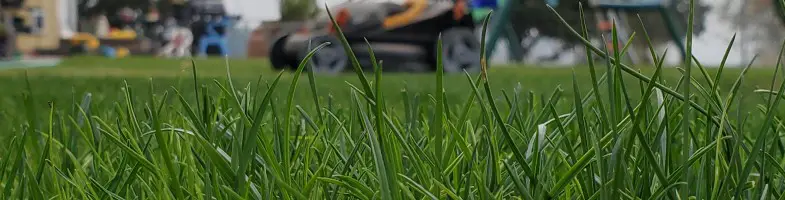
The mower deck should stay high for the first several cuts. Once the lawn fills in and the roots are stronger, you can gradually lower it to the normal setting for your grass type.
Common mistakes that damage new grass
Most first-mow problems come from trying to rush the process. New lawns usually fail from stress, not from one single mistake. The good news is that the biggest mistakes are easy to avoid.
- Mowing too early: Roots are not anchored, so seedlings pull out easily.
- Cutting too low: Scalping removes too much leaf area and slows recovery.
- Mowing wet grass: Wet soil compresses, and wet blades tear instead of cut.
- Using a dull blade: This bruises the grass and makes it look unhealthy.
- Leaving clumps behind: Thick clippings can block sunlight and airflow.
One subtle mistake is waiting too long because the lawn “does not look full enough.” New grass often thickens after the first few trims, not before them. A gentle mow can actually help the lawn spread by encouraging upright growth and better light exposure.
Another issue is fertilizing heavily right before the first cut. Fast top growth may make the lawn look ready sooner, but weak roots still need time. Fast leaf growth does not always mean strong establishment.
Credit: info.supersod.com
How to troubleshoot if seedlings look stressed after mowing
If the lawn looks pale, bent, or patchy after mowing, check the cut height first. If too much was removed, keep the next mow higher and water lightly only if the soil is dry.
If seedlings are pulling out, the roots were not ready. Delay the next mow and avoid foot traffic for several days. If the mower left torn tips, the blade likely needs sharpening.
What to do after the first mow
The hours after mowing matter almost as much as the cut itself. Young grass benefits from calm conditions, moderate moisture, and very little traffic.
Do not rush to mow again. Let the grass recover and grow back to the same safe height before the next cut. For many new lawns, that means waiting until it reaches about 4 inches again.
Watering after mowing
If the soil is dry, water lightly and evenly. Do not soak the lawn to the point of puddles. Young roots need moisture, but too much water can weaken the soil structure and encourage disease.
Try to water early in the day so the grass dries before evening. Dry leaves and firm soil reduce the risk of fungus on tender seedlings.
When the second mow should happen
The second mow can usually happen once the lawn again reaches the same safe height and still passes the tug test. If the lawn took a hit from the first cut, give it extra time.
As the turf thickens, mowing becomes less risky. By the time the lawn has been cut several times, it should handle normal care much better.
When to stop waiting and call for help
If your new grass stays patchy for weeks, fails to root, or turns brown after very light mowing, there may be a larger problem. Poor seed contact, compacted soil, watering issues, or disease can all slow establishment.
At that point, look closely at the lawn before mowing again. If roots are weak, soil stays soggy, or seedlings keep drying out, you may need to adjust watering or ask a local lawn expert for help.
The main rule is simple: if the grass is not firmly anchored, do not force a mow. A little patience now usually saves time, seed, and money later.
Credit: turfmechanic.com
Final rule for a safe first cut
The best answer to when to mow new grass is this: mow only after seedlings are tall enough, rooted enough, and growing on firm soil. For most lawns, that is around 3 to 4 inches tall, with a light cut that removes no more than one-third of the blade.
If you remember only one thing, remember this: new grass needs a gentle first cut, not a short one. A higher mower setting, a sharp blade, and dry ground will do more for your lawn than cutting early ever will.
Handled carefully, the first mow helps young grass stand up, grow thicker, and establish faster. Rushed mowing does the opposite. Keep the cut high, watch the roots, and let the lawn tell you when it is ready.
FAQs
How tall should new grass be before mowing?
Most new grass should be at least 3 to 4 inches tall before the first mow. That height usually means the seedlings are strong enough to handle a light trim without being pulled from the soil.
Can you mow new grass after 2 weeks?
Sometimes, yes. If the seedlings are tall enough, rooted well, and the soil is firm, 2 weeks can be enough for some grass types. But many lawns need a little longer, especially in cool or shaded areas.
Should new grass be dry before mowing?
Yes. Dry grass is safer to cut because the blades stand upright and the soil is firmer. Wet grass bends, clumps, and can be torn or pulled up more easily.
What happens if you mow new grass too early?
If you mow too early, seedlings can be uprooted, bent flat, or scalped. That can leave bare spots, slow root growth, and make the lawn more uneven for weeks.
How low should the mower be set for the first cut?
Set the mower high and remove only the top third of the grass. For many new lawns, that means trimming grass around 4 inches down to about 3 inches, not lower.