
If you own a Kioti CK3510, you already know it is a strong compact tractor for mowing, loader work, grading, and farm jobs. But like any machine, it can develop problems over time. Some issues are small and easy to fix. Others need careful checking before they turn into bigger repairs.
This guide explains the most common kioti ck3510 problems, why they happen, and what you can do about them. The goal is simple: help you find the real cause faster, avoid guesswork, and keep your tractor working well.
You do not need to be a mechanic to understand most of these issues. Many problems come from fuel, air, fluid, battery, electrical connections, or basic maintenance. A few also come from operator habits that are easy to miss. Let’s break them down in a clear and practical way.
What usually causes CK3510 trouble
Most tractor problems do not start with a major failure. They begin with small things that build up slowly. Dirty fuel, weak batteries, clogged filters, low hydraulic fluid, loose connections, or overdue service can all create symptoms that look more serious than they really are.
The CK3510 is a diesel tractor with several systems working together: engine, fuel system, cooling system, hydraulics, transmission, and electrical system. If one system is weak, the whole tractor may feel off. That is why the best fix is usually to check the simplest cause first.
One helpful mindset is this: do not replace parts until you know what failed. A tractor can show the same symptom for many different reasons. For example, hard starting may come from a weak battery, air in fuel, bad glow plug operation, or a blocked fuel filter. The symptom is the same, but the fix is not.
Engine will not start or starts poorly
This is one of the most common kioti ck3510 problems. The engine may crank slowly, crank normally but not fire, or start and die after a few seconds. In cold weather, the issue can become more noticeable.
Main causes
- Weak or dead battery
- Loose or corroded battery terminals
- Fuel shutoff issue
- Dirty fuel filter
- Air in the fuel system
- Glow plug or intake preheat problem
- Safety switch not allowing start
What to check first
Start with the battery. A diesel engine needs strong cranking power. If the battery is old or sits unused for long periods, it may show enough voltage but still fail under load. Clean both terminals and inspect the ground cable. A loose ground can cause many confusing symptoms.
Next, check the fuel system. Make sure there is fuel in the tank and the shutoff valve is open if your setup has one. Replace the fuel filter if it is overdue. If air entered the system after filter service, you may need to bleed the fuel lines before the engine will start normally.
If the tractor cranks well in warm weather but struggles in cold weather, the glow plug circuit should be checked. A weak preheat system can make a diesel engine act tired even when everything else is fine.
Common mistake to avoid
Many owners keep cranking the engine for long periods without checking the basics. That can drain the battery and make the problem worse. Short tests are better. Check battery, fuel, and safety switches before repeated attempts.
Loss of power while working
Another frequent complaint is engine power loss under load. The tractor may start and run, but it feels weak when using the loader, climbing hills, or mowing thick grass. Sometimes the engine surges or struggles to keep speed.
Main causes
- Clogged air filter
- Restricted fuel flow
- Dirty fuel filter or water in fuel
- Blocked exhaust or intake issue
- Overheating
- Transmission or hydraulic drag
A clogged air filter is easy to ignore because the tractor may still run. But a diesel engine needs a lot of clean air. If the filter is packed with dust, power drops fast. This is especially common during mowing season or dusty field work.
Fuel problems are another big reason. Dirty fuel, algae, or water in the tank can cause weak performance. If the tractor runs fine at idle but loses power under load, think about fuel restriction before blaming the engine itself.
Sometimes the real issue is not the engine at all. A hydraulic system that is low on fluid or a transmission that is not operating smoothly can create extra drag. The engine then feels weak because it is working harder than normal.
Practical fix
Check the air filter first, then the fuel filter. Drain any water separator if equipped. If the tractor still lacks power, inspect the cooling system and make sure the engine is not running hot. Overheating can reduce performance before a warning becomes obvious.
Overheating during use
Overheating can damage a tractor quickly, so this issue should never be ignored. The CK3510 may run warm during heavy work, but it should not keep climbing into unsafe temperature ranges.
Credit: justanswer.com
Main causes
- Low coolant level
- Dirty radiator fins
- Debris blocking the grille
- Failing coolant hose or cap
- Loose fan belt or cooling fan issue
- Heavy work in hot weather with poor airflow
One thing many owners miss is how fast chaff, grass, and dust can clog the radiator area. Even if the outside looks only a little dirty, airflow can drop a lot. This is common after mowing or operating in dry material.
Another overlooked issue is the space around the radiator. If the front grille is packed with debris, the cooling system cannot move enough air. Cleaning the radiator from the proper side matters. In many cases, blowing debris from the engine side outward works better than only washing the front.
What helps
Check coolant level only when the engine is cool. Inspect the radiator fins for dirt and bent sections. Clean the grille and surrounding area regularly. If overheating continues, inspect the fan belt tension, hoses, and radiator cap. A small coolant leak can create a big problem over time.
For more general engine cooling guidance, the TractorData resource can be useful for model information and maintenance references.
Hydraulic and loader problems
Hydraulic trouble often shows up as slow loader movement, weak lifting force, jerky operation, or implements that do not respond the way they should. These symptoms are frustrating because they affect many daily jobs.
Main causes
- Low hydraulic fluid
- Wrong fluid type
- Dirty hydraulic filter
- Air in the hydraulic system
- Worn pump
- Leak at hose, seal, or fitting
- Control valve issue
Hydraulic systems are sensitive. Even a small leak or low fluid level can make the loader feel weak. If the loader moves slowly only after the tractor warms up, fluid condition may be part of the problem. Old fluid can lose performance and cause sluggish response.
Another detail beginners often miss is that hydraulic symptoms can change with temperature. Cold fluid may move slowly at first, then improve. That does not always mean the system is fine. It may mean the fluid is old or not correct for the tractor.
Fix steps
Check the fluid level first. Then inspect for leaks around hoses, couplers, and cylinder seals. Replace the hydraulic filter if service is due. If the loader is still weak, test the tractor with another implement or observe whether the problem appears in all hydraulic functions or only one.
If the problem is only one function, the issue may be in the control valve, cylinder, or connection rather than the whole hydraulic system.
Transmission or shuttle shift hesitation
Some owners report that the tractor does not move smoothly, hesitates when shifting, or feels uneven under load. Depending on the exact setup, the cause may involve the transmission, clutch operation, hydraulic pressure, or operator technique.
Main causes
- Low hydraulic or transmission fluid
- Clutch adjustment issue
- Air or contamination in the system
- Worn linkage or switch
- Incorrect shifting technique
If the machine hesitates only when moving from stop to forward or reverse, check whether the system is fully engaged and whether the operator is using the proper sequence. Some tractors respond poorly if shifted too quickly or under load.
Fluid level matters here too. A low level can affect smooth operation in more than one system. If you also notice loader weakness or noisy hydraulic behavior, the issue may be connected.
Good diagnostic habit
Test the tractor on level ground, with no implement load, and compare behavior in different gears or modes. This helps you see whether the issue is mechanical, hydraulic, or related to operating conditions.
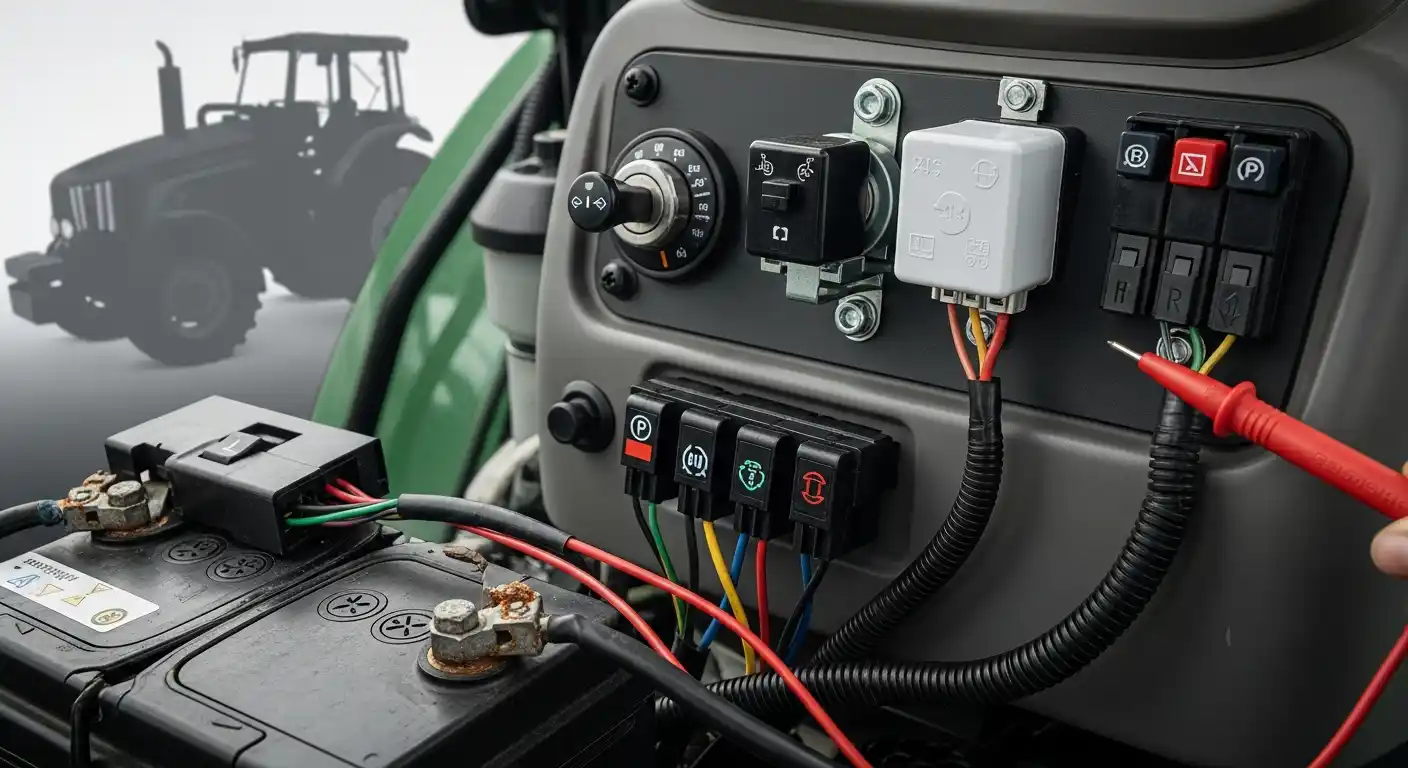
Electrical faults and warning lights
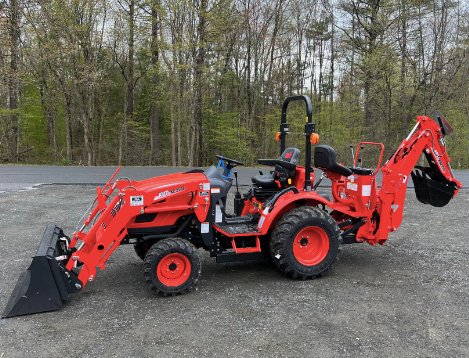
Electrical issues are not always dramatic, but they can stop the tractor from starting or make warning lights appear without a clear reason. Intermittent faults are especially annoying because they come and go.
Credit: tractorguidehub.com
Main causes
- Weak battery
- Bad ground connection
- Blown fuse
- Damaged wire or loose connector
- Faulty sensor
- Moisture in a connection
One of the most useful habits is to inspect grounds early. Many people jump straight to sensors or expensive parts, but a bad ground can create strange readings, weak cranking, and random warning lights. This is one of those non-obvious issues beginners often miss.
If a light appears after washing the tractor or working in rain, moisture may be part of the problem. Open connectors, corrosion, or water intrusion can cause temporary failures. Let the area dry and inspect the terminals carefully.
What to do
Check fuses, battery voltage, and ground straps. Look for pinched wires near moving parts and loader frame areas. If a specific warning light stays on, compare it with the operator manual before replacing anything. The warning light is a clue, not always the final answer.
Table of common symptoms and likely causes
| Symptom | Likely cause | First action |
|---|---|---|
| Hard starting | Battery, fuel filter, air in fuel, glow plug issue | Check battery and fuel supply |
| Weak engine power | Air filter, fuel restriction, overheating | Inspect air and fuel filters |
| Overheating | Low coolant, dirty radiator, blocked airflow | Clean radiator and check coolant |
| Slow loader | Low hydraulic fluid, clogged filter, air in system | Check fluid level and filter |
| Electrical warning light | Fuse, sensor, ground issue, loose connector | Inspect battery and wiring |
Maintenance problems that create bigger failures
Many kioti ck3510 problems start because maintenance was delayed. A tractor can seem fine for months while slowly building hidden issues. Then one day it starts badly, overheats, or loses hydraulic strength.
Here are the maintenance mistakes that cause the most trouble:
- Running old fuel for too long
- Skipping air filter checks in dusty work
- Ignoring minor coolant loss
- Using the wrong fluid type
- Forgetting battery care during storage
- Not cleaning debris from the radiator area
One non-obvious issue is seasonal storage. If the tractor sits for weeks or months, batteries weaken, fuel can age, and moisture can collect in the system. Before storage, it helps to top off fluids, clean the machine, and connect a battery maintainer if needed.
Another overlooked point is that a tractor can run “okay” even when a filter is near the end of its life. That does not mean the filter is still doing its job well. By the time symptoms appear, the restriction may already be significant.
When the problem is likely more serious
Some issues are worth handling yourself. Others need a trained technician. If the tractor has knocking noises, repeated overheating, white smoke that does not clear, strong fuel smell in the oil, or major hydraulic failure, stop and inspect before continuing work.
Also pay attention to symptoms that get worse fast. A small leak can become a failed hose. A weak start can become a no-start. A hot-running tractor can damage the engine if it keeps operating that way.
If you have already checked battery, fuel, air, fluid levels, filters, and visible wiring, yet the same problem returns, professional diagnosis is the smarter choice. That often saves money in the long run.
Credit: uphomely.com
Simple habits that prevent repeat problems
The best way to reduce CK3510 trouble is steady care, not emergency repair. A few habits make a big difference.
- Check fluid levels before work, especially coolant and hydraulic fluid.
- Keep the radiator and grille clean after dusty or grassy jobs.
- Replace fuel and air filters on time, not after symptoms start.
- Clean battery terminals and inspect cables during service.
- Watch for small leaks before they become big ones.
- Store the tractor properly if it will sit unused for a long time.
These actions may seem basic, but they prevent many of the most common failures. In fact, most recurring tractor issues are not random at all. They are the result of small conditions that were left alone too long.
If you want your CK3510 to stay dependable, think in terms of prevention. That is much easier than chasing a mystery problem in the middle of a job.
FAQ
1. Why does my Kioti CK3510 crank but not start?
The most common reasons are a weak battery, air in the fuel system, a clogged fuel filter, or a glow plug/preheat issue. Start by checking battery voltage, fuel supply, and filter condition.
2. What should I check first if the tractor feels weak?
Check the air filter first, then the fuel filter. After that, look for overheating, restricted airflow, or hydraulic drag. Many power complaints come from simple restriction problems.
3. Can low hydraulic fluid cause loader problems?
Yes. Low hydraulic fluid can make the loader slow, jerky, or weak. It can also cause air to enter the system, which leads to poor response and noisy operation.
4. Why does my CK3510 overheat when mowing?
Grass, dust, and chaff often block airflow through the radiator and grille. Low coolant, a loose belt, or a failing fan can also contribute. Cleaning the cooling system often solves the issue.
5. When should I call a mechanic instead of fixing it myself?
Call a mechanic if you hear knocking, see repeated overheating, have major hydraulic failure, or cannot find the cause after checking the basics. Fast diagnosis can prevent bigger damage.