
If your Kohler engine starts ticking louder than usual, loses smooth power, or makes you worry every time it idles, the problem may be inside the valve train. One of the most common causes is kohler hydraulic lifter problems. These small parts help keep valve clearance correct, so when they fail or get dirty, the engine can sound rough and run poorly.
The hard part is that hydraulic lifter trouble often looks like other engine issues. A bad spark plug, old oil, low oil pressure, or a worn camshaft can create similar symptoms. That is why many people replace parts too early and still do not fix the real problem.
This guide explains the most common causes, clear symptoms, and practical fixes. It also shows how to avoid repeat failures, which matters just as much as the repair itself.
What hydraulic lifters do in a Kohler engine
A hydraulic lifter is a small part in the valve train. Its job is to keep pressure on the pushrod and help the valves open and close at the right time. It uses engine oil to stay adjusted automatically. That means you do not need to set valve lash the way you do with some other engines.
When a lifter works well, the valve train runs quietly and the engine breathes correctly. When it does not, the valve may not open fully, may stay open too long, or may make a loud ticking sound. Over time, that can reduce power and increase wear.
In simple words, the lifter is a small oil-powered adjuster. If oil flow is weak, dirty, or blocked, the lifter cannot do its job.
Why this matters more than many owners think
Many owners focus only on the lifter itself. But the lifter is often the victim, not the root cause. Bad oil, clogged passages, a weak oil pump, or even engine sludge can damage it. If you replace the lifter without fixing the cause, the new part may fail too.
Common causes of Kohler hydraulic lifter problems
Most hydraulic lifter issues in Kohler engines come from oil-related problems. That is why a careful diagnosis should always start there.
1. Dirty or old engine oil
Hydraulic lifters depend on clean oil moving freely through tiny internal passages. Old oil thickens and carries sludge, carbon, and metal particles. These contaminants can block the lifter or keep its internal check valve from sealing properly.
If oil changes are delayed, the lifter may begin to tick on startup, then stay noisy even after the engine warms up.
2. Low oil level
When the oil level is too low, the pump may pull air. That causes unstable oil pressure and poor lifter operation. Even a small oil shortage can create a tapping sound, especially on slopes or during sudden turns in riding mowers.
This is one of the easiest problems to check, yet many people miss it because they assume the engine has a major internal fault.
3. Wrong oil viscosity
Using oil that is too thick or too thin can cause trouble. Thick oil may not flow quickly enough through the lifter at startup. Thin oil may not hold pressure well in hot conditions. Kohler engines usually need oil that matches the temperature range and engine design.
Always follow the owner’s manual for the exact grade. If the engine is used in very cold weather, startup noise may happen more often with the wrong oil choice.
4. Sludge in oil passages
Even if the oil looks acceptable on the dipstick, sludge can still build up inside the engine. Small oil passages in the lifter and cylinder head are especially sensitive. A lifter that is partially clogged may work sometimes and fail other times.
This is why a noisy lifter that comes and goes should not be ignored. Intermittent noise often points to a flow problem, not just wear.
5. Weak oil pressure
Hydraulic lifters need consistent pressure to stay pumped up. If the oil pump is worn, the pickup screen is blocked, or the oil filter is restricted, pressure can drop. A lifter may then collapse and make a tapping noise.
Weak pressure is a deeper issue. It usually means the engine needs more than a simple parts swap.
6. Worn or damaged lifter internals
Inside the lifter are moving parts that seal, hold pressure, and extend as needed. With age, those parts can wear out. A worn lifter may not hold oil properly even if the rest of the engine is healthy.
Once a lifter loses its ability to hold pressure, the noise often becomes more constant and more noticeable under load.
7. Camshaft or pushrod wear
Sometimes the lifter is blamed when the real damage is elsewhere. A worn cam lobe or bent pushrod can create similar symptoms. If the camshaft is damaged, the lifter may not move correctly, and the valve will not open enough.
This is a common reason people replace lifters but still hear the same noise afterward.
Symptoms that point to hydraulic lifter trouble
Not every engine noise means a bad lifter. But when several of these signs happen together, the chance rises quickly.
Credit: yardguides.com
Ticking or tapping from the top of the engine
This is the classic symptom. The noise often sounds like a light metal tap and is usually loudest near the valve cover. It may be strongest at startup and fade after the engine warms up, or it may stay present the whole time.
Rough idle
If a lifter is not opening a valve correctly, the engine may idle unevenly. You may feel a slight shake, hear a miss, or notice the engine hunting up and down in speed.
Loss of power
A valve that does not open fully can reduce airflow into or out of the cylinder. That lowers compression and power. The engine may still run, but it can feel weak when climbing hills, cutting thick grass, or working under load.
Hard starting
Hydraulic lifter problems can make starting less smooth, especially if the valve train is not sealing correctly. The engine may crank longer than usual or start and then stumble.
Misfire or uneven running
A worn lifter, bad pushrod, or camshaft issue can cause one cylinder to work less efficiently than the other. The engine may feel like it is skipping a beat.
Noise that changes with oil temperature
If the tapping is worse when cold and improves after warm-up, oil flow or oil viscosity is often involved. If the noise gets worse as the engine heats up, wear or low pressure may be more likely.
Unexpected valve train wear
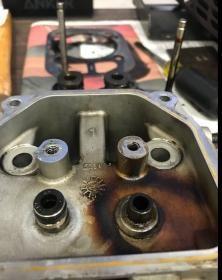
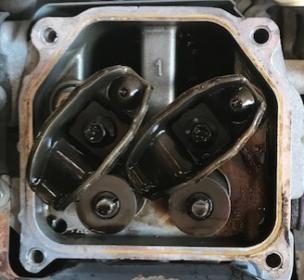
In some cases, you may remove the valve cover and find unusual wear marks, loose pushrods, or a lifter that does not sit correctly. That is a strong sign the issue is not just normal engine sound.
How to diagnose the problem the smart way
Before you buy parts, work through the basics in a clean order. This saves time and avoids unnecessary repairs.
- Check the oil level and make sure it is within the safe range.
- Inspect the oil condition. Look for dark sludge, burned smell, or visible debris.
- Confirm the correct oil grade for your Kohler engine and climate.
- Listen to the noise location. Valve train noise is usually top-end and sharper than rod knock.
- Remove the valve cover and inspect the pushrods, rockers, and lifters if possible.
- Check for compression issues if the engine also loses power or misfires.
If you suspect oil pressure problems, do not guess. A proper test is better than replacing random parts. For general engine oil guidance, the official Kohler Engines site is a helpful place to confirm model-specific recommendations.
A mistake many beginners make
People often replace a noisy lifter after hearing one bad startup. But a lifter that is only noisy for a few seconds in cold weather may not be failing yet. It may simply be slow to fill because of old oil or a filter problem. If you skip diagnosis, you may spend money on parts that do not solve the real issue.
Fixes for Kohler hydraulic lifter problems
The right fix depends on the cause. Start with the simplest and least expensive steps first.
1. Change the oil and filter
If the oil is dirty, old, or the wrong type, replace it. Use the viscosity listed in the engine manual. Also replace the oil filter if your model has one. Fresh oil can restore normal lifter action if the problem is only contamination or slow flow.
After the change, run the engine and listen again. If the noise fades, you may have caught the problem early.
2. Clean the valve train area
If sludge is visible under the valve cover, clean the area carefully. Remove loose buildup and make sure oil passages are not blocked. Be gentle. Aggressive scraping can damage surfaces or push debris into the engine.
Do not use a heavy solvent unless the service manual allows it. Some chemicals can do more harm than good.
3. Replace a collapsed or sticking lifter
If a lifter will not hold pressure, replacement is often the correct repair. When one lifter fails from wear, check the matching parts on the same side of the engine. Look closely at the pushrod and rocker arm as well.
It is usually wise to replace the affected parts in a set when wear is linked, not just one piece at a time.
4. Inspect and replace damaged pushrods
A bent pushrod can create a ticking noise that sounds like a bad lifter. If you find a pushrod that is not straight, replace it. Also find out why it bent. A sticking valve, tight component, or cam issue may be the real cause.
5. Check the camshaft and lifter bore
If the engine still makes noise after the lifter is replaced, inspect the cam lobes and lifter bore. A worn camshaft can prevent normal lift. A damaged bore can stop the lifter from moving smoothly. These are more serious problems, but they must be found early.
6. Verify oil pressure
If oil flow is weak, the lifter will keep failing. Inspect the pickup screen, oil pump, filter, and galleries. If the oil pressure is low, solving only the lifter problem will not last long.
7. Break in the repaired engine correctly
After lifter or valve train work, run the engine according to the service instructions. Let it idle, warm up, and then work through light load first. New parts need time to seat properly. Skipping this step can shorten the life of the repair.
What to inspect while you are already inside the engine
Once the valve cover is off, take the chance to check more than the lifter. This is where a careful repair saves future trouble.
- Pushrods for bends, scoring, or loose fit
- Rocker arms for wear on the contact points
- Valve springs for broken coils or weak tension
- Cam lobes for unusual wear or flattening
- Oil return paths for sludge buildup
- Head gasket condition if compression seems uneven
Two hidden problems often missed by beginners are sludge blocking oil return paths and a slightly bent pushrod that still looks normal at a glance. Both can keep a new lifter from working right.
Credit: doityourself.com
How to avoid repeat hydraulic lifter failure
The best repair is the one you do only once. A few habits can greatly reduce future lifter trouble.
Use the right oil and change it on time
This is the most important habit. Oil is not just lubrication in a hydraulic lifter system. It is part of the lifter’s operating design. Clean oil helps the lifter fill, seal, and stay quiet.
Do not run the engine low on oil
Check the level often, especially before mowing season or long work periods. A small leak can slowly create a big problem.
Do not ignore startup noise for weeks
A brief tick once in a while may be harmless. But a repeated noise means something is changing. Early diagnosis usually costs less than major valve train repair.
Keep the cooling system clean
Excess heat breaks oil down faster. If cooling fins, screens, or airflow paths are clogged, oil life drops and sludge forms sooner. That is bad news for lifters.
Use clean storage practices
If the engine sits for long periods, old fuel and moisture can lead to deposits and corrosion. Before long storage, service the engine properly and store it in a dry place.
When the problem is not the lifter
Some engines sound like they have lifter trouble, but they do not. Knowing the difference helps you avoid the wrong repair.
| Possible issue | Typical sound or symptom | Clue that helps separate it from lifter trouble |
|---|---|---|
| Bad spark plug | Rough running, hesitation | Usually less tapping noise, more misfire feel |
| Rod knock | Deep knocking sound | Lower in the engine and louder under load |
| Bent pushrod | Ticking or tapping | Noise may be very similar, but inspection reveals damage |
| Loose valve cover | Rattle or light knock | Noise may change if the cover is touched or adjusted |
| Low oil pressure | Top-end noise, lifter collapse | Often affects more than one lifter at once |
This is why diagnosis matters so much. A careful inspection can save you from replacing a good part and missing the real fault.
Final thoughts on solving the problem
kohler hydraulic lifter problems are usually manageable if you approach them in the right order. Start with oil level, oil condition, and the correct oil type. Then inspect the valve train before buying parts. In many cases, the real fix is not just replacing a lifter. It is restoring clean oil flow and correcting the wear or blockage that caused the noise.
If the engine has a strong tick, runs rough, or loses power, do not wait too long. Small valve train issues can turn into bigger engine damage. A simple repair today is almost always easier than a major rebuild later.
Credit: doityourself.com
FAQs
1. What are the most common signs of Kohler hydraulic lifter problems?
The most common signs are ticking from the top of the engine, rough idle, loss of power, and noise that changes with engine temperature. Some engines also start harder than normal or misfire under load.
2. Can dirty oil cause hydraulic lifter noise in a Kohler engine?
Yes. Dirty or old oil is one of the main causes. It can block small oil passages inside the lifter and stop it from holding pressure correctly.
3. Is it safe to keep running the engine if the lifter is ticking?
Short term, maybe. Long term, no. A ticking lifter can mean poor valve operation, and that can lead to more wear or loss of power. It is better to inspect it soon.
4. Do I need to replace all lifters if one is bad?
Not always. If one lifter is clearly damaged and the other parts look fine, you may only need to replace the bad one. But you should also inspect the pushrod, camshaft, and oil system before deciding.
5. Why does my Kohler engine tick only when it is cold?
Cold oil flows more slowly, so a lifter may take longer to fill after startup. If the ticking goes away quickly, the issue may be minor. If it lasts too long or gets worse, check the oil type, oil level, and lifter condition.