
If you own a Kubota B2920, you already know it is a strong compact tractor for mowing, loader work, and general farm tasks. But like any machine, it can develop problems over time. Some issues are small and easy to fix. Others point to wear, poor maintenance, or a part that needs attention soon.
This guide explains the most common kubota b2920 problems, why they happen, and what you can do about them. The goal is simple: help you spot trouble early, avoid bigger damage, and keep your tractor working the way it should.
Many owners worry when a tractor starts acting strange. In reality, a lot of B2920 issues come from basic things such as dirty filters, old fuel, low hydraulic fluid, weak batteries, or air in the system. These are not always expensive repairs. In some cases, the fix is quick if you know where to look.
What usually causes problems on a Kubota B2920
Before going into each symptom, it helps to understand the common root causes. The Kubota B2920 is a reliable compact tractor, but it still depends on a few key systems working together: fuel, air, battery, hydraulics, cooling, and transmission. When one system falls behind, the tractor often gives warning signs.
Most problems come from one of these areas:
- Poor maintenance such as skipped oil changes or clogged filters
- Old fuel or water in the fuel tank
- Battery or charging issues
- Hydraulic fluid problems including low level or dirty fluid
- Worn belts, hoses, seals, or switches
- Operator mistakes like overloading the tractor or using the wrong settings
One thing many beginners miss is that a tractor can show the same symptom for different reasons. For example, a slow loader can be caused by low hydraulic fluid, a dirty filter, cold oil, or a failing pump. So the best repair approach is to check the simplest causes first.
Engine starts hard or will not start
A hard start is one of the most common kubota b2920 problems. Sometimes the engine cranks slowly. Sometimes it cranks normally but does not fire. In other cases, it starts only after several tries.
Main causes
- Weak or dead battery
- Loose battery terminals
- Bad starter relay or starter motor
- Air in the fuel system
- Clogged fuel filter
- Old diesel fuel
- Glow plug problems in cold weather
How to fix it
- Check the battery voltage and cable connections.
- Clean the terminals if they are white, green, or corroded.
- Make sure the fuel shutoff is open.
- Replace the fuel filter if it is dirty or overdue.
- Bleed the fuel system if air may be trapped.
- Test the glow plugs if the tractor starts poorly when cold.
A useful detail many owners overlook is that a battery can still power the lights but fail under starter load. So if the dash lights work, that does not prove the battery is healthy. A load test gives better proof.
Prevention tips
- Keep diesel fuel fresh
- Change fuel filters on schedule
- Store the tractor with a maintained battery
- Use the glow system correctly in cold weather
Engine runs rough, smokes, or loses power
If the B2920 starts but does not run smoothly, the problem may be fuel delivery, air intake, or a maintenance issue. Rough running often feels like shaking, missing, or poor throttle response. Power loss may show up during mowing, loader work, or hill climbing.
Main causes
- Dirty fuel filter
- Restricted air filter
- Water or dirt in fuel
- Injector issues
- Incorrect engine speed setting
- Cooling system stress causing poor performance
What the smoke may mean
| Smoke color | Likely meaning | What to check first |
|---|---|---|
| Black | Too much fuel or not enough air | Air filter, engine load, injector condition |
| White | Unburned fuel, cold start issue, or fuel delivery problem | Glow plugs, fuel quality, injectors |
| Blue | Engine oil burning | Oil level, worn rings or seals |
How to fix it
Start with service items. Replace the air filter if it is dirty. Check the fuel filter and drain any water from the fuel system if your setup allows it. If the tractor is smoking black under load, do not assume the engine is weak right away. A clogged air filter is a far more common cause.
Another easy-to-miss point is that mowing tall grass or pushing too hard with the loader can make a healthy engine seem weak. If the tractor is overloaded, performance drops even when nothing is broken.
Hydraulic system feels slow or weak
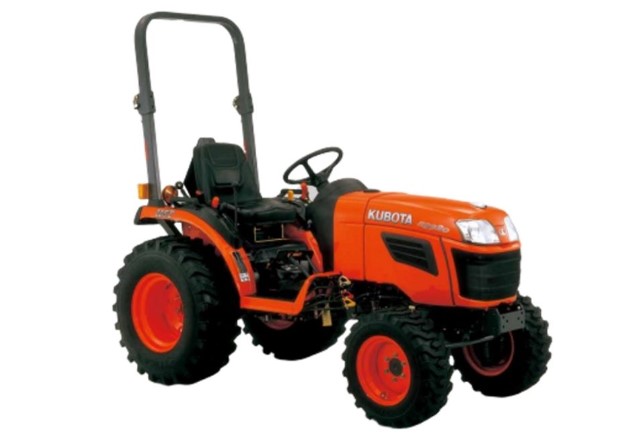
Hydraulic trouble can affect the loader, three-point hitch, steering, and other attachments. On the Kubota B2920, slow movement or weak lifting usually means the hydraulic system needs attention.
Credit: tractordetails.net
Main causes
- Low hydraulic fluid
- Dirty hydraulic fluid
- Clogged hydraulic filter
- Air in the hydraulic system
- Worn hydraulic pump
- Internal leakage in cylinders or valves
How to fix it
- Check the hydraulic fluid level on level ground.
- Inspect the fluid for dirt, milkiness, or a burnt smell.
- Replace the hydraulic filter if service is overdue.
- Look for external leaks around hoses, fittings, and seals.
- Cycle the loader and hitch several times to help move air out.
Cold weather can slow hydraulic response for a few minutes, especially if the fluid is thick. That is normal to a point. But if the system stays weak after warm-up, the problem is deeper.
One subtle issue owners miss is that a small leak may not drip much fluid on the ground, yet still cause pressure loss over time. Wet fittings, dusty oil film, or damp cylinders should not be ignored.
Three-point hitch will not lift or drops too fast
The three-point hitch on the B2920 should lift smoothly and hold position reasonably well. If it will not raise, raises very slowly, or drops after lifting, the problem may be hydraulic or mechanical.
Main causes
- Low hydraulic fluid
- Faulty position control or hitch linkage
- Internal cylinder leakage
- Worn control valve
- Air trapped in the system
- Incorrect hitch adjustment
How to fix it
First, check whether the hydraulic system works on other functions. If the loader is also weak, the issue may be the main hydraulic supply. If only the hitch acts up, focus on the hitch control and linkage.
Make sure the lift arms are not blocked and the linkage is moving freely. Dirt, rust, or bent parts can cause poor hitch movement. If the hitch lifts but slowly sinks, internal leakage is likely and may need professional repair.
Common mistake
Many owners think the hitch is broken when the real issue is just an adjustment problem. A badly set control linkage can make the hitch feel weak even when the hydraulic system is okay.
Transmission or hydrostatic drive feels weak
If your B2920 moves poorly, loses drive power, or reacts slowly to pedal input, the hydrostatic transmission may be involved. This can feel like slipping, hesitation, or a lack of pulling power on slopes.
Main causes
- Low or dirty transmission fluid
- Clogged transmission filter
- Overheated fluid
- Air in the system
- Incorrect operating technique
- Worn internal components
How to fix it
Check the fluid first. Low fluid can make the drive weak or erratic. Replace the filter if needed and use the correct fluid type recommended for the tractor. If the machine was worked hard in hot weather, let it cool and test again.
Also check whether the brakes are dragging. A dragged brake can feel like a transmission problem even though the drive system is fine.
If the tractor only struggles under heavy load or on hills, do not jump straight to a major repair. Sometimes the tractor is simply being asked to do more than the ground conditions allow.
Overheating during work
Overheating is a serious issue because it can damage the engine quickly. A tractor that runs hot may lose power, smell hot, or push coolant out of the overflow tank.
Main causes
- Low coolant level
- Dirty radiator fins
- Blocked air flow
- Faulty thermostat
- Worn fan belt
- Grass, dust, or chaff buildup around the cooling system
How to fix it
- Check coolant level only when the engine is cool.
- Clean the radiator screen and fins carefully.
- Inspect the fan belt for wear or looseness.
- Look for coolant leaks around hoses and clamps.
- Make sure debris is not blocking air movement through the engine bay.
This is one of those issues where cleaning matters as much as repair. Compact tractors often work in dusty or grassy conditions. A thin layer of debris can trap heat and slowly create a bigger problem.
Important tip
Do not use high pressure directly on delicate radiator fins. That can bend them and make cooling worse. Gentle cleaning is safer and usually more effective.
Battery keeps dying or charging system is weak
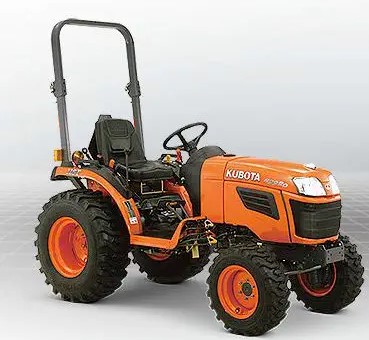
A tractor that keeps needing jumps or goes dead after sitting is frustrating. On the B2920, this can point to a battery problem, but sometimes the real issue is the charging system or an electrical drain.
Credit: tractordetails.net
Main causes
- Old battery
- Loose or corroded battery cables
- Faulty alternator
- Bad ground connection
- Parasitic drain
- Short trips that do not fully recharge the battery
How to fix it
Test the battery first. If it is old, weak, or cannot hold charge, replacement may be the best option. Then check the charging voltage with the engine running. If the voltage is too low, the alternator or regulator may need service.
Also inspect the ground cable. A weak ground can cause many strange electrical symptoms, not just starting trouble. That is a detail many people miss because the cable may look fine from the outside but still fail under load.
Electrical switches, lights, or dash indicators act strange
Electrical issues on compact tractors often look random. A light may flicker, a safety switch may stop the engine from starting, or the dash may show inconsistent readings. These symptoms can be annoying, but they are often traceable.
Main causes
- Corroded connectors
- Damaged wiring
- Failed safety switch
- Blown fuse
- Loose grounds
- Moisture inside connectors
How to fix it
Start with the fuses and connectors. Clean any corrosion and make sure plugs are fully seated. Check safety switches at the seat, PTO, and pedals if the tractor refuses to start. These switches are there to protect you, but they can also fail with age or dirt.
If the problem comes and goes, vibration may be the clue. A loose wire can work sometimes and fail other times. Move wiring gently while watching for changes, but only with the tractor safely shut down.
Leaks from engine, fuel, or hydraulics
Any leak deserves attention. Even a small leak can lead to low fluid levels, dirty components, or a fire risk in some cases. On the B2920, leaks may appear under the engine, around the transmission, or near hydraulic lines.
Main causes
- Worn seals
- Loose clamps or fittings
- Cracked hoses
- Gasket failure
- Overfilled fluid systems
- Heat and age
How to fix it
- Clean the area first so you can see the true source.
- Run the tractor briefly and inspect again.
- Check whether the leak is oil, diesel, coolant, or hydraulic fluid.
- Tighten loose fittings carefully.
- Replace damaged hoses or seals.
One non-obvious point: fluid can travel along a frame or hose and drip far from the actual source. So never assume the drip point is the leak point. Trace backward from the wettest area.
How to diagnose Kubota B2920 problems in the right order
Good troubleshooting saves time and money. The safest way is to start with the simplest checks and move toward deeper repairs only if needed.
A practical order to follow
- Check fluid levels.
- Inspect filters and air intake.
- Look for loose wires, leaks, and damaged hoses.
- Test battery and charging system.
- Watch how the tractor behaves when cold and when warm.
- Compare one system against another, such as loader, hitch, and steering.
This method works because it separates likely maintenance issues from part failures. It also helps avoid replacing expensive parts too soon.
When to stop and call a technician
Some repair jobs are best left to a trained mechanic, especially if the problem involves injector work, internal hydraulic failure, major electrical faults, or engine compression issues. If you see metal in fluid, repeated overheating, or severe loss of power, do not keep running the tractor until it is checked.
How to reduce future problems
The best way to deal with kubota b2920 problems is to prevent them before they start. A few habits can make a big difference in tractor life and reliability.
- Change engine oil and filters on time
- Keep fuel fresh and clean
- Inspect the air filter often in dusty work
- Clean the radiator and screen regularly
- Check hydraulic fluid and transmission fluid at the right intervals
- Look for leaks before they become major
- Store the tractor in a dry place if possible
If you want factory service details, fluid specs, and maintenance intervals, the official Kubota resources are the best place to verify them. You can start with Kubota’s official website.
Another smart habit is to keep notes. Write down when a filter was changed, when a leak started, or when the tractor acted strange. Small notes often reveal a pattern that makes diagnosis much easier later.
Final thoughts
The Kubota B2920 is a dependable machine, but it still needs regular care. Most issues are not mysterious once you break them down by system. Hard starting, weak hydraulics, overheating, and electrical trouble usually have clear causes. In many cases, the fix is as simple as cleaning, tightening, replacing a filter, or changing old fluid.
If you stay alert to early signs and work through the basics in order, you can solve many problems before they become costly repairs. That is the smartest way to protect both your tractor and your time.
Frequently asked questions
1. What are the most common Kubota B2920 problems?
The most common issues are hard starting, weak hydraulics, overheating, battery trouble, rough running, and fluid leaks. Many of these come from maintenance items like dirty filters, low fluid, or worn connections.
2. Why does my Kubota B2920 start hard in cold weather?
Cold weather can make the battery weaker and diesel harder to ignite. Glow plug issues, old fuel, or a clogged fuel filter can also cause hard starting. Check these areas first.
3. Why is the hydraulic system on my B2920 slow?
Slow hydraulic action usually comes from low fluid, dirty fluid, a clogged filter, or air in the system. If the problem stays after warm-up, inspect for leaks or pump wear.
4. Can low battery voltage affect other tractor systems?
Yes. Low voltage can affect starting, safety switches, dash indicators, and sometimes charging performance. A weak battery can create more than one symptom, so it is worth testing early.
5. When should I call a mechanic for Kubota B2920 problems?
Call a mechanic if the tractor overheats repeatedly, shows metal in fluid, has major electrical failure, or still loses power after basic checks. Deep engine or hydraulic repairs need proper tools and experience.