
If you own a Gravely 260Z, you already know why people like it. It cuts fast, handles well, and feels built for real work. But like any zero-turn mower, it can develop issues over time. Some problems are small and easy to fix. Others point to wear, poor maintenance, or a part that is starting to fail.
This guide explains the most common gravely 260z problems, why they happen, and what you can do about them. The goal is simple: help you find the cause faster, avoid wasted repairs, and keep your mower working the way it should. If you are hearing strange noises, losing drive power, getting a rough cut, or dealing with starting trouble, you are in the right place.
Many mower problems look worse than they really are. A dirty air filter can feel like a bad engine. A loose belt can act like a transmission issue. A dull blade can look like a deck failure. Knowing the difference saves time and money, and it keeps small issues from turning into expensive ones.
What usually goes wrong on a Gravely 260Z
Most gravely 260z problems fall into a few main groups: engine issues, drive system issues, cutting deck problems, electrical faults, and maintenance-related wear. The mower is strong, but it works hard. Heat, grass debris, vibration, and age all take a toll.
Two things often surprise owners. First, many “major” failures begin as simple service problems, like low oil, clogged filters, or loose connections. Second, the mower may still run even when a part is failing, which makes diagnosis harder. A machine can keep moving while damage grows in the background.
Common areas to inspect first
- Battery and electrical connections
- Fuel quality and fuel delivery
- Air filter, spark plugs, and engine oil
- Drive belts and pulleys
- Hydraulic fluid and wheel motors
- Mower deck, blades, spindles, and idlers
If you check these areas first, you will solve many issues without replacing expensive parts.
Starting problems and hard starting
One of the most common complaints is that the mower will not start, or it starts only after several tries. Sometimes the engine cranks slowly. Sometimes it cranks normally but does not fire.
Likely causes
- Weak or dead battery
- Corroded battery terminals
- Bad ground connection
- Faulty starter relay or solenoid
- Dirty fuel filter
- Old fuel
- Clogged air filter
- Bad spark plug
- Safety switch problem
How to fix it
Start with the battery. Check the voltage and the terminal condition. A battery can look fine and still fail under load. Clean the terminals and make sure the cables are tight. If the mower clicks but does not crank, test the solenoid and look for poor cable contact.
If the engine cranks but will not start, move to fuel and spark. Old fuel is a very common cause, especially if the mower sat for a long time. Drain stale fuel if needed. Replace the fuel filter if it looks dirty. Check the spark plug for wear, carbon buildup, or a cracked insulator.
Also inspect the seat switch, PTO switch, and brake switch. A bad safety switch can stop the mower from starting even when everything else is fine.
Non-obvious tip
A weak battery can cause strange electrical behavior before it fully dies. You may see the starter work once, then fail the next time. That does not always mean the starter is bad. It often means the battery voltage drops too much under load.
Engine runs rough or loses power
If the engine starts but runs unevenly, surges, stalls under load, or lacks power while cutting, the issue is often related to airflow, fuel delivery, or ignition.
Likely causes
- Dirty air filter
- Restricted fuel flow
- Old spark plug
- Carburetor buildup
- Bad fuel pump
- Wrong engine oil level
- Cooling fins packed with dirt and grass
How to fix it
Replace the air filter if it is dirty or soaked with dust. A restricted air filter reduces power fast. Check the fuel line for cracks, soft spots, or blockage. If the engine dies when the mower is working hard, the fuel cap vent may be clogged. That creates a vacuum in the tank and limits fuel flow.
Carburetor issues are common when fuel sits in the system too long. Gum and varnish can block tiny passages. Cleaning the carburetor often restores normal running. If the engine still surges, check the governor linkage and fuel pump. Also make sure the engine is not overheating from debris buildup around the cooling system.
For more detailed maintenance guidance, the official Gravely service and support page is a useful place to start.
Beginner mistake to avoid
Many people replace spark plugs first because they are cheap. That is fine, but it is not enough if the real problem is fuel restriction or a clogged air filter. Diagnose in order: air, fuel, spark, then carburetor.
Mower will not move or moves weakly
Another major category of gravely 260z problems involves the drive system. The mower may start fine, but it refuses to move, moves slowly, jerks, or loses pulling power on slopes.
Credit: picclick.com
Likely causes
- Low or dirty hydraulic fluid
- Air in the hydraulic system
- Worn drive belt
- Loose belt tension
- Failing hydrostatic pump
- Failing wheel motor
- Bypass valve left open
- Broken linkage or control adjustment issue
How to fix it
First, confirm that the bypass valves are closed. This sounds basic, but it happens more often than many owners expect after service or transport. Then inspect the drive belt for cracks, glazing, or slack. A belt that slips under load can make the mower feel weak even if the hydro system is still healthy.
Check hydraulic fluid level and condition. Low fluid can cause poor movement, overheating, and noise. If the mower has lost power after service or a hose replacement, air may be trapped in the system. Follow the bleeding procedure for your model carefully.
If one side moves differently from the other, the issue may be a control linkage adjustment, a worn pump, or a wheel motor problem. When the problem only shows up after the machine gets hot, that often points to hydraulic wear or fluid breakdown.
Non-obvious insight
Drive problems are not always “transmission” problems. A slipping belt can mimic a bad pump. Before replacing expensive hydro parts, always inspect the belt, idlers, and linkage. That check can save a lot of money.
Uneven cut, streaks, or missed grass
If the mower runs well but the lawn looks bad after cutting, the deck is usually the first place to inspect. Poor cutting performance does not always mean the mower is broken. Very often, it means the deck cannot cut cleanly anymore.
Likely causes
- Dull or bent blades
- Wrong blade installation
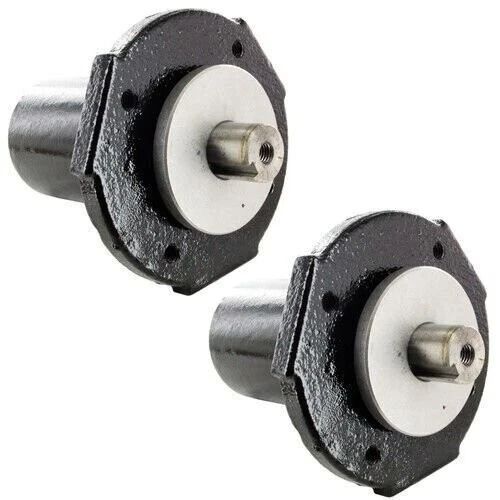
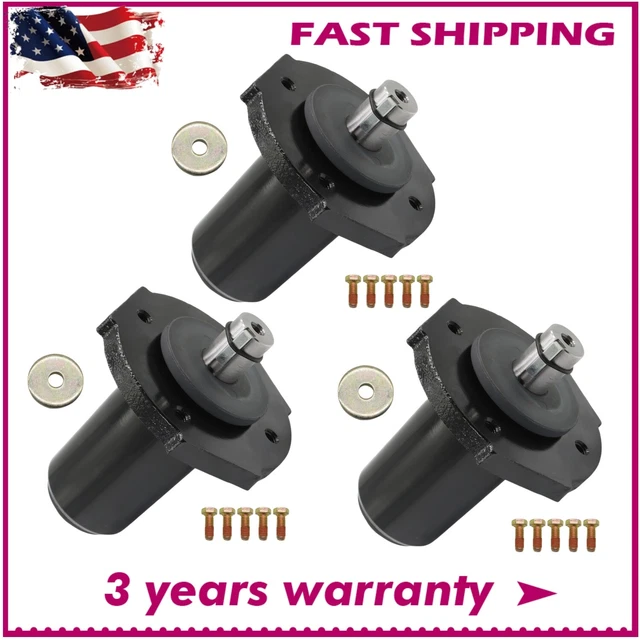
- Damaged spindle bearings
- Uneven deck height
- Deck belt slipping
- Grass buildup under the deck
- Cutting too fast for grass conditions
How to fix it
Sharpen or replace blades first. Dull blades tear grass instead of cutting it. Check that each blade is straight and installed correctly. A bent blade can create vibration and uneven cutting lines.
Clean the underside of the deck. Packed grass blocks airflow and reduces lift. That leads to clumping and streaks. Inspect spindle bearings by spinning each blade by hand when the mower is off and safe to handle. Roughness, play, or noise can mean the spindle is wearing out.
Also check deck level side to side and front to back. If the deck is not set evenly, one side will cut lower than the other. Cutting speed matters too. Wet or tall grass needs slower travel to get a clean result.
Why the deck matters so much
The cutting deck is not just a blade holder. It controls lift, airflow, and discharge. Even a small issue like a loose belt or bent hanger can affect the final cut in a big way. That is why a mower can seem “bad” even when the engine is fine.
Excess vibration or strange noise
Vibration is one of the clearest signs that something is wrong. Some vibration is normal on a zero-turn mower, but heavy shaking, rattling, grinding, or squealing should not be ignored.
Likely causes
- Unbalanced or damaged blade
- Loose blade bolt
- Worn spindle bearing
- Damaged pulley
- Loose engine mount
- Debris stuck in the deck
- Drive belt misalignment
How to fix it
Shut the mower off and inspect the blades first. A blade that hit a rock, stump, or wire can bend slightly and still look usable. That small bend creates strong vibration. Also check for broken belt pieces or wrapped debris around pulleys and spindles.
If the noise comes from the deck area, listen for bearing growl or squeal. Spindle bearings often fail slowly, so early replacement can prevent more damage. If the vibration happens when the engine is running but the blades are off, inspect engine mounts and engine-to-frame hardware.
Ignoring vibration is a mistake. It can loosen fasteners, wear belts faster, and damage bearings, pulleys, and even the deck shell over time.
Battery and charging system issues
Battery trouble can create a chain of false symptoms. The mower may seem to have engine issues, switch issues, or starter problems when the real cause is low electrical power.
Credit: picclick.com
Likely causes
- Old battery
- Bad alternator or charging circuit
- Loose belt on charging system
- Corroded terminals
- Parasitic drain during storage
How to fix it
Test the battery first. If it does not hold a charge, replace it. Then confirm the charging system is working while the engine runs. A mower that starts on a jump but dies later may have a charging fault.
Look for corrosion at all connections. Even a small layer of corrosion can block current. Also think about storage. If the mower sits for long periods without a maintainer, the battery can slowly discharge. Cold weather makes this worse.
| Symptom | Possible cause | First check |
|---|---|---|
| Slow cranking | Weak battery or bad cable | Battery voltage and terminals |
| Clicking but no start | Solenoid or low power | Battery load and relay |
| Starts then dies | Fuel or charging issue | Fuel flow and charging output |
| Lights dim or flicker | Charging fault | Wiring and alternator output |
Overheating and shutdown issues
Overheating is easy to miss at first. The mower may just lose power, run rough, or shut off after working for a while. Heat can damage engine parts and shorten the life of belts, seals, and electronics.
Likely causes
- Dirty cooling fins
- Blocked air flow around engine
- Low oil level
- Dirty oil
- Clogged muffler screen or exhaust area
- Grass buildup around deck and engine shrouds
How to fix it
Clean the mower carefully, especially around engine shrouds and cooling areas. Check oil level before every long use. If the engine shuts down when hot, do not keep restarting it repeatedly. Let it cool and inspect airflow first.
Heat problems are often maintenance problems. A mower working in dusty or thick grass needs more cleaning than many owners expect. If you store the machine in a shed, make sure the cooling areas are not packed with dust, chaff, or spider nests.
Non-obvious tip
Heat can also affect fuel systems. A fuel line that looks fine when cold may soften or collapse when hot. That creates a problem that appears only after the mower has been running for a while.
How to narrow down the real cause faster
When facing gravely 260z problems, do not guess. Work in a simple order. That saves time and prevents unnecessary part replacement.
- Check the battery and visible connections.
- Look at fuel condition and fuel flow.
- Inspect the air filter and spark plug.
- Check belts, pulleys, and deck condition.
- Review hydraulic fluid and drive behavior.
- Listen carefully for the exact noise or symptom pattern.
Write down when the problem happens. Does it appear only when the mower is hot? Only with blades engaged? Only on hills? That pattern tells you more than the symptom itself.
Easy clues that help diagnose faster
- Starts cold but not hot: possible coil, fuel, or heat-related electrical issue
- Runs fine without blades but stalls with blades on: deck load, belt slip, or engine power loss
- One side drives differently: control, belt, or hydraulic issue
- Vibration only at higher speed: blade balance or spindle wear
When to repair and when to replace parts
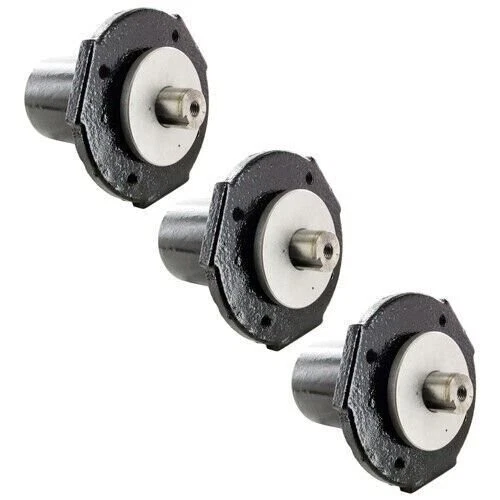
Some parts are worth repairing. Others are better replaced. A dirty filter, spark plug, belt, or blade is usually a simple replacement. Carburetors, solenoids, and switches can often be repaired or swapped without much risk. But worn hydro pumps, wheel motors, or severely damaged spindles may be more expensive to chase than replace.
A good rule is this: if a part affects safety, drive control, or repeated failure, replace it with a quality part. If the issue is caused by wear, age, or heat damage, do not delay too long. Small mower repairs usually stay small. Waiting often makes them bigger.
Credit: picclick.com
How to prevent the most common problems
Prevention is the easiest way to reduce gravely 260z problems. A few simple habits can make a big difference.
- Change engine oil on schedule
- Keep air filters clean
- Use fresh fuel and stabilize fuel for storage
- Sharpen blades often
- Clean grass from the deck and engine area
- Inspect belts and pulleys regularly
- Check tire pressure and deck level
- Store the mower with a charged battery
One small habit many owners skip is checking belt condition before the cutting season starts. A belt may look acceptable at rest but fail under load. Another missed habit is cleaning the underside of the deck after wet mowing. That buildup changes airflow and increases strain on the whole machine.
Good maintenance does not just prevent breakdowns. It also keeps the cut quality high, reduces fuel use, and makes the mower easier to start.
Final thoughts
The Gravely 260Z is a strong mower, but even strong machines need care. Most problems come from wear, dirt, heat, old fuel, or ignored maintenance. If you learn the common failure points, you can solve many issues without a shop visit.
The key is to diagnose in a smart order. Start with the simple things. Check power, fuel, airflow, belts, and deck condition before assuming a major failure. That approach fixes many gravely 260z problems quickly and helps you avoid costly mistakes.
FAQs
1. Why does my Gravely 260Z crank but not start?
This usually means the mower has a fuel, spark, or safety switch issue. Check the battery, fuel quality, spark plug, and the seat or PTO safety switches first.
2. Why does my Gravely 260Z cut unevenly?
Uneven cutting is often caused by dull blades, a dirty deck, wrong deck height, or worn spindle bearings. Start by cleaning the deck and inspecting the blades.
3. What causes my Gravely 260Z to lose drive power?
Low hydraulic fluid, a slipping belt, air in the system, or a worn pump can all cause weak drive performance. Also check the bypass valves and control linkage.
4. Why does my mower vibrate so much?
Heavy vibration usually points to a bent blade, loose blade bolt, worn spindle bearing, or debris stuck in the deck. Do not keep mowing until you find the cause.
5. How often should I service my Gravely 260Z?
Follow the service schedule in your owner’s manual, but inspect belts, blades, oil, air filters, and tire pressure regularly during the mowing season. Frequent cleaning and basic checks prevent most failures.