
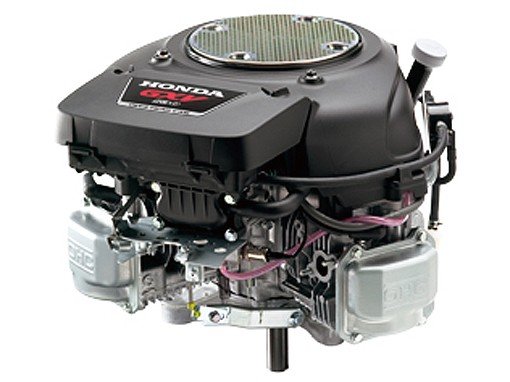
The Honda GXV530 is a strong V-twin engine used in many commercial and outdoor power machines. It is known for long life, smooth power, and solid design. But like any engine, it can still develop problems over time.
If your machine is hard to start, runs rough, loses power, or uses too much fuel, you are not alone. Many owners face the same honda gxv530 engine problems. The good news is that most of these issues have clear causes and practical fixes.
In this guide, you will learn the most common GXV530 faults, why they happen, and what you can do to solve them. You will also see a few less obvious points that many beginners miss, which can save time and money during diagnosis.
For related Honda mower troubleshooting, compare this engine guide with Honda Harmony 1011 problems, where to spray starter fluid on a lawn mower, and why a lawn mower will not start. These nearby checks help separate fuel, spark, warning-light, and starting problems.
How the GXV530 Usually Fails
Before you start replacing parts, it helps to understand the pattern of failure. The GXV530 often gives warning signs before it stops working fully. These signs may be small at first, then get worse with use.
Most engine trouble falls into a few groups: fuel problems, air problems, ignition problems, compression loss, or heat-related damage. In real use, one issue can lead to another. For example, a weak spark may cause hard starting, and repeated hard starting can drain the battery or flood the engine.
Another thing beginners often miss is that engine trouble is not always caused by a broken part. Old fuel, dirty filters, loose wires, and bad maintenance habits are just as common. In many cases, the engine itself is fine.
Common Honda GXV530 Engine Problems and Their Causes
Engine light or warning light comes on
If you see an engine light on in a Honda GXV530, do not keep running the mower under load until you check the simple causes. Start with oil level, oil pressure wiring, charging voltage, loose connectors, overheating, and the condition of the air filter and cooling fins. A warning light does not always mean the engine is ruined, but it does mean the engine is asking for a basic safety check before more mowing.
Here are the issues owners report most often, along with the usual reasons behind them.
1. Hard Starting or No Start
This is one of the most common honda gxv530 engine problems. The engine may crank slowly, crank normally but not fire, or start only with repeated tries.
Common causes include:
- Old or contaminated fuel
- Dirty carburetor jets
- Weak spark plugs
- Clogged air filter
- Fuel shutoff valve left closed
- Battery or starter issues on electric-start models
A less obvious cause is fuel varnish inside the carburetor. If the engine sat unused for weeks or months, gasoline can leave sticky residue that blocks tiny passages. Even if fuel flows into the bowl, the engine may still refuse to start because the main jet is partly clogged.
2. Engine Starts, Then Dies
This problem often points to fuel starvation. The engine catches briefly, then stops after a few seconds or minutes.
Common causes include:
- Blocked fuel filter
- Restricted fuel line
- Dirty carburetor float needle
- Weak fuel pump, if equipped
- Tank vent blockage
The tank vent is easy to ignore. If it is blocked, a vacuum can form in the tank and stop fuel flow. A simple test is to loosen the fuel cap slightly and see whether the engine runs better. If it does, the vent may be the problem.
3. Rough Idle and Sputtering
An engine that shakes at idle or surges up and down often has a fuel-air mix problem. This can happen at low speed, during mowing, or when the engine is under light load.
Common causes include:
- Dirty carburetor
- Incorrect idle adjustment
- Vacuum leak
- Worn spark plug
- Clogged air filter
One detail many owners miss is that a partially clogged air filter does not always make an engine run rich in an obvious way. It can also disturb airflow enough to create unstable idle behavior. That is why checking the filter should be one of the first steps, not the last.
4. Loss of Power Under Load
If the GXV530 idles well but struggles when cutting grass, climbing, or powering a heavy attachment, the issue may show up only under load.
Common causes include:
- Restricted fuel delivery
- Dirty carburetor main jet
- Weak ignition spark under compression
- Exhaust blockage
- Low engine compression
- Improper valve clearance
Loss of power under load is often blamed on the carburetor, but valve clearance can also play a big role. Tight valves can reduce compression when the engine warms up, which makes the machine feel weak even after it starts normally.
5. Backfiring or Popping
Backfiring through the intake or exhaust is a clear sign that combustion is not happening at the right time or with the right fuel mix.
Common causes include:
- Lean fuel mixture
- Dirty carburetor
- Air leak at the intake gasket
- Faulty spark plug
- Incorrect valve timing or valve lash
Backfiring is one of the symptoms that should not be ignored. A lean condition can raise engine temperature and damage valves or pistons if the machine is kept in service too long.
6. Excessive Smoke
Smoke can tell you a lot about what is wrong. The color matters.
Blue smoke usually means oil is burning. White smoke can mean coolant issues on liquid-cooled engines, but for many small engines it may be condensation or oil. Black smoke often means too much fuel.
Common causes include:
- Overfilled crankcase
- Worn piston rings or valve seals
- Dirty air filter
- Fuel system running rich
- Choke stuck closed
Beginners sometimes panic at a small puff of smoke on startup. A brief puff after storage may be normal. Continuous smoke, however, points to a real fault and should be checked quickly.
7. Engine Overheating
The GXV530 is air-cooled, so airflow is critical. If cooling fins are blocked or the engine is run in a dirty environment, heat can build up fast.
Common causes include:
- Grass or debris around cooling fins
- Dirty blower housing
- Low oil level
- Blocked muffler screen
- Overloading the engine
Heat damage often develops slowly. The engine may still run, but seals, oil, and valve parts wear faster. Overheating can also worsen hard starting and power loss because hot engines are harder to spark and seal well.
8. Oil Leaks and High Oil Use
Oil spots under the machine or falling oil level are common complaints. Some leaks are minor, but others point to deeper wear.
Common causes include:
- Loose drain plug or damaged washer
- Worn crankshaft seals
- Gasket wear
- Overfilled crankcase
- Engine tilt during storage or use
High oil use is not always the same as an external leak. The engine may be burning oil inside the combustion chamber. This is more serious and may point to ring wear or valve seal problems.
9. Surging at Steady Speed
Surging means the engine speed rises and falls by itself. It can be annoying and is often a sign of fuel delivery trouble.
Common causes include:
- Dirty carburetor jets
- Air leak in the intake system
- Governed speed setting off
- Old fuel
- Weak governor response
A small air leak can cause a big problem here. Even a loose gasket or cracked hose can make the engine “hunt” for the right mixture. This is why chasing surging by adjusting screws alone often fails.
A Simple Troubleshooting Order That Saves Time
Do not guess. Start with the easiest checks first. This saves money and avoids replacing good parts.
- Check fuel condition and fuel level.
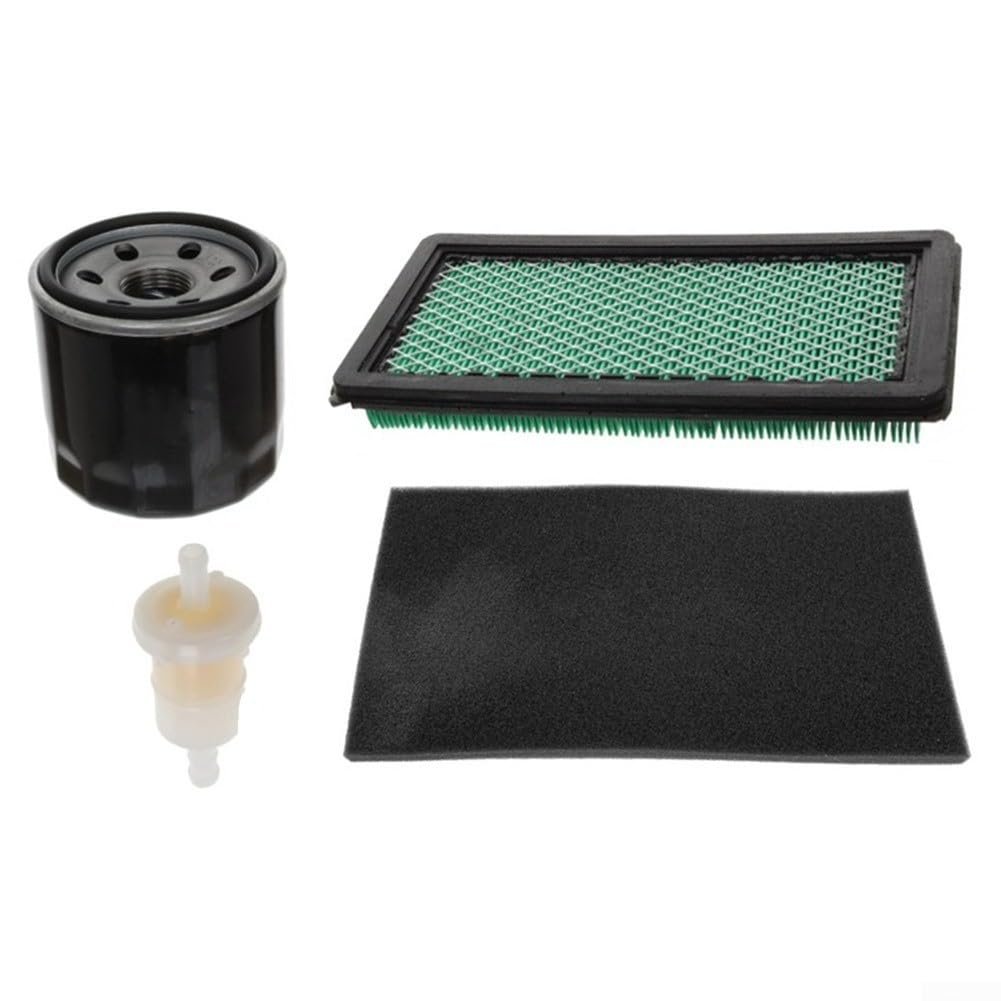
- Inspect the air filter.
- Remove and inspect the spark plug.
- Confirm the fuel valve is open.
- Check for clogged lines or a dirty carburetor.
- Look for loose wires, cracked hoses, and leaking gaskets.
- Test compression if the engine still will not run right.
This order works because most honda gxv530 engine problems come from simple issues, not major internal damage. A clean fuel system and a healthy spark solve a large share of complaints.
Credit: amazon.com
Fixes You Can Try at Home
Many GXV530 issues can be solved without special tools. Still, work carefully and follow safe service habits.
Replace Old Fuel
Drain stale fuel and refill with fresh gasoline. If possible, use fuel that is not too old. Old fuel is one of the most common hidden causes of poor starting and rough running.
If the machine has sat for a long time, clean the tank if needed. Sediment at the bottom of the tank can keep re-entering the fuel line.
Clean or Replace the Air Filter
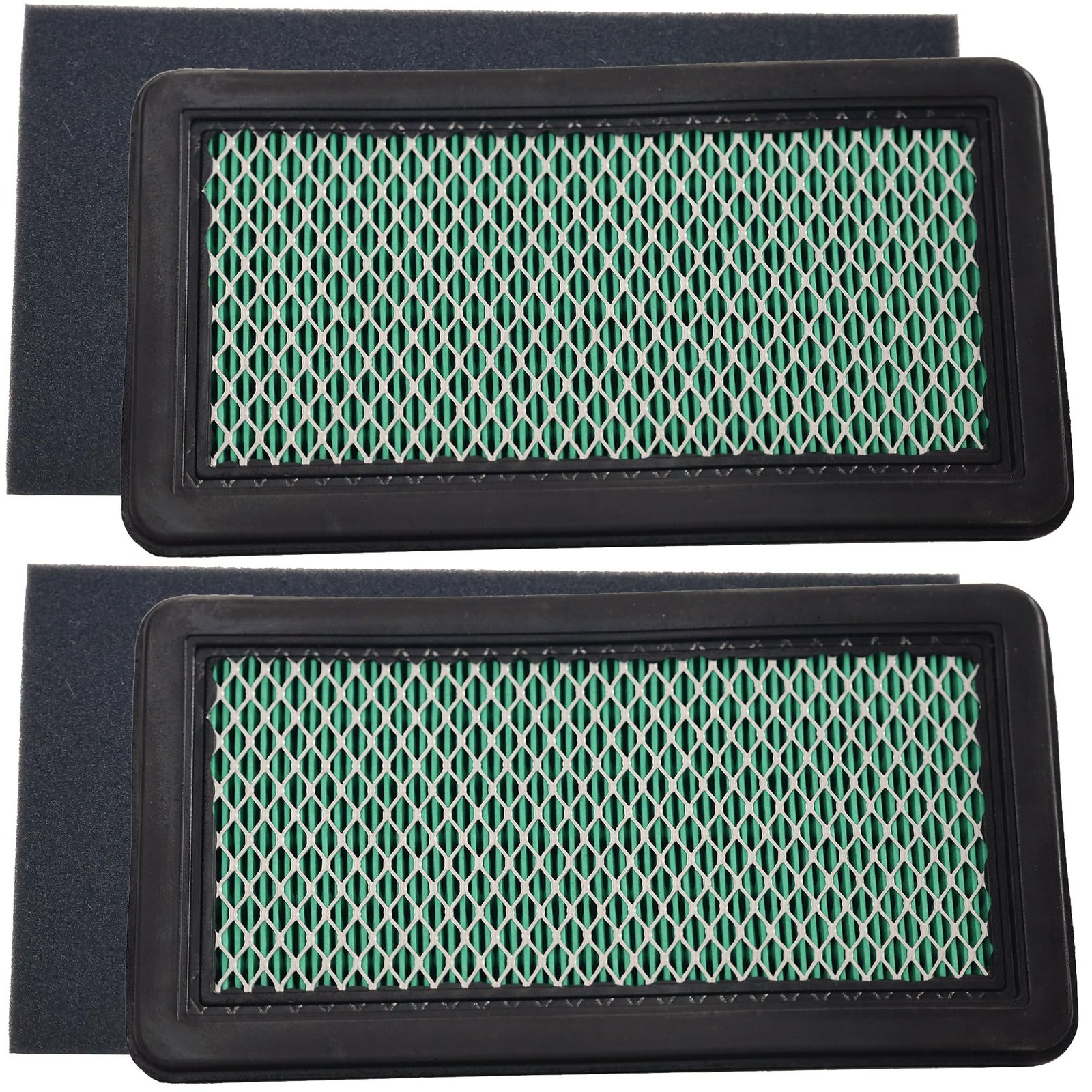
A dirty air filter restricts airflow and can create rich running, smoke, and power loss. Clean foam filters as recommended, or replace paper filters if they are dirty.
Never run the engine with no filter unless the service manual specifically allows it for testing only. Dirt can enter fast and cause internal wear.
Inspect the Spark Plug
Remove the plug and check the tip. If it is black, wet, or worn, clean or replace it. Also confirm the gap is correct for the model specification.
If the plug is wet with fuel after cranking, the engine may be flooding. If it is dry and pale, fuel may not be reaching the cylinder.
Clean the Carburetor
If the engine surges, starts and dies, or will not idle well, the carburetor may need cleaning. Remove the bowl, clean the jets, and make sure all small passages are open.
Use care with soft parts. A damaged float needle or gasket can create new problems. If the carburetor is badly varnished, a rebuild kit or replacement may be the better choice.
Check for Air Leaks
Inspect the intake manifold, carburetor mount, and gaskets. Loose bolts, cracked boots, or failed gaskets can cause lean running and surging.
A common mistake is tightening parts without checking the gasket surface. If a gasket is damaged or warped, tightening alone will not seal it.
Adjust Valves if Needed
If the engine is hard to start when hot, loses power, or has low compression, valve clearance may be too tight. This is a deeper repair, but it is often the real solution on older engines.
Valve adjustment should be done carefully and to Honda’s specifications. If you are unsure, it is better to have a qualified technician do this step.
Clean Cooling Passages
Remove dirt, grass, and debris from around the cylinder fins and blower housing. This helps the engine stay cooler and prevents heat-related wear.
Use compressed air or a soft brush if needed. Do not pack debris deeper into the fins.
When the Problem Is More Than Basic Maintenance
Some symptoms suggest deeper engine wear, not just a dirty filter or bad fuel. If you see any of the signs below, basic cleaning may not be enough.
- Very low compression
- Heavy oil burning
- Knocking noises from inside the engine
- Metal particles in the oil
- Repeated overheating
- Major power loss even after fuel and spark checks
These signs often point to piston, ring, valve, or bearing wear. At that stage, a compression test and more detailed inspection are smart next steps.
If you want a technical reference for safe engine maintenance practices, the Honda Engines site is a useful place to check official information and model support.
Credit: fairfieldcitymowers.com.au
Common Mistakes People Make During Diagnosis
Many owners lose time because they test the wrong thing first. A few mistakes show up again and again.
Replacing parts without testing
People often buy a new carburetor, spark plug, or coil before checking fuel quality or air leaks. This can waste money and hide the real issue.
Using bad fuel after repair
Cleaning the carburetor will not help if the tank still contains stale gasoline. Fresh fuel matters more than many people think.
Ignoring heat and airflow
Some engines run fine in cooler weather but fail in hot weather because cooling passages are clogged. That is why overheating should be checked even if the engine still starts.
Skipping compression checks
If the engine has strong spark and clean fuel but still runs poorly, compression is often the missing test. This is one of the most overlooked steps in diagnosing honda gxv530 engine problems.
Preventing Future GXV530 Problems
The best fix is good prevention. Small habits can greatly extend engine life.
- Use fresh fuel and store it properly.
- Change oil on schedule.
- Clean the air filter often.
- Inspect the spark plug regularly.
- Keep cooling fins and the muffler area clean.
- Drain fuel before long storage if recommended for your setup.
One practical tip many owners miss: run the engine long enough after seasonal storage so the fuel system gets fresh flow. Short starts that never reach operating temperature can leave moisture and residue behind.
Another smart habit is to listen for small changes. A new rattle, slight surge, or harder start is often the earliest warning that maintenance is due. Catching it early is much cheaper than waiting for a breakdown.
Quick Symptom Guide
The table below can help you match a symptom to a likely cause faster.
| Symptom | Likely Cause | Best First Fix |
|---|---|---|
| Hard starting | Old fuel, dirty carburetor, weak spark | Replace fuel, inspect plug, clean carburetor |
| Starts then dies | Fuel starvation, tank vent issue | Check fuel cap vent and fuel flow |
| Rough idle | Air leak, dirty filter, carburetor dirt | Inspect filter and intake seals |
| Loss of power | Restricted fuel, low compression, valve issues | Check fuel system and compression |
| Black smoke | Rich mixture, choke problem, dirty filter | Inspect choke and air filter |
| Blue smoke | Oil burning, overfill, wear | Check oil level and engine condition |
Credit: amazon.com
Final Thoughts
Most honda gxv530 engine problems are not mysterious. They usually come from fuel issues, dirty parts, air leaks, weak ignition, or poor maintenance. That is why a step-by-step check works better than random part swapping.
If you keep the fuel fresh, clean the air path, inspect the spark plug, and watch for heat buildup, the GXV530 can stay reliable for a long time. When problems do appear, start simple, test carefully, and move to deeper checks only if needed.
FAQs
1. Why does my Honda GXV530 crank but not start?
The most common reasons are stale fuel, a clogged carburetor, a weak spark plug, or a closed fuel valve. Start by checking fuel flow and spark before moving to deeper repairs.
2. What causes a GXV530 to surge up and down?
Surging usually points to a fuel-air mix problem. Dirty carburetor passages, an air leak, old fuel, or a blocked filter are the most common causes.
3. Can bad fuel really cause major engine problems?
Yes. Old fuel can clog the carburetor, cause hard starting, and make the engine run rough. In some cases, it is the main reason the engine will not start at all.
4. Why does my GXV530 lose power when working hard?
Power loss under load can come from fuel restriction, weak spark under pressure, overheating, or valve clearance problems. If the engine only fails when loaded, do not rule out compression issues.
5. When should I take the engine to a mechanic?
If the engine has low compression, makes knocking noises, burns a lot of oil, or still runs badly after basic checks, professional service is the safest next step.