
If your tractor starts but the PTO will not engage, you are dealing with one of the most common Ford 2610 PTO problems. The good news is that many of these faults come from a short list of causes, and several can be checked without special tools.
The PTO system on a Ford 2610 is simple enough to diagnose if you follow the right order. In most cases, the issue is low hydraulic pressure, worn linkage, bad clutch adjustment, or damaged internal parts. The trick is to separate a small external problem from a deeper transmission or PTO gear issue.
Below, you will learn the most likely symptoms, the real causes behind them, and the fixes that make sense first. You will also see how to test the system step by step, so you do not waste time replacing parts that are still good.
For wider troubleshooting context, compare this guide with Ford tractor PTO problems, Ford 4000 hydraulic lift problems.
How the PTO system on a Ford 2610 actually works
Before chasing Ford 2610 PTO problems, it helps to understand what the PTO needs to do its job. The PTO shaft transfers engine power to an attached mower, baler, pump, or other implement. On this tractor, that power path depends on clutch action, linkage movement, and internal transmission components working together.
When the PTO is not behaving, the cause is often not the shaft itself. The problem may start with a clutch that is not releasing correctly, a worn engagement lever, or low hydraulic oil that affects how the tractor operates under load. That is why a tractor can seem fine at idle but fail the moment an implement is connected.
One detail many owners miss is that a PTO problem can show up as partial failure, not complete failure. The shaft may spin weakly, slip under load, or stop after warming up. Those clues matter, because they point toward wear, adjustment, or pressure loss instead of a totally broken shaft.
Live PTO and why symptoms can be confusing
Depending on the configuration, the Ford 2610 may behave differently from tractors with a simple direct-drive PTO. That means the PTO can sometimes keep moving even when the tractor is not driving forward, or it may stop when the clutch is pressed. This often confuses owners who expect one simple on/off action.
If the tractor starts, shifts normally, and moves well but the PTO acts strange, do not assume the shaft is the only issue. A hydraulic or clutch-related fault can create symptoms that look like a PTO failure, even when the rear output parts are still intact.
Common symptoms that point to PTO trouble
The fastest way to narrow down Ford 2610 PTO problems is to match the symptom to the likely fault. Some signs point to adjustment issues. Others point to worn internal parts. A few can mean you have more than one problem at the same time.
| Symptom | What it usually means | First check |
|---|---|---|
| PTO will not engage at all | Linkage, clutch, or internal drive failure | Lever movement and clutch adjustment |
| PTO spins but slips under load | Worn clutch, weak pressure, or internal wear | Hydraulic oil level and clutch pedal free play |
| PTO grinds when shifting on | Clutch not fully disengaging or damaged gears | Pedal travel and linkage condition |
| PTO works cold, fails hot | Oil thinning, pressure loss, or heat-related wear | Hydraulic system condition |
| PTO shaft turns when it should be off | Dragging clutch or stuck linkage | Selector lever and clutch release |
A slipping PTO is easy to miss at first. The shaft may look normal with no load, but once a mower or brush cutter is attached, the implement slows down, stalls, or sounds like it is laboring. That usually means the problem is not the implement itself.
Another clue is heat. If the tractor works for 10 to 20 minutes and then the PTO starts acting up, think pressure loss, worn friction surfaces, or oil that is too dirty to flow correctly. Heat often exposes a weakness that is hidden when the machine is cold.
The most common causes of Ford 2610 PTO problems
Most PTO failures on this tractor come from a short list of causes. If you start with the most likely ones, you save time and avoid unnecessary teardown. In many cases, the fix is simple once the real cause is found.
1. Incorrect clutch adjustment
Clutch adjustment problems are one of the top reasons the PTO will not act correctly. If the pedal free play is off, the clutch may not fully release or fully engage. That creates grinding, slipping, or a PTO that stays partially active when it should be stopped.
Small clutch errors can cause big symptoms. Even a few millimeters of wrong pedal travel can change how the PTO engages. This is why checking adjustment should always come before deeper repair work.
2. Low, dirty, or wrong hydraulic oil
The Ford 2610 uses hydraulic oil for more than one function, so poor oil condition can affect PTO behavior. Low oil can cause weak operation, and dirty oil can make valves and passages work poorly. If the oil looks milky, dark, or full of debris, the system is already telling you something is wrong.
Oil condition matters more than many owners expect. Contaminated oil can create slow response, noisy operation, and inconsistent PTO engagement. If the tractor has sat for a long time, moisture inside the system can also lead to corrosion and sticky movement.
3. Worn PTO engagement linkage
Mechanical linkage wear is common on older tractors. Pins, bushings, and levers can loosen over time, so the control you move at the seat does not fully reach the internal shift parts. The result is a PTO that feels like it is engaging, but never locks in properly.
This is one of the easiest faults to overlook because the handle still moves. But if the travel is sloppy or the lever has too much free movement, the problem may be outside the transmission case, not inside it.
4. Damaged clutch pack or internal drive parts
If simple checks do not solve the issue, internal wear may be the reason. The PTO clutch pack, gears, or related drive components can wear down after years of use. That can cause slipping under load, no drive at all, or rough engagement.
Internal wear usually comes with stronger warning signs. Metal noise, repeated slippage, or failure that keeps getting worse are all red flags. At that point, the problem is not just adjustment anymore.
5. PTO selector or engagement lever problems
A bent, sticky, or damaged selector lever can keep the PTO from moving into the right position. Sometimes the lever feels stiff because of rust or debris. Other times, it moves, but not far enough to complete the shift.
This is a good example of a non-obvious issue many beginners miss. A tractor can seem to have a deep internal fault when the real problem is a seized external lever or weak return action.
6. Worn seals or pressure loss in the hydraulic system
If the PTO works poorly only after running for a while, pressure loss may be the cause. Worn seals, internal leakage, or a tired pump can reduce system pressure enough to affect performance. The PTO may still spin, but it will not hold up under load.
That kind of problem usually gets worse slowly. You may notice the tractor takes longer to respond, or the PTO slips more during heavy work than during light use. That pattern points to pressure loss rather than a sudden mechanical break.
How to diagnose the problem step by step
Good diagnosis starts with the easiest checks. Do not open the transmission first. Many Ford 2610 PTO problems can be narrowed down with a flashlight, a clean rag, and careful observation.
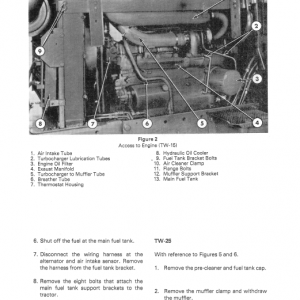
Credit: therepairmanual.com
1. Check the PTO lever and linkage movement
Move the PTO control and feel for stiffness, looseness, or unusual resistance. The lever should move smoothly and reach its intended position without binding. If it feels sloppy or only partly shifts, inspect the linkage for wear, bent parts, or rust.
Look for missing pins, worn holes, or disconnected rods. These small parts can fail before anything inside the case does. That is why a visual check is worth doing first.
2. Inspect hydraulic oil level and condition
Check the oil level according to the tractor’s service points and look at the oil itself. Clean oil should not look burnt, milky, or full of grit. If the oil is contaminated, change it before assuming the PTO is damaged.
If you are unsure about the correct fluid type or service points, use the official owner’s manual and service information approach as a model for following manufacturer guidance. The exact Ford manual is the best reference for your tractor, especially for fluid specifications and adjustment settings.
3. Test clutch free play
Measure the clutch pedal free play and compare it with the specification in the tractor manual. Too little free play can keep the clutch from fully engaging. Too much can prevent proper release and cause gear clash or PTO drag.
This step matters because PTO trouble is often blamed on the shaft when the clutch is the real cause. On older tractors, small wear changes can move the setting out of range over time.
4. Listen for abnormal noise under load
Start the tractor safely and engage the PTO with no implement attached, then listen carefully. Grinding, knocking, or a dry rattling sound can point to gear wear or a bad internal drive part. A clean, smooth sound is more encouraging, even if the PTO still needs adjustment.
If the PTO works with no load but fails when something is attached, the shaft itself is usually not the root problem. That pattern suggests weak engagement, slipping, or pressure loss.
5. Separate implement trouble from tractor trouble
Try a different implement if possible. A jammed mower gearbox or bent driveline can mimic PTO failure. If the second implement behaves the same way, the tractor is the likely source of the issue.
This simple swap can save hours of guessing. It is one of the most useful diagnostic steps because it helps you rule out the attached machine before tearing into the tractor.
Fixes that solve the problem most often
Once you know the cause, start with the least invasive repair. The most effective fixes for Ford 2610 PTO problems are often the simplest ones. Many owners spend too long looking for major damage when a linkage adjustment or oil service would have solved it.
Credit: brokentractor.com
Adjust the clutch and linkage correctly
If the pedal free play is wrong, set it to the correct specification. Tighten worn adjusters, replace damaged bushings, and make sure the linkage reaches full travel. After adjustment, test the PTO again under light load first, then under normal load.
Do not guess at the setting. The wrong adjustment can create new problems even if it seems to help at first. A small improvement followed by repeated slipping usually means the setting is still off or the clutch is already worn out.
Change contaminated hydraulic oil and filters
Drain old oil if it is dirty, milky, or clearly past its useful life. Replace filters if the tractor setup uses them. Fresh oil helps the system build and hold pressure more consistently, which can restore normal PTO operation in some cases.
One non-obvious benefit of clean oil is better cold-start behavior. Many tractors act fine when warm but struggle when old oil is thick and dirty. Fresh fluid often improves both response and noise.
Repair or replace worn linkage parts
Replace sloppy pins, bushings, springs, and levers that no longer hold position. These parts are inexpensive compared with internal transmission work, and they often restore full engagement. Make sure all fasteners are tight and the lever travel is smooth after repair.
If the PTO control is hard to move, clean rust and debris before forcing it. Forcing a stiff lever can bend parts that were still usable.
Replace damaged internal components when needed
If the PTO still slips after adjustment and oil service, internal repair may be necessary. Worn gears, clutch packs, or shafts must be replaced with correct parts. This is a deeper job, and it may require splitting the tractor or removing major components.
At this stage, parts quality matters. Cheap replacements can create more noise, poor fit, or short service life. Measure carefully and match the correct Ford 2610 configuration before ordering anything.
Check for seal failure and pressure leaks
If symptoms get worse as the tractor warms up, inspect for leaking seals or internal pressure loss. Repairing a seal problem early can prevent damage to more expensive parts. The longer the machine runs with low pressure, the more wear it can create.
A common mistake is to keep using the tractor because the PTO still “sort of works.” That is risky. Weak engagement can lead to heat buildup and expensive internal damage later.
Problems beginners often miss
Some of the most frustrating Ford 2610 PTO problems are the ones that look like major failures but are actually small issues. Beginners often focus on the shaft and forget the rest of the system. That mistake can lead to wasted money and repeated repairs.
Cold oil can hide a weak system
A tractor may seem fine when first started, then fail later under load. That does not always mean the PTO is “randomly” failing. Thick or worn oil can mask weak seals or tired components until the system heats up and pressure drops.
Implement load can change the diagnosis
A PTO that works with no load does not always mean the tractor is healthy. Light testing only proves part of the system. Heavy implements expose problems that a free-spinning shaft will never show.
Noise is not the only warning sign
Some owners wait for loud grinding before acting. That is too late. Slipping, delayed engagement, and heat-related failure are earlier signs, and they are often easier to fix. Paying attention early can save the shaft, gears, and clutch from more damage.
When to stop troubleshooting and get help
If the PTO still fails after linkage adjustment, oil service, and basic testing, the issue may be inside the transmission or PTO assembly. At that point, a professional mechanic or experienced tractor technician can save time and reduce the risk of incorrect disassembly.
Call for help sooner if you find metal in the oil, hear repeated grinding, or see major leakage. Those are signs of internal wear that often need deeper repair. Also get help if you do not have the tools to measure clutch settings or safely handle heavy components.
If you are working around a spinning PTO, keep safety in mind. The PTO shaft can grab clothing fast, so shut the tractor down before inspecting moving parts and keep guards in place whenever possible. For general tractor and machine safety guidance, follow recognized safety advice from trusted sources such as your tractor’s manual and official safety information.
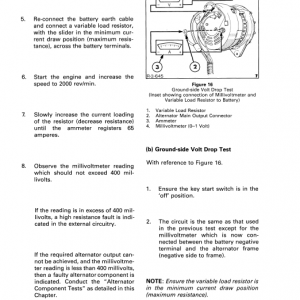
Credit: therepairmanual.com
Preventing future PTO failures
The best way to reduce Ford 2610 PTO problems is simple maintenance. Check fluid level often, keep the linkage clean, and do not ignore a slipping clutch. Small problems grow fast on older machines.
Use the PTO gently when engaging heavy implements. Sudden load changes create extra stress on worn parts. It also helps to store the tractor where moisture will not collect around the linkage and control points.
Another smart habit is to inspect the system before the busy season starts. A 15-minute check in advance is much better than losing the tractor in the middle of mowing or baling. For a machine of this age, prevention is usually cheaper than repair.
Final takeaway
Most Ford 2610 PTO problems come down to a few core issues: wrong clutch adjustment, worn linkage, contaminated oil, pressure loss, or internal wear. Start with the simple checks first, because many failures look bigger than they really are.
If the PTO slips under load, acts worse when hot, or makes grinding noise, do not keep using it blindly. Diagnose the symptom, match it to the likely cause, and fix the small stuff before opening the tractor. That approach saves money, time, and parts.
Frequently asked questions
1. Why does my Ford 2610 PTO engage sometimes and not others?
That usually points to worn linkage, clutch adjustment problems, or a pressure issue that gets worse as the tractor warms up. If the PTO is inconsistent, check the control travel and oil condition first.
2. Can low hydraulic oil cause PTO problems on a Ford 2610?
Yes. Low or dirty hydraulic oil can reduce system performance and make the PTO weak, slow, or unreliable. It is one of the first things to inspect before deeper repair work.
3. What does it mean if the PTO spins but slips under load?
Slipping under load usually means the clutch is worn, adjustment is off, or internal drive parts are tired. A free-spinning PTO does not always mean the system is healthy.
4. Is it safe to keep using the tractor if the PTO is weak?
No, not for long. Weak PTO operation can create heat, extra wear, and internal damage. It is better to diagnose the cause before the problem becomes more expensive.
5. When should I take the tractor to a technician?
If you find metal in the oil, hear grinding noises, or still cannot fix the PTO after basic checks, it is time for a technician. Internal repairs often need special tools and careful setup.