
Ants in a veggie garden are common, but they do not always mean trouble. If you want to know how to keep ants out of veggie garden beds without harsh chemicals, the good news is that natural control works well when you focus on the real cause.
Most of the time, ants show up because they found food, dry soil, or pests like aphids. That means the best fix is not just “kill ants.” It is to make your garden less attractive to them, block their paths, and remove the conditions that bring them back.
With the right mix of cleanup, watering, barriers, and gentle natural treatments, you can protect young plants, reduce ant traffic, and keep your vegetables healthy. Some methods work fast, while others prevent repeat problems. The key is using the right tool for the right job.
Start by finding what is attracting the ants
Before you treat anything, look closely at why ants are there. In a veggie garden, ants usually move in for one of four reasons: food, moisture, shelter, or other insects. If you miss the trigger, the ants often return within days.
The most common hidden cause is aphids or scale insects. These pests feed on plant sap and leave behind a sweet substance called honeydew. Ants love honeydew, so they protect the pests and stay near the plants. That is why a garden with ants often has curled leaves, sticky stems, or crowded colonies on tender shoots.
Dry, loose soil is another big reason. Ants often build nests in warm, sandy, or disturbed ground. Raised beds, paths, and mulch edges are easy entry points. If your soil dries out too fast, ants may also move deeper into root zones where the soil stays more stable.
Check these spots first
- Under leaves with sticky residue
- Around stems with aphids or tiny soft-bodied insects
- Along bed edges, cracks, and mulch lines
- Near compost, fallen fruit, or old plant debris
- In very dry patches of soil
When you find the source, your control plan gets much easier. If aphids are present, removing ants alone will not solve the issue. If the soil is too dry, watering changes may do more than any spray. This is the first non-obvious lesson many gardeners miss: ants are often a symptom, not the main problem.
Use simple garden cleanup to make the space less inviting
Clean gardens get fewer pest problems. Ants prefer places with easy access to food and cover, so a little routine cleanup can make a big difference. This is one of the easiest natural methods because it works all season, not just once.
Start by removing dropped fruit, rotting vegetables, and plant debris. Even a few soft tomatoes or fallen beans can feed ants and other insects. Pull weeds near the beds too, because dense weed growth gives ants extra shelter and makes it harder to spot pest activity early.
Keep mulch away from direct contact with stems. Mulch is useful, but thick piles right against plant crowns can create hidden pathways and nesting spots. Leave a small open ring around each plant base so ants have fewer protected places to travel.
Good cleanup habits that help
- Pick up fallen produce every 1 to 2 days
- Remove dead leaves and broken stems weekly
- Store compost in a closed bin if possible
- Keep tools and pots off the soil when not in use
- Trim back dense groundcover near garden borders
One small detail matters more than many gardeners expect: ants often follow the same trail again and again. Once they find a food source, they leave scent markers for other ants. So if you clean up the food but leave a sticky trail on a plant or path, the colony may still return. Wiping down affected stems and nearby surfaces can break that loop faster than people think.
Control aphids first if ants are farming them
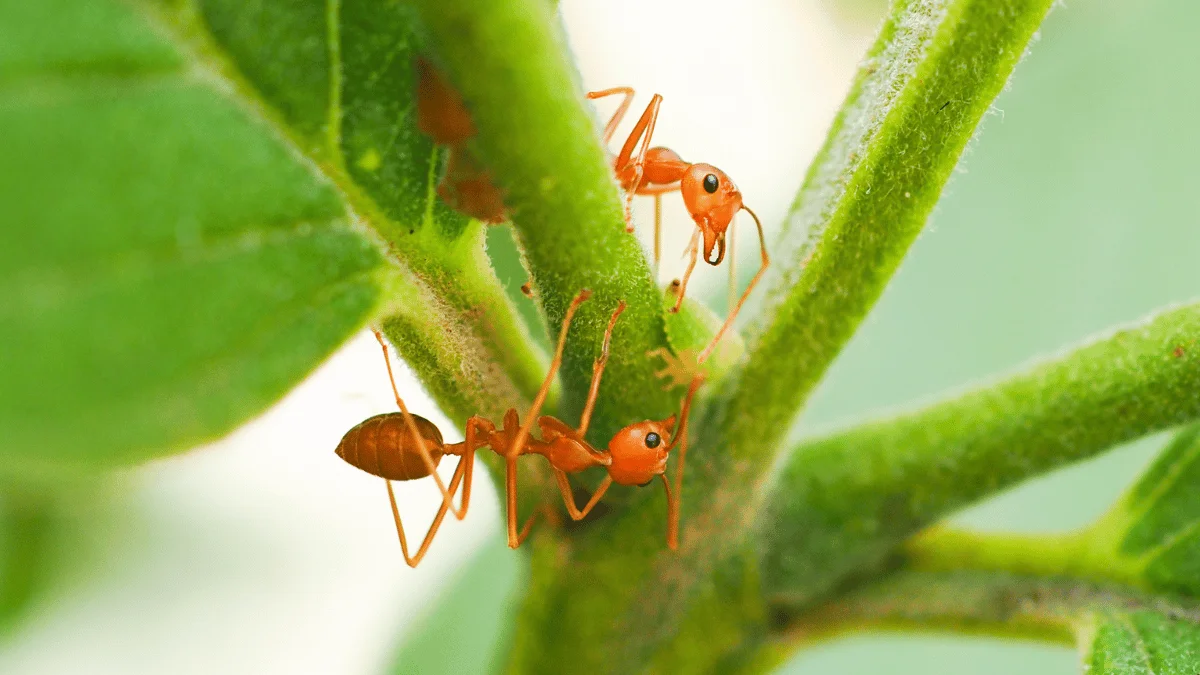
If you see ants moving up and down plant stems, check for aphids. In many gardens, aphids are the real reason ants stay. Ants do not usually eat healthy veggie plants directly. They protect aphids because the aphids supply honeydew. Remove the aphids, and the ants often lose interest.
For light aphid problems, use a strong spray of water on the undersides of leaves. A garden hose with a focused nozzle can knock them off without harming the plant. Do this in the morning so leaves dry faster and fungal issues stay lower.
You can also use insecticidal soap or diluted neem oil if the infestation is heavier. Apply only as directed on the product label, and avoid spraying during the hottest part of the day. Some tender leaves can burn if treated in direct sun, especially when temperatures rise above 85°F, or about 29°C.
Signs aphids are the real issue
- Leaves curl, twist, or look sticky
- Ants cluster around soft new growth
- You see tiny green, black, or yellow insects on stems
- Plants feel weak even though the soil is fine
Here is the part many beginners miss: if you only stop the ants, aphids may spread even faster because the ants are no longer “guarding” the colony, but the pest population still remains. That means the fix should target both pests when they appear together. In practice, the better order is usually: remove aphids, then reduce ant access.
If you want a safe, general reference for garden pest handling and chemical use, the EPA guidance on safe pest control is a useful starting point.
Create barriers ants do not like crossing
Physical barriers are one of the best natural tools because they do not depend on weather or repeated spraying. They work by interrupting ant trails and making it harder for ants to reach the plants. For raised beds and high-value vegetables, this can be very effective.
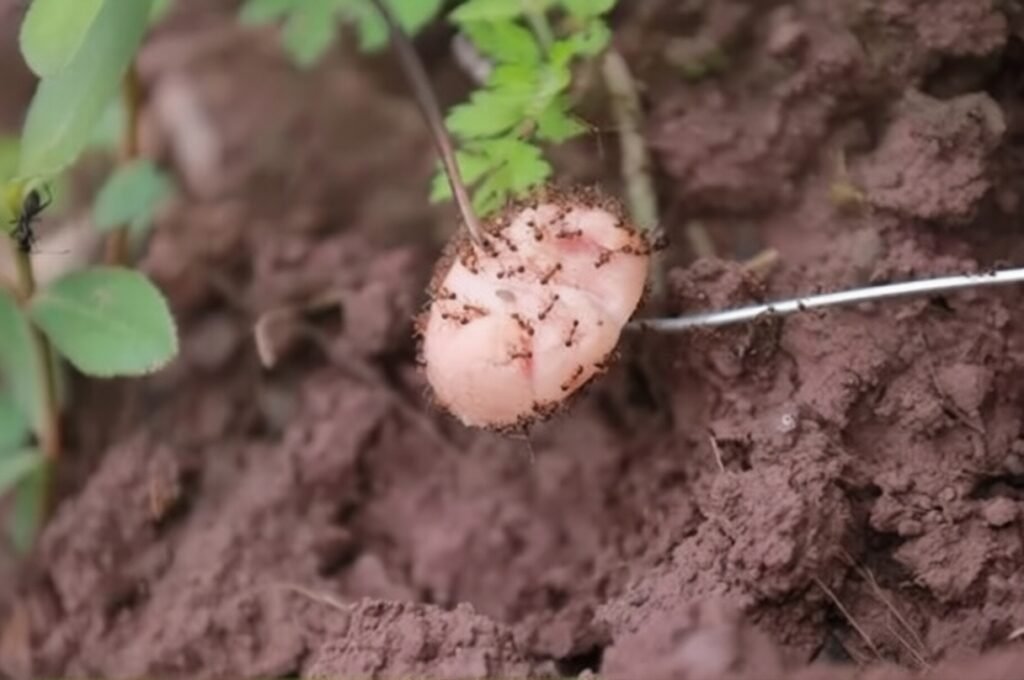
Diatomaceous earth is a common option. It is a fine powder made from fossilized algae, and it can damage the outer layer of crawling insects. Use only food-grade diatomaceous earth, and apply a thin, dry band around bed edges or entry points. If it gets wet, it loses much of its effect and must be reapplied.
Another option is sticky barriers on supports or around plant stakes, but use them carefully so beneficial insects do not get trapped. For beds on soil, copper tape or plant collars can help around containers and some structures, but they work best as part of a broader plan rather than as a single fix.
Credit: balconygardenguide.com
Barrier methods compared
| Method | Best use | Main strength | Main limit |
|---|---|---|---|
| Diatomaceous earth | Dry bed edges, paths, entry lines | Good natural contact control | Less effective when wet |
| Copper tape | Containers, planters, some raised edges | Creates a physical obstacle | Not ideal for open soil beds |
| Sticky barriers | Stakes and supports | Stops climbing ants | Needs careful placement |
Barriers work best when the garden is dry enough for ants to travel on the surface. If your beds are damp or heavily mulched, ants may simply go around the barrier. That is why barriers should be paired with cleanup and moisture control, not used alone.
Manage watering so the soil is healthy but not ant-friendly
Watering affects ants more than many gardeners realize. Dry, cracked soil can invite nesting, while overly wet soil can drive ants to higher, safer spots. Your goal is steady moisture, not extremes. Healthy soil also supports stronger plants, and strong plants tolerate pest pressure better.
Water deeply but less often when possible. This encourages roots to grow downward and reduces dry pockets near the surface where ants like to tunnel. A shallow daily sprinkle can leave the top layer attractive to ants while doing little for root health.
If you use raised beds, check how fast they dry. Raised beds and sandy soil can lose moisture quickly, especially in hot weather. Adding compost improves water retention and soil structure. In many gardens, a 2-inch to 3-inch layer of compost worked into the top few inches can make the bed less prone to cracking and nesting.
Watering habits that help
- Water early in the morning.
- Soak the root zone, not just the surface.
- Check soil moisture 2 inches down before watering again.
- Use mulch lightly, and keep it off plant stems.
- Fix irrigation leaks, because wet-dry cycles attract pests.
A useful rule is simple: if the top soil is dusty, but the soil 2 inches down is still cool and slightly moist, wait. This prevents overwatering while still discouraging ant nesting in dry surface layers. Stable moisture also reduces stress on lettuce, peppers, and other shallow-rooted vegetables that suffer quickly from irregular watering.
Use natural repellents in the right places
Natural repellents can help, but they work best as support tools, not the main strategy. Strong scents may confuse ants or push them away from a trail for a while. They do not usually eliminate a colony, but they can protect specific entry points or problem areas.
Common options include cinnamon, peppermint oil, vinegar sprays, and citrus peels. These are best used on non-edible surfaces, bed borders, or walkways. Do not spray vinegar directly on plant leaves unless you know the plant can tolerate it, because acid can damage soft tissue.
For a safer garden approach, place repellents along the outer edge of beds or on nearby hard surfaces. Reapply after rain. If you use essential oils, dilute them well and test a small area first. Strong mixes can harm plants, confuse pollinators, or dry out tender foliage.

Credit: reddit.com
Natural repellent options and how to use them
- Cinnamon: Sprinkle a light line on dry paths or bed edges.
- Peppermint oil: Use diluted spray on hard surfaces, not on edible leaves.
- Vinegar: Wipe trails and non-plant surfaces only.
- Citrus peels: Place near entry areas, then replace often.
One insight that helps a lot: repellents work better when you find the exact trail. Randomly spraying the whole garden wastes effort and can bother beneficial insects. Follow the ant trail back to the entry line, then treat that narrow zone. This focused approach usually gives better results with less product.
Use traps only when you need to cut the colony down
Sometimes you need more than repellents and barriers, especially if ant numbers are high. Natural bait traps can reduce the colony over time by targeting worker ants that carry bait back to the nest. This works better than spraying ants on sight, because the nest is the real target.
For garden safety, choose baits carefully and keep them away from edible crops. Use enclosed bait stations where possible, and place them along trails rather than in planting soil. That lowers the chance that helpful insects or pets will contact the bait.
Do not use bait if you are unsure whether pets, birds, or children can reach it. Ant control should never create a bigger problem. If you need a stronger solution, target the nest directly with a method that matches your space and safety needs.
When bait makes sense
- Ant trails are active every day
- There are multiple nests around the garden border
- Cleanup and barriers have not lowered activity enough
- Vegetables are being disturbed near roots or stems
Here is another point many gardeners miss: bait is slow on purpose. If ants die too fast, they cannot carry the bait home. So results may take several days or even 2 weeks. That can feel frustrating, but it is normal. If you want quick visible removal, combine bait with trail cleanup and plant protection.
Keep ants from coming back with a simple garden routine
Natural ant control works best as a routine, not a one-time fix. Once the colony is reduced, your job is to make the garden less attractive long term. A few weekly habits are usually enough to stop most repeat problems.
Walk the garden every few days and look for fresh trails, aphids, or new nesting spots. Early detection matters because a small ant line is much easier to stop than a large colony spread across several beds. Catching the first trail can save you from a bigger cleanup later.
Seasonal changes also matter. In hot, dry weather, ants move deeper into beds and edges. After heavy rain, they may relocate to higher ground or drier structures. Knowing these patterns helps you check the right spots at the right time.
A practical weekly routine
- Inspect plant stems and leaf undersides for aphids.
- Remove fallen fruit and damaged produce.
- Refresh dry barriers after rain or watering.
- Check mulch edges and path cracks for trails.
- Water deeply if the top layer is drying too fast.
If you keep repeating this routine, ant pressure usually drops a lot. You may still see a few scouts, and that is normal. The goal is not total sterility. The goal is a garden where ants cannot build a stable presence or protect pest colonies for long.
In other words, the best answer to how to keep ants out of veggie garden spaces is not one magic spray. It is a smart system: remove food sources, fix aphids, block trails, manage moisture, and keep the beds clean.
Common mistakes that make ant problems worse
Many gardeners accidentally help ants while trying to stop them. One common mistake is spraying visible ants without checking for aphids. Another is piling mulch too thickly around stems, which creates a hidden tunnel system. A third is using sweet baits too close to crops without a clear plan.
Overwatering is another issue. Some people flood the bed to drive ants out, but that can stress plants, wash away nutrients, and create muddy, unstable soil. The better move is steady moisture, not a dramatic soak. If the soil is already compacted, poor drainage can also make roots weak and more vulnerable.
Do not forget nearby structures either. Ants often enter from path cracks, stacked pots, raised-bed corners, or wood edging. If you only treat the plants, the colony may keep using the garden border as a highway. Treat the whole route, not just the vegetables.
Credit: rasnetwork.org
When to get extra help
If ant activity stays high after several weeks, or if you suspect a large nest inside a wall, deck, or structural wood near the garden, it may be time to call a professional. That is especially true if you see repeated nesting in the same protected area or signs of carpenter ants in damp wood. Safety and property damage matter more than trying to handle every case naturally.
Frequently asked questions
How do I keep ants out of veggie garden beds without harming my plants?
Start by removing aphids, fallen fruit, and plant debris. Then use barriers like diatomaceous earth on dry edges and keep mulch away from stems. These steps reduce ant traffic without spraying the plants directly.
Do ants hurt vegetable plants?
Most ants do not eat healthy vegetable plants. They usually show up because of aphids, honeydew, or nesting space. The bigger problem is often the pests ants protect, not the ants themselves.
Will cinnamon really keep ants away?
Cinnamon can help disrupt trails for a short time, especially on dry paths or bed edges. It is best used as a support method, not a full solution. Reapply after rain or watering.
Is diatomaceous earth safe for vegetable gardens?
Food-grade diatomaceous earth is commonly used in gardens when applied carefully. It works best when dry and should be kept away from flowers and beneficial insects as much as possible. Follow the label directions.
How long does it take to get rid of ants naturally?
Small problems may improve in a few days if the food source is removed. Bigger colonies can take 1 to 2 weeks or longer, especially if you use bait. Consistent cleanup and trail control make the biggest difference.