
Knowing when to mulch garden beds can make the difference between stressed plants and steady, healthy growth. Mulch is not just decoration. Used at the right time, it helps soil hold moisture, blocks weeds, and protects roots from heat and cold.
The best timing depends on your climate, your soil, and what is growing in the bed. Spring mulching is not always the answer, and fall mulching is not always too late. A smart schedule helps plants grow better and also improves soil over time.
Below, you’ll see the best times to mulch, when to wait, how much to apply, and the mistakes that quietly cause problems. If you want healthier plants and better soil, timing matters as much as the mulch itself.
Start with the season and your soil condition
The simplest answer to when to mulch garden beds is this: mulch after the soil has warmed up in spring, and again in fall if your garden needs winter protection. That sounds easy, but the details matter. If you mulch too early in spring, cold soil stays cold longer and plants may grow slowly.
Wait until the soil is workable and no longer soggy. In many areas, that means after the first flush of spring growth has started and daytime temperatures stay more stable. For most gardens, a soil temperature around 55°F to 65°F is a useful sign that it is time to mulch warm-season beds.
Fall mulching works differently. You are not trying to speed growth. You are trying to protect roots, reduce erosion, and keep soil covered before winter storms and freeze-thaw cycles. A layer added after the ground cools, but before hard freezes, often works best.
Why soil temperature matters more than the calendar
Many gardeners mulch by date, such as “mid-April every year.” That can work in a mild climate, but it misses one key point: the soil itself is the real signal. Mulch acts like a blanket. A blanket can be helpful, but if you use it too early on cool soil, it slows the warming your plants need.
This is especially important for vegetables, herbs, and perennial flowers that wake up slowly in spring. A thick mulch layer can delay new growth by several days or even weeks in cooler regions. That is not always a disaster, but it can matter if you want early harvests or strong root development.
How rain and soil moisture change the timing
Never mulch over waterlogged soil unless you are protecting a bed for winter and the bed drains well. Wet soil covered too soon can stay cold, compacted, and oxygen-poor. Roots need air as much as they need water.
At the same time, very dry soil should be watered before mulching. Mulch locks in the condition that is already there. If the ground is bone-dry, a mulch layer may help preserve that dryness instead of fixing it. A deep soak before mulching is often the smarter move.
The best times to mulch different parts of the garden
Different garden areas have different needs. Flower beds, vegetable rows, shrubs, and trees do not always want mulch at the same time. A bed with tender annuals needs a different schedule than a tree ring or a berry patch. Matching the timing to the plant type gives better results and avoids common problems.
| Garden area | Best time to mulch | Main goal |
|---|---|---|
| Vegetable beds | After soil warms in spring | Moisture control and weed suppression |
| Perennial flower beds | Mid to late spring, after new growth appears | Root protection and weed control |
| Shrubs and trees | Spring or fall | Stable soil moisture and insulation |
| Raised beds | After planting or once seedlings are established | Moisture retention without cooling seed zones |
| Winter protection beds | Late fall, after soil cools | Freeze protection and erosion control |
Vegetable gardens need a later start
In a vegetable garden, mulch usually comes after planting, not before. Seeds need warm soil to sprout well. A heavy layer laid too soon can keep the ground cool and slow germination. For warm-season crops like tomatoes, peppers, and squash, wait until seedlings are established and the soil has had time to warm.
One useful rule: mulch when plants are tall enough that the mulch will not bury the stem base. That often means a height of 4 to 8 inches for many transplants, depending on the crop. Keep mulch away from direct stem contact, especially for tomatoes and peppers.
Flower beds and shrubs can handle mulch earlier
Perennials, shrubs, and trees usually tolerate spring mulch better than vegetables. Their roots are deeper, and they do not rely on warm soil for seed germination. Still, the best time is after the ground has started warming and the plants show signs of active growth.
For shrubs and trees, mulch is most useful when spread in a wide ring, not piled against the trunk. A ring that reaches out toward the drip line helps more than a tight mound around the base. This is one of the most missed details in home gardens.
Raised beds need a careful middle ground
Raised beds warm faster than in-ground beds, so they often need mulch later in spring. If you mulch too early, you can slow the quick warming that makes raised beds so useful. On the other hand, raised beds dry out faster, so once the soil is ready, mulch is very helpful.
The best approach is simple: plant first, water well, then mulch lightly after the seedlings settle. For direct-sown crops, wait until the young plants are several inches tall and strong enough to push through a light covering around them.
When fall mulching helps most
Fall mulch is one of the most useful garden habits, but only when used for the right reason. You are not trying to feed rapid growth in fall. You are trying to protect the soil surface, reduce erosion, and steady the temperature around roots as weather turns unstable.
Mulch in fall after the soil has cooled but before hard freezes lock the ground. This timing helps avoid trapping extra heat near plants that should be going dormant. It also reduces the damage from winter wind and heavy rain. In many gardens, this is the best time to protect strawberries, perennials, and newly planted shrubs.
A useful exception: do not mulch too early around tender plants that still need to harden off. Some plants respond to warm covered soil by staying active too long, which can make winter injury more likely. Wait until growth slows naturally.
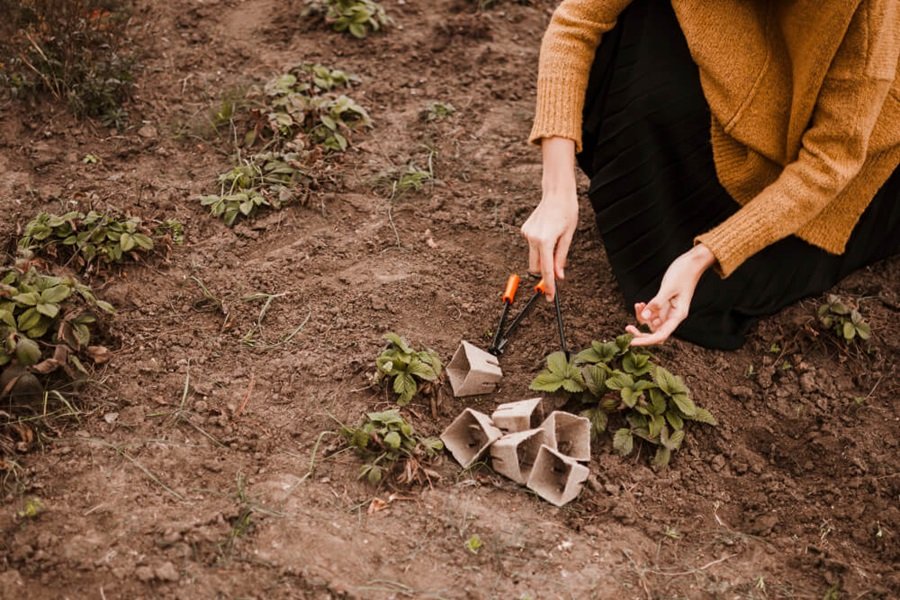
Credit: gardenbenches.com
Fall mulch works differently in cold and mild climates
In colder regions, mulch can prevent repeated freezing and thawing that lifts roots out of the soil. In milder climates, the bigger benefit may be moisture stability and weed reduction through winter. The timing still matters, but the goal changes by region.
If your area has deep winter freezes, a mulch layer of 2 to 4 inches can help perennials and shallow-rooted plants ride out temperature swings. In warmer zones, a thinner layer may be enough, since too much insulation can keep the soil overly warm and damp.
Which materials are best in fall
Shredded leaves are one of the best fall mulches because they are easy to get, they break down well, and they add organic matter to the soil. Straw, wood chips, and compost also work well depending on the bed. For vegetable beds, clean straw or chopped leaves often work better than thick bark.
Leaf mulch is often underused. Many gardeners bag leaves and send away free organic matter. When shredded, leaves can protect soil, support earthworms, and improve texture over time. That is a simple way to build better soil without extra effort.
For general guidance on how mulch affects soil health and garden performance, university extension services are a strong source; for example, this university extension mulch guide explains practical use in home landscapes.
How mulch improves plant health and soil over time
Good mulch does more than cover the ground. It creates a better growing environment above and below the surface. The top layer reduces evaporation, which means plants stay more even in dry spells. That matters because stress from repeated dry-wet cycles can weaken roots.
Mulch also reduces weed pressure. Fewer weeds mean less competition for water and nutrients. That is especially helpful in the first two years after planting, when shrubs, trees, and perennials are still establishing.
Over time, organic mulch breaks down and feeds soil life. Earthworms, fungi, and microbes help turn it into richer soil. This is one of the biggest long-term benefits. A garden that gets fresh organic mulch regularly often develops looser, healthier soil structure year after year.
Non-obvious benefit: mulch can protect soil biology
Healthy soil is not just dirt. It is a living system. Mulch shields that system from harsh sun, heavy rain, and rapid drying. Without that cover, the topsoil can crust or erode, which makes it harder for roots and beneficial organisms to work well.
This is why mulch is often better than bare soil, even in beds that look tidy without it. A covered surface stays more stable. Stability is good for roots, especially during heat waves or sudden storms.
Non-obvious benefit: mulch can reduce fertilizer loss
When rain hits bare soil, nutrients can wash away faster. Mulch slows runoff and helps keep nutrients in the root zone longer. That does not replace fertilizer, but it makes feeding more efficient. In practice, that means less waste and more useful moisture retention.
Compost-based mulch adds another layer of value because it can improve nutrient cycling as it breaks down. You still need to choose the right material for each bed, but the long-term soil payoff is real.
How to mulch without causing common plant problems
Mulching mistakes usually come from using too much, putting it in the wrong place, or timing it badly. The most common issue is covering the crown or trunk. Plants do not want mulch pressed against their stems. That traps moisture and can cause rot or bark damage.
Another common problem is making the layer too thick. More mulch is not always better. A layer of 2 to 4 inches is usually enough for most beds. Thicker than that, and water may have trouble reaching the soil, especially if the material is fine or packed down.
Also watch for mulch volcanoes around trees. They may look neat, but they are harmful. Keep mulch pulled back several inches from trunks and stems. The shape should be a low donut, not a mountain.
Credit: morningchores.com
Signs you mulched too early
- Soil stays cool for a long time after planting.
- Seedlings emerge slowly or unevenly.
- The bed stays damp for days after rain.
- Plants show weak early growth despite good watering.
Signs you mulched too late
- Weeds already took hold before mulch was added.
- Soil dried out too fast in early heat.
- Surface erosion or crusting started after rain.
- New transplants showed drought stress before the mulch went down.
Best depth and placement by material
Fine materials such as shredded leaves or compost usually need a slightly thinner layer because they settle quickly. Coarser materials such as wood chips can be a bit deeper. Still, avoid going past what the bed needs. A neat, even layer works better than a thick pile.
Keep mulch a few inches away from crowns, stems, and trunks. That one habit prevents a lot of rot and pest problems. It also allows air to move around the base of the plant, which matters more than many beginners think.
Simple timing rules for different garden goals
If your main goal is weed control, mulch as soon as the soil is warm enough for the plants you are growing. If your main goal is winter protection, mulch late in fall after the soil cools. If you are trying to help young plants establish, wait until they are rooted in and then add a moderate layer.
For most home gardens, the sweet spot is this: mulch after planting or after spring growth begins, then refresh it once or twice a year as needed. You do not need to strip old mulch every season unless it is matted, diseased, or interfering with growth.
Here is a useful shortcut:
- Check the soil. If it is cold and wet, wait.
- Check the plants. If seedlings are tiny, hold off.
- Check the season. Spring mulching protects and conserves; fall mulching insulates.
- Check the depth. Keep most beds around 2 to 4 inches.
That simple sequence works better than guessing by the calendar alone. It also helps you avoid the most common mistake: mulching for your own schedule instead of the garden’s needs.
When to skip mulching for a while
There are times when the best decision is to wait. Newly seeded beds should not be buried under mulch until seedlings are established. Very cold, wet spring soil also needs time to breathe and warm up. In those cases, a short delay is better than rushing.
Skip mulch temporarily if you are fighting a soil-borne disease and need the bed to dry and warm faster. Also pause if a bed has a drainage problem. Mulch will not fix poor drainage, and it can make the area stay wet longer.
If you are unsure, remove a little soil from under the mulch and check moisture by hand. It should feel like a wrung-out sponge, not mud. That quick test tells you more than the calendar does.
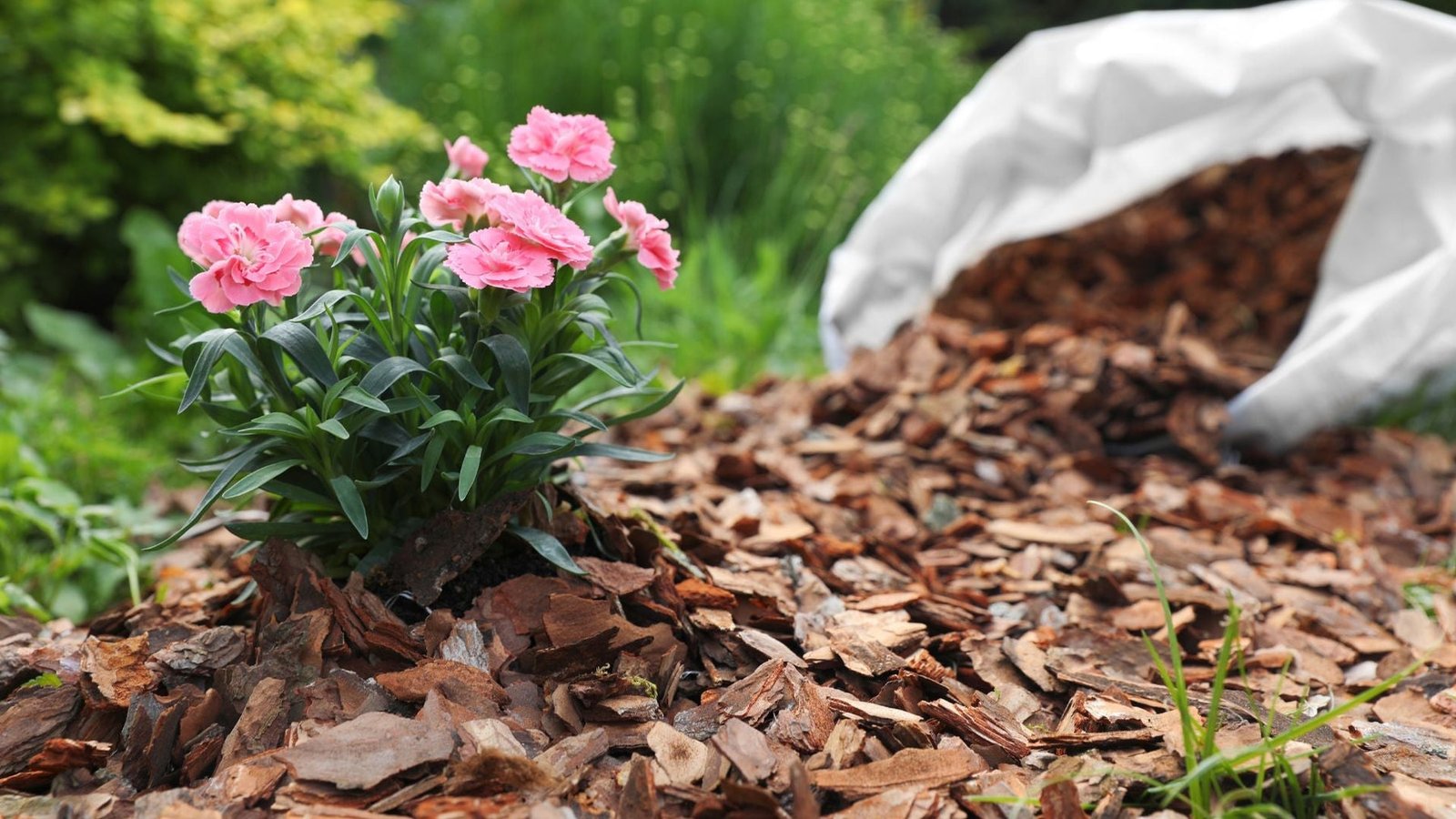
Credit: bakersacehardware.com
A practical routine that works in most home gardens
For many gardeners, the best routine is to mulch once in late spring and refresh lightly in fall. That schedule gives plants the support they need through the growing season and protects the soil when weather turns rough. It is simple, effective, and easy to repeat.
Start with clean beds. Pull weeds first, water deeply if needed, then spread mulch evenly. Keep it away from stems and trunks. Use the right material for the bed, and do not overdo the depth. Those basic steps create better results than expensive products or complicated methods.
If you are still wondering when to mulch garden spaces for the best results, focus on plant stage, soil temperature, and weather pattern. Those three signals tell you more than a date ever will. The right timing gives you healthier plants now and better soil later.
FAQs
1. What month is best for mulching a garden?
There is no single best month for every garden. In many areas, late spring is best for most beds because the soil has warmed and plants are actively growing. Fall can also be a good time if you want winter protection.
2. Should I mulch before or after planting?
For most flowers, shrubs, and vegetables, mulch goes on after planting. That gives roots time to settle and lets you avoid blocking seed germination. For direct-sown beds, wait until seedlings are established.
3. How thick should garden mulch be?
Most garden beds do well with 2 to 4 inches of mulch. Fine materials usually need the thinner end of that range. Keep mulch away from stems and trunks so air can move freely.
4. Is it bad to mulch too early in spring?
Yes, it can be. Early mulch may keep soil cold and slow plant growth. It can also trap too much moisture in wet beds. Waiting until the soil warms gives better results for most plants.
5. Do I need to remove old mulch before adding new mulch?
Not always. If the old layer is thin, broken down, and healthy, you can add a light fresh layer on top. Remove mulch only if it is matted, smells bad, looks diseased, or has built up too thick.