
Crabgrass can take over a garden fast, but you can stop it with the right timing and a few simple habits. If you want to know how to get rid of crabgrass in garden spaces without damaging your plants, the key is to act early and stay consistent.
The best control is not just one spray or one pull. It is a mix of removal, prevention, and better garden care. Once you understand how crabgrass grows, the job becomes much easier, and you can protect your beds, paths, and lawn edges for the long run.
Here’s the good news: crabgrass is tough, but it is also shallow-rooted and predictable. That gives you a real advantage if you know when to pull it, when to mulch, and when to use a pre-emergent barrier.
Why crabgrass spreads so fast in gardens
Crabgrass is an annual weed, which means it grows from seed each year. It germinates when soil temperatures stay around 55°F to 60°F for several days, then it spreads quickly in hot weather. One plant can produce thousands of seeds, so a small patch can turn into a big problem by late summer.
It usually starts in thin, bare, or compacted soil. That is why garden edges, walkways, and disturbed beds get hit first. If your soil has poor coverage, too much light reaches the surface, and crabgrass seeds wake up faster.
Another reason it wins so often is timing. Many people notice it only after it has already rooted and spread. At that stage, pulling still helps, but prevention becomes even more important for the next season.
How to spot it early
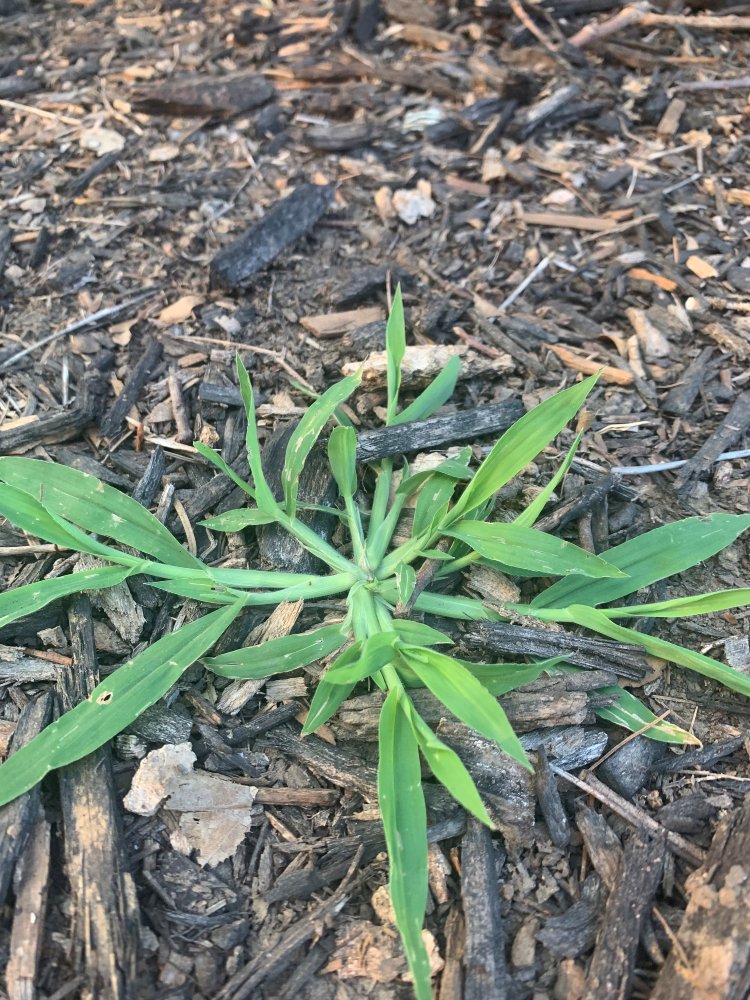
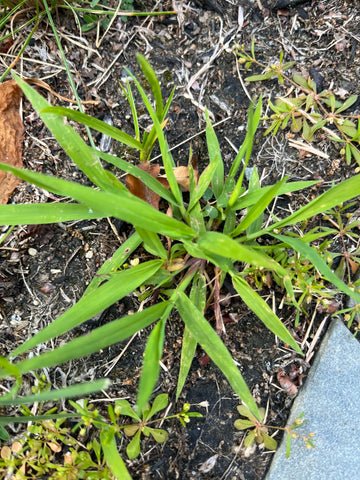
Young crabgrass often looks like a low, star-shaped grass. The stems spread out from one center point, almost like fingers from a hand. Leaves are wider than many lawn grasses, and the plant lies flat as it grows.
In a garden bed, it may hide near mulch edges, fence lines, or open soil. Check these spots every week in warm months. Catching it when it is still small saves a lot of work later.
Best ways to remove crabgrass already growing in the garden
If crabgrass is already present, the fastest fix is physical removal. For small patches, pull the weed by hand when the soil is damp. Moist soil lets the roots come out more cleanly, and that reduces the chance of regrowth.
Use a hand weeder or trowel to lift the whole plant, not just the top. Crabgrass is shallow-rooted, but broken pieces can still leave seeds behind. After removal, place the weed in the trash if it already has seed heads. Do not compost it unless your compost pile gets hot enough to destroy seeds.
For larger patches, cut the plant close to the soil line first, then dig out what remains. This works better than yanking a mature clump from dry soil, which can tear nearby plants or leave roots behind. If the weed is growing through mulch, pull back the mulch layer so you can remove it cleanly, then replace the mulch.
When hand-pulling works best
Hand-pulling works well when crabgrass is still young, before it has dropped seeds. It also works best in loose soil and after watering or rain. If the ground is hard, wait until the next day after irrigation so the roots release more easily.
For a garden with mixed flowers or vegetables, hand removal is often the safest choice. It avoids chemical drift and protects nearby plants. It also lets you remove weeds right at the base, which is harder to do with spray products.
Using spot treatment carefully
Some gardeners use a post-emergent herbicide made for crabgrass. If you choose this route, read the label carefully and only use a product that is safe for your garden area. Many weed killers can damage flowers, herbs, and vegetables, so they must be used with care.
A helpful rule: use spot treatment only where hand removal is not practical. For example, if crabgrass is growing in a gravel path or along a non-plant border, spot treatment may be useful. In mixed beds, physical removal is usually the safer option.
If you want state-backed planting and weed guidance, your local university extension service is often the best source. The university extension crabgrass guide from Penn State explains how crabgrass behaves and why timing matters so much.
Prevent crabgrass before it starts
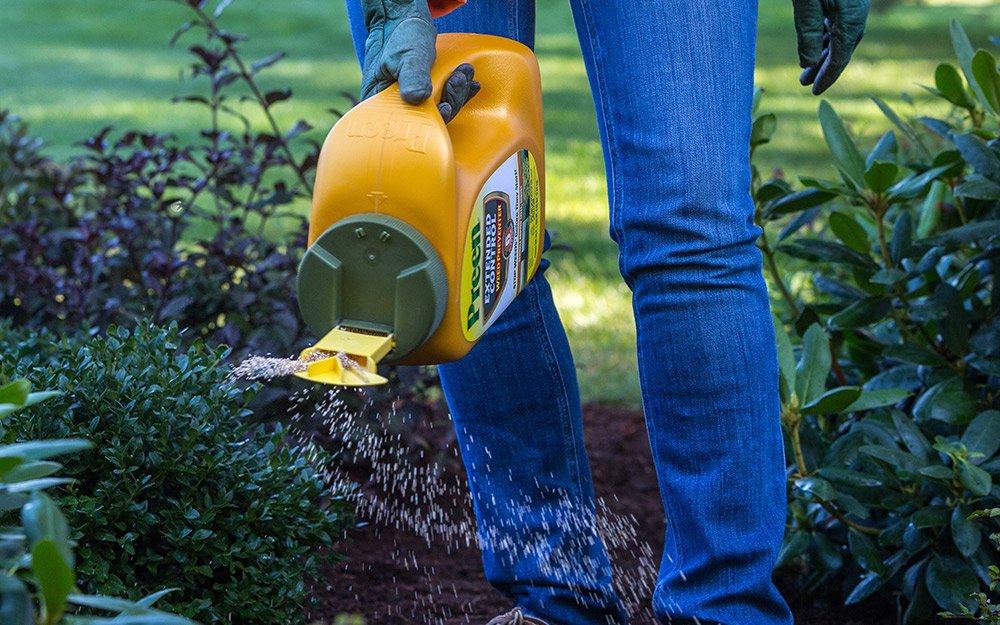
Prevention is the most effective long-term strategy. Crabgrass seeds are already present in many soils, so your goal is to block germination before it begins. A pre-emergent product can help, but only if you apply it before soil warms up enough for seeds to sprout.
In many areas, that means early spring. A pre-emergent does not kill crabgrass that has already emerged. It creates a barrier near the soil surface that stops new seedlings from developing. If you apply it too late, you waste the opportunity.
Mulch is another strong defense in garden beds. A 2- to 3-inch layer of mulch blocks light and makes it harder for seeds to germinate. It also keeps soil moisture steadier, which helps your plants compete better. Use shredded bark, wood chips, straw, or another mulch suited to your garden.
Credit: homedepot.com
Timing matters more than product choice
Many gardeners make the mistake of waiting until they see crabgrass. By then, pre-emergent is too late for that season’s infestation. The better move is to apply it when local soil temperatures are still cool and keep checking problem areas weekly.
Another common mistake is applying too little. Thin coverage creates gaps where seeds can sprout. Read the label and apply evenly, especially around bed edges and paths where crabgrass often starts.
Keep soil covered and shaded
Crabgrass loves open, sunny soil. That is why bare spots are such a problem. Fill empty spaces with healthy plants, use mulch on exposed ground, and reseed thin lawn areas near garden borders if needed.
Shading the soil can reduce germination in a very practical way. Even simple fixes, like planting a groundcover or adding a denser mulch layer, can lower weed pressure. This is one of the easiest non-chemical ways to cut crabgrass down over time.
How to get rid of crabgrass in garden borders and paths
Garden borders and paths often get crabgrass first because they are disturbed, compacted, and exposed to sunlight. These areas need a different approach from planted beds. You want fast removal plus a surface that is hard for new weeds to colonize.
For gravel paths, begin by pulling existing plants and smoothing the surface. Then add a weed barrier if your path design allows it, or refresh the gravel so light does not reach as much bare soil. In brick or paver gaps, remove the weeds, then top up joint material to reduce open space.
For edging near garden beds, install a clean physical border if possible. Metal, stone, or plastic edging can help separate turf from garden soil. That makes it harder for crabgrass to creep in from outside the bed.
Best habits for border control
- Check edges every 7 to 10 days during warm weather.
- Pull small weeds before they spread outward.
- Refresh mulch or gravel when you see thin spots.
- Keep mowers and trimmers from throwing seed heads into beds.
These habits may sound simple, but they stop the weed cycle early. Border areas are often where crabgrass sets seed first, then spreads into the rest of the garden. If you control the edge, you control a big part of the problem.
Soil care makes crabgrass harder to return
Healthy soil is one of the most overlooked ways to fight weeds. Crabgrass loves compacted, weak soil where desirable plants struggle. When your soil is loose, fertile, and covered, it becomes much harder for crabgrass to dominate.
If your garden soil is compacted, lightly loosen it where appropriate and add organic matter such as compost. This improves drainage and root growth. Strong garden plants then fill space faster, which leaves less room for weeds to establish.
Be careful not to overwater. Frequent shallow watering encourages shallow-rooted weeds like crabgrass. Instead, water deeply when needed so your garden plants develop stronger roots. That balance helps desirable plants compete better and reduces weed pressure.
Why thin gardens get more weeds
A thin garden canopy lets more sunlight hit the soil. That light wakes weed seeds and gives crabgrass an advantage. Dense, healthy plantings shade the soil naturally and make germination less likely.
Think of it this way: weed control is not only about removing weeds. It is also about making your garden less inviting to them. Better soil structure, steady mulch, and stronger plant coverage all work together.
Common mistakes that make crabgrass worse
One big mistake is waiting until crabgrass is mature before acting. Mature plants often have many seeds, so you may remove the plant but still leave the next wave behind. Early action saves time and reduces repeat growth.
Another mistake is mowing or trimming after crabgrass has seeded, then leaving clippings in place. Seed heads can spread the problem into nearby areas. If the plant has seeds, collect and discard the material instead of spreading it around.
Some gardeners also use the wrong herbicide in mixed beds. That can injure vegetables, flowers, and herbs. Always check the label and avoid broad sprays unless you are sure the product is safe for that area.
| Common error | Why it causes trouble | Better approach |
|---|---|---|
| Pulling only the top growth | Roots and seeds may remain | Remove the full plant at the base |
| Applying pre-emergent too late | It will not stop existing weeds | Apply before soil warms in spring |
| Leaving bare soil exposed | Seeds get light and germinate faster | Use mulch or fill open spaces |
| Letting seed heads stay on-site | More seeds spread to new spots | Bag and discard mature plants |
These are small mistakes, but they add up fast. Crabgrass does not need much help to return. Once you remove the easy entry points, you will see far fewer outbreaks.
Credit: yardandgarden.extension.iastate.edu
A simple seasonal plan for lasting control
The easiest way to stay ahead of crabgrass is to work by season. In early spring, inspect beds and borders before soil warms. Apply pre-emergent where it is appropriate, and refresh mulch in open areas.
During late spring and summer, walk the garden once a week. Pull small plants right away, especially along edges and in thin spots. If you see repeated growth in one place, improve the soil or coverage there rather than treating only the visible weeds.
In fall, remove any remaining crabgrass before it drops seed. Even though it is an annual, a late-season cleanup matters because the seed bank is what creates next year’s problem. The more seed you stop from entering the soil, the easier next spring becomes.
What success looks like
You may not eliminate every weed in one season, and that is normal. The goal is to reduce crabgrass population each year until it becomes a minor issue instead of a major one. In most gardens, that happens when prevention becomes routine.
One non-obvious point: a few missed plants in spring can become a big problem by August. That is why weekly checks matter more than a single big cleanup. Small, regular action almost always beats one large effort done too late.
Final tips for getting better results
If you are serious about how to get rid of crabgrass in garden areas, focus on three things: remove what is already there, block new growth, and make the soil less welcoming. Those steps work better together than alone.
Use hand-pulling for small patches, mulch for exposed soil, and pre-emergent only before seeds germinate. Keep garden borders clean, fix bare spots quickly, and avoid shallow watering that helps weeds spread. These are simple habits, but they make a big difference over time.
Crabgrass is persistent, not unbeatable. With the right timing and a steady routine, you can keep it from taking over and protect the plants you actually want to grow.
Credit: getlawnbright.com
FAQs
1. What kills crabgrass the fastest in a garden?
For small patches, pulling crabgrass out by the roots is usually the fastest safe option. For larger non-plant areas, a spot treatment labeled for crabgrass can work, but always check that it is safe for your garden space first.
2. Can I prevent crabgrass after it has already sprouted?
No pre-emergent product will stop crabgrass that is already growing. Once it has emerged, you need to remove it by hand or use a post-emergent option made for that situation.
3. Does mulch really stop crabgrass?
Yes, mulch helps a lot, especially when you use a 2- to 3-inch layer. It blocks light from reaching the soil and makes it harder for crabgrass seeds to germinate in garden beds.
4. Why does crabgrass keep coming back every year?
Crabgrass returns because its seeds stay in the soil and sprout when conditions are warm enough. If you do not stop new seed production, the cycle repeats each season.
5. When should I apply pre-emergent for crabgrass?
Apply it before soil temperatures reach the germination range, usually in early spring. Since timing varies by region, local soil temperature is more useful than the calendar alone.