
If you own a John Deere Z465, you already know it can save a lot of time. This zero-turn mower is built for smooth cutting, fast turns, and strong yard work. But like any machine, it can also develop problems after regular use. Some issues are simple. Others can stop the mower from working at all.
This guide explains the most common john deere z465 problems, why they happen, and how to fix them. The goal is to help you spot trouble early, avoid costly repairs, and keep your mower running better for longer. You will also learn a few things many owners miss, like how small maintenance habits can prevent big breakdowns later.
Before you replace parts, it helps to understand the real cause. A mower that will not start, cuts unevenly, or loses power is often warning you about fuel, air, battery, belts, blades, or drive issues. Let’s go through these one by one in a clear and practical way.
What usually goes wrong first on a Z465
Most john deere z465 problems do not begin with one major failure. They often start as small changes. The mower takes longer to start. It vibrates a little more. The cut is not as clean as before. These early signs matter because they often point to a part that is wearing out or a service item that has been ignored.
The Z465 is a strong mower, but it still depends on clean fuel, fresh oil, sharp blades, good belts, a healthy battery, and proper tire pressure. If even one of these is off, performance drops fast. The good news is that many problems are easy to diagnose if you know where to look first.
Common early warning signs
- Hard starting or slow cranking
- Engine stalling after a few minutes
- Uneven cutting or missed grass strips
- Weak drive speed or poor hill performance
- Burning smell from belts or under the deck
- Excessive vibration at higher throttle
Starting problems and no-start issues
One of the most common complaints is a mower that will not start, especially after sitting for a while. This is often blamed on the battery first, but the real cause is not always the battery. Fuel age, dirty terminals, weak safety switches, and bad connections can all create the same symptom.
If the engine does not crank at all, check the battery voltage, terminal cleanliness, and fuse condition. If the engine cranks but does not fire, look at fuel flow and ignition. A machine that has been stored with fuel for a long time may also have clogged carburetor passages. That is a very common cause of john deere z465 problems related to starting.
Likely causes
- Weak or dead battery
- Loose or corroded battery cables
- Old fuel or fuel contamination
- Clogged fuel filter
- Dirty carburetor or stuck float
- Faulty seat switch, brake switch, or PTO safety switch
How to fix it
- Check the battery with a meter. A fully charged 12-volt battery should read about 12.6 volts or higher.
- Clean battery terminals and cable ends. Tighten them well.
- Replace old fuel if it smells stale or has been stored too long.
- Install a new fuel filter if it is dirty or restricted.
- Inspect safety switches and make sure the seat, brake, and PTO positions are correct.
- If the carburetor is dirty, clean it carefully or have it serviced.
Non-obvious tip: Many owners replace the battery too fast, when the real issue is poor cable contact. Even a slightly loose ground connection can make the mower act completely dead.
Engine runs rough, stalls, or loses power
If the Z465 starts but does not run smoothly, the problem may be fuel starvation, restricted airflow, or ignition trouble. A mower engine under load needs the right amount of fuel and air at all times. When that balance is off, you may notice sputtering, shaking, or sudden shutdowns.
Rough running often gets worse when the mower is hot or when cutting thick grass. That is a clue. It usually means the engine is already working too hard because of a blockage, weak spark, or fuel delivery issue.
Likely causes
- Dirty air filter
- Clogged fuel line or fuel filter
- Worn spark plugs
- Carburetor adjustment or contamination issues
- Bad gas from long storage
- Overheating due to grass buildup around the engine
How to fix it
- Replace the air filter if it is dusty, oily, or blocked.
- Check spark plugs for wear, carbon, or damage. Replace them if needed.
- Drain old fuel and refill with fresh gasoline.
- Inspect fuel lines for cracks, kinks, or blockage.
- Clean grass and debris from around the engine shrouds and cooling fins.
- If the carburetor is suspected, clean it thoroughly or rebuild it if necessary.
Non-obvious tip: Some owners think the engine is failing when it is really overheating from poor airflow. On a mower, packed grass and dirt can act like a blanket around the engine and reduce cooling fast.
Cut quality problems and uneven mowing
Uneven cutting is one of the most frustrating mower issues because the machine may still run fine. You see strips of taller grass, scalping on one side, or a ragged finish. This often points to deck problems, blade wear, tire pressure, or deck leveling.
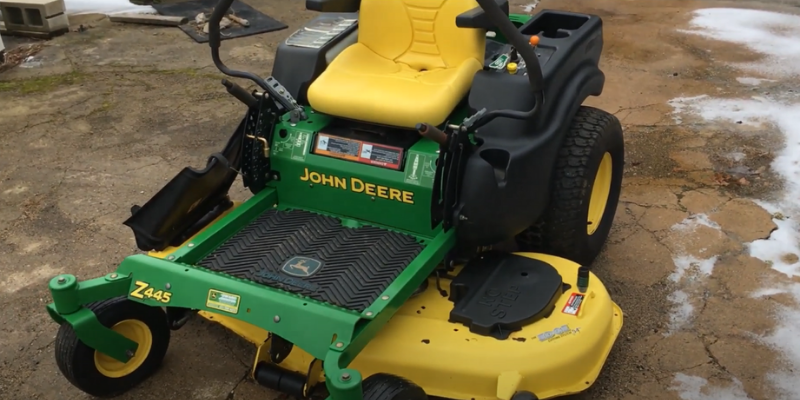
Many people change blades but still get a bad cut. That happens because blade sharpness is only one part of the job. Deck height, pitch, spindle condition, and tire pressure all affect the final result. If one tire is lower than the others, the cut can look uneven even when the deck itself is fine.
Credit: plantnative.org
Likely causes
- Dull, bent, or damaged blades
- Deck not leveled properly
- Wrong tire pressure side to side
- Worn spindle bearings
- Grass buildup under the mower deck
- Cutting too fast in thick grass
How to fix it
- Sharpen or replace blades if they are dull or nicked.
- Clean the underside of the mower deck.
- Check all tire pressures and make them equal according to the owner’s manual.
- Level the deck from side to side and front to back.
- Inspect spindle assemblies for play or noise.
- Reduce mowing speed in heavy grass.
Non-obvious tip: A deck that is only slightly out of level can still leave a poor finish, especially on wet or soft ground. That is why some cut problems show up only on certain lawns or during certain seasons.
Belt slipping, squealing, or breaking
Belt trouble is another common part of john deere z465 problems. If the mower squeals when the blades engage, loses deck drive power, or throws a belt, the issue may be wear, tension, pulley damage, or debris buildup. Belts work hard on zero-turn mowers, especially when mowing often or in hot weather.
Sometimes a belt looks fine at a glance but is already glazed, stretched, or cracked. A worn pulley or weak spring can also make a new belt fail early. That is why it helps to inspect the whole drive path, not just the belt itself.
Likely causes
- Worn or stretched belt
- Improper belt routing after service
- Damaged idler pulley or spindle pulley
- Debris caught in the belt path
- Weak tension spring
- Mower deck hitting tall grass or hidden objects
How to fix it
- Inspect the belt for cracks, glazing, or fraying.
- Make sure the belt is routed correctly.
- Check pulleys by hand for roughness or wobble.
- Replace damaged tension springs or idlers.
- Keep the deck clean and remove wrapped grass around spindles.
- Replace the belt if it is worn or has lost tension.
For official service and safety information, it is smart to review the manufacturer’s documentation at John Deere Parts and Service.
Drive system problems and weak movement
If the mower moves slowly, pulls to one side, or feels weak on hills, the issue may be in the drive system. The Z465 uses a zero-turn setup, so both control levers and hydrostatic drive components must work properly. When one side performs differently from the other, steering and speed can feel uneven.
Some drive issues are caused by simple maintenance problems, like low tire pressure or dirty transmission cooling areas. Others are linked to worn drive belts, linkage adjustment, or hydrostatic wear. The key is to check the easy items first before assuming the transmission is failing.
Likely causes
- Low or uneven tire pressure
- Worn or slipping drive belt
- Dirty transmission cooling area
- Misadjusted drive linkage
- Hydrostatic transmission wear
- Low fluid or service issue, if applicable to your unit setup
How to fix it
- Set all tire pressures correctly and evenly.
- Inspect the drive belt for wear or slip.
- Remove grass and debris around the transmission cooling fins and fan area.
- Check control linkage for proper adjustment.
- If one side is much weaker, test that side separately for belt, pulley, or hydro issues.
Non-obvious tip: Many zero-turn owners blame the hydrostatic unit when the real problem is tire pressure mismatch. Even a small difference can change how the mower tracks and turns.
Battery, charging, and electrical issues
Electrical problems can show up in many ways. The mower may not start, the engine may die randomly, or accessories may act strange. On a machine like the Z465, the battery and charging system need to work together. If the battery does not hold a charge, the mower may start once and fail the next time.
Corrosion is a major hidden problem. It builds slowly on terminals, grounds, and connectors. Once resistance rises, the starter and charging system have to work harder. That can shorten part life and create frustrating intermittent faults.
Likely causes
- Weak battery cells
- Faulty charging system
- Corroded connectors
- Broken ground wire
- Loose fuse or relay
- Damaged ignition switch
How to fix it
- Test battery health under load, not just open voltage.
- Clean and tighten all electrical connections.
- Inspect the ground wire closely.
- Check fuses, relays, and the ignition switch.
- If charging is weak, test the charging output with a meter.
Excessive vibration and noise
Vibration usually means something is loose, bent, unbalanced, or worn. Never ignore it. A small vibration can grow into damaged bearings, cracked mounts, or broken blades. Noise is often the first clue.
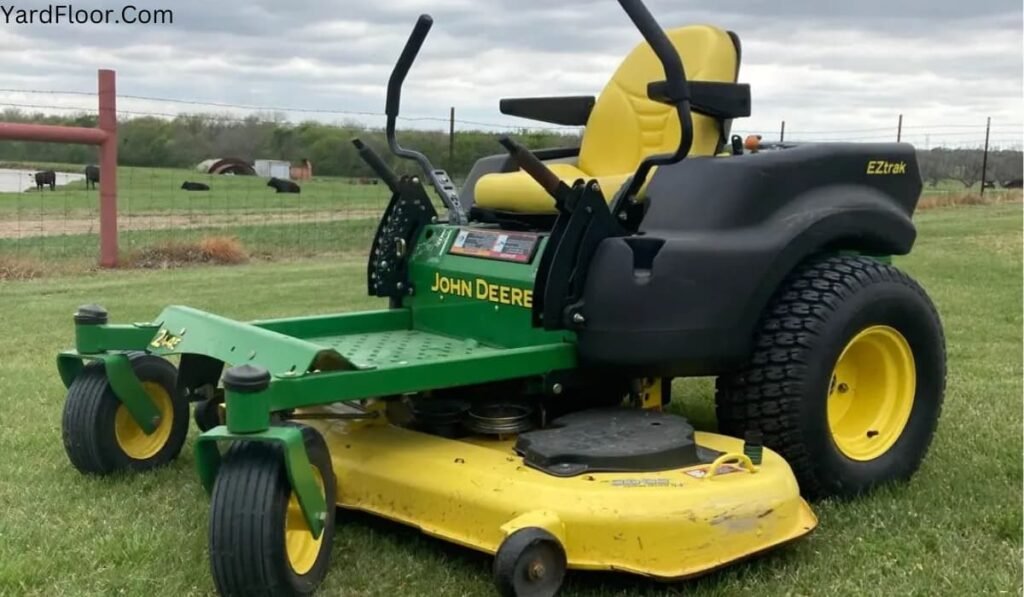
If the mower shakes more than usual, start with the blades and spindle area. A bent blade or damaged spindle will often create vibration at higher speed. If the sound is a grinding or growling noise, bearings may be failing. If the noise happens only when the blades engage, the deck system is the likely source.
Credit: yardfloor.com
Likely causes
- Bent or unbalanced blade
- Damaged spindle bearing
- Loose deck hardware
- Foreign object stuck in the deck
- Engine mount or pulley problem
How to fix it
- Stop the mower and inspect blades for damage.
- Check blade balance after sharpening.
- Spin the spindle by hand and listen for roughness.
- Tighten loose bolts and deck hardware.
- Remove any debris caught under the deck.
Overheating and hot-running problems
Overheating can shorten engine life and cause sudden shutdowns. On the Z465, heat problems are often connected to clogged cooling paths, dirty filters, old oil, or mowing in heavy conditions without enough cleanup between jobs. If the engine feels weaker after it gets hot, heat is likely part of the issue.
A mower engine depends on free airflow. When grass clippings block cooling fins or the air filter is dirty, temperatures rise fast. This can create power loss, hard starting, and long-term engine wear.
Likely causes
- Dirty air intake or cooling fins
- Low or old engine oil
- Overloaded mowing conditions
- Blocked exhaust area
- Grass packed around the engine compartment
How to fix it
- Clean the engine area regularly.
- Change oil at the correct interval.
- Replace clogged air filters.
- Do not push the mower too hard in thick, wet grass.
- Let the engine cool if it begins to lose power from heat.
A simple way to narrow down the problem
If you are not sure which issue you have, start with the symptom and move step by step. That saves time and prevents random part swapping. Many mower owners replace good parts because they guess instead of test.
The table below gives a quick guide to the most common symptoms and the first things to check.
| Symptom | Most likely cause | First thing to check |
|---|---|---|
| Won’t start | Battery, cables, safety switch, stale fuel | Battery voltage and terminal condition |
| Starts then stalls | Fuel flow, carburetor, air filter | Fuel freshness and filter condition |
| Uneven cut | Blades, deck level, tire pressure | Blade sharpness and tire pressure |
| Squealing sound | Belt or pulley wear | Belt condition and pulley movement |
| Weak movement | Drive belt, tire pressure, linkage | Drive belt and tire pressure |
| Shaking or vibration | Blade or spindle damage | Blade balance and spindle noise |
How to prevent most Z465 problems
The best repair is the one you never need. Most john deere z465 problems can be reduced with steady maintenance. You do not need advanced tools for basic prevention. You need a routine and a little attention after every few mowing sessions.
One mistake many owners make is waiting until the mower fails before checking it. That usually means a small issue has already become a bigger one. A few minutes of cleanup and inspection can save a major repair later.
Good habits that help a lot
- Use fresh fuel and avoid old gasoline
- Clean the mower deck after use
- Check tire pressure often
- Inspect blades for wear and balance
- Change filters and oil on schedule
- Keep battery terminals clean and tight
- Listen for new sounds before they become serious
What beginners often miss
First: visual inspection matters more than many people think. A loose wire, cracked belt, or grass-packed cooling area can create a major symptom that looks like a big mechanical failure.
Second: the mower’s performance depends on the whole system, not just the engine. A strong engine with poor belt drive, bad tire pressure, or dull blades will still give poor results.
When to repair it yourself and when to get help
Some fixes are safe for most owners, such as cleaning terminals, replacing blades, changing filters, or clearing debris. Other jobs need more care, especially if you are dealing with carburetor rebuilding, hydrostatic issues, or electrical faults you cannot isolate.
If you have already checked the basics and the problem keeps returning, professional help may save time and money. Repeated belt failure, severe vibration, or no-start issues after all standard checks usually mean there is a deeper fault.

Credit: mowerselect.com
Good DIY jobs
- Battery cleaning and replacement
- Blade sharpening and replacement
- Air filter and fuel filter replacement
- Basic deck cleaning and leveling
- Fuel draining and refill with fresh gas
Jobs better handled by a technician
- Carburetor rebuilds when cleaning does not help
- Transmission or hydrostatic diagnosis
- Charging system testing beyond basic checks
- Repeated electrical failure with no clear cause
- Severe spindle or axle damage
Final thoughts
The john deere z465 problems most owners face are usually manageable when caught early. Starting trouble, rough running, bad cuts, belt wear, drive weakness, and vibration all have common causes. In many cases, the fix is not complicated. The key is to inspect the mower in a smart order and not assume the worst right away.
If you keep the deck clean, use fresh fuel, check tire pressure, and replace worn parts before they fail, your Z465 can stay dependable for years. Small maintenance steps now can prevent bigger repair bills later. That is the real secret to keeping a zero-turn mower working well.
FAQs
1. Why does my John Deere Z465 not start?
The most common reasons are a weak battery, bad cable connections, stale fuel, a dirty fuel filter, or a safety switch issue. Start by checking battery voltage and terminal condition before moving to fuel and ignition parts.
2. Why is my Z465 cutting unevenly?
Uneven cutting usually comes from dull or bent blades, bad tire pressure, an unlevel deck, or worn spindle bearings. Clean the underside of the deck and check tire pressure first, since those are easy to miss.
3. What causes the mower to lose power when cutting thick grass?
This often happens when the air filter is dirty, the fuel system is restricted, the blades are dull, or the engine is overheating. Thick grass can expose these problems faster because the mower is under more load.
4. Why does my Z465 make a squealing noise?
A squealing noise usually points to a worn belt, bad pulley, or weak tension spring. If the noise starts when the blades engage, inspect the deck belt system right away.
5. How can I prevent most John Deere Z465 problems?
Use fresh fuel, keep the mower clean, inspect blades often, check tire pressure, and follow the service schedule for oil and filters. These simple habits prevent many of the most common failures.