
If you own this mower, you already know how useful it can be. The John Deere X495 is built for serious yard work, but like any machine, it can run into trouble after years of use. Some issues are small and easy to fix. Others can keep the tractor from starting, steering, mowing, or charging the battery the way it should.
This guide explains the most common john deere x495 problems, what usually causes them, and how to fix them in a simple way. You will also learn a few warning signs that many owners miss until the problem gets worse. That can save time, money, and a lot of frustration.
Whether your X495 has a starting issue, hydrostatic trouble, electrical fault, or weak mower performance, the goal here is to help you find the real cause faster. A small problem often looks big at first, but with the right checks, many repairs are very manageable.
Why the X495 Starts Having Problems After Years of Use
The John Deere X495 is a durable garden tractor, but age affects every part of it. Rubber parts dry out, electrical connections loosen, fuel gets dirty, and moving parts wear down. That does not mean the tractor is bad. It only means regular service becomes more important as the machine gets older.
Many owners think one bad part is the only issue. In reality, the X495 often has multiple small wear points at the same time. For example, a weak battery, dirty fuel, and a corroded relay can all create a “won’t start” complaint. If you replace only one part without checking the others, the problem may return.
Another thing beginners often miss is this: some symptoms are not caused by the part they seem to point to. A weak cut, for example, may not be a blade problem at all. It can come from a tired engine, a slipping belt, or a mower deck that is out of level. Looking at the full system gives better results than guessing.
Most Common John Deere X495 Problems
Here are the issues owners report most often with this model. Not every tractor will have all of them, but these are the ones worth checking first.
| Problem | Common Signs | Usual Cause |
|---|---|---|
| Hard starting or no start | Engine cranks slowly or not at all | Battery, starter, ignition switch, fuel delivery |
| Battery not charging | Battery goes dead after use | Alternator, voltage regulator, wiring |
| Hydrostatic transmission issues | Loss of power, slow movement, hesitation | Low fluid, air in system, worn transmission parts |
| PTO or mower deck problems | Blades do not engage or cut poorly | Switch, clutch, belt, deck wear |
| Steering wear | Loose steering, play, uneven response | Worn bushings, joints, or front axle parts |
| Overheating | Engine runs hot or shuts down | Dirty cooling fins, low coolant, airflow blockage |
1. Hard Starting or No Start
This is one of the most common john deere x495 problems. The tractor may crank slowly, click without turning over, or fail to start even when the battery seems fine. Sometimes it starts cold but refuses to start when hot.
Likely causes:
- Weak or old battery
- Bad battery cables or loose terminals
- Faulty ignition switch
- Bad starter motor or starter solenoid
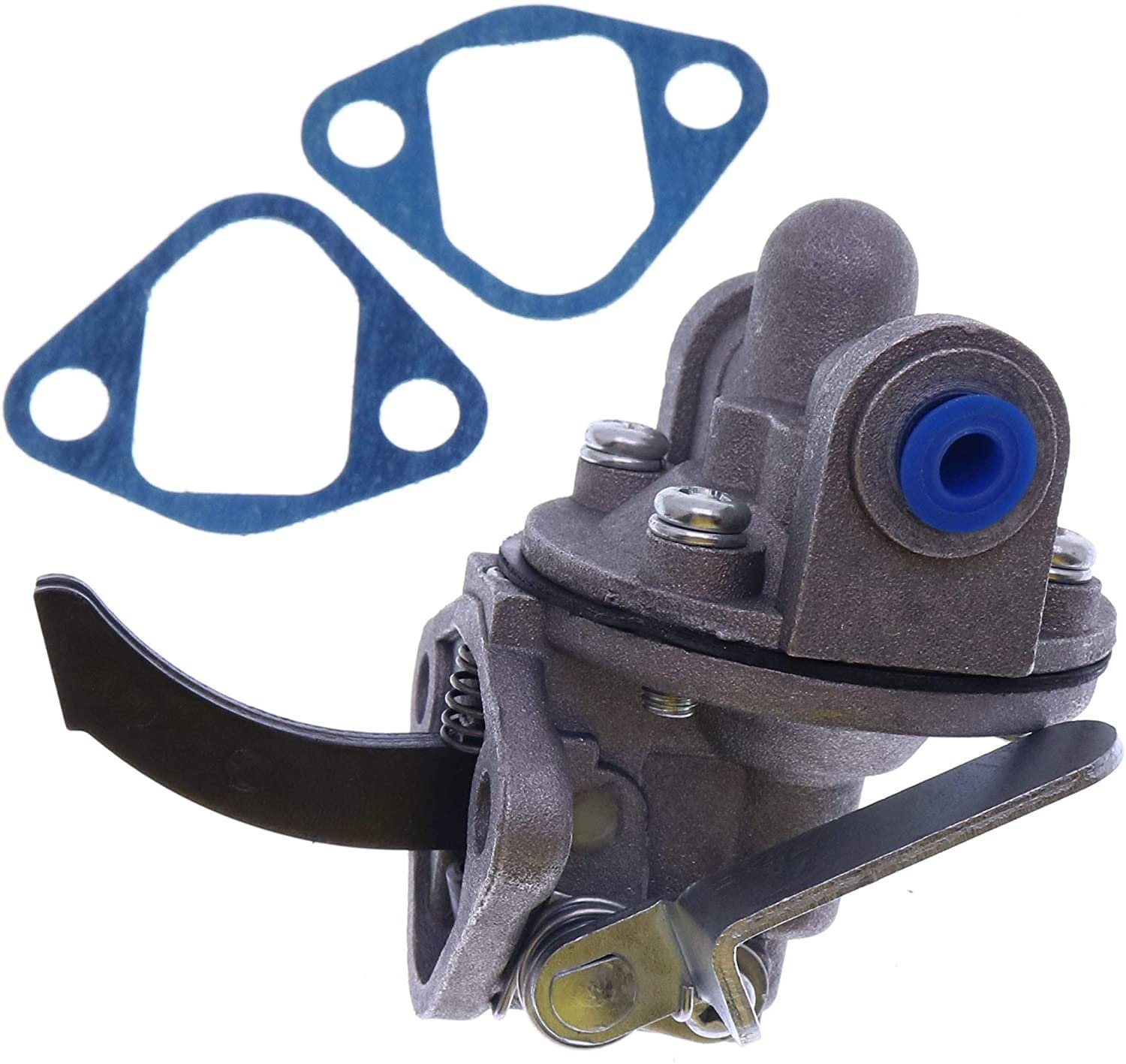
- Dirty fuel filter
- Old fuel or clogged carburetor parts
- Safety switch not allowing start
What to do:
- Check battery voltage first. A fully charged battery should usually read about 12.6 volts or more when the engine is off.
- Inspect the terminals. Clean any white or green corrosion and tighten them well.
- Listen for a click when turning the key. A click without cranking often points to the solenoid, battery, or cables.
- Try starting in neutral with the brake set. Safety switches can block starting if the tractor is not in the correct position.
- If the battery and cables are good, check fuel flow and replace the fuel filter if it looks dirty or old.
Non-obvious tip: a battery can show enough voltage but still fail under load. That means it may look healthy with a multimeter but collapse when the starter demands power. A load test gives a better answer than voltage alone.
2. Battery Drains Fast or Will Not Charge
If the X495 starts fine but dies after a few uses, the charging system may not be doing its job. This is a common complaint on older machines because wiring, connectors, and charging parts slowly wear down.
Likely causes:
- Bad alternator or stator
- Failed voltage regulator
- Loose or damaged wiring harness
- Corroded ground connection
- Battery reaching end of life
What to do:
- Start the engine and check battery voltage again while running.
- If voltage does not rise above resting voltage, the charging system may be weak.
- Inspect the ground strap and main power wires for rust, dirt, or looseness.
- Check the regulator and alternator connections for heat damage or looseness.
- If the battery is more than a few years old, test it before replacing charging parts.
One mistake owners make is replacing the battery again and again without checking charging output. That can become expensive fast. If the tractor keeps killing batteries, fix the charging fault first.
3. Hydrostatic Transmission Feels Weak
The X495 uses a hydrostatic drive, and when it begins to act up, the tractor may move slowly, hesitate, lose power on hills, or feel jerky. Sometimes the tractor works fine when cold but gets worse after warming up.
Likely causes:
- Low hydraulic fluid
- Old or dirty hydraulic oil
- Air in the system
- Clogged filters
- Worn transmission pump or internal wear
- Drive belt slipping
What to do:
- Check the fluid level and condition first.
- If the oil looks dark, foamy, or smells burned, service it.
- Inspect the drive belt for cracking, glazing, or looseness.
- Make sure the cooling fins and transmission area are clean.
- If the tractor still struggles after fluid service, internal wear may be involved.
Important detail: hydrostatic problems often look like engine problems. If the engine sounds strong but the tractor barely moves, focus on the drive system before you blame the motor.
4. PTO Does Not Engage or Mower Deck Does Not Spin
When the PTO fails, the mower blades stop working. The engine may run normally, but nothing happens under the deck. In some cases, the blades engage with a delay. In others, they engage only sometimes.
Likely causes:
- Faulty PTO switch
- Bad PTO clutch
- Worn or slipping deck belt
- Loose electrical connection
- Safety switch problem
- Debris inside the deck spindle area
What to do:
- Turn the PTO on and listen for engagement.
- If you hear a click but no blade movement, inspect the clutch and belt.
- Check for belt glazing, cracks, or missing tension.
- Look for damaged connectors near the PTO circuit.
- Remove grass buildup from pulleys, spindles, and belt paths.
Many people replace blades when the real issue is a slipping belt. A blade can be sharp and still cut badly if the deck is not turning at the correct speed.
5. Poor Cutting Quality
If the X495 is running but not mowing well, the issue may be in the deck setup rather than the engine. The cut may look uneven, leave strips of grass, or clump material in one area.
Likely causes:
- Dull or damaged blades
- Incorrect deck height
- Uneven tire pressure
- Loose or worn deck belt
- Dirty underside of the deck
- Misaligned deck
What to do:
- Sharpen or replace the blades.
- Check tire pressure on all sides before adjusting deck height.
- Clean the deck underside after mowing.
- Inspect spindles and belt tension.
- Level the deck according to the operator manual.
A small but useful insight: tire pressure affects cutting more than many owners expect. A low tire on one side can tilt the mower deck enough to leave an ugly cut even when the deck itself is in good shape.
6. Steering Feels Loose or Hard to Control
Older X495 tractors can develop steering play. The steering wheel may move more than normal before the front wheels respond. Sometimes the tractor feels wandery, especially at higher ground speed or on uneven ground.
Likely causes:
- Worn steering joints
- Loose front axle parts
- Bad bushings
- Steering shaft wear
- Front tire issues
What to do:
- Inspect the front end while the tractor is safely parked.
- Check for side-to-side play in the wheel ends and steering linkage.
- Look for cracked bushings or loose fasteners.
- Make sure both front tires are in good condition and inflated properly.
Loose steering often gets worse slowly, so owners get used to it. That is risky. When steering wear increases, the tractor becomes harder to control and the front tires can wear unevenly.
7. Engine Overheats
Overheating can damage a good engine fast. If the X495 gets hotter than normal, do not ignore it. This problem often appears during heavy mowing or in hot weather.
Likely causes:
- Dirty cooling fins or radiator area
- Low coolant level
- Bad thermostat
- Weak fan or airflow problem
- Blocked debris around the engine
- Old engine oil
What to do:
- Clean grass, dust, and debris from the cooling area.
- Check coolant level and look for leaks.
- Inspect the fan and belt operation.
- Change old oil if service is overdue.
- If overheating continues, test the thermostat and cooling components.
This is one of the problems where prevention matters most. A tractor that is cleaned often is much less likely to overheat than one packed with dry grass and dirt.
Simple Troubleshooting Order That Saves Time
When several systems could be involved, use a smart order. Do not start with expensive parts first. Begin with the basic checks that fail most often.
- Battery and cables – check voltage, terminals, and grounds.
- Fuel supply – inspect fuel quality, filter, and delivery.
- Safety switches – confirm the tractor is allowed to start or engage.
- Belt and deck condition – check if the mower system is slipping.
- Fluid levels – inspect engine oil, coolant, and hydrostatic fluid.
- Wiring and connectors – look for corrosion, broken insulation, or loose plugs.
This order works because it removes the simple causes first. Many john deere x495 problems are solved before any major repair is needed.
Credit: therepairmanual.com
Credit: tractorproblems.com
What Usually Causes These Problems in the First Place
Most X495 trouble comes from a few long-term patterns, not from random failure. Knowing these patterns helps you prevent repeat repairs.
Poor storage
If the tractor sits outside or in a damp area, corrosion gets into connectors, terminals, and metal parts. Moisture also shortens battery life and can damage fuel quality over time.
Skipped maintenance
Oil changes, filter changes, belt checks, and cleaning matter more as the tractor ages. Small service delays become bigger repair jobs later.
Dirty fuel
Old fuel can gum up carburetor passages and cause starting issues. If the tractor sits for long periods, fuel treatment and fresh gas become much more important.
Normal wear
Front-end parts, belts, switches, and clutches wear out naturally. The key is catching them before they damage other parts.
For maintenance references, it helps to use the official manuals and diagrams from John Deere. That can make diagnosis and part matching much easier.
How to Prevent Repeat Failures
Good prevention is simple, but it must be consistent. A few habits can keep the X495 running better for years.
- Use fresh fuel and store the tractor with clean fuel.
- Keep battery terminals clean and tight.
- Inspect belts before they fail.
- Clean grass and dirt from the mower deck after use.
- Check tire pressure often.
- Change fluids and filters on schedule.
- Look for leaks, loose parts, and damaged wires during every service.
One overlooked habit is a quick visual check after mowing. Five minutes can reveal a loose belt, fluid leak, or clogged cooling area before it turns into a breakdown.
When a Repair Is Worth It and When It Is Not
Some fixes are cheap and smart. Others can become costly if the tractor has many worn systems at the same time. A battery, switch, belt, or relay is usually worth replacing. A badly worn transmission or major engine issue needs a more careful cost check.
If the tractor has strong sentimental value or still has a good frame, deck, and engine, repair can make sense. But if multiple major systems are failing, compare repair costs with the value of the machine. That keeps you from spending too much on a tractor that is near the end of its useful life.
Also, do not judge value only by the engine running. A machine with a weak transmission, bad deck, and steering wear may still start and move, but it can be expensive to fully restore.
Credit: therepairmanual.com
Final Thoughts
The John Deere X495 is a capable tractor, but age and wear can create several common issues. The good news is that many of the most annoying symptoms come from basic causes like weak batteries, dirty connections, worn belts, low fluid, or poor maintenance. If you check the simple things first, you can solve many problems faster than expected.
The best approach is calm and methodical. Look at the whole system, not just one part. That is the easiest way to handle john deere x495 problems without wasting money on guesses.
FAQs
1. Why does my John Deere X495 crank but not start?
This usually points to a fuel, spark, battery, or safety switch issue. Check the battery, terminals, fuel filter, and ignition-related switches first. A dirty carburetor or old fuel can also stop the engine from starting even when it cranks normally.
2. What is the most common electrical problem on the X495?
Weak batteries, corroded terminals, and charging system faults are very common. Loose grounds and worn wiring can also cause strange electrical behavior, including no-start or dead-battery problems.
3. Why does the X495 lose power on hills?
That often happens because of hydrostatic transmission wear, low fluid, a slipping drive belt, or weak engine performance. If the engine sounds strong but the tractor slows down, focus on the drive system first.
4. How do I know if the PTO clutch is bad?
Common signs include blades not engaging, delayed engagement, or a clicking sound with no blade movement. Check the PTO switch, wiring, belt, and clutch connections before replacing the clutch itself.
5. Can regular maintenance prevent most John Deere X495 problems?
Yes. Fresh fuel, clean terminals, belt checks, fluid changes, and deck cleaning can prevent many common failures. Good maintenance will not stop every issue, but it greatly reduces the chance of repeat problems.