
The ford 1000 tractor problems most owners face are not random. They usually come from age, poor maintenance, weak fuel flow, worn electrical parts, or a few known design limits. The good news is that many of these issues can be found early and fixed before they turn into expensive repairs.
If you own one of these tractors, you already know its value. The Ford 1000 is simple, useful, and trusted in many farms and small work sites. But like any older machine, it has common trouble spots. When you understand the cause behind each symptom, you can save time, money, and a lot of frustration.
This guide explains the most common Ford 1000 tractor issues, why they happen, and how to fix them in a practical way. It also shares a few mistakes many beginners make when trying to repair an older tractor. If you want to keep your machine working well, this will help you make better decisions in the shop and in the field.
Why the Ford 1000 develops trouble over time
Older tractors do not usually fail in one big moment. They wear down slowly. A Ford 1000 may still start, drive, and lift implements while hiding several small problems. That is why owners sometimes feel confused. One week the tractor runs fine. The next week it becomes hard to start, loses power, or leaks fluid.
There are three main reasons this happens. First, many parts are decades old and near the end of their life. Second, tractors often sit for long periods, which creates fuel and electrical problems. Third, routine service is sometimes delayed because the tractor still “seems okay.”
One thing beginners often miss is that small issues connect to each other. A dirty fuel filter can cause hard starting, rough idle, and weak power. A weak battery can look like a fuel problem. A clogged radiator can make the engine feel tired, even though the engine itself is fine. So the first step is not guessing. It is reading the symptoms carefully.
Common Ford 1000 tractor problems and what they usually mean
| Problem | Likely cause | Typical fix |
|---|---|---|
| Hard starting | Weak battery, fuel restriction, air in fuel system, worn glow plugs or starter issues | Test battery, clean fuel system, check starter and ignition parts |
| Loss of power | Dirty filters, low fuel delivery, injector wear, engine wear | Replace filters, check injection system, inspect compression |
| Overheating | Low coolant, blocked radiator, bad thermostat, water pump problems | Flush cooling system, inspect fan belt and thermostat |
| Hydraulic lift weak or slow | Low fluid, dirty hydraulic oil, pump wear, internal leaks | Check fluid level and quality, test pump, inspect seals |
| Smoke from exhaust | Fuel issues, oil burning, air restriction, injector problems | Identify smoke color, inspect fuel and air systems |
| Gear shifting trouble | Clutch wear, linkage issues, low oil, worn transmission parts | Adjust clutch, inspect linkage, check transmission oil |
Hard starting and no-start problems
Hard starting is one of the most common ford 1000 tractor problems. The engine may crank slowly, crank normally but not fire, or start only after repeated tries. In older tractors, the cause is often a mix of battery condition, fuel delivery, and cold-weather starting difficulty.
What causes it
A weak battery is a top cause. If the starter does not turn the engine fast enough, the engine may not start even if fuel is present. Loose cable connections can also reduce power to the starter.
Fuel system problems are just as common. Old diesel fuel can form varnish or sludge. Water in fuel can stop proper combustion. A clogged filter or air leak in the fuel line can prevent fuel from reaching the injectors.
One non-obvious issue many owners miss is slow fuel drain-back. If air enters the system after shutdown, the tractor may need long cranking every morning. This often looks like an ignition issue, but it is really a fuel sealing problem.
How to fix it
- Check battery voltage and cable condition.
- Clean both battery terminals and tighten all connections.
- Replace old fuel filters and drain contaminated fuel if needed.
- Inspect fuel lines for cracks, loose clamps, or air leaks.
- Bleed the fuel system if the engine has been opened or run dry.
- Test the starter motor if cranking remains weak.
If the tractor starts fine when warm but not when cold, the issue may be glow plugs, heater help, or compression wear. Cold starting weakness should not be ignored. It often gets worse fast once winter comes.
Loss of engine power under load
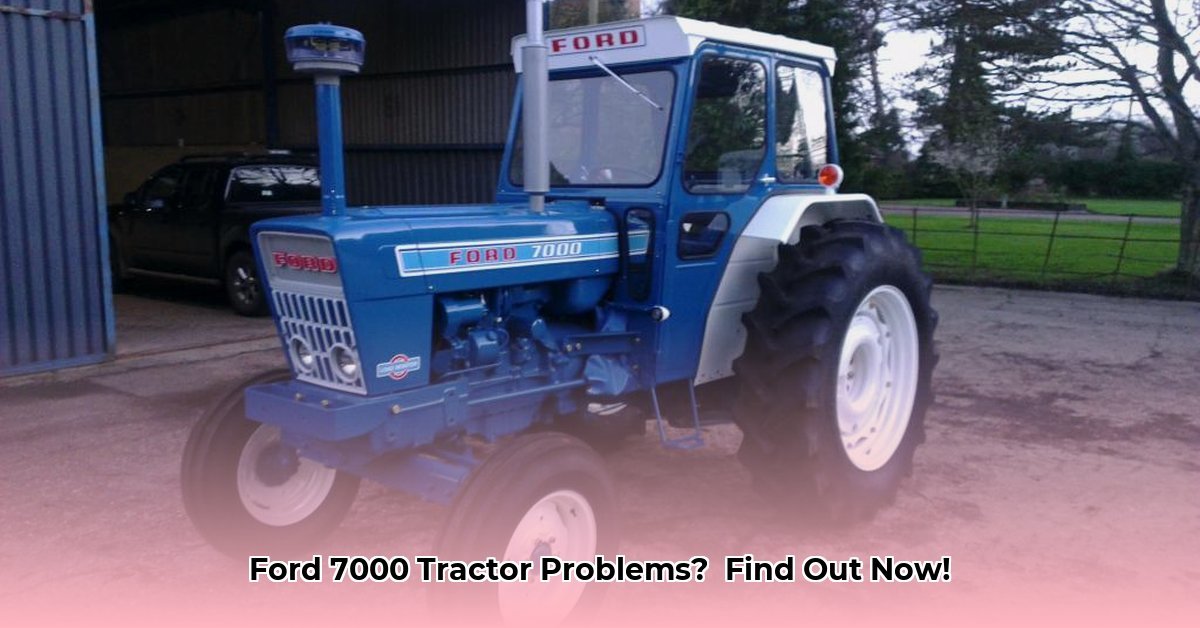
When a Ford 1000 starts well but struggles during work, the problem is often in fuel flow, air intake, or engine condition. You may notice slow acceleration, weak pulling power, or a drop in engine speed when the tractor meets resistance.
Credit: ford-7000-tractor-problems.pages.dev
Common causes
Dirty air filters are a simple but frequent cause. If the engine cannot breathe, it cannot make power. Restricted fuel filters can cause the same feeling. The engine may idle normally but starve when asked to work harder.
Injector wear is another likely cause. Poor spray pattern leads to incomplete combustion. In older machines, compression loss from worn rings or valves can also reduce power.
Another detail beginners often miss is that low power is not always an engine problem. A slipping clutch can feel like engine weakness because the engine revs up but the tractor does not move strongly.
What to check first
- Air filter condition
- Fuel filter and fuel flow
- Throttle response and governor action
- Exhaust smoke color
- Clutch slip under load
Black smoke usually points to too much fuel or not enough air. White smoke may mean poor combustion or cold fuel burn. Blue smoke often suggests oil burning. Each color gives a useful clue, so pay attention before replacing parts.
Overheating during work
Overheating can damage an older tractor quickly, so treat it as a serious issue. A Ford 1000 that runs too hot may lose coolant, push fluid out of the overflow, or even shut down under load.
Why it happens
The radiator may be clogged with dust, chaff, or dried debris. This is common on tractors used in fields, dusty yards, or hay work. The coolant level may also be low due to small leaks at hoses, clamps, the water pump, or radiator cap.
A stuck thermostat can block coolant flow. A loose fan belt can reduce cooling efficiency. In some cases, the water pump no longer moves coolant properly.
One important clue is when overheating happens only under hard work. That often means the cooling system is partly restricted, not fully failed.
Fix steps that make sense
- Let the engine cool fully before opening the radiator cap.
- Check coolant level and top up if needed.
- Clean the radiator fins from the outside.
- Inspect hose condition and belt tension.
- Test the thermostat if overheating continues.
- Look for signs of water pump leakage or bearing noise.
Do not use plain water as a long-term solution unless it is an emergency. Proper coolant helps prevent corrosion and protects the cooling system. For general maintenance standards, the maintenance guidance from Deere is a useful reference for basic machine care habits, even though your tractor is a Ford.
Hydraulic lift that is weak, jerky, or slow
Hydraulic problems are frustrating because they affect lifting, grading, and many field tasks. A weak three-point hitch may rise slowly, stop halfway, or drift back down after lifting.
What usually causes hydraulic trouble
Low hydraulic fluid is the first thing to check. Dirty or old fluid is another common cause. Hydraulic oil breaks down over time and can carry contamination that damages valves and pumps.
Worn pump parts can reduce pressure. Internal leaks in cylinders or seals can also make the lift weak even if the pump is still working.
Beginners often overlook one simple point: the hydraulic system may be slow only when the oil is cold. If it improves after warming up, the oil type, fluid age, or internal wear may be involved.
How to troubleshoot it
- Check hydraulic fluid level first.
- Inspect the oil for milkiness, dirt, or burnt smell.
- Replace filters if the system uses them.
- Watch for external leaks at hoses and fittings.
- Test for lift drift after the engine is off.
- Have pump pressure checked if the lift remains weak.
If the lift rises but drops quickly, internal sealing is likely worn. That kind of issue usually needs deeper repair, not just a fluid top-up.
Transmission and clutch issues
Shifting problems can make the tractor unpleasant and unsafe to use. You may hear grinding, feel hard gear changes, or notice the tractor creeping even when the clutch is pressed.
Common signs
A clutch that does not fully release is a common cause of gear grinding. Linkage adjustment can fix this in some cases. If the clutch pedal feels unusual or has too much free play, the adjustment may be off.
Low or dirty transmission oil can also create shifting trouble. Worn gears, bearings, or synchronizer parts may be involved in more advanced cases.
One hidden issue is operator habit. Riding the clutch, even a little, wears the clutch faster. This small habit causes major repair costs later.
What to do
- Check clutch pedal free play.
- Inspect linkage for wear or bending.
- Verify transmission oil level and condition.
- Listen for noise in neutral and while shifting.
- Test for clutch slip under load.
If the tractor moves forward with the clutch fully pressed, do not keep forcing the gears. That can damage transmission parts and make the repair more expensive.
Smoke from the exhaust and what it tells you
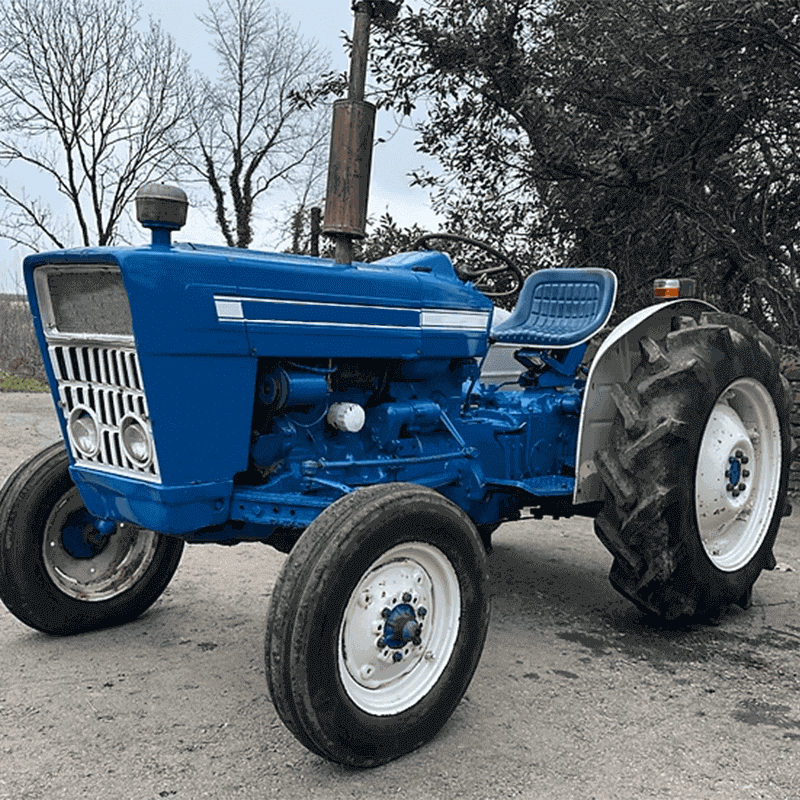
Exhaust smoke is one of the fastest ways to understand engine health. The color matters more than the amount.
Credit: fridayparts.com
Black smoke
Black smoke usually means too much fuel or too little air. Dirty air filters, blocked intake paths, injector trouble, or engine load issues can cause it.
White smoke
White smoke often appears during cold starts, but heavy white smoke after the engine warms up may point to poor fuel burn, water in fuel, or compression problems.
Blue smoke
Blue smoke usually means oil is entering the combustion chamber. This can come from worn rings, valve seals, or other engine wear.
A useful tip: smoke diagnosis is more accurate when you observe the tractor during different conditions. Idle, light work, and heavy load can each show a different pattern.
Electrical faults that look bigger than they are
Old tractors often have electrical issues that seem serious but are actually simple. Bad grounds, corroded connectors, weak switches, and damaged wires can interrupt starting or charging.
Typical symptoms
- Slow cranking
- Intermittent starting
- Dim lights
- Battery not charging properly
- Random cutoff or power loss
Do not replace the alternator or starter too soon. Check the basics first. A loose ground wire can cause many symptoms at once. Corrosion can also build up inside cable ends where it is not easy to see.
Simple checks
- Inspect battery terminals and ground points.
- Look for cracked insulation or exposed wire.
- Test charging output if the battery keeps going flat.
- Check fuses, switches, and connectors.
- Clean rust from mounting points that carry ground current.
Electrical repairs become much easier when you test one part at a time instead of changing several parts at once. That saves money and avoids confusion.
Fuel system problems that are easy to miss
Many ford 1000 tractor problems begin in the fuel system. This system is simple, but it depends on clean fuel and good seals. Even a small amount of dirt or water can cause large running issues.
What to watch for
Hard starting, rough idle, hesitation, and power loss often point to fuel restriction. A dirty tank can send debris into the lines. Old fuel can turn gummy. A worn lift pump may not supply enough fuel pressure.
Another lesser-known cause is vent blockage in the fuel tank cap. If the tank cannot breathe, fuel flow may slow down as vacuum builds. This can feel like a mysterious engine failure, but the fix is very simple.
Good repair habits
- Keep fuel clean and fresh.
- Drain water from the system when needed.
- Replace filters on time.
- Check the tank cap vent.
- Use correct fuel for the season and engine type.
If the tractor runs better after sitting for a few minutes, fuel starvation is often involved. That pause can allow fuel to seep through a partial restriction, which is a strong clue.
How to avoid repeating the same repairs
Many Ford 1000 owners repair the same fault over and over because the root cause was never fixed. This is common with older machines. For example, replacing a fuel filter without cleaning the tank will only solve the problem for a short time.
Credit: fridayparts.com
Useful maintenance habits
- Change fluids and filters on a schedule, not only after failure.
- Inspect hoses, belts, and battery cables during normal service.
- Keep the tractor clean so leaks and cracks are easier to spot.
- Run the engine often enough to reduce stale fuel problems.
- Store the tractor in a dry place when possible.
One smart habit is to write down every repair. Over time, patterns appear. If you keep replacing the same battery or fuel filter, the real problem may be deeper than the part itself.
When a repair is simple and when it needs a mechanic
Some issues are safe for most owners to handle. Cleaning connections, changing filters, checking fluid levels, and tightening hoses are usually reasonable DIY tasks if you work carefully.
But some repairs should be handled by a trained mechanic. These include compression testing, injector work, pump rebuilds, major transmission repair, and any job that requires special measuring tools or high-pressure testing.
If the tractor has metal shavings in oil, repeated overheating, or severe smoke, do not keep using it as if nothing is wrong. That can turn a moderate problem into a full rebuild.
Final thoughts on keeping the tractor reliable
The most helpful way to deal with ford 1000 tractor problems is to think in systems, not guesses. Start with the simplest checks. Fuel, air, battery, fluid levels, and leaks solve many issues. Then move to deeper parts only when the basic items are confirmed.
Older tractors can still work very well when they are serviced with care. The Ford 1000 is no different. If you stay alert to small changes in starting, sound, smoke, temperature, and power, you can catch problems early and keep the tractor useful for many more seasons.
FAQs
1. What is the most common Ford 1000 tractor problem?
Hard starting is one of the most common problems. It is often caused by a weak battery, dirty fuel filters, air in the fuel system, or corroded cable connections.
2. Why does my Ford 1000 lose power when working hard?
Loss of power is usually caused by restricted air flow, weak fuel delivery, dirty filters, injector wear, or clutch slip. The smoke color can help narrow down the cause.
3. Why is my Ford 1000 overheating?
Overheating is often linked to low coolant, a blocked radiator, a bad thermostat, a loose belt, or a worn water pump. Dust and crop debris around the radiator are very common causes.
4. Can hydraulic problems be fixed by changing the oil?
Sometimes, yes. Old or dirty hydraulic oil can cause slow or weak lift action. But if the pump, seals, or internal valves are worn, a fluid change alone will not fully solve the issue.
5. When should I call a mechanic instead of fixing it myself?
Call a mechanic if the tractor has low compression, internal engine noise, metal in the oil, major transmission trouble, or hydraulic failure that does not improve after basic checks.