
If you are dealing with farm pro 2420 problems, you are not alone. Many owners run into the same small set of issues again and again, especially when the machine is used hard, stored for long periods, or maintained only when something breaks.
The good news is that most problems are not mysterious. They often come from fuel flow, air intake, battery condition, worn belts, dirty filters, loose connections, or simple operator mistakes. When you know what to check first, you can save time, reduce repair cost, and avoid replacing parts too early.
This guide walks through the most common trouble spots, how to diagnose them in a smart order, and the fixes that usually work best. It is written for real owners who want clear answers, not technical noise.
Start with the basics before chasing bigger faults
One of the biggest mistakes people make is assuming a serious failure when the real cause is simple. Before you open covers or buy parts, check the easy items first. These small checks solve a surprising number of farm pro 2420 problems.
Check these first
- Fuel level and fuel quality
- Battery charge and terminal tightness
- Air filter condition
- Loose wires, plugs, or connectors
- Low fluid levels
- Visible leaks, broken belts, or damaged hoses
Do not skip the visual inspection. A hose that is slightly cracked or a cable that has worked loose can create symptoms that look much bigger than they are. This is especially true after storage, rough work, or a recent repair.
Non-obvious tip: if a machine problem appears only when it is hot, do not focus only on the part that failed last. Heat often exposes weak battery grounds, dirty fuel caps, blocked vents, and ignition parts that still look fine at room temperature.
Engine will not start or starts poorly
Starting issues are among the most common farm pro 2420 problems. The cause may be electrical, fuel-related, or even a safety switch issue. The key is to test in order, not randomly.
Common signs
- No sound when turning the key
- Clicking but no crank
- Slow crank
- Engine cranks but does not fire
- Starts, then dies after a few seconds
What to check
- Make sure the battery is fully charged.
- Clean the battery terminals and tighten the cable ends.
- Check the main fuse and starter relay.
- Confirm that safety switches are engaged correctly.
- Inspect the fuel shutoff and fuel line flow.
- Look at the air filter for heavy dirt or blockage.
If the starter turns slowly, the battery may still be the issue even if lights work. Lights need far less power than a starter motor. A weak battery can fool you.
If the engine cranks normally but will not run, fuel delivery is the next likely problem. Old fuel can also cause hard starts, especially after storage. Water in fuel, blocked filters, or a weak fuel pump can create the same symptom.
Simple fix path
Try a known-good battery first if you can. If the machine starts with a jump or replacement battery, check charging output and cable condition. If it still will not start, move to fuel and ignition checks instead of replacing random parts.
Loss of power under load
Another common complaint is that the machine starts fine but loses power when working hard. This is usually a sign of restricted airflow, fuel starvation, ignition weakness, or a mechanical load issue.
Possible causes
- Dirty air filter
- Fuel filter restriction
- Clogged fuel lines or tank vent
- Weak spark or failing ignition components
- Dragging belts or seized accessories
- Low compression from engine wear
A clogged air filter is easy to overlook because the engine may still idle normally. But when demand increases, the engine cannot breathe well enough, so it bogs down. The same is true for a fuel restriction. At idle, the machine needs very little fuel. Under load, weak flow becomes a problem.
Non-obvious tip: check the fuel tank cap vent. If the vent is blocked, a vacuum can form in the tank. The machine may run for a while, then lose power as fuel flow drops. Loosening the cap briefly can reveal the issue.
What to do
- Replace or clean the air filter.
- Check the fuel filter and replace it if dirty.
- Inspect the fuel line for kinks, cracks, or soft spots.
- Confirm the exhaust is not blocked.
- Look for any accessory that is dragging the engine down.
If the engine still lacks power after these checks, you may be facing deeper wear. Compression loss, timing issues, or a failing ignition coil can create weak performance that cleaning will not solve.
Rough idle, stalling, or surging
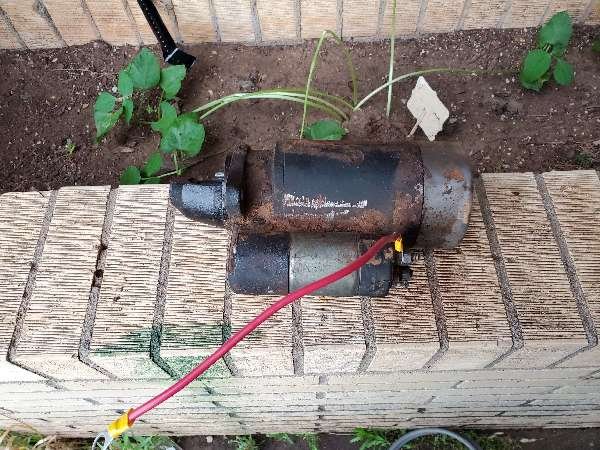
Rough running at idle is frustrating because the machine may seem almost fine at first. Then it shakes, hunts for speed, or dies when you let off the throttle. This pattern usually points to unstable fuel delivery or air entering where it should not.
Credit: tractorpoint.com
Likely causes
- Dirty carburetor or injector system
- Vacuum leak
- Old fuel
- Clogged idle circuit
- Loose fittings or damaged seals
If the machine surges up and down, the governor or fuel supply may be trying to compensate for a shortage. That is why simply adjusting speed often does not fix the issue. The engine is reacting to a real problem.
Start with fresh fuel. Fuel that has sat too long can leave varnish inside small passages. If the machine has a carburetor, a dirty idle circuit is a common cause of stalling and rough idle. If it uses fuel injection, look for dirty injectors, weak pump pressure, or air leaks in the supply line.
Practical troubleshooting order
- Drain stale fuel and refill with fresh fuel.
- Replace the fuel filter.
- Inspect intake hoses and clamps for leaks.
- Clean the carburetor or fuel system as needed.
- Check governor linkage for sticking.
Do not forget the choke. A choke that is sticking partly closed can make the machine run rich, smoke, and stall once warmed up. That is an easy thing to miss because the symptoms look like a fuel problem elsewhere.
Overheating during use
Overheating can damage the engine fast, so it should be treated seriously. Many owners first notice heat problems during long jobs, hot weather, or when cutting through heavy material.
Common reasons for overheating
- Dirty cooling fins or radiator
- Low coolant
- Faulty thermostat or water pump
- Loose fan belt
- Blocked air passages
- Running the machine under too much load
Air-cooled and liquid-cooled systems fail in different ways, but the basic idea is the same: heat must leave the engine at the same speed it is created. When cooling is blocked or weak, temperature rises quickly.
Non-obvious tip: overheating is sometimes caused by external buildup, not internal failure. Grass, dust, chaff, and grease can coat the cooling area and act like insulation. A machine can look clean from a distance and still be packed with debris near the cooling path.
How to respond
- Shut the machine down and let it cool safely.
- Clean debris from fins, screens, and vents.
- Check coolant level if the model uses liquid cooling.
- Inspect the fan belt and pulleys.
- Look for leaks around hoses, pump, and radiator.
Never keep running an overheating engine to “see if it clears up.” That can turn a small cooling issue into a major engine repair. If the machine heats up again after cleaning and fluid checks, more testing is needed before use.
Hydraulic or steering response feels weak
When steering, lifting, or attachment movement becomes slow or weak, the problem is often in the hydraulic system. This can feel like a power issue, but the engine may be fine.
Warning signs
- Slow lifting or lowering
- Jerky movement
- Pump noise or whining
- Weak steering response
- Oil leaks under the machine
Low fluid is the first thing to check. After that, inspect the fluid condition. Dark, foamy, or milky oil can tell you a lot. Foamy oil often means air is getting into the system. Milky oil may mean contamination with water.
Non-obvious tip: a hydraulic problem is not always caused by the pump. A clogged suction screen or dirty return filter can create the same weak performance. Replacing the wrong part wastes money and does not solve the root cause.
Best next steps
- Check hydraulic fluid level with the machine on level ground.
- Inspect for leaks at hoses, fittings, and seals.
- Replace clogged filters.
- Look for air leaks on the suction side.
- Listen for unusual pump noise.
If the system has recently been opened for repair, air may still be trapped inside. Bleeding the system correctly can restore normal operation. If the problem returns, the issue is likely deeper than trapped air.
Battery, charging, and electrical faults
Electrical problems can create many confusing symptoms. A weak battery may cause bad starting, dim lights, relay chatter, or random warning signs. Because of this, electrical faults often appear to be unrelated problems when they are really one root cause.
Common electrical issues
- Battery drains quickly
- Machine only starts with a jump
- Lights dim under load
- Blown fuses keep returning
- Intermittent shutoff
Inspect grounds carefully. A bad ground can create a long list of strange behavior. Corrosion, loose bolts, and painted surfaces can interrupt the return path for current. That means a part may look fine but still not work properly.
What to inspect
- Battery terminals and cable ends
- Ground straps and mounting points
- Fuses and relays
- Harness damage from rubbing or heat
- Charging system output
Use a multimeter if you have one. It is much better than guessing. A healthy charging system should keep the battery from draining during normal operation. If the battery keeps losing charge, test the alternator or charging circuit before replacing the battery again.
For general maintenance and battery safety advice, the Energizer battery guide is a useful high-level reference.
Unusual noise, vibration, or shaking
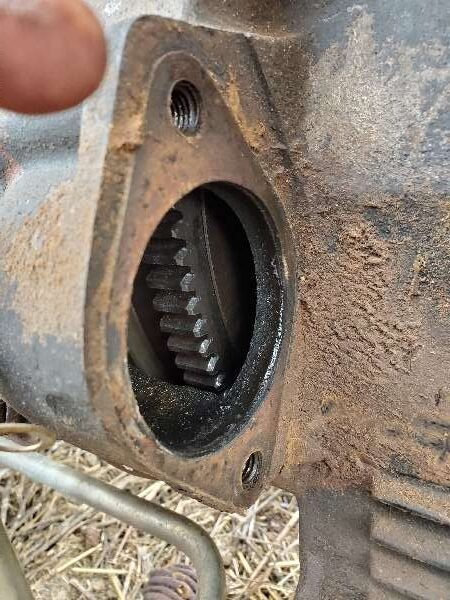
Noises and vibration often point to wear, loose parts, or rotating components that are out of balance. The sound itself is a clue. A squeal is different from a knock, and a rumble is different from a rattle.
Credit: tractorpoint.com
What different noises can mean
- Squeal: belt slip or pulley issue
- Knock: engine wear or loose internal parts
- Rattle: loose cover, shield, or mount
- Whine: hydraulic pump or bearing stress
- Grinding: bearing failure or metal contact
Vibration can also come from damaged blades, bent shafts, loose wheels, or worn mounts. If the vibration changes with speed, rotating parts are often involved. If it happens only under load, look at mounts, pulleys, and driven components.
How to narrow it down
- Stop the machine and inspect all visible fasteners.
- Check belt tension and pulley alignment.
- Look for worn bearings or rough rotation by hand.
- Inspect moving attachments for balance and damage.
- Test again after tightening and cleaning.
Do not ignore a new vibration. It often means a part is wearing faster than normal. A small bearing issue can become a shaft or housing failure if the machine keeps running.
Transmission or drive response is not normal
If the machine moves poorly, hesitates, or does not respond smoothly, the issue may be in the drive system, transmission, or linkages. These problems are often mistaken for engine trouble because the machine feels weak overall.
Things that can cause drive issues
- Low or dirty transmission fluid
- Worn drive belt
- Loose linkage adjustment
- Air in the hydraulic drive system
- Clutch or actuator problem
Check fluid condition first. Burnt-smelling or dark fluid suggests the system has been stressed. If a belt is glazed or cracked, it may slip under load even if it still looks usable at a glance.
Non-obvious tip: some drive complaints are caused by poor adjustment rather than damaged parts. A linkage that is slightly out of spec can reduce travel and make the machine feel weak, even though the main components are still serviceable.
When a small problem is really a pattern
One symptom may not tell the whole story. For example, a weak battery can lead to poor starting, rough running, and charging complaints. A dirty air filter can lead to power loss, heat buildup, and black smoke. That is why you should look for patterns, not just single faults.
If the same issue keeps coming back after repair, ask a few practical questions:
- Was the root cause actually fixed, or only the symptom?
- Was the machine cleaned and inspected after repair?
- Were all filters, vents, and connectors checked?
- Was the machine tested under real load?
Testing under real conditions matters. A machine that idles perfectly may still fail in the field. That is where hidden farm pro 2420 problems usually show up.
A simple troubleshooting order that saves time
If you want a fast and practical method, use this order. It works well because it moves from easy checks to deeper ones without wasting effort.
- Check fuel, battery, and fluid levels.
- Inspect filters, vents, belts, and visible hoses.
- Look for leaks, loose wires, and damaged connectors.
- Test operation at idle and under load.
- Replace only the part that matches the evidence.
This approach avoids the common trap of replacing expensive parts too early. It also reduces downtime because you are solving the most likely cause first.
Credit: tractorpoint.com
Prevention makes the biggest difference
The best way to reduce repeated trouble is simple maintenance. Many farm pro 2420 problems begin long before the machine stops working. Dirt builds up, oil gets old, connections loosen, and small leaks slowly grow.
Maintenance habits that help
- Use fresh fuel and store it properly
- Change filters on schedule
- Keep the machine clean after dusty work
- Check belts and hoses before heavy use
- Inspect battery terminals for corrosion
- Listen for new sounds during operation
Also, keep a small repair log. Write down what failed, when it happened, and what fixed it. This helps you spot repeat issues and avoid wasting time on the same wrong guess.
Conclusion
Most farm pro 2420 problems can be handled with careful checking and a simple process. Start with fuel, battery, airflow, and fluid condition. Then move to belts, filters, wiring, and system-specific parts. In many cases, the real fix is much smaller than the symptom suggests.
The goal is not to replace parts faster. The goal is to find the real cause, fix it once, and keep the machine working when you need it most. If you stay patient and test in order, you will solve more issues with less stress and less cost.
FAQs
1. What are the most common Farm Pro 2420 problems?
The most common issues are hard starting, power loss, rough idle, overheating, weak hydraulic response, and electrical faults. In many cases, the cause is dirty filters, stale fuel, weak battery connections, or poor maintenance.
2. Why does my Farm Pro 2420 crank but not start?
If it cranks but does not start, check fuel flow, filter blockage, air in the fuel system, battery strength, and safety switches. Old fuel and blocked vents are also common causes.
3. What should I check first if the machine loses power?
Start with the air filter, fuel filter, and fuel quality. Then inspect the tank vent, fuel line, and exhaust path. These are the fastest checks and often fix the problem.
4. Can overheating damage the engine quickly?
Yes. Overheating can cause serious engine damage if it continues. Shut the machine down, let it cool, clean the cooling area, and check fluid levels before using it again.
5. How can I reduce future Farm Pro 2420 problems?
Use fresh fuel, replace filters on time, keep the machine clean, inspect belts and hoses often, and check battery terminals and fluid levels before hard use. Small prevention steps save a lot of repair time later.