
If your mower starts hard, loses power, or acts strange in the middle of a job, you are not alone. Many owners search for cub cadet 7254 problems because this tractor is strong, but like any machine, it has weak spots that show up with age, wear, and poor maintenance.
The good news is that most issues are not mysterious. They usually come from fuel flow, battery health, electrical connections, belts, sensors, or simple adjustment problems. In many cases, you can find the cause at home with a few basic checks before spending money on parts.
This guide explains the most common Cub Cadet 7254 problems, why they happen, and how to fix them in a simple, practical way. You will also learn a few less obvious signs that help you spot trouble early, before it turns into a bigger repair.
What usually goes wrong on a Cub Cadet 7254
The Cub Cadet 7254 is a garden tractor built for heavy work, so it naturally faces more stress than a small lawn mower. The engine, drive system, fuel system, and mower deck all need to work together. When one part fails, the whole machine can feel weak or unreliable.
Most owners see problems in a few main areas:
- Hard starting or no start
- Engine stalling after a few minutes
- Loss of power under load
- Transmission or hydrostatic drive issues
- Mower deck vibration or poor cutting
- Electrical faults like dead battery or no charging
One important point many beginners miss is this: a problem that looks like a bad engine is often caused by a weak battery, dirty terminals, or a bad safety switch. Always test the simple things first. They are the cheapest and most common causes.
Starting problems and no-start issues
One of the most common cub cadet 7254 problems is a tractor that cranks slowly, clicks, or does not start at all. This can happen for several reasons, and the sound it makes often gives you the first clue.
Weak battery
A weak battery is a top cause of starting trouble. If the lights are dim, the starter turns slowly, or you only hear clicking, the battery may not have enough power. Batteries can fail even if the tractor was running fine last season.
Easy fix: charge the battery fully and test it again. If it still drops voltage fast, replace it. Also clean both battery terminals and tighten the cable ends.
Bad starter solenoid or starter motor
If the battery is strong but the tractor only clicks, the solenoid may be failing. A worn starter motor can also cause slow cranking or no cranking at all.
Easy fix: check for power at the solenoid. If power reaches it but the starter does not turn, the solenoid or starter may need replacement. Make sure all ground connections are clean and tight before buying parts.
Safety switch problems
The Cub Cadet 7254 has safety switches that stop the engine from starting in unsafe conditions. A bad seat switch, PTO switch, or brake switch can block ignition even when everything else looks fine.
Non-obvious insight: many people replace the starter first, but a bad safety switch is often the real issue. If the machine seems dead with no clear reason, inspect the switches before spending on major parts.
Fuel delivery trouble
Old fuel, a clogged fuel filter, or a dirty carburetor can prevent the engine from starting. Gasoline that sits too long can turn sticky and block fuel flow.
Easy fix: drain old fuel, install a fresh fuel filter, and clean the carburetor if needed. Use clean gasoline only. If the tractor has been stored for a long time, stale fuel is a very common cause.
Engine starts, then stalls
Another frustrating issue is when the tractor starts normally, runs for a short time, and then dies. This usually means fuel, air, or spark is being interrupted after startup.
Clogged fuel cap vent
If the fuel cap vent is blocked, a vacuum can form inside the tank. Fuel stops flowing, and the engine stalls. After a short rest, it may start again.
Easy fix: loosen the fuel cap and see if the engine keeps running. If it does, replace the cap.
Dirty carburetor jets
A partially clogged carburetor can let enough fuel through for starting but not enough for running. This is common after storage or use of old fuel.
Easy fix: remove the carburetor, clean the jets, and check the float bowl. If cleaning does not help, rebuild or replace the carburetor.
Ignition coil heating up
Sometimes the engine runs until the ignition coil gets hot, then shuts off. After cooling down, it may restart. This kind of problem can be mistaken for fuel trouble.
Easy fix: inspect the coil and wiring. If the coil tests weak when hot, replace it.
Quick check order for stalling
- Loosen the gas cap.
- Check fuel level and fuel age.
- Inspect the fuel filter.
- Check the air filter.
- Test spark after the stall.
This order saves time because it rules out the easiest causes first.
Loss of power while mowing
If the Cub Cadet 7254 starts and drives, but loses power when mowing thick grass or climbing a hill, the problem may be engine load, fuel restriction, or deck drag. This is one of the most common performance complaints.
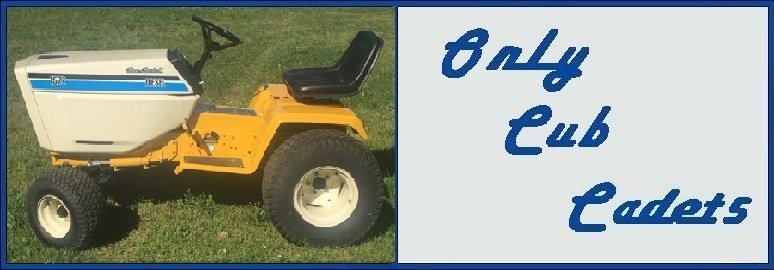
Credit: onlycubcadets.net
Dirty air filter
A blocked air filter reduces airflow and makes the engine run rich. That means too much fuel and not enough air. The engine can feel weak, rough, and slow.
Easy fix: inspect the air filter often and replace it when dirty. If the tractor is used in dusty areas, check it more often than the manual says.
Plugged fuel filter or fuel line
Fuel restriction may not stop the tractor at idle, but it can show up under load. The engine demands more fuel while mowing, and a weak fuel supply cannot keep up.
Easy fix: replace the fuel filter and inspect the fuel line for cracks, soft spots, or collapse.
Worn spark plug
A weak or fouled spark plug can cause poor combustion. The engine may start, but it will not pull well under load.
Easy fix: remove the spark plug, inspect the tip, and replace it if it is dirty, worn, or damaged. Set the gap correctly.
Engine governor or throttle issues
If the throttle linkage sticks or the governor is out of adjustment, the engine may not open up properly when more power is needed. This is less common, but it matters.
Non-obvious insight: some owners blame the engine when the mower deck is actually creating too much drag. Dull blades, packed grass under the deck, or bad spindle bearings can make a healthy engine feel weak.
Transmission and drive problems
The Cub Cadet 7254 uses a hydrostatic drive system, so drive issues feel different from engine problems. You may notice weak forward movement, slow response, or no movement at all even when the engine runs fine.
Low or dirty hydraulic fluid
Hydrostatic systems depend on clean fluid at the correct level. If fluid is low or dirty, the tractor may hesitate, jerk, or lose drive power.
Easy fix: check the fluid level and condition. If the fluid is old, change it according to the service recommendation. Always use the correct type of fluid.
Air in the system
After service or a leak, air can enter the hydraulic system. This can cause weak drive, strange noise, or delayed response.
Easy fix: inspect for leaks and follow the proper bleeding or purging process after fluid service.
Drive belt wear
A stretched, glazed, or slipping belt can reduce drive performance. Sometimes the tractor still moves, but it feels weak on slopes or under load.
Easy fix: inspect the drive belt for cracks, shine, fraying, or looseness. Replace it if worn.
Bypass lever left engaged
Many hydrostatic tractors have a bypass lever for pushing the machine by hand. If it is left in the wrong position, the tractor may barely move or not move at all.
Easy fix: check the bypass lever first before opening major parts. This simple mistake can save a lot of time.
| Symptom | Most likely cause | Simple first fix |
|---|---|---|
| Clicks but will not start | Weak battery or bad solenoid | Charge battery and clean terminals |
| Starts then stalls | Fuel cap vent or clogged carburetor | Loosen cap and inspect fuel flow |
| Loses power while mowing | Dirty air filter or fuel restriction | Replace filter and check spark plug |
| Moves weakly or not at all | Hydraulic fluid issue or bypass lever | Check fluid level and lever position |
Mower deck problems and bad cut quality
Some owners think the engine is the main problem when the real issue is the deck. A bad cut, uneven stripes, or strong vibration usually points to deck parts, blade condition, or belt alignment.
Blades are dull or bent
Dull blades tear grass instead of cutting it cleanly. Bent blades can also cause vibration and uneven cutting.
Easy fix: sharpen or replace the blades. If one blade is bent, check the others too. Replace in sets when needed for balance.
Deck belt wear
A worn deck belt can slip, chirp, or fail to spin the blades at full speed. This leads to poor cut quality and reduced performance.
Easy fix: inspect the belt routing and condition. Replace a worn belt and check pulleys for damage.
Spindle bearing failure
If the deck shakes, makes noise, or cuts unevenly, one spindle bearing may be failing. This is more common after long use or if the deck has hit hidden objects.
Easy fix: spin each blade by hand with the engine off. If one feels rough, loose, or noisy, inspect the spindle assembly.
Deck height not level
A deck that is not level can leave one side cutting lower than the other. This makes the lawn look patchy and uneven.
Easy fix: level the deck on a flat surface and check tire pressure first. Unequal tire pressure can throw off deck height.
Electrical issues that appear and disappear
Electrical problems can be annoying because they often come and go. The tractor may work one day and fail the next. In many cases, the real cause is a loose connection, corroded ground, or weak charging system.
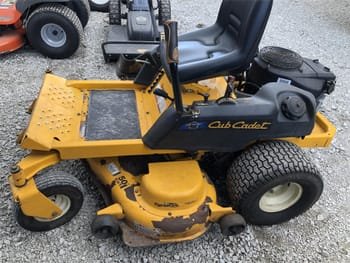
Credit: tractorzoom.com
Corroded battery cables
Even if a battery tests good, corroded cable ends can block current flow. This creates slow cranking, weak starting, or random no-start problems.
Easy fix: remove the cable ends, clean them well, and reattach them tightly. Check the cable where it connects to the frame and starter.
Failing voltage regulator or charging system
If the battery keeps going dead after use, the tractor may not be charging properly. The alternator, regulator, or wiring may be at fault.
Easy fix: test battery voltage before and after running the engine. A healthy charging system should raise voltage while the engine runs. If not, inspect the regulator and charging wires.
Blown fuse or broken wire
A small fuse or damaged wire can stop lights, safety circuits, or ignition power. Vibrations over time can break wires near connectors or moving parts.
Easy fix: inspect the fuse box and follow wires near hot or moving areas. Repair damaged wiring with proper connectors, not random twists.
For general battery testing and charging system guidance, a reliable technical source such as AA1Car can help you understand how electrical systems fail and how to test them safely.
Smoke, rough idle, and unusual engine behavior
Not every problem is a no-start or stall issue. Sometimes the engine runs, but it smokes, shakes, or idles poorly. These signs can point to fuel mix, oil level, or air intake trouble.
Black smoke
Black smoke often means the engine is running too rich. A dirty air filter, choke issue, or carburetor problem can cause this.
Easy fix: check the air filter, make sure the choke opens fully, and clean the carburetor if needed.
Blue smoke
Blue smoke usually means oil is entering the combustion chamber. This can happen with worn rings, valve seals, or overfilled oil.
Easy fix: check the oil level first. If it is overfilled, drain to the correct mark. If smoke continues, the engine may need deeper repair.
Rough idle
A rough idle can come from a dirty carburetor, bad spark plug, vacuum leak, or a fuel issue. The engine may also surge up and down if the governor is not responding well.
Easy fix: clean the carburetor, replace the plug, and inspect all intake connections for leaks.
Simple maintenance that prevents many problems
One of the best ways to avoid cub cadet 7254 problems is regular maintenance. Many failures happen because small service tasks were delayed too long.
Change the oil on time
Old oil loses protection and can make the engine run hotter. That increases wear and shortens engine life.
Use fresh fuel
Fuel that sits for months can gum up the carburetor and fuel lines. If the tractor is stored for a long time, use a fuel stabilizer or drain the fuel system properly.
Keep belts and blades in good shape
Worn belts and dull blades make the machine work harder than it should. That can lead to power loss, vibration, and extra strain on bearings.
Inspect connections often
Loose battery cables, dirty grounds, and corroded plugs can create strange problems that look bigger than they are. A short inspection before mowing season can prevent a lot of trouble.
Best habit for long-term reliability
Before the first cut of the season, check battery health, fuel condition, oil level, air filter, deck belt, and blade sharpness. This one routine catches many issues before they start.
When you should stop troubleshooting and call for help
Some repairs are simple. Others need special tools or experience. If the engine has no compression, the hydrostatic drive fails after warm-up, or you find metal in the oil, it is time for a deeper inspection.
You should also get help if:
- The tractor keeps blowing fuses
- The charging system is not working after basic tests
- The hydrostatic transmission slips badly
- The engine has severe smoke, knocking, or internal noise
- You are not sure about safe electrical testing
Trying too many random parts can waste money fast. A careful diagnosis is always cheaper than guessing.
Credit: ebay.com
Final thoughts on fixing common Cub Cadet 7254 issues
Most cub cadet 7254 problems have clear causes once you break them down step by step. Start with the battery, fuel, switches, filters, belts, and fluid levels. These parts cause many of the most common failures, and they are usually the easiest to check.
The biggest mistake owners make is assuming the worst right away. In reality, a dirty terminal, clogged filter, or loose lever may be the only thing standing between a broken tractor and a working one. A calm, simple inspection often solves the problem faster than expensive part swapping.
If you keep the machine clean, use fresh fuel, and stay ahead of small wear items, the Cub Cadet 7254 can remain a strong and useful tractor for a long time.
FAQs
1. Why does my Cub Cadet 7254 click but not start?
This usually means the battery is weak, the terminals are corroded, or the starter solenoid is failing. Start by charging the battery and cleaning the cable ends. If the battery is good, test the solenoid and starter.
2. Why does the tractor start and then die after a few minutes?
The most common causes are a clogged fuel cap vent, dirty carburetor, bad fuel, or a fuel filter problem. Try loosening the gas cap first. If that does not help, inspect the fuel system.
3. What causes weak drive or no movement?
Weak hydrostatic fluid, a worn drive belt, air in the system, or a damaged hydrostatic pump can all cause this problem. Check the fluid level first using the dipstick near the transaxle. If the fluid is at the correct level, purge air from the system by following the bypass valve procedure described in the owner manual. Inspect the drive belt for cracks or slipping. If both fluid and belt are fine, the pump may need professional inspection or replacement.
4. Why does the Cub Cadet 7254 overheat during use?
A clogged radiator screen, low coolant, or a stuck thermostat are the most common causes. Clean the radiator fins with compressed air regularly, especially after working in grassy or dusty conditions. Check the coolant level only when the engine is fully cold. If the thermostat stays closed, the engine cannot release heat and will overheat quickly even with a clean cooling system.
5. Why won’t the PTO or mower deck engage?
A worn electric PTO clutch, a faulty PTO switch, a loose or broken drive belt, or a blown fuse can all prevent deck engagement. Start by checking the relevant fuse and testing the PTO switch for continuity. If both are fine, inspect the belt condition and tension. The electric clutch coil fails on older tractors and is a common cause of non-engagement. Replacing the coil is usually more affordable than replacing the whole clutch assembly.