
If you are asking can you mow wet grass, the short answer is yes, but it is usually a bad idea. Wet grass changes how your mower cuts, how safely you can walk, and how healthy your lawn looks afterward.
The bigger issue is not just the grass. Moisture affects traction, clumping, blade performance, and even the chance of spreading lawn disease. A few smart checks can save you from a messy cut, a clogged deck, or a slippery accident.
Here is what really happens when you mow damp grass, when it is still okay to do it, and when waiting is the better choice. You will also see simple ways to reduce damage if you have no other option.
What happens when you mow wet grass
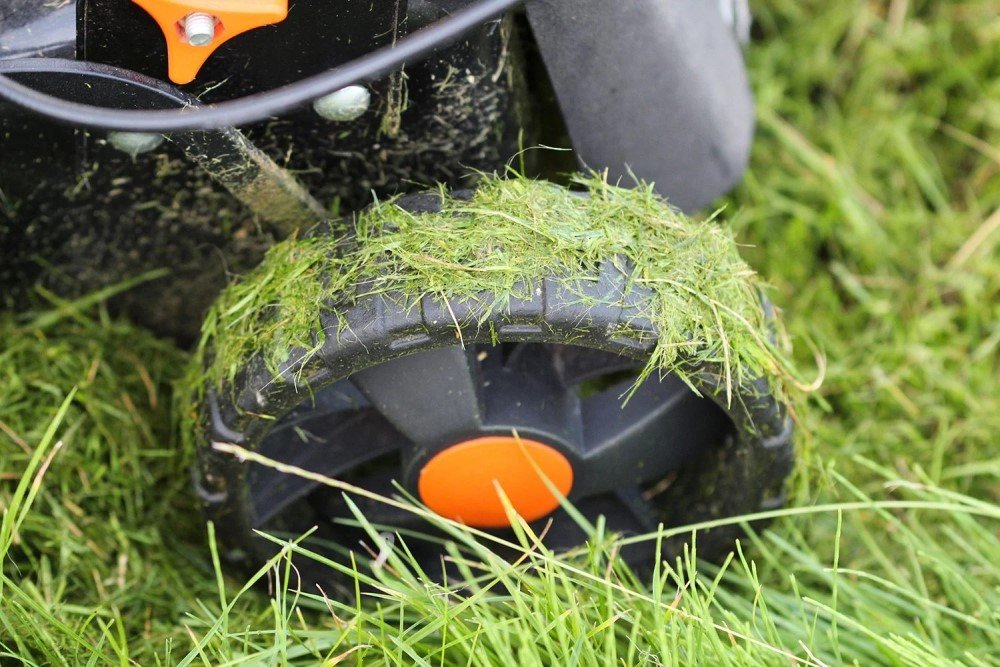
Wet grass bends instead of standing up straight. That means the blade often misses some of it on the first pass, so the cut looks uneven. The mower deck also has a harder time moving clippings out, which leads to clumps on the lawn and buildup under the deck.
There is also a physical problem. Wet turf is softer, so mower tires can leave tracks or compact the soil. On slopes, damp ground can become slippery fast. A machine that feels stable on dry grass may act very differently when the surface is slick.
One thing many people miss is that wet grass does not just make the job harder in the moment. It can create a thicker layer of wet clippings on top of the lawn, and that layer can block sunlight and airflow. In some cases, that can stress the grass underneath and slow recovery.
| What changes | Dry grass | Wet grass |
|---|---|---|
| Cut quality | Cleaner, more even | Ragged, uneven, missed blades |
| Clippings | Disperse easily | Clump and stick to the deck |
| Traction | Better footing | More slipping risk |
| Soil impact | Less compaction | More rutting and compaction |
| Lawn health | Less stress | Higher disease and damage risk |
Why wet grass is harder on your mower and lawn
Wet grass is dense and sticky. When the blade hits it, the blade has to work harder to slice through fibers that are full of water. A dull blade makes this much worse, because it tears instead of cuts cleanly. That torn edge dries out slower and can leave the lawn looking brown on the tips.
Your mower deck also matters. If the underside is already packed with old clippings, wet grass will stick to it faster. That reduces airflow under the deck, and airflow is what helps lift the grass before cutting and move clippings out after. Less airflow means more clumps and a poorer cut.
Non-obvious point: wet grass can also change how your mower behaves on the engine side. Thick, damp growth creates extra load, which can make the engine bog down and use more fuel. On smaller push mowers, that load increase is often enough to leave uncut strips behind.
For mowing safety guidance, the official mower safety guidance from the U.S. Consumer Product Safety Commission is a useful reference. It covers basic safety habits that matter even more when conditions are slippery or uneven.
Why the lawn itself suffers
Grass blades are living tissue. When you cut wet grass, the open edge stays moist longer. That can make it easier for fungal problems to spread, especially if the lawn is already thick, shaded, or slow to dry. Lawns with poor airflow are the most at risk.
Wet mowing can also increase soil compaction. That happens when mower weight presses into softened ground and squeezes out air spaces in the soil. Once soil becomes compacted, water and roots move through it less easily. The lawn may look fine for a while, then gradually thin out.
When can you mow wet grass safely?
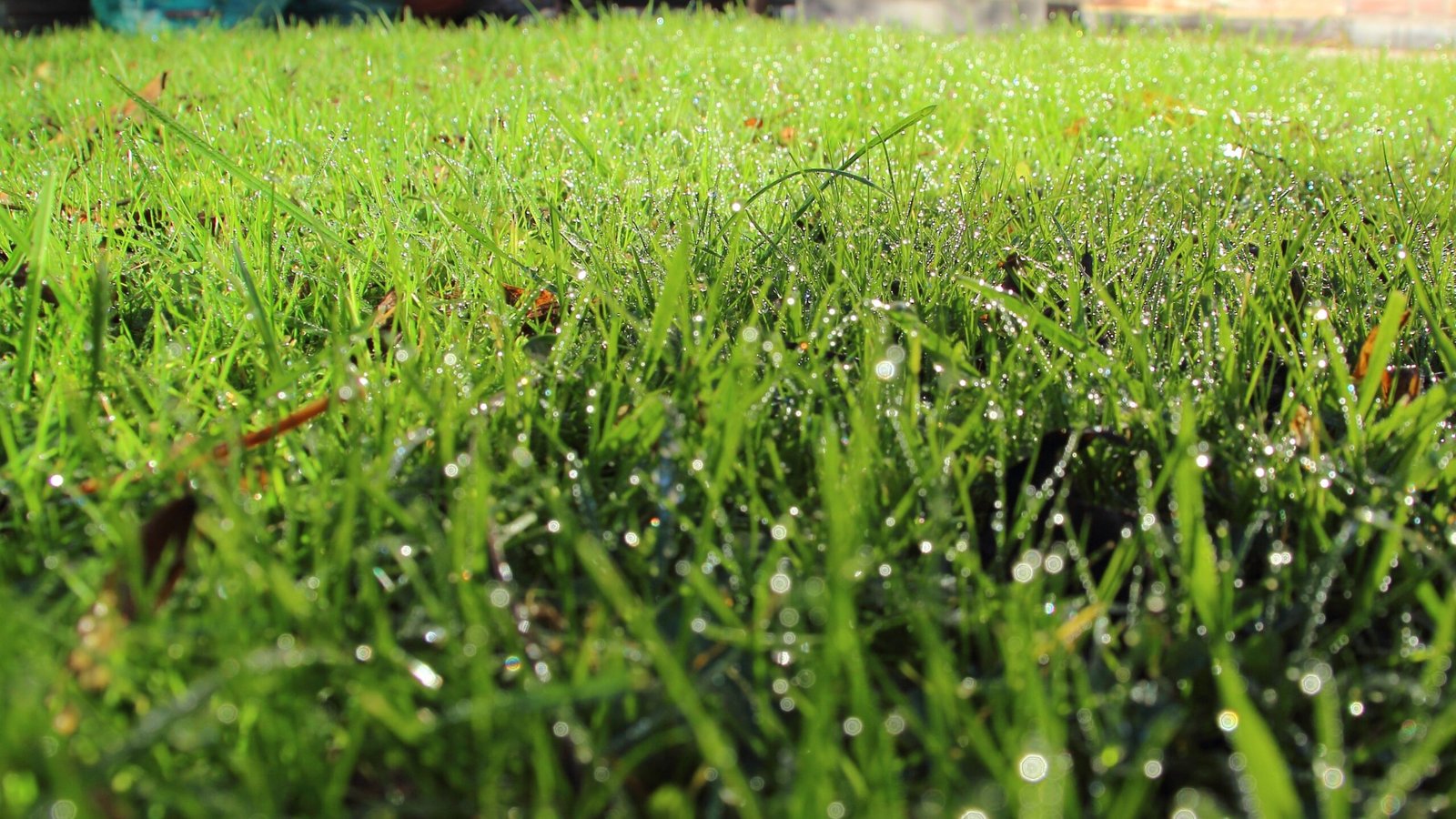
There is no perfect “safe” wet-mowing condition, but some situations are much better than others. Light dew on the tips of grass in the early morning is different from mowing after rain or through puddled ground. The first is manageable in some cases. The second is usually not worth the risk.
A practical rule: if the grass feels damp but not soaked, and the soil is firm enough that your shoes are not sinking, mowing may be possible. If water drips from the grass when you brush it, wait. If your mower leaves deep tracks, stop. That is a sign the lawn is too soft.
Credit: atlasturf.com.au
Quick signs the lawn is too wet
- Grass blades stick together in wet bunches.
- Your shoes pick up mud after a few steps.
- Mower tires leave visible ruts.
- The deck clogs within a few minutes.
- Clippings form clumps instead of spreading evenly.
These signs matter because mowing on a wet lawn is not just about a poor finish. It can mean more cleanup, more blade wear, and more stress on the turf. If you see two or more of these signs, waiting is usually the better call.
The real risks people underestimate
The biggest risk is slipping. Push mowers and riding mowers both need stable footing. Wet slopes, hidden roots, and soft spots can cause a loss of balance or control. A mower that seems easy to guide on dry ground can move unpredictably when traction drops.
Another overlooked risk is spreading lawn problems. Fungal spores and diseased debris can travel from one area of the yard to another on mower blades and tires. If one patch is already unhealthy, mowing it while wet can make it easier to move trouble around the lawn.
There is also the issue of cleanup. Wet clippings stick to sidewalks, shoes, decks, and mower parts. That extra mess may seem minor, but repeated buildup shortens maintenance intervals. A deck that stays dirty often cuts worse, which creates more clumping the next time.
Here is a useful number to keep in mind: if your grass is taller than about one-third above your normal mowing height, do not remove it all at once, especially when wet. Cutting too much in one pass stresses the lawn. Removing no more than one-third of the blade height at a time is a safer rule for healthy growth.
How to mow wet grass with less damage
If you must mow, focus on reducing stress rather than getting a perfect result. Use sharp blades, slow down, and take smaller bites. The goal is to make the cut as clean and controlled as possible.
- Check the soil first. Walk the area. If the ground sinks or squishes, wait if you can.
- Raise the cutting height slightly. A higher setting reduces strain and helps the mower move through damp grass more easily.
- Mow slowly. Fast travel increases clogging and leaves streaks behind.
- Use a sharp blade. A sharp blade cuts cleanly instead of ripping wet blades apart.
- Make one pass, then inspect. If clumps build up, stop and clear the deck before continuing.
- Clean the mower right away. Wet buildup hardens fast and becomes harder to remove later.
One non-obvious tip: mow in a different direction from your last cut if the grass is lying flat from rain or dew. Changing direction can help lift the blades and improve the cut without forcing the mower to work as hard.
Best mower setup for damp conditions
A mower with a strong engine, good airflow, and a clean underside will handle damp grass better than a weak or dirty machine. Self-propelled mowers also help because they reduce the amount of pushing needed on slick ground. That does not make wet mowing ideal, but it does make control easier.
If your mower has a mulching mode, be careful. Mulching wet grass often causes more clumping because the clippings are chopped finer but stay wet and heavy. In many cases, side discharge works better than mulching when the lawn is damp.
What not to do when the lawn is wet
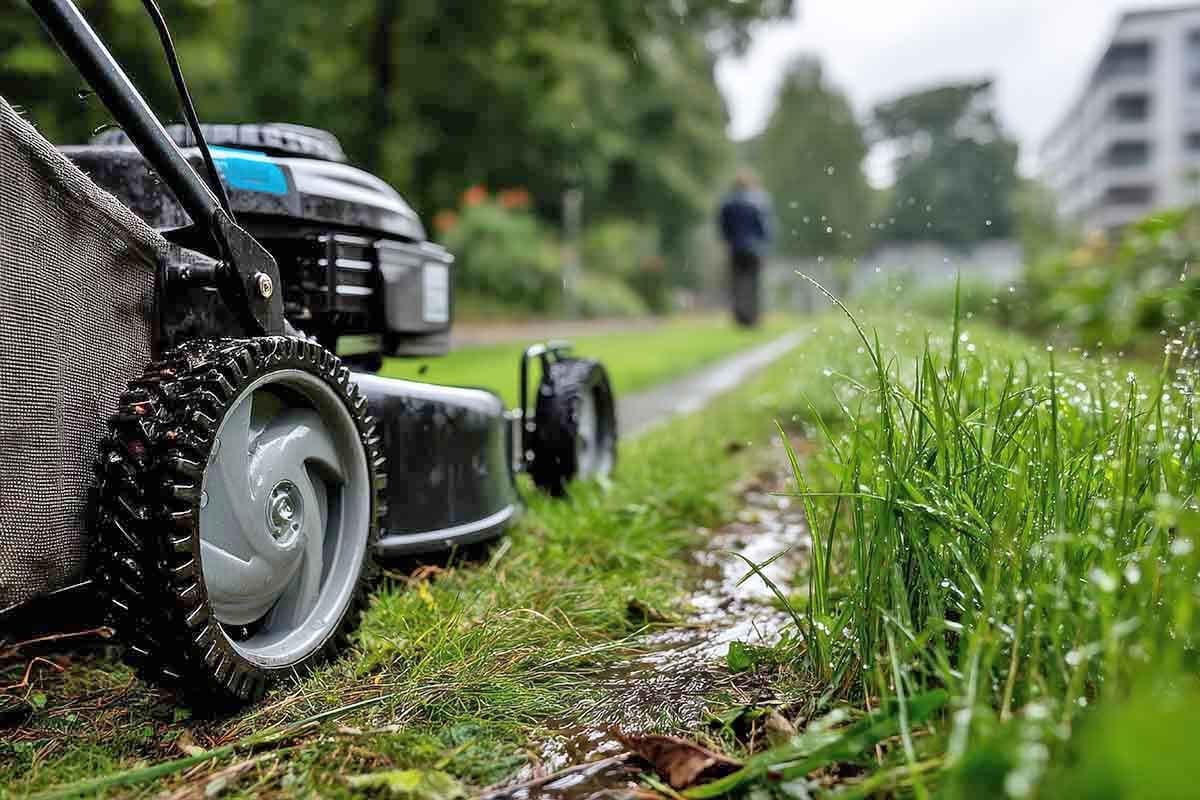
Do not mow if there is standing water. This is more than a lawn issue. Water around the mower can create slip hazards, hide obstacles, and damage the turf badly. A mower should never be used to push through puddles or soggy low spots.
Do not force a clogged mower to keep running without checking it. Wet grass can jam the discharge path quickly. If the engine strains or the deck starts packing full, stop and clear it safely. Trying to power through only makes the blockage worse.
Do not bag every damp clipping by default. Bagging can seem cleaner, but wet clippings fill the bag fast and can choke airflow. In some cases, that causes the mower to bog down even more. If the lawn is only slightly damp, discharge may be easier than bagging.
Do not use a worn blade. A blade that is only a little dull may seem acceptable on dry grass, but it performs much worse on wet blades. The cut quality drops, and the mower has to work harder. That extra strain matters more than many people realize.
Credit: us.mammotion.com
How to tell whether to mow now or wait
Use a simple test. Walk across the lawn and look at your footprints. If your shoes sink into the soil or leave a shiny wet trail, wait. If the grass is only lightly damp and the ground stays firm, you may be able to mow carefully.
Another good test is the hand test. Grab a handful of grass and squeeze it gently. If water comes out or the blades stay stuck together in a wet mass, it is too wet. If the grass feels cool and damp but does not drip, conditions are better.
Think about the outcome, not just the schedule. Mowing one day later is usually better than dealing with clumps, uneven cutting, and possible damage. The lawn will not benefit from being rushed just because the calendar says it is mowing day.
Simple decision guide
- Light dew only: Often okay if the soil is firm and the mower is in good shape.
- Wet blades after rain: Usually wait until the grass starts to dry.
- Soaked grass or puddles: Do not mow.
- Slopes or uneven ground: Be extra cautious, or delay mowing.
Common mistakes people make with wet mowing
One common mistake is lowering the deck too much. Shorter cutting heights can seem like a way to finish faster, but they make wet mowing harder because the blade has less room to work. A slightly higher cut is usually cleaner and safer.
Another mistake is mowing too quickly. Wet grass resists the blade, so speed causes missed patches and rough clumps. Slow, steady passes usually give a much better result.
People also forget that the mower needs maintenance after a damp session. The deck, chute, and blade area should be cleaned soon after use. Letting wet clippings dry on the underside creates a hard layer that reduces airflow the next time.
Finally, many homeowners underestimate how much footing matters. If you would not walk quickly across the lawn because it feels slick, you should not mow fast there either. Control is more important than finishing early.
Bottom line: should you mow wet grass or wait?
If you are asking can you mow wet grass, the honest answer is that you can, but waiting is usually better for the lawn, the mower, and your safety. Light dampness may be manageable. Fully wet grass, soft soil, and standing water are not worth the risk.
The best choice is simple: mow when the grass is dry enough to cut cleanly and the ground is firm enough to hold your footing. That gives you a better finish, fewer clumps, less strain on the mower, and a healthier lawn over time.
Credit: lawnlove.com
Frequently asked questions
Can you mow wet grass after morning dew?
Yes, sometimes. Light dew is less risky than mowing after rain, especially if the soil is firm and the grass is not dripping. Still, the cut may be rougher than normal, so slow down and watch for clumping.
Will mowing wet grass damage my mower?
It can. Wet grass loads the engine more, clogs the deck faster, and leaves sticky buildup on the underside. If it happens once, that is usually not a disaster, but repeated wet mowing can lead to more wear and more maintenance.
Does wet grass make a lawn disease more likely?
It can raise the risk. Wet mowing can spread spores and leave the lawn moist for longer. That matters most in thick, shady, or already stressed yards where airflow is poor.
Is it better to bag wet grass or mulch it?
For very damp grass, neither option is perfect. Mulching often clumps more, while bagging can fill quickly and reduce airflow. If you must mow, side discharge is often easier than heavy mulching.
How long should I wait after rain before mowing?
There is no exact time for every lawn. Wait until the grass feels dry on top and the soil is firm underfoot. In many yards, that may be several hours after light rain or until the next day after heavier rain.