
If you own a Bobcat Toolcat, you already know why people like it so much. It can lift, tow, carry, and work in tight spaces where bigger machines struggle. But like any work machine, it can also develop issues over time. Some are small and easy to fix. Others can slow down your work or point to a bigger problem inside the machine.
When people search for bobcat toolcat problems, they are usually dealing with one of a few common signs: hard starting, weak hydraulic power, noisy operation, electrical faults, steering trouble, or strange warning lights. The good news is that many of these issues follow clear patterns. Once you know the cause, the fix is often simpler than it first looks.
This guide explains the most common Bobcat Toolcat problems, why they happen, and how to solve them. It is written for owners, operators, and small fleet managers who want practical answers without wasted time.
What usually goes wrong first
Most Bobcat Toolcat issues do not appear all at once. They usually begin with small changes in how the machine starts, drives, lifts, or responds. Catching those changes early can save you from expensive repairs later.
One important point many beginners miss is that a Toolcat can seem like it has one big problem when the real issue is poor maintenance. A weak battery, dirty filters, old hydraulic fluid, or loose electrical connections can create several symptoms at the same time. That is why it helps to look at the machine as a system, not as separate parts.
Another common mistake is replacing parts too quickly. On these machines, a warning light or rough behavior does not always mean a failed component. It may be a simple sensor issue, a clogged filter, or low fluid level. A short inspection can often prevent a costly guess.
Starting and no-start problems
One of the most common bobcat toolcat problems is hard starting or a full no-start condition. The engine may crank slowly, click, or not crank at all. Sometimes it starts fine when cold, but struggles when warm. These patterns give useful clues.
Common causes
- Weak or dead battery
- Corroded battery terminals
- Loose ground connection
- Faulty starter motor
- Bad ignition switch or relay
- Fuel delivery problems
- Water or contamination in fuel
How to fix it
- Check the battery voltage first. A low battery is the most common reason for slow cranking.
- Clean the terminals and tighten all battery and ground connections.
- Listen for relay clicks when you turn the key. A click with no crank can point to a starter or wiring issue.
- Inspect the fuel filter and fuel quality if the engine cranks but does not start.
- Test safety interlocks if the machine seems dead. Seat switches and neutral switches can stop starting when they fail or misread position.
A useful habit is to check battery health before winter or before heavy seasonal use. A battery may still “work” but not deliver enough power under load. That becomes more obvious in cold weather.
Hydraulic system troubles
The hydraulic system is one of the most important parts of a Toolcat. It powers lift functions, attachments, steering support, and other working actions. If the hydraulics feel weak or slow, the machine may still run, but performance drops fast.
Symptoms you may notice
- Slow lift or tilt movement
- Weak attachment performance
- Jerky hydraulic response
- Unusual whining or growling noise
- Hydraulic overheating
- Fluid leaks under the machine
Typical causes
Low hydraulic fluid is a simple cause, but not the only one. A dirty hydraulic filter can restrict flow just as much. Worn hoses, internal leaks, and a failing pump can also reduce pressure. In some cases, the machine may have the correct fluid level but still suffer because the fluid is old or contaminated.
That last point matters more than many owners realize. Hydraulic fluid does not only “run out.” It also breaks down. When that happens, the system may become noisy, less responsive, and more prone to heat buildup.
Fixes that make sense
- Check the hydraulic fluid level with the machine on level ground.
- Inspect for leaks around hoses, fittings, cylinders, and the pump area.
- Replace clogged filters on schedule, not after the problem appears.
- Use the hydraulic fluid type recommended by Bobcat.
- If the machine is overheating, stop and inspect before continuing. Heat can damage seals and pumps.
If a hydraulic problem returns after a fluid top-up or filter change, do not ignore it. That usually means there is an internal leak, air in the system, or a component that is wearing out.
Transmission and drive issues
Another group of Bobcat Toolcat problems affects movement. The machine may hesitate, lose pulling power, shift roughly, or fail to move as expected. Since the Toolcat is often used for hauling and field work, drive issues can stop a job very quickly.
Credit: bobcatofatlanta.com
What may be happening
- Low or dirty transmission fluid
- Worn drive belts or drive components
- Faulty speed sensors
- Damaged wiring to the control system
- Transmission calibration issue
- Overload from heavy work or steep terrain
One issue many owners overlook is the effect of repeated heavy loading. If the Toolcat is pushed near its limits for long periods, the drive system can overheat and feel weak even if no part has failed. That does not always mean a broken transmission. Sometimes it is a sign that the machine is being used beyond its comfort zone.
Practical checks
- Confirm fluid level and condition first.
- Look for warning lights or fault codes related to travel or transmission.
- Check whether the problem happens only under load or also on flat ground.
- Inspect tires for uneven wear or low pressure, since tire issues can feel like drive trouble.
- Have the system calibrated if the machine behaves oddly after service or repairs.
If the machine moves forward but not backward, or vice versa, the issue may be electrical, sensor-related, or internal to the control system. In that case, professional diagnosis is often the fastest path.
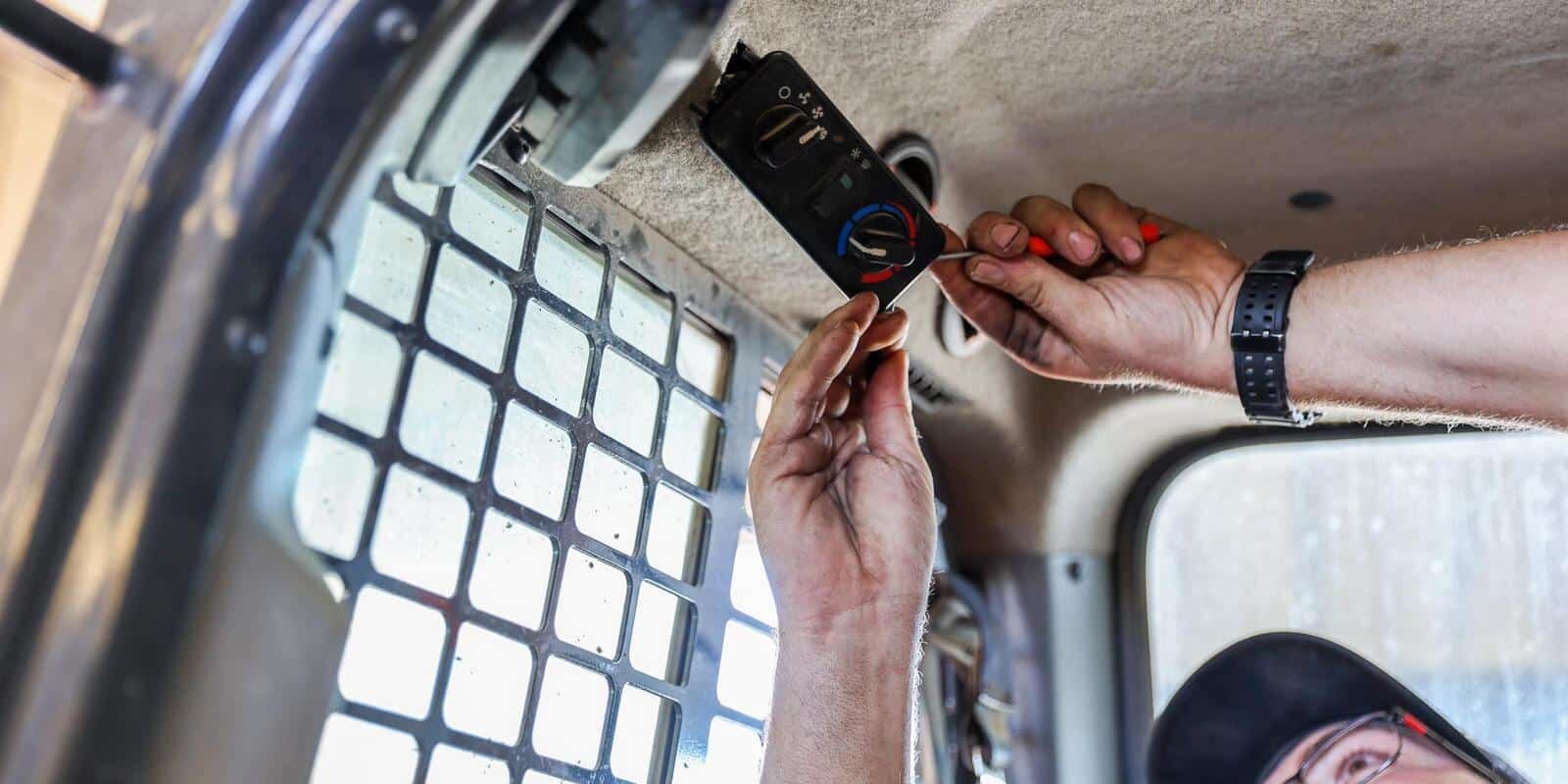
Electrical and sensor faults
Modern Toolcats depend on sensors and electronic controls. That improves function, but it also adds more points where things can go wrong. Electrical issues can look random. The machine may run fine one day and show warning lights the next.
Common signs
- Warning lights coming on with no clear cause
- Intermittent loss of function
- Instrument panel problems
- Switches not responding
- Blown fuses
- Fault codes that return after clearing
Why electrical problems happen
Vibration, moisture, corrosion, and damaged wiring are the main causes. Connectors can loosen over time, especially on machines used in rough terrain. A sensor can also fail from heat, dirt, or internal wear. In some cases, the sensor is fine, but the wiring harness is not.
A small but important insight: electrical faults often happen after washing or pressure cleaning. Water can enter connectors and cause temporary trouble that looks like major failure. If symptoms started right after cleaning, inspect connectors before replacing parts.
What to do first
- Check all fuses related to the affected system.
- Inspect visible wiring for rubbing, cuts, or bent pins.
- Clean and dry connectors if moisture is present.
- Use the machine’s fault code system if available.
- Test switches and sensors one at a time instead of guessing.
If a fault code keeps coming back, write it down before clearing it. That code can save time during diagnosis and prevent repeated guesswork.
Steering and handling concerns
Toolcats are valued for their tight handling and good control, so steering trouble is easy to notice. The machine may feel stiff, drift, pull to one side, or respond more slowly than usual.
Possible reasons
- Low hydraulic fluid
- Air in the hydraulic steering circuit
- Worn steering components
- Uneven tire pressure
- Bad wheel alignment or damaged linkage
- Fault in a steering sensor or control valve
Uneven tire pressure is often ignored, but it can create a steering complaint that feels much bigger than it is. Always check tire pressure before assuming the steering system is failing.
Fix approach
- Verify tire pressure on all wheels.
- Check hydraulic fluid level and look for leaks.
- Inspect steering linkages for wear or looseness.
- Test whether the issue appears only when turning under load.
- Have alignment or sensor calibration checked if the machine pulls consistently to one side.
If steering becomes suddenly hard, stop using the machine until the issue is found. Continuing to operate can cause more wear and may create a safety risk.
Overheating problems
Overheating is a serious issue because it can damage the engine, hydraulic system, and electronics at the same time. It is also one of the easiest problems to ignore at first, especially if the machine only runs hot under heavy use.
Warning signs
- Temperature gauge climbing quickly
- Power loss during operation
- Hot smell or burning odor
- Fan running loudly
- Coolant loss
- Hydraulic oil getting too hot
Main causes
Blocked radiators, dirty cooling fins, low coolant, failing fan components, and restricted airflow are the top reasons. On work machines, dust, grass, mud, and debris build up fast. Even a machine that looks clean from a distance may have packed debris inside the cooling area.
A second issue many owners miss is combined heat load. If the engine, hydraulics, and drive system all work hard at the same time, the machine can overheat even when each system is only slightly stressed. That is why overheating may happen during mowing, hauling, or long uphill runs.
Helpful fixes
- Clean the radiator, cooler fins, and surrounding air paths.
- Check coolant level when the engine is cool.
- Inspect the fan and belt system for damage or poor operation.
- Replace weak hoses or leaking caps.
- Reduce load if the machine overheats only under extreme work conditions.
If you want more background on cooling system care, the Cummins support resources explain basic overheating causes in simple mechanical terms that also apply to many work machines.
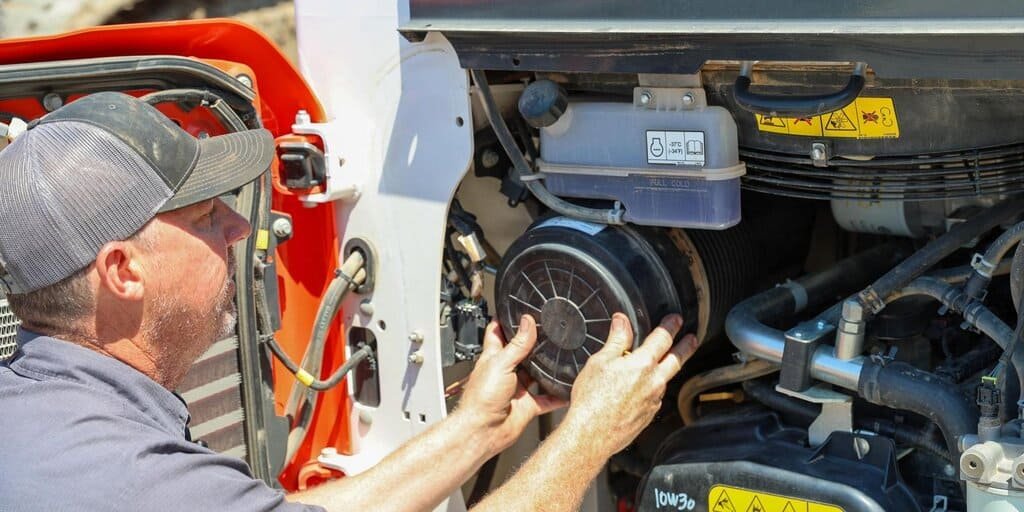
Attachment and auxiliary function issues
Many Toolcat owners use the machine with different attachments, so attachment problems can be confusing. A fault may appear in the attachment itself, the coupler, the hydraulic supply, or the control system. The machine may seem fine without the attachment, then act up once the tool is connected.
Credit: bobcatofindy.com
Common symptoms
- Attachment will not engage
- Hydraulic tool runs weakly
- Coupler does not lock properly
- Attachment shakes or stops under load
- Auxiliary controls respond late
What to inspect
- Check the attachment for damage or blockage.
- Make sure hydraulic quick couplers are fully seated.
- Look for dirt in the coupler ends.
- Confirm the auxiliary flow setting is correct.
- Test with another attachment if possible.
If one attachment works and another does not, the issue may be in the attachment rather than the machine. That is a common and expensive misunderstanding. Swapping to a known good attachment is one of the fastest ways to narrow the cause.
Noise, vibration, and rough operation
Unusual noise or vibration is often the first sign that something is wearing out. It may be a bearing, pulley, fan, loose mount, or driveline component. Some owners dismiss early noise as normal machine behavior, but that is risky.
Typical causes
- Loose hardware or mounts
- Worn bearings
- Damaged tires
- Unbalanced attachment
- Fan or belt issues
- Engine misfire or uneven running
What to do
- Stop and locate the noise before it gets worse.
- Check for loose panels, bolts, and mounting points.
- Inspect tires for cuts, flat spots, or uneven wear.
- Listen for changes at idle and under load.
- Repair small mechanical wear before it spreads.
A vibration problem that gets worse with speed often points to a rotating part. A vibration that appears only during lifting or hydraulic use may point to the attachment or hydraulic system instead.
How to diagnose faster without guessing
When dealing with bobcat toolcat problems, a smart diagnosis process saves time and money. Do not start by replacing the most expensive part. Start with the easiest checks first.
Use this order:
- Check fluid levels and visible leaks.
- Inspect batteries, fuses, and connectors.
- Read fault codes, if available.
- Compare the problem under different conditions: cold, warm, loaded, unloaded.
- Test the machine with and without attachments.
Two common mistakes stand out here. First, people often ignore the machine’s history. If the issue started after a service, wash, or attachment change, that clue matters. Second, people sometimes fix one symptom but not the source. For example, topping up hydraulic fluid helps only if the leak is found and repaired.
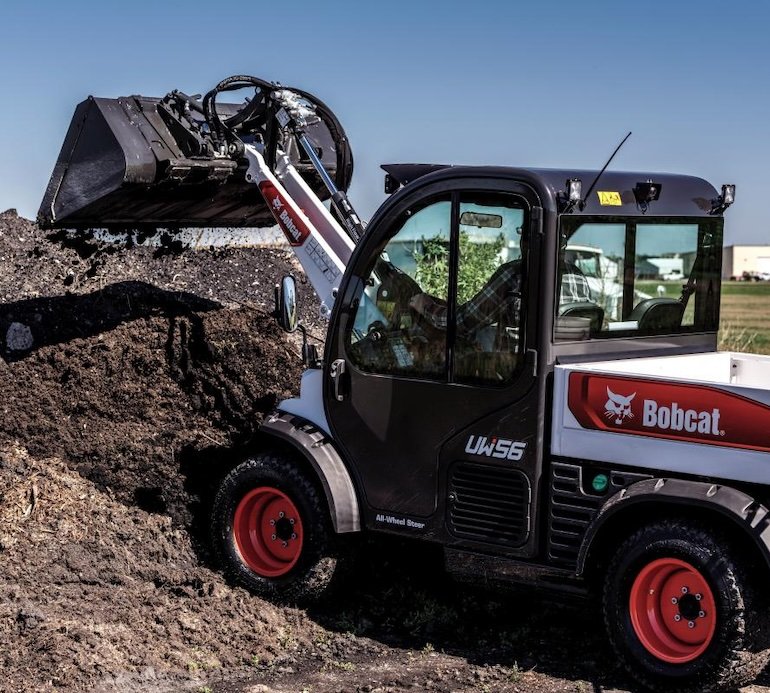
Prevention that actually works
Most Toolcat problems become less serious when the machine is maintained on time. Regular service is not just about following a schedule. It is about keeping dirt, heat, wear, and electrical corrosion from building up.
Credit: codeready.org
Good habits for owners
- Check fluids before heavy work days.
- Clean cooling systems often in dusty environments.
- Inspect battery terminals and grounds every season.
- Replace filters before they become a restriction.
- Keep an eye on fault codes, even if the machine still runs.
Also, store the machine in a dry place when possible. Moisture is a slow enemy. It causes corrosion in connectors, weakens electrical contacts, and shortens the life of parts that should last much longer.
Another practical tip: keep a simple service log. Write down fluid changes, repairs, fault codes, and any strange behavior. That record helps you spot patterns that are easy to miss in memory alone.
When to call a professional
Some fixes are safe and simple. Others need proper tools and experience. Call a professional when the issue involves internal transmission parts, repeated fault codes, major hydraulic failure, severe overheating, or electrical faults that you cannot trace.
You should also get expert help if the machine is under warranty. Doing deep repairs on your own may affect coverage. When in doubt, a quick diagnosis from a qualified technician can be cheaper than replacing parts by guesswork.
Final thoughts
Most Bobcat Toolcat issues come down to a few repeat causes: fluid problems, electrical faults, worn parts, dirty cooling systems, or neglected maintenance. Once you learn the common patterns, troubleshooting becomes much easier. The machine gives clues early. You just need to read them before they turn into a bigger repair.
If you handle small problems quickly, your Toolcat will stay more reliable, safer, and cheaper to run. That is the real key to reducing bobcat toolcat problems over time: not luck, but steady care and careful checking.
FAQs
1. What are the most common Bobcat Toolcat problems?
The most common issues are no-start problems, hydraulic weakness, steering trouble, overheating, electrical faults, and transmission hesitation. Many of these come from low fluid, dirty filters, weak batteries, or worn connectors.
2. Why does my Bobcat Toolcat start sometimes and not other times?
This often points to a weak battery, loose ground, bad relay, or a safety switch problem. It can also happen if fuel delivery is inconsistent or if a connector has corrosion.
3. What should I check first if the hydraulics feel weak?
Start with hydraulic fluid level, filter condition, and visible leaks. Then check for overheating, air in the system, or a pump issue if the problem does not improve.
4. Can electrical problems cause the Toolcat to stop working completely?
Yes. A bad battery, blown fuse, damaged wire, or a corroded ground connection can stop the Toolcat from operating completely. Always start with the fuse box since a blown fuse is fast to check and cheap to replace. If fuses are intact, test the battery under load and inspect the main wiring harness and ground cables for corrosion, chafing, or breaks.
5. How do I keep my Bobcat Toolcat running reliably long term?
Follow the maintenance schedule in your Toolcat owner manual. Change the engine oil and filter at the correct intervals. Replace hydraulic fluid and the hydraulic filter on schedule, since degraded hydraulic fluid causes more wear than almost any other factor. Keep battery terminals clean and tight. Inspect belts, hoses, and hydraulic lines regularly and replace them before they fail. Clean debris from the engine compartment and radiator after every work session in heavy conditions. Catching small problems early is always faster and cheaper than dealing with a machine that has been down for days.