
If you own a Honda Harmony 1011, you already know why people liked these machines. They are simple, strong, and useful for yard work. But like any older machine, they can develop problems with age, storage, wear, and poor maintenance. When that happens, the mower may be hard to start, lose power, cut badly, or stop running at the worst time.
This guide explains the most common honda harmony 1011 problems, why they happen, and how to fix them. The goal is not just to help you repair one issue. It is to help you understand the machine better, so you can spot small problems before they become expensive ones.
We will cover fuel issues, carburetor trouble, starting problems, blade and deck issues, belt wear, and safety switch faults. You will also learn a few things many beginners miss, such as how old fuel can create “fake” engine failure and how a mower can seem broken when the real problem is poor airflow or weak compression.
Quick checks for Honda Harmony 1011 transmission and choke problems
| Symptom | Likely area | First check |
|---|---|---|
| Mower will not move or feels weak | Drive belt, transmission control, cable adjustment, or worn pulley | Check belt tension, pulley condition, cable movement, and whether the drive lever fully engages. |
| Transmission slips after warming up | Worn belt, weak spring tension, linkage drag, or internal drive wear | Inspect the belt for glazing, check idler movement, and compare cold vs warm drive response. |
| Choke does not work or engine starts hard | Choke plate, cable, carburetor varnish, or air leak | Confirm the choke plate closes fully, then clean the carburetor and inspect the intake gasket. |
| Engine runs but blades or deck feel weak | Deck belt, spindle drag, blade resistance, or engine power loss | Remove packed grass, inspect belt routing, and spin the pulleys by hand with the engine off. |
If the problem feels more like an engine fault than a drive fault, compare it with the Honda GXV530 engine problems guide. For start-diagnosis clues, see where to spray starter fluid on a lawn mower. If the issue is belt routing or slipping, the riding mower belt replacement guide can help you separate deck belt trouble from drive belt trouble.
Why the Honda Harmony 1011 develops problems
The Honda Harmony 1011 is an older lawn mower model, so age is the first big factor. Rubber parts dry out. Fuel lines crack. Seals get hard. A mower that sat for months or years often fails for simple reasons that are easy to miss. It is not always a major engine failure.
Another common reason is storage. Many owners park the mower with fuel inside the tank and carburetor. Over time, fuel breaks down into sticky varnish. That varnish blocks tiny passages inside the carburetor and makes the engine run poorly or refuse to start.
Maintenance also matters a lot. Dirty air filters, old spark plugs, dull blades, and loose belts can all create symptoms that look worse than they are. In many cases, the mower is telling you one small part needs attention, not that the whole machine is failing.
The most common failure pattern
One useful thing to know is that the Honda Harmony 1011 problems often appear in a chain. For example, bad fuel causes carburetor clogging. A clogged carburetor causes hard starting. Hard starting can make the battery or starter seem weak. So the visible symptom is often not the real source of the issue.
| Symptom | Likely cause | What to check first |
|---|---|---|
| Hard starting | Old fuel, dirty carburetor, weak spark | Fuel quality and spark plug |
| Starts then stalls | Fuel blockage, air leak, bad choke use | Carburetor and fuel flow |
| Poor cutting | Dull blade, deck buildup, belt wear | Blade sharpness and underside of deck |
| Loss of power | Clogged filter, fuel starvation, engine wear | Air filter and carburetor |
| Won’t engage or drive | Belt, cable, clutch, or transmission issue | Belt condition and control cables |
Engine will not start or is hard to start
This is one of the most common Honda Harmony 1011 problems. If the engine will not start, the first thought is often “the mower is dead.” In reality, the cause is usually simple. Most no-start problems come from fuel, spark, or air.
Common causes
- Old gasoline in the tank
- Blocked carburetor jets
- Bad or fouled spark plug
- Dirty air filter
- Weak battery or starter problem on electric-start models
- Fuel shutoff not open, if equipped
Old fuel is the biggest hidden issue. Fresh fuel should smell clean and sharp. If it smells sour or looks dark, drain it. Even fuel that is only a few months old can cause trouble if it contains water or ethanol damage.
How to fix it
- Check the fuel tank and replace old gasoline.
- Remove and inspect the spark plug. Replace it if it is black, wet, or worn.
- Clean or replace the air filter.
- Use starting fluid only as a short test, not as a regular habit.
- If the engine still will not start, clean the carburetor thoroughly.
A useful test is to see whether the engine fires for a second and then dies. That often means the ignition system is working, but fuel delivery is not. If the engine never fires at all, the problem may be spark, compression, or a safety switch.
Non-obvious insight: fuel problems often copy ignition problems
Many beginners replace the spark plug first because it feels like the easiest answer. That is fine if the plug is old, but a clogged carburetor can create the exact same symptom as a bad plug. If the engine starts briefly with a spray of fuel, the spark is probably okay, and fuel delivery is the real issue.
Engine starts, then stalls after a few seconds
Another common Honda Harmony 1011 issue is a mower that starts, runs briefly, and then dies. This usually points to fuel starvation. The engine gets enough fuel to start, but not enough to keep running.

Credit: discover.hubpages.com
Why it happens
- Fuel bowl is dirty or blocked
- Main jet in the carburetor is clogged
- Tank vent is blocked
- Fuel line is cracked or restricted
- Choke plate is not opening properly
A blocked tank vent is easy to miss. If the vent cannot let air into the tank, fuel flow slows down or stops. The mower may run for a short time and then stall. After sitting, it may restart again, which makes the problem confusing.
Fix steps
- Loosen the fuel cap slightly and try starting the mower again.
- If it runs better, the cap vent may be blocked.
- Inspect fuel lines for cracks, kinks, or hard spots.
- Remove the carburetor bowl and clean out dirt or varnish.
- Make sure the choke moves fully open after startup.
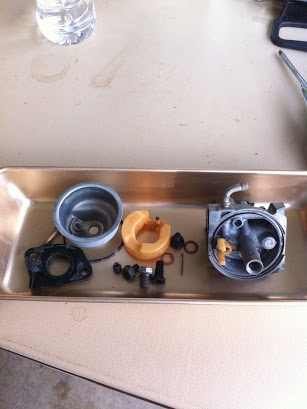
For many older mowers, a full carburetor cleaning is the real fix. Cleaning the outside is not enough. The small internal passages must also be cleared. If you want a reliable reference for small engine care, the official Honda website is a good starting point for brand information and support resources.
Rough running, surging, or hunting at idle
If the engine runs, but the speed goes up and down by itself, that is called surging or hunting. It is one of the classic honda harmony 1011 problems and usually points to an air-fuel mix problem.
Main causes
- Partially clogged carburetor
- Air leak in the intake system
- Dirty air filter
- Incorrect idle setting
- Fuel that is starting to break down
Surging happens when the engine tries to correct itself. It gets a little too much fuel, then too little, then too much again. The speed changes because the fuel flow is unstable. This is often more visible at idle or light load.
How to solve it
- Replace the fuel with fresh gasoline.
- Clean the carburetor, especially the main and idle passages.
- Check the intake gasket for leaks or cracks.
- Install a clean air filter.
- Adjust the idle only after all other issues are fixed.
Non-obvious insight: a tiny air leak can cause big behavior changes
Even a small crack in a gasket or intake boot can make the engine surge. Beginners often think a major part is failing, when the real issue is a tiny leak that lets extra air enter the engine. That extra air weakens the fuel mix and makes the governor keep adjusting speed.
Lack of power while cutting grass
A mower that starts well but struggles in grass is frustrating. It may sound okay on flat ground, then bog down in thicker grass or on hills. This is usually not one single problem. It can be a mix of engine and cutting-system issues.
Likely causes
- Dull or damaged blade
- Grass buildup under the deck
- Dirty air filter
- Restricted fuel flow
- Wrong cutting height for the grass condition
- Engine wear or low compression in older units
People often focus only on engine power, but blade condition matters a lot. A dull blade does not cut cleanly. It tears grass instead of slicing it. That creates drag and makes the mower work harder than needed.
Fix steps
- Sharpen or replace the blade.
- Clean the underside of the deck.
- Check the air filter and replace it if dirty.
- Make sure the engine is getting full fuel flow.
- Raise the cutting height for heavy or wet grass.
If the mower still lacks power after these checks, the engine may have wear from age. Low compression, valve issues, or worn rings can reduce performance. In that case, repair cost should be compared with the value of the machine.
Blade problems and poor cutting quality
Sometimes the mower runs fine, but the lawn looks uneven or torn after mowing. This is not just a cosmetic problem. Bad cutting can stress the grass and make the lawn look dry or brown at the tips.
Common cutting issues
- Blade is dull
- Blade is bent or unbalanced
- Blade mounting hardware is loose
- Deck is packed with wet grass
- Cutting height is too low for the lawn
A bent blade can create vibration too. That vibration can damage bearings and fasteners over time. If you feel a strong shake in the handle, do not ignore it.
What to do
- Disconnect the spark plug before touching the blade.
- Inspect the blade for chips, bends, and wear.
- Sharpen it evenly or replace it if badly damaged.
- Check that the blade bolt is tight.
- Clean the deck after mowing damp grass.
One detail many owners miss is balance. A blade can look sharp but still be out of balance after sharpening. That can cause vibration and long-term wear. If possible, balance the blade before reinstalling it.
Drive system and belt issues
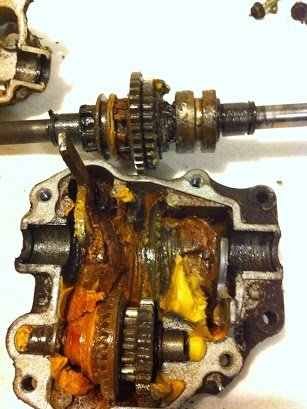
On self-propelled models, drive failure is another common complaint. The mower may move slowly, jerk forward, or stop driving completely. This is often due to a worn belt, loose cable, or a drive component that needs service.
Credit: discover.hubpages.com
Symptoms to watch for
- Mower does not move when drive is engaged
- Drive works only sometimes
- Belt squeals during operation
- Speed is too slow or uneven
- Mower pulls to one side
Before replacing major parts, inspect the simple items first. A loose cable or worn belt is more common than a failed transmission. Dirt and grass can also build up around the drive area and affect movement.
Fix steps
- Check the drive cable for slack or damage.
- Inspect the belt for cracks, glazing, or stretching.
- Clean debris from the drive system.
- Test the engagement lever and adjustment points.
- Replace worn belts before they fail completely.
Non-obvious insight: a slipping belt can mimic a weak engine
If the mower blade loads the engine and the unit seems to slow down badly, the real issue may be belt slip instead of engine power. This is especially true when the mower moves poorly and cuts poorly at the same time. In that case, both the cutting system and drive system should be checked.
Safety switch and control issues
Older mowers often use safety switches to prevent accidental starting or to stop the engine if the operator releases the controls. When these parts wear out or become dirty, the mower may refuse to start or shut off unexpectedly.
Possible symptoms
- Starter does not engage
- Engine dies when the handle is released
- Intermittent starting problems
- Control lever feels loose or sticky
These problems are easy to blame on the engine, but the switch system may be the real cause. A damaged cable or worn lever can break the signal that tells the mower it is safe to run.
What to check
- Inspect control cables for damage or slack.
- Look for dirt or corrosion around switch contacts.
- Make sure the operator presence controls move freely.
- Test the system after cleaning and cable adjustment.
If a mower starts only when a lever is held in a certain position, do not force it. That is a warning sign. Fix the cable or switch issue properly instead of working around it.
When the engine seems fine but the mower still fails
Some Honda Harmony 1011 problems are not obvious at first. The engine may run, but the mower still does not perform well. This is where careful observation helps.
Hidden causes beginners often miss
- Wet or heavy grass causing overload
- Wrong blade type installed
- Deck not cleaned after repeated use
- Fuel cap vent restriction
- Throttle or choke linkage not moving fully
These are small issues, but they affect the whole machine. A mower can appear unreliable when the real problem is a sticky linkage or a partially blocked vent. That is why it helps to check the full system instead of guessing.
Simple maintenance that prevents repeat problems
The best repair is the one you do not need to repeat. With older mowers, good maintenance makes a big difference. Many recurring Honda Harmony 1011 problems can be reduced by a few basic habits.
- Use fresh fuel and do not store old gas for long periods.
- Run the engine dry before long storage if appropriate for your setup.
- Change or clean the air filter often.
- Inspect the spark plug each season.
- Clean the deck after use.
- Sharpen the blade regularly.
- Check belts and cables before they fail.
One smart habit is to treat spring startup like a full inspection, not just a quick pull of the starter rope. A few minutes of checking can save hours of repair later. This is especially important for older machines that have sat through winter.
Credit: discover.hubpages.com
How to decide whether to repair or replace
Not every problem is worth fixing forever. If the mower needs frequent carburetor cleaning, has worn engine parts, and also has deck or drive issues, the total repair time may not make sense. At some point, replacement becomes more practical than repeated fixes.
A good rule is to compare the cost of parts and your time with the value of the mower. If the repair is simple, such as a spark plug, air filter, belt, or carburetor cleaning, fixing it usually makes sense. If the engine has low compression and the drive system is also worn, the decision is harder.
Still, many Honda Harmony 1011 units can keep working for years if they receive basic care and timely repairs. Their design is simple enough that a patient owner can solve many problems without advanced tools.
FAQ
1. Why does my Honda Harmony 1011 start and then die?
This usually means fuel is not reaching the engine properly. The most common causes are old fuel, a clogged carburetor, or a blocked fuel cap vent. Start by checking fuel quality and cleaning the carburetor bowl.
2. What is the most common cause of Honda Harmony 1011 problems?
Old fuel is one of the biggest causes. It creates varnish inside the carburetor and fuel system. Dirty air filters, worn spark plugs, and belt wear are also very common in older units.
3. Can a dirty air filter stop the mower from starting?
Yes, it can. A very dirty filter can block airflow and make starting difficult. In some cases, the engine may start and then run poorly. Replacing the filter is a simple first step.
4. Why does my mower surge while idling?
Surging usually means the air-fuel mix is unstable. A clogged carburetor, air leak, or fuel issue is the most likely cause. Clean the carburetor and check for leaks around the intake area.
5. When should I replace the Honda Harmony 1011 instead of repairing it?
If the mower has repeated engine trouble, poor compression, worn drive parts, and deck damage, replacement may be the better choice. Simple repairs are usually worth it, but major multi-part repairs can cost more than the mower is worth.