
If your Cub Cadet machine starts steering hard, drifts to one side, or feels slow to respond, the problem is often tied to the electric power steering system. That can be frustrating, especially when the mower is still running well in every other way. The good news is that many cub cadet electric power steering problems come from simple causes like weak battery voltage, loose connections, bad calibration, or a damaged steering sensor.
This guide explains the most common causes, the real fixes, and the best way to troubleshoot the system step by step. You do not need advanced mechanical skill to handle many of these checks. What you do need is a clear process, a little patience, and attention to detail.
Some steering issues look like a major failure, but they are actually small electrical or mechanical problems hiding behind the scenes. If you know what to test first, you can save time, avoid unnecessary parts replacement, and get your mower back to normal faster.
How Cub Cadet electric power steering works
Electric power steering on a Cub Cadet uses motors, sensors, wiring, and control modules to help the steering wheel or steering controls move with less effort. Instead of relying only on hydraulic pressure or pure manual force, the system reads steering input and adds assist when needed.
That means the system depends on steady power and clean signals. If one part gets weak, the entire steering feel can change. A mower may still drive, but the steering can become stiff, uneven, noisy, or unresponsive.
The most important thing to understand is this: electric steering problems are not always caused by the steering motor itself. In many cases, the real issue is low voltage, poor grounding, a dirty connector, or a sensor that needs reset or replacement.
Main parts involved in the steering system
- Battery – supplies power to the steering assist system.
- Fuses and relays – protect the circuit and control power flow.
- Wiring harness – carries power and signal between components.
- Steering motor or assist unit – provides extra turning support.
- Steering angle sensor – tells the system which way and how much you are turning.
- Control module – processes input and manages assist response.
When one of these parts fails, the symptoms can look similar. That is why troubleshooting should start with the basic checks before moving to more expensive parts.
Common signs of steering trouble
Not every steering issue feels the same. Some problems appear only when the mower is cold, while others get worse during long use. Watching the exact symptom helps narrow the cause.
| Symptom | What you may notice | Likely area to inspect first |
|---|---|---|
| Steering feels stiff | Wheel or controls take more effort than usual | Battery, motor, mechanical binding |
| Steering assist cuts in and out | Support works sometimes, then stops | Wiring, connector, voltage supply |
| Mower pulls left or right | Machine does not track straight | Tire pressure, alignment, sensor calibration |
| No steering assist at all | Turning feels heavy or dead | Fuse, battery, module, failed motor |
| Grinding or clicking noise | Noisy steering during turns | Steering gears, motor, physical wear |
A small but useful clue is whether the problem happens only under load. If steering is fine with the mower off but poor while driving, the issue may be electrical support rather than a purely mechanical jam.
What causes the most common problems
Most cub cadet electric power steering problems start with one of a few repeated causes. The system is sensitive to power quality and connection health, so even a small weakness can affect steering response.
1. Weak battery or low charging voltage
This is one of the most overlooked causes. Electric steering needs stable voltage. If the battery is old, undercharged, or failing under load, the steering assist may become weak or stop completely.
A battery can still start the mower and yet be too weak for steering support. That confuses many owners. Starting power and operating power are not always the same thing.
2. Corroded or loose connections
Rust, dirt, moisture, or a slightly loose plug can interrupt the signal. Steering systems do not tolerate bad connections well. Even a connector that looks fine from the outside can have hidden corrosion inside.
One non-obvious issue: vibration during mowing can make a marginal connector fail only after the machine warms up. That is why a mower may work for ten minutes and then begin to misbehave.
3. Blown fuse or damaged relay
If the steering system suddenly stops working, always inspect the fuse first. A blown fuse may point to a short, overload, or failing component. A relay can also fail in a way that interrupts assist without obvious damage.
4. Steering sensor calibration problems
The steering sensor tells the control module how far and how fast the operator is turning. If that sensor is out of calibration, the system may add the wrong amount of assist or no assist at all.
This can make the mower feel unpredictable. It may steer too lightly in one direction and too heavily in the other.
5. Mechanical binding in the steering linkage
Not every steering problem is electrical. Worn bushings, bent parts, dry joints, or debris in the steering assembly can make the system feel stiff even if the motor is working.
Here is a key point many beginners miss: if the steering is physically binding, replacing electrical parts will not solve it. You need to check the movement by hand, with power off, before assuming the motor is bad.
6. Damaged wiring harness
A pinched, rubbed, or partially broken wire can send weak or false signals to the steering system. This kind of damage often happens near moving parts, under the seat area, or where the harness bends repeatedly.
7. Failed steering motor or control module
If all basic checks pass and the steering still fails, the motor or control module may be faulty. These are less common than battery or wiring issues, but they do fail. Diagnosis should be careful before replacement because these parts can be expensive.
Step-by-step troubleshooting guide
Follow this process in order. It starts with the easiest checks and moves toward the more technical ones. Skipping steps often leads to wrong guesses and wasted money.
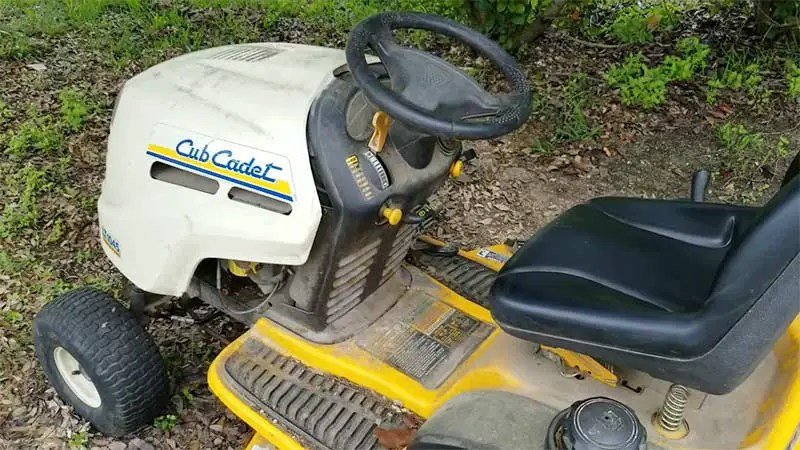
Credit: lawnmowerswiki.com
1. Check the battery first
Make sure the battery is fully charged and in good condition. If you have a multimeter, check the voltage. A healthy fully charged 12-volt battery should usually read around 12.6 volts or slightly higher when resting.
Then check voltage while the mower is running. If the voltage drops too much under load, the battery or charging system may be weak. A battery that looks fine on the surface can still fail this test.
2. Inspect all power and ground connections
Look for loose terminals, corrosion, dirt, or burned spots. Pay close attention to the ground connection. A weak ground can cause the steering system to act random, even if power is present.
- Clean visible corrosion.
- Make sure connectors lock firmly.
- Check for damaged insulation.
- Look for green or white buildup inside plugs.
If you find moisture in a connector, dry it fully before reconnecting. Moisture can create temporary steering faults that seem mysterious but are actually simple to fix.
3. Check the fuse and relay
Inspect the fuse linked to the steering system. Replace it only with the correct rating. If the new fuse blows again right away, stop and look for a short or failed component.
If your model uses a relay, swap it with another same-type relay if possible. This is a simple way to test whether the relay is part of the problem.
4. Look for visible mechanical damage
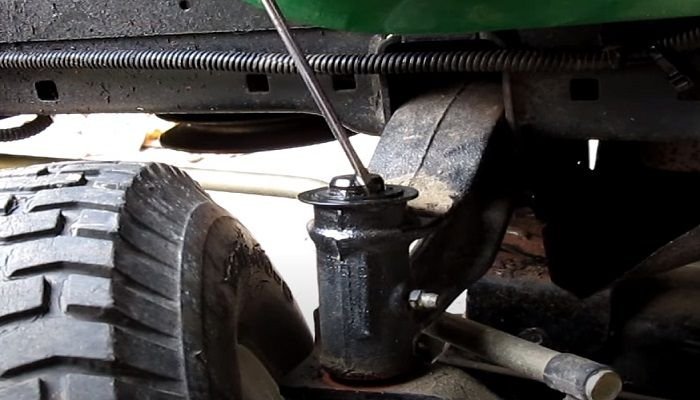
Turn the steering by hand with the mower off. The movement should feel smooth, not jerky or stuck. Listen for rubbing, clicking, or grinding. Check tie points, joints, linkages, and nearby parts for bends or wear.
If the steering is stiff even with power off, the issue is likely mechanical. In that case, electrical troubleshooting alone will not solve it.
5. Test the steering calibration
Some models need steering calibration after battery replacement, power loss, or component service. If the system lost its learned position, it may not know where center is.
Calibration steps vary by model, so follow the owner’s manual for your exact Cub Cadet unit. A correct calibration can restore normal feel without any part replacement.
6. Check wiring along the full route
Follow the harness from the battery area to the steering component and control module. Look for places where wires rub against metal, pinch under panels, or flex too sharply.
This is one of the most valuable checks because some wiring damage is hidden. A wire may look normal until you bend it slightly and see the insulation split open.
7. Test for error codes or warning lights
If your mower has indicators or fault codes, use them as clues. They may point toward low voltage, sensor failure, or a control issue. Do not ignore them, even if the mower still runs.
When the machine gives a code, it is often telling you which direction to investigate first. That can save hours of guessing.
8. Evaluate the steering motor or module
If every basic item checks out, the steering motor or control module may be the weak point. These parts may need testing by a technician, especially if special tools are required.
At this stage, it helps to compare the cost of repair with the age of the mower. Sometimes a module replacement makes sense. Other times, repair of wiring or connectors gives a better return.
Simple fixes that often solve the problem
Many steering issues can be fixed without major parts replacement. Before buying anything, try these repairs if your inspection points in that direction.
Credit: yardguides.com
Clean and tighten the battery terminals
Remove corrosion and make sure the terminals are secure. A poor battery connection can cause full or partial loss of steering assist. After cleaning, test the mower again to see if the steering response improves.
Replace a weak battery
If the battery fails load testing or will not hold charge, replace it. Do not keep chasing steering faults if the power source is weak. This is one of the fastest ways to solve recurring electric steering trouble.
Repair damaged connectors
If a connector is loose, corroded, or partially broken, repair or replace it. A solid electrical connection is often more valuable than a new expensive steering part.
Reset or recalibrate the steering system
After a power loss or battery replacement, the steering system may need a reset. Some models recover with a simple restart procedure, while others need a full calibration process from the manual.
Lubricate or service the steering linkage
If the steering is binding, clean and lubricate the moving parts as recommended by the manufacturer. Replace worn bushings or damaged hardware. Do not force the wheel or controls if they feel stuck.
Replace a failed fuse only after checking the cause
A new fuse can restore operation, but only if the original failure was temporary or isolated. If the fuse blows again, the system has a deeper problem. Repeated fuse failure is a warning sign, not a nuisance.
What not to do when troubleshooting
Some mistakes make diagnosis harder and can even damage the mower more. A careful approach is better than a fast one.
Do not replace expensive parts too early
The steering motor, module, or sensor may look like the obvious cause, but they are not always the real issue. Always verify battery voltage, fuse condition, and connector health first.
Do not test with a bad battery
A weak battery gives confusing results. You may think the steering module is failing when the true issue is just low voltage. Always start with a known good battery or a full charge.
Do not ignore mechanical resistance
If the steering is physically tight, electrical parts will not fix it. Forcing the system can wear out gears or damage the assist motor.
Do not skip the manual
Different Cub Cadet models can use different steering setups. Always confirm the correct reset, fuse location, and calibration method for your exact machine. For official product and support details, the Cub Cadet official site is a useful starting point.
Preventing steering problems in the future
Once the steering works again, a few habits can help you avoid repeat issues. Prevention is easier than diagnosis, especially with electric systems.
- Keep the battery charged during storage.
- Inspect connectors at the start of the mowing season.
- Clean dirt and grass buildup around wiring and steering parts.
- Check tire pressure so the mower tracks evenly.
- Store the mower in a dry place to reduce corrosion.
One detail that many owners miss is tire pressure. Uneven tire pressure can make the mower feel like the steering system is failing when the real issue is simple tracking imbalance. Always check both sides before assuming an electrical fault.
Another overlooked habit is watching for early warning changes. If steering gets slightly heavier over time, that is the best moment to investigate. Waiting until the assist fails completely usually makes the repair more expensive.
When to call a technician
Some jobs are safe to do at home. Others need professional help. If you have checked the battery, fuses, connections, wiring, and linkage but the steering still fails, a technician may need to test the control module or motor with advanced tools.
Call for help sooner if you notice burned wiring, repeated fuse failure, or electrical smell. Those signs can point to a serious short or overload. It is better to stop than to keep replacing parts blindly.
If the mower is still under warranty, also avoid major repairs until you know what the warranty covers. A professional inspection may save money if the part is eligible for replacement.
Credit: gardenerpoints.com
Quick recap of the best troubleshooting order
- Check battery voltage and battery age.
- Inspect terminals, grounds, and connectors.
- Test fuse and relay.
- Look for mechanical binding in the steering.
- Confirm calibration or reset needs.
- Inspect wiring harness for hidden damage.
- Move to motor or module testing if needed.
This order matters because it follows the most likely causes first. It also helps you avoid unnecessary parts replacement, which is one of the biggest frustrations with cub cadet electric power steering problems.
FAQs
Why does my Cub Cadet steering work sometimes and fail other times?
Intermittent steering usually points to weak voltage, loose wiring, corrosion, or a sensor that is not reading correctly. Heat, vibration, and moisture can make the problem appear only during certain conditions.
Can a bad battery cause electric power steering problems?
Yes. A weak battery is one of the most common causes. The mower may start normally but still not provide enough stable power for steering assist.
Do I need to recalibrate the steering after replacing the battery?
On some models, yes. A power loss can affect the steering system’s learned position. Check your owner’s manual for the exact reset or calibration process.
What if the fuse keeps blowing?
A fuse that blows again usually means there is a short, overload, or failed component. Do not keep replacing the fuse without finding the cause.
Is it safe to keep using the mower with steering problems?
It depends on the symptom. If steering is only slightly stiff, you may still be able to move the mower carefully. But if steering assist fails, becomes unpredictable, or causes safety concerns, stop using it until the problem is fixed.