
If you are dealing with cub cadet enforcer problems, you are not alone. This mower is built for hard work, but like any zero-turn machine, it can develop issues with starting, steering, cutting, belts, blades, or the engine itself.
The good news is that many of these problems have simple causes. A dirty filter, weak battery, loose belt, low tire pressure, or bad fuel can create symptoms that look serious at first. In many cases, you do not need a full repair. You just need to find the real source of the trouble.
This guide explains the most common Cub Cadet Enforcer problems, why they happen, and how to fix them. It also covers a few mistakes many owners miss, so you can save time, money, and frustration.
Why the Cub Cadet Enforcer Starts Acting Up
The Cub Cadet Enforcer is a zero-turn mower made for speed, control, and clean cutting. But that same design means small issues can show up fast. A weak battery can stop it from starting. Uneven tire pressure can make it pull to one side. A worn belt can affect blade speed and cut quality.
Most problems fall into a few groups: engine, fuel system, electrical system, deck and blade system, or drive system. If you learn which group the problem belongs to, troubleshooting becomes much easier.
One thing beginners often miss is that a mower may have more than one issue at the same time. For example, poor cutting may come from dull blades and an out-of-level deck. Fixing only one part may not solve the whole problem.
Common Cub Cadet Enforcer Problems and What They Mean
1. The mower will not start
This is one of the most common cub cadet enforcer problems. If the engine does not crank or turn over, the cause is often simple.
Possible causes include:
- Dead or weak battery
- Loose or corroded battery cables
- Bad ignition switch
- Blown fuse
- Safety switch not engaged
- Old fuel or clogged fuel filter
Start with the battery. Check if the terminals are clean and tight. Then test the charge. A battery can show power for lights or accessories but still be too weak to start the engine. If the battery is older than two to three years, it may be near the end of its life.
Also check the seat switch, brake switch, and PTO switch. These safety parts must be in the correct position or the mower will not start.
2. The engine starts but dies soon after
If the mower starts, runs for a short time, and then shuts off, fuel flow is often the problem. Dirt, old fuel, or a blocked vent can interrupt the engine.
Common causes include:
- Dirty carburetor
- Clogged fuel filter
- Blocked gas cap vent
- Bad fuel pump
- Water or stale fuel in the tank
Old gas is a hidden cause many owners overlook. Fuel left in the tank for months can break down and leave sticky residue. That residue can clog small carburetor passages. If the mower sat for a long time, drain the fuel and replace it with fresh gasoline.
If the engine runs better with the fuel cap loosened, the cap vent may be blocked. That is a small part, but it can create a big problem.
3. The mower cranks slowly
A slow crank usually means the starter is not getting enough power. This may feel like a battery problem, but not always.
Likely causes include:
- Weak battery
- Dirty battery terminals
- Bad ground connection
- Failing starter motor
- Thick engine oil in cold weather
Clean the terminals first. A thin layer of corrosion can block current flow. Then check the battery voltage. If the battery is fine, inspect the ground cable where it connects to the frame or engine. A loose ground can cause slow cranking even with a good battery.
Another small but important point: using the wrong oil weight in cold weather can make the engine harder to turn. Always follow the oil grade recommended in the owner’s manual.
4. The mower cuts unevenly
Poor cutting is one of the most frustrating Cub Cadet Enforcer issues because it is easy to notice but not always easy to diagnose. Uneven cutting can make the lawn look striped, torn, or patchy.
Common causes include:
- Dull or bent blades
- Deck not level
- Wrong tire pressure
- Grass buildup under the deck
- Damaged spindle or blade adapter
Many owners replace blades too quickly when the real issue is deck balance. If one tire is underinflated, the deck height changes on that side. That creates uneven results even if the blades are sharp.
Clean the underside of the deck first. Built-up grass changes airflow and cutting quality. After that, check blade sharpness and deck level. A clean, level deck with sharp blades usually solves most cutting problems.
5. The mower vibrates too much
Excess vibration usually means something is loose, bent, or out of balance. This should never be ignored. Vibration can damage the spindle, belt, and frame over time.
Likely causes include:
- Unbalanced or damaged blades
- Loose blade bolt
- Bent spindle shaft
- Worn deck pulley
- Foreign object stuck in the deck
Turn off the mower and inspect the blades carefully. Even a small bend can create strong shaking at high speed. If a blade hit a rock or stump, replace it instead of trying to straighten it.
Non-obvious insight: vibration can also come from tire issues. A damaged tire or a rim with mud packed inside can create a bouncing feel that looks like a blade problem.
6. The mower pulls to one side
If your Enforcer does not track straight, the issue is often linked to the drive system or tire setup. Zero-turn mowers are sensitive to small differences.
Possible causes include:
- Uneven tire pressure
- Worn drive belt
- Air in hydraulic system, if applicable
- Damaged steering linkage
- Different wheel speed on each side
Check tire pressure first. This is one of the easiest fixes, and one of the most ignored. Even a small difference can change steering behavior. If the tires are fine, inspect the drive belts and control linkage.
Another common mistake is blaming steering hardware before checking the ground itself. On slopes or soft soil, a zero-turn mower may drift naturally. Test it on flat pavement before assuming there is a mechanical fault.
7. The blades do not engage
If the engine runs but the blades stay still, the PTO system is likely the problem. The blades may not spin because power is not reaching the deck.
Check these parts:
- PTO switch
- Blown fuse
- Loose wiring
- Worn PTO clutch
- Broken or slipping deck belt
Listen for a click when you engage the blades. If you hear nothing, the switch or electrical circuit may be at fault. If you hear engagement but the blades still do not spin, the belt or clutch may be slipping.
Do not forget the belt tension system. A belt can look okay at rest but still fail under load if the tension spring is weak.
8. The mower stalls in tall grass
Some Enforcer owners report that the mower works fine on short grass but bogs down in thick or wet grass. This usually points to a power or airflow issue.
Possible causes include:
- Clogged air filter
- Dull blades
- Engine running too lean or too rich
- Deck packed with grass
- Cutting too fast for the grass height
Start with the air filter. If the engine cannot breathe, it loses power fast. Then clean the deck and slow your mowing speed. A zero-turn mower can cover ground quickly, but pushing it too hard in thick grass can overload the engine and deck.
One practical tip: raise the cutting height for the first pass, then lower it for a second pass if needed. This reduces stress and improves the final cut.
How to Diagnose the Problem the Smart Way
When you face cub cadet enforcer problems, do not guess. Work from the simplest checks to the harder ones. That saves time and avoids replacing parts that are still good.
- Check fuel first. Make sure the gas is fresh and the fuel valve is open.
- Inspect the battery. Clean terminals and test voltage.
- Look at the safety switches. Seat, brake, and PTO positions matter.
- Examine belts and blades. Look for wear, cracks, or damage.
- Check tire pressure. Uneven pressure can affect both steering and cut quality.
- Clean the air filter and deck. Airflow affects engine power and mowing performance.
If the problem is still there after these checks, move to deeper parts like the carburetor, starter, PTO clutch, or drive components.
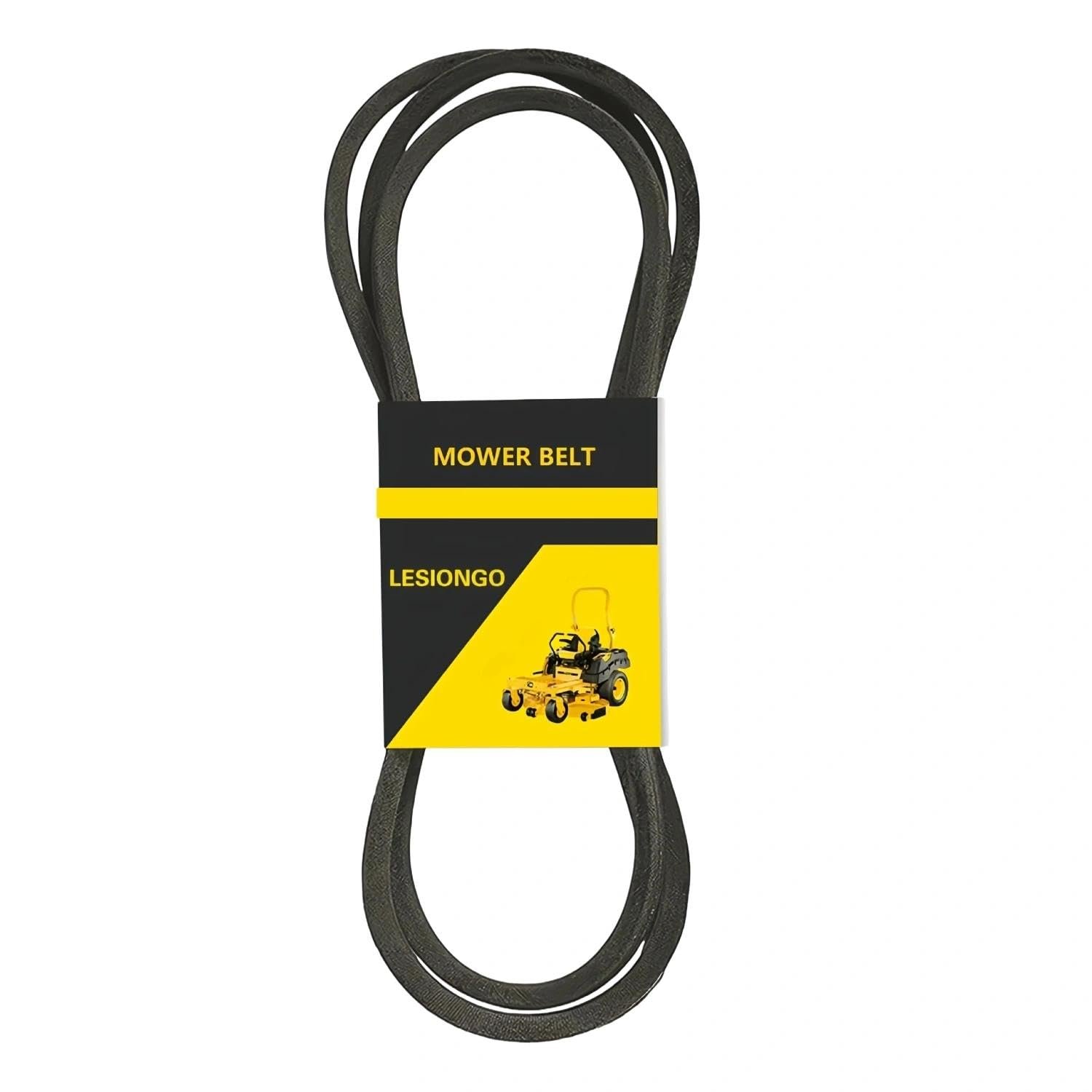
Credit: amazon.com
Fixes for the Most Common Problems
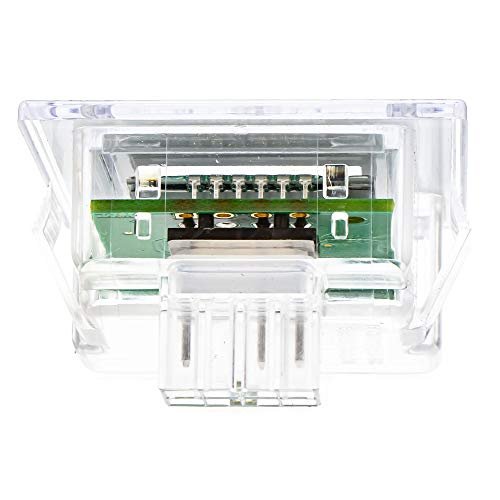
Credit: lawnask.com
Starting problems
To fix a no-start issue, begin with the battery and cables. Charge or replace the battery if needed. Clean corrosion from the terminals using a wire brush. Tighten all connections.
If the battery is good, test the fuses and safety switches. Replace any damaged switch. If the engine still will not start, inspect the spark plug and fuel delivery system.
Fuel system problems
Drain old fuel and refill with fresh gasoline. Replace the fuel filter if it is dirty. If the carburetor is clogged, clean it carefully or rebuild it with the correct kit.
For a simple fuel issue, a fresh tank and new filter can make the mower run like new again. For a deeper carburetor issue, cleaning the jets and passages may be needed.
Cutting problems
Sharpen or replace dull blades. Make sure the deck is level from side to side and front to back. Remove grass buildup under the deck after every few uses, especially in wet seasons.
If the deck still cuts unevenly, inspect the spindle bearings and blade mounts. Worn parts may let the blade wobble instead of spin cleanly.
Steering and pulling problems
Set both rear tires to the same pressure. Inspect drive belts for wear and correct tension. Check control arms and linkages for damage or looseness.
If the mower still drifts, test it on a flat, hard surface. This helps you tell the difference between a real mechanical issue and normal slope-related movement.
Vibration problems
Replace damaged blades right away. Tighten loose hardware. Check the spindle shaft for bending and the pulley system for wear.
Do not keep mowing with strong vibration. That can turn a small repair into a bigger one.
Parts That Fail More Often Than People Expect
Some parts fail because they take a lot of stress. Others fail because they are exposed to heat, dirt, and vibration every time you mow. These are the parts worth watching closely:
- Battery
- Fuel filter
- Air filter
- Spark plug
- Deck belt
- PTO switch
- Blades
- Spindle bearings
Non-obvious insight: small parts often cause bigger symptoms. A weak fuel filter can feel like an engine failure. A worn deck belt can look like a blade or motor issue. Always check the low-cost parts first.
When the Problem Is Bigger Than a Simple Fix
Some issues need a technician. If the mower has a seized engine, cracked deck, damaged transmission, or repeated electrical failure, professional help may be the smarter choice.
You should also stop troubleshooting and get help if:
- There is smoke or burning smell
- The engine makes loud knocking sounds
- Hydraulic or drive components leak fluid
- The mower loses power again right after repair
- Electrical parts keep blowing fuses
For official support, manuals, and service details, the Cub Cadet official website is a useful place to check.
How to Prevent Future Problems
Prevention is easier than repair. A few simple habits can reduce most Cub Cadet Enforcer issues.
- Use fresh fuel and add stabilizer if the mower will sit for weeks.
- Change the air filter regularly.
- Keep the battery charged during storage.
- Clean grass from under the deck after mowing.
- Check tire pressure before each mowing season.
- Inspect blades and belts often.
- Follow the oil change schedule in the manual.
Another useful habit is to do a short pre-season test. Start the mower, engage the blades, and drive it on a flat surface before the first big mowing job. That lets you catch problems early, not in the middle of the yard.
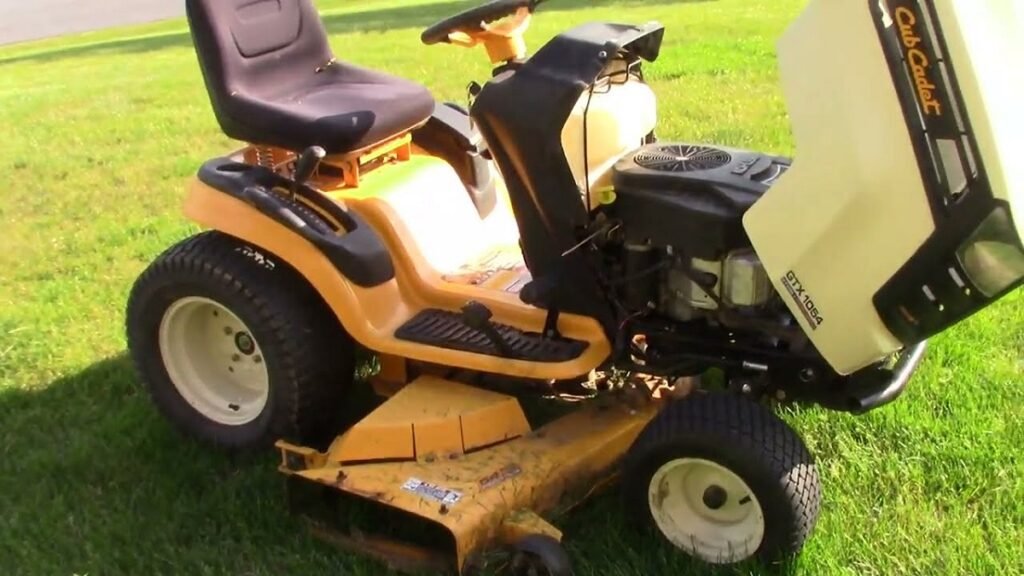
Credit: backyardcorner.com
Final Thoughts on Cub Cadet Enforcer Problems
Most cub cadet enforcer problems are not random. They usually come from wear, poor maintenance, or a small part that has failed. The key is to stay calm and check the basics first.
Start with fuel, battery, switches, blades, belts, and tire pressure. These simple checks solve a large share of mower issues. If the problem remains, move step by step into deeper parts of the machine. That approach is faster, cheaper, and safer than replacing parts without a plan.
With regular care and a little patience, the Cub Cadet Enforcer can stay reliable for many seasons. Most problems are fixable once you know where to look.
Frequently Asked Questions
1. Why does my Cub Cadet Enforcer not start?
The most common reasons are a weak battery, bad connections, old fuel, or a safety switch that is not engaged. Start with the battery and fuel system first.
2. Why does my mower cut unevenly?
Uneven cutting usually comes from dull blades, an unlevel deck, wrong tire pressure, or grass buildup under the deck. Clean and inspect these parts before replacing anything.
3. What causes strong vibration in the mower?
Strong vibration is often caused by damaged or unbalanced blades, loose bolts, or worn spindle parts. Stop using the mower until you find the source.
4. Why does the mower lose power in tall grass?
This can happen when the air filter is dirty, the blades are dull, or the deck is packed with grass. Cutting too fast in thick grass can also overload the engine.
5. How often should I check parts to avoid problems?
Check tire pressure, blades, belts, and deck cleanliness before or during the mowing season. Also inspect the battery and fuel system before long storage periods.