
If your Troy-Bilt Pony starts to move slowly, slips on hills, or refuses to go forward, the transmission is often the first part people blame. In many cases, that is the right place to look. The good news is that not every transmission problem means a full replacement.
Most troy bilt pony transmission problems come from a few common causes: low drive fluid, worn belts, bad linkage adjustment, or simple operator mistakes. Some issues are easy to fix at home. Others need deeper troubleshooting, but you can still narrow them down before spending money on parts.
This guide explains how the Pony’s drive system works, what usually goes wrong, how to test it step by step, and when repair makes sense. You will also learn a few beginner mistakes that often hide the real problem.
How the Pony drive system works
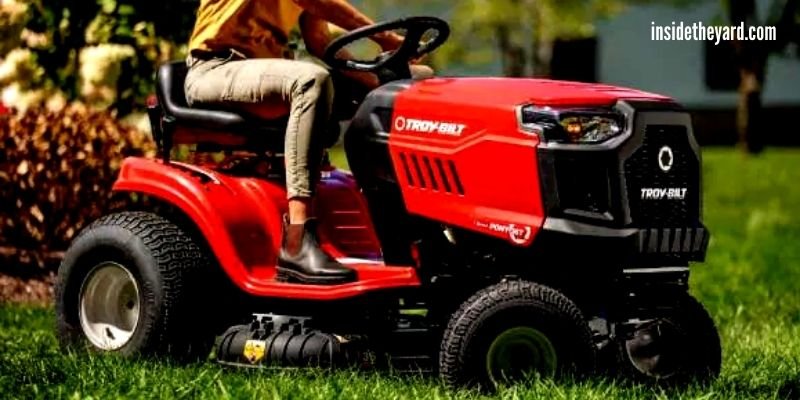
The Troy-Bilt Pony uses a belt-driven transaxle system. That means the engine power moves through a drive belt, then into the transmission or transaxle, and finally to the rear wheels. If any part of that chain fails, the mower may stop moving properly.
The most important thing to understand is this: not every movement problem is caused by the transmission itself. A worn belt, weak tension spring, damaged idler pulley, or bad control cable can create symptoms that feel like a transmission failure. That is why careful troubleshooting matters.
On many Pony models, the transmission is a sealed unit. That means some problems can be repaired externally, but internal gear wear usually means replacement. Before jumping to that point, it helps to check the easy items first.
Common signs of transmission trouble
Transmission problems do not always look dramatic. Sometimes the mower still moves, but it acts weak or unstable. Watch for these signs:
- The mower moves very slowly even at full speed.
- The mower will not move at all in forward or reverse.
- The mower moves only when cold, then stops after warming up.
- You hear grinding, whining, or clicking from the rear.
- The mower slips on slopes or under load.
- One wheel turns but the other does not.
- The shift lever feels loose, stiff, or out of position.
Two signs are easy to miss. First, a mower that moves fine on flat ground but fails on a hill may not have a dead transmission. It may simply be losing belt grip under load. Second, a strange smell after a short ride often points to a slipping belt, not internal gear damage.
What causes Troy-Bilt Pony transmission problems
Most drive issues come from a small number of causes. The challenge is that different faults can create similar symptoms. Here is what usually goes wrong.
1. Worn or loose drive belt
The drive belt is one of the most common failure points. If it stretches, cracks, or becomes glazed, it cannot transfer power well. The mower may move weakly or not at all. Belt wear often gets worse slowly, so people notice the problem only after it becomes serious.
2. Improper belt tension
A belt can look fine but still fail because the tension is wrong. Too loose, and it slips. Too tight, and it adds stress to the pulleys and transmission input. This is one of the less obvious causes because the belt itself may not look damaged.
3. Faulty idler pulley or tension spring
The idler pulley helps maintain belt tension. If the pulley seizes, wobbles, or becomes worn, the belt cannot stay aligned or tight. A weak or stretched tension spring can create the same issue. These parts are small, but they control how well the entire drive system works.
4. Damaged drive linkage or cable
If the control cable is loose, bent, or misadjusted, the transmission may not fully engage. The mower can feel like it is slipping when the real problem is the lever does not move the linkage far enough.
5. Low hydraulic fluid in hydrostatic models
Some Pony models use hydrostatic drive systems. If the fluid level is low, the transmission may lose power, especially when hot. Air in the system can also cause jerky movement or weak drive. For owners, this is often mistaken for a bad transmission even when the unit is still healthy.
6. Worn internal transmission parts
Inside the transaxle, gears, bearings, seals, and hydraulic components can wear out. When internal parts fail, symptoms usually become more serious. You may hear noise, feel slipping, or lose drive completely. Internal damage is the most expensive type of problem.
7. Brake or parking brake drag
If the brake does not fully release, the mower can feel underpowered. This is a common mistake during diagnosis. The transmission is doing extra work, so the mower seems weak even though the problem is actually dragging resistance.
8. Tire issues or axle resistance
Low tire pressure or a stuck wheel can also make the transmission seem bad. The drive system may be fine, but the mower cannot roll properly. This is one of the simplest checks and one of the most overlooked.
Quick checks before you open anything
Before removing parts, do a few basic checks. These can save time and help you avoid replacing the wrong component.
- Check tire pressure. Uneven pressure changes how the mower drives and turns.
- Move the mower by hand with the engine off. If it rolls hard, a brake or wheel issue may be involved.
- Look under the mower deck. Check for a loose belt, debris, or a damaged pulley.
- Test the shift lever. Make sure it moves through all positions smoothly.
- Listen during operation. Noise from the rear often gives clues about the source.
A useful non-obvious test is to compare behavior when the mower is cold versus hot. A transmission that works for five minutes and then fades often points to fluid, heat, or internal wear. A problem that is present from the start usually suggests belt, cable, or adjustment issues.
Credit: insidetheyard.com
Step-by-step troubleshooting guide
Use a simple process. Start with easy checks and move toward deeper repair only if needed. That approach is faster and cheaper than guessing.
1. Inspect the drive belt
Look for cracks, fraying, glazing, or missing chunks. If the belt feels shiny and hard, it may be slipping. Also check whether the belt sits correctly on all pulleys. A belt that rides off-center can still turn, but not with enough force.
If the belt is visibly damaged, replace it. Do not try to “make it work” for long. A weak belt can also damage pulleys and make troubleshooting harder later.
2. Check the idler pulley and spring
Spin the pulley by hand with the engine off. It should turn smoothly and quietly. If it sticks, wobbles, or feels rough, replace it. Then inspect the spring for stretching or damage.
Many people replace the belt first and still have the same issue. If the pulley or spring is weak, the new belt will fail too. That is why these parts should be checked together.
3. Inspect the control linkage
Make sure the drive lever and cable fully engage the transmission. Look for bent rods, worn connection points, or slack in the cable. If the linkage does not move enough, the transmission may only engage partly.
Small adjustment can make a big difference here. Even a few millimeters of lost travel can create a weak drive problem.
4. Test brake release
Confirm that the brake fully disengages when the drive control is active. A dragging brake can make the mower feel sluggish and overheated. If the wheels are hard to push with the mower off, the brake system deserves attention.
5. Check for hydrostatic fluid issues, if your model uses one
If your Pony has a hydrostatic transaxle, inspect the fluid level according to the owner’s manual. Low fluid, leaks around the seals, or air in the system can cause poor performance. You should also look for wet spots under the transmission housing.
For official model-specific details, the best source is the Troy-Bilt support site, where you can find manuals and parts information for your exact model.
6. Look for wheel and axle resistance
Raise the rear of the mower safely and spin each wheel. One wheel should not feel much harder to turn than the other. If one side binds, the issue may be a wheel hub, axle, or brake drag problem rather than the transmission itself.
7. Listen for internal failure
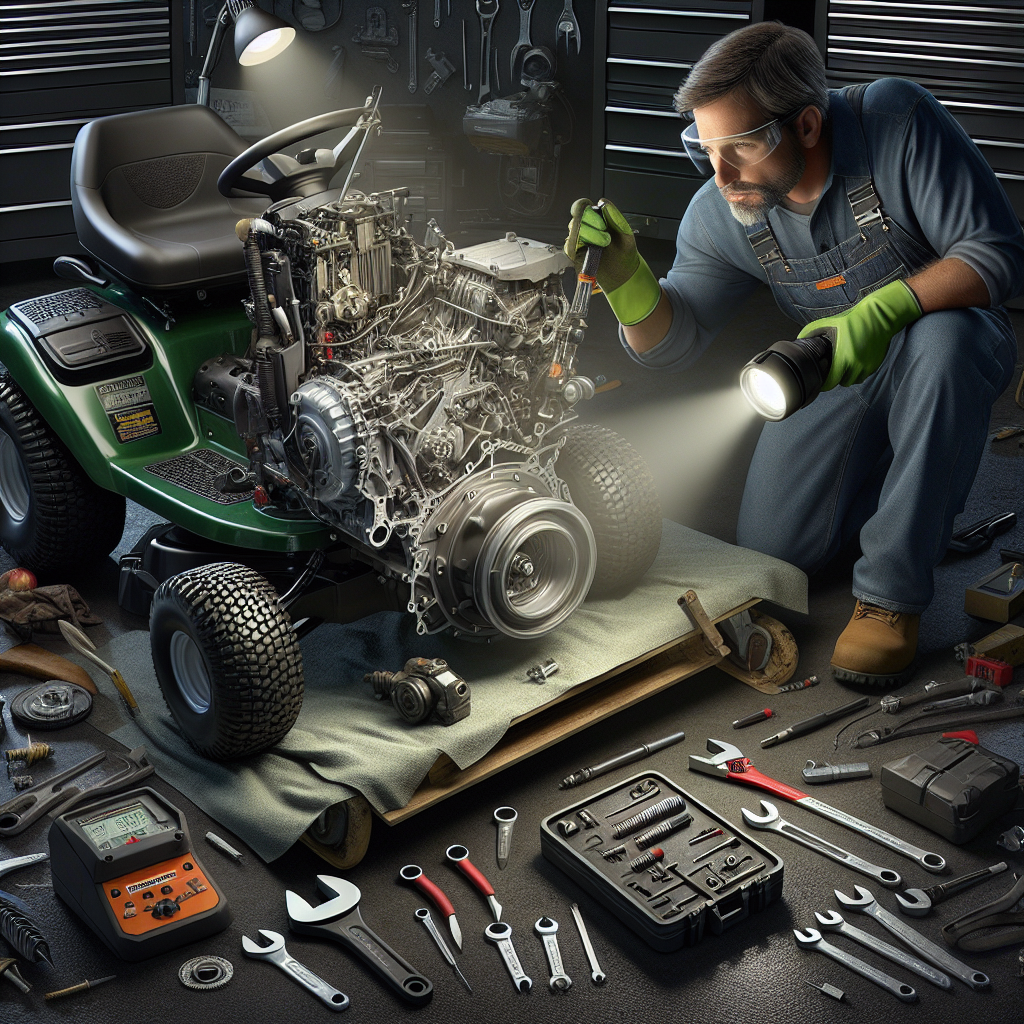
If the belt, pulley, linkage, and brake all check out, internal transmission failure becomes more likely. Loud whining, grinding, or jerking under light load can point to worn internal gears or hydraulic wear. At that stage, repair may involve replacing the transaxle.
Common fixes that work well
Some repairs solve the problem quickly, especially when the issue is caught early. These are the fixes that often give the best result.
Credit: thelandautorepair.com
Replace the drive belt
If the belt is old, cracked, or stretched, replace it with the correct Troy-Bilt part number for your model. Using the wrong size belt is a common mistake. Even a small difference in length can change tension and cause slipping.
Replace a worn idler pulley
If the pulley is noisy or rough, change it before it fails completely. A bad pulley can shred a new belt in a short time.
Adjust the control cable or linkage
If the mower barely engages, the linkage may need adjustment. Make sure the control travel is correct and that the drive system fully engages when the lever is pressed.
Service the transmission fluid, if applicable
Some hydrostatic units allow limited servicing. Follow the model manual exactly. Using the wrong fluid can cause poor performance or damage seals. Do not assume all fluids are the same.
Clean debris from the drive area
Grass buildup, sticks, and dirt around the pulleys and transaxle can cause heat and belt slip. Cleaning the underside of the mower is not just cosmetic. It protects drive parts and improves performance.
When the transmission itself is bad
Sometimes the problem really is inside the unit. A transmission replacement may be the right choice if you see these signs:
- The mower loses drive in both directions.
- The problem remains after belt, pulley, and linkage checks.
- You hear severe grinding or internal knocking.
- Fluid leaks keep returning.
- The mower works only on flat ground and fails quickly under load.
At that point, compare repair cost with replacement cost. On many riding mowers, a new transaxle can be expensive, but repeated failed repairs can cost almost as much. If the mower is older, the total condition of the machine matters too.
One useful rule: if the repair involves opening a sealed unit and the mower already has other major wear, replacement is often smarter than deep internal repair.
How to avoid future transmission trouble
Prevention is easier than repair. A few habits can make the drive system last longer.
Keep the belt area clean
Grass and dirt hold heat. Heat shortens belt life and puts stress on pulleys and seals.
Do not overload the mower
Driving too fast on rough ground or pulling more weight than the mower is designed for adds stress to the transmission.
Check tire pressure often
Uneven pressure changes load balance and can make the drivetrain work harder than it should.
Store the mower in a dry place
Moisture can damage cables, springs, pulley bearings, and exposed metal parts.
Fix small slipping early
A weak belt or rough pulley is cheap to fix early. If you ignore it, the extra heat and friction can damage other parts.
Another beginner mistake is waiting until the mower stops moving completely. Transmission systems often give warning signs first. Catching the problem early usually keeps the repair simple.
How to tell belt trouble from transmission trouble
This is one of the most important parts of troubleshooting. The symptoms overlap, but there are clues.
| Symptom | More likely cause | What to check first |
|---|---|---|
| Mower slips on hills | Belt or pulley slip | Belt wear, tension spring, idler pulley |
| Mower will not move at all | Belt, linkage, or transmission | Belt routing, control cable, fluid level |
| Movement gets weak when warm | Fluid or internal transmission wear | Fluid level, leaks, heat-related loss |
| Grinding or whining noise | Internal wear or pulley failure | Pulley condition, transmission sound |
| Mower rolls hard when pushed | Brake drag or wheel resistance | Brake release, wheel hubs, axle movement |
This kind of simple comparison can keep you from replacing the wrong part. It also helps when talking to a repair shop, because you can describe the symptoms more clearly.
When to repair and when to replace
Not every transmission problem is worth fixing in a detailed way. The decision depends on age, cost, and the condition of the rest of the mower.
Repair makes sense when the problem is external, such as a belt, pulley, spring, cable, or minor adjustment. These fixes are usually affordable and quick.
Replacement makes more sense when the transaxle is sealed and the internal parts have failed. If the mower has multiple worn systems, putting a lot of money into one drive component may not be wise.
Also consider time. If you need the mower during the season, a simple replacement may be better than chasing a hard-to-find internal issue.

Credit: thelandautorepair.com
Practical troubleshooting mindset
Good repair work is mostly about logic. Start with the parts that fail most often and are easiest to inspect. Do not assume the most expensive part is guilty first.
Here is the best order:
- Check tires, brake drag, and wheel movement.
- Inspect the belt and pulleys.
- Test the linkage and cable.
- Check fluid or leak issues on hydrostatic models.
- Only then suspect internal transmission damage.
This sequence saves money and avoids unnecessary part replacement. It is also the best way to diagnose troy bilt pony transmission problems without guessing.
FAQs
1. Why does my Troy-Bilt Pony move slowly even with the pedal fully pressed?
This usually points to a slipping belt, weak tension spring, bad pulley, or low fluid in hydrostatic models. It can also happen if the brake is not fully releasing.
2. Can a bad drive belt feel like a transmission failure?
Yes. In fact, that is one of the most common mistakes. A worn or loose belt can create weak drive, slipping, or no movement at all, just like a bad transmission.
3. How do I know if my transmission is truly bad?
If the belt, pulleys, linkage, brakes, and tires are all fine, but the mower still has noise, slipping, or no drive, the internal transmission may be failing. Persistent problems in both forward and reverse are a strong warning sign.
4. Should I replace the transmission or repair it?
If the issue is external, repair is usually the better choice. If the unit is sealed and internal parts are worn out, replacement is often more practical and reliable.
5. How can I prevent future transmission problems on my Troy-Bilt Pony?
Keep the belt area clean, check tire pressure often, fix small slipping early, and store the mower in a dry place. Regular inspection is the easiest way to avoid bigger drive problems later.