
If you are dealing with raptor sd 60 problems, you are not alone. Many owners face the same pattern of issues: weak starting, rough running, fuel trouble, electrical faults, and power loss. The good news is that most of these problems come from a few common causes, and many of them can be fixed without replacing the whole machine.
This guide explains the most common Raptor SD 60 issues in simple words. You will learn what each symptom usually means, what causes it, and how to fix it step by step. You will also see a few things beginners often miss, which can save time, money, and frustration.
Before you start replacing parts, it helps to think in a smart order. First check fuel, air, battery, and basic wiring. Then move to deeper parts like ignition, carburetion, and internal engine wear. That simple approach solves more problems than random part swapping.
What usually goes wrong first
When a Raptor SD 60 starts acting up, the first signs are often small. The machine may start fine one day and then crank longer the next day. It may lose power on hills, run unevenly, or stall when hot. These early signs matter because they often point to the real fault before a full failure happens.
In many cases, the problem is not one big broken part. It is a chain of small issues. For example, old fuel can cause poor combustion, which makes the engine run rough. A rough engine can load the battery and starter more than normal. Then the owner thinks there are several failures, when the root cause is just bad fuel or poor maintenance.
Common early warning signs
- Slow or weak cranking
- Hard starting when cold or hot
- Engine surging or hunting at idle
- Loss of speed under load
- Black smoke, white smoke, or fuel smell
- Sudden shutdowns after running for a while
Fuel problems and poor engine performance
Fuel issues are one of the most common causes of raptor sd 60 problems. Small engines are very sensitive to old fuel, water in the tank, dirty filters, and clogged carburetors. Even a little contamination can change how the engine runs.
One non-obvious detail many beginners miss is this: fuel that looks fine can still be bad. Gasoline starts to break down over time, especially if it sits in the tank for weeks or months. That broken-down fuel leaves varnish inside the carburetor and jets. The engine may still start, but it runs lean, stalls, or surges under load.
What to check first
- Check the fuel level and smell.
- Look for water or dirt in the tank.
- Inspect the fuel filter.
- Check the fuel line for cracks or kinks.
- Test whether the carburetor is getting fuel.
Typical symptoms and fixes
| Symptom | Likely cause | Best fix |
|---|---|---|
| Engine starts then dies | Fuel starvation or clogged carburetor | Replace filter, clean carburetor, check vent |
| Surging at idle | Dirty jets or air leak | Clean carburetor and inspect intake seals |
| Hard starting after storage | Old fuel or varnish buildup | Drain fuel, clean system, use fresh gas |
| Power loss under load | Restricted fuel flow | Check filter, lines, tank vent, and carburetor |
How to fix fuel issues the right way
Start simple. Drain old fuel and refill with fresh fuel. Replace the fuel filter if it is dirty or unknown age. If the problem remains, remove and clean the carburetor. Do not just spray cleaner into the throat and hope for the best. The jets and passages often need a full cleaning.
If the engine still runs badly after that, check the tank vent. A blocked vent can create a vacuum in the tank. That stops fuel flow and causes the engine to die after a few minutes. This is a common cause of “random” stalling that is actually very predictable.
Starting trouble and weak cranking
When the engine will not start, the battery and starter system are often blamed first. Sometimes that is correct. Other times the real issue is high resistance in the wiring, a bad safety switch, or poor engine grounding.
A useful rule: if the starter clicks but does not turn well, focus on power delivery. If the starter cranks normally but the engine does not fire, focus on fuel and spark. That simple split saves a lot of wasted testing.
Common causes of starting problems
- Weak battery
- Dirty battery terminals
- Loose ground connection
- Bad starter solenoid
- Failing ignition switch or safety switch
- Fuel delivery or spark problems
Practical fixes
First, test the battery under load, not just with a quick glance. A battery can show decent voltage and still fail when asked to crank the engine. Clean both battery terminals and make sure the ground wire is tight and free of corrosion. Then listen for the solenoid click and check whether voltage reaches the starter.
If the engine cranks but will not start, remove the guesswork. Check spark with a tester. Check fuel at the carburetor. If both spark and fuel are present, then compression may be the next thing to inspect. Do not jump straight to a major repair before you verify the basics.
Non-obvious starting mistake
Many owners replace the battery too soon. That can waste money if the real issue is a poor ground strap or corroded cable end. A weak connection can act like a weak battery. Fix the connection first, then test again.
Electrical faults that come and go
Electrical problems can be harder than fuel problems because they may appear only when the machine vibrates, heats up, or moves over rough ground. A wire can look fine but still fail inside the insulation. A switch may work in one position and fail in another.
For raptor sd 60 problems, intermittent electrical faults are often linked to corrosion, loose connectors, broken grounds, or damaged harnesses. Moisture and heat make these issues worse. The machine may start in the morning and fail after a wet ride or long use.

Credit: yardguides.com
What to inspect
- Battery terminals and cable ends
- Main fuse and fuse holder
- Ground wires
- Ignition switch connections
- Safety switches and their connectors
- Any rubbed or pinched wiring near moving parts
How to diagnose intermittent faults
Gently move the harness and connectors while the system is on, if safe to do so. If the machine cuts out, you may have found a bad connection. Look for green corrosion, loose pins, burnt plastic, or wires that are stretched tight. Repair damaged connectors properly. Twisting wires together and wrapping them with tape is only a short-term patch.
If your machine uses multiple safety switches, remember that one faulty switch can stop the whole system. Bypass testing should only be done carefully and only for diagnosis. After that, restore the safety system to its normal working state.
Loss of power under load
A Raptor SD 60 that idles okay but struggles under load is telling you something important. It means the engine can run lightly, but it cannot keep up when work gets harder. That usually points to fuel restriction, ignition weakness, air restriction, or engine wear.
One beginner mistake is to blame the engine before checking the cutting system or driveline load. If a belt, blade system, or mechanical load is binding, the engine may seem weak when the real problem is drag outside the engine itself.
Likely causes
- Clogged air filter
- Weak fuel delivery
- Partially blocked exhaust
- Worn spark plug
- Governor or throttle linkage issues
- Excessive mechanical drag
Fix strategy
Check the air filter first. A dirty filter reduces airflow and can choke the engine. Then inspect the spark plug. A plug that is worn, fouled, or incorrectly gapped can misfire under load even if it still sparks in open air. After that, check the exhaust for blockage and make sure the throttle linkage moves fully.
If the engine still feels weak, think about compression and valve condition. An engine with low compression may idle acceptably but fail when asked for full power. That is why a simple idle test is not enough to judge health.
Overheating and shutdown after running a while
Some machines run for ten or twenty minutes and then quit. After cooling down, they restart. This pattern often points to heat-related failure. It can be fuel vapor lock, ignition coil breakdown, restricted airflow, or internal engine heat.
Heat-related issues can fool people because the machine seems normal when cold. The fault only shows after the engine and electrical parts warm up. That makes timing important during diagnosis.
Things to inspect
- Cooling fins and fan areas for dirt and debris
- Engine oil level and condition
- Ignition coil performance when hot
- Fuel line routing near hot surfaces
- Blocked muffler or exhaust outlet
Fixes that actually help
Clean all cooling surfaces carefully. Grass, dust, and oil buildup hold heat and reduce cooling. Check oil level and change old oil. If fuel lines run too close to hot parts, reroute them if possible. Heat can also damage fuel and create vapor pockets that stop flow.
If the machine dies hot and restarts after cooling, test the ignition coil if possible. Some coils work fine when cold but fail when warmed up. That is a real failure mode, not a guess.
Rough idle, surging, and stalling
Rough idle and surging usually mean the engine is not getting the air-fuel mix it wants. This can happen from carburetor dirt, vacuum leaks, governor problems, or clogged passages. The engine may race up and down or die when the throttle closes.
A subtle clue is how the problem changes with the choke. If the engine runs better with choke on, it often means the mixture is too lean. That can point to dirty jets, air leaks, or fuel supply trouble.
Credit: yardguides.com
Common causes
- Dirty carburetor idle circuit
- Cracked intake gasket or loose carb mounting
- Air filter restriction
- Incorrect idle adjustment
- Governor instability
How to correct it
Clean the carburetor thoroughly, especially the idle jet and small passages. Inspect the intake boot and gasket surfaces for air leaks. Tighten fasteners evenly, but do not overtighten and crack plastic parts. Replace damaged gaskets rather than trying to seal them with paste.
Then adjust idle speed and mixture according to the service settings for your model. Small changes matter. Turning screws too far can make the engine worse instead of better.
When the engine turns but never fires
If the starter spins the engine but it never starts, the engine needs three things: fuel, spark, and compression. Missing even one of them will stop the engine from firing. The key is to test each one in a logical order.
Many owners waste time replacing parts without testing. A better method is to prove each system one at a time. That is faster and usually cheaper.
Simple test order
- Check fuel reaching the carburetor.
- Check for spark at the plug.
- Check compression if fuel and spark are present.
- Inspect timing-related parts if the engine still will not start.
Why compression matters
Compression is often ignored because it requires a gauge, but it is a key part of engine health. Low compression can come from worn rings, leaking valves, or gasket failure. If compression is weak, even a perfect battery and clean carburetor will not solve the start problem.
That said, do not assume low compression too early. It is less common than fuel or spark faults. Start with the simple checks first.
Maintenance mistakes that create repeated problems
Some raptor sd 60 problems keep coming back because the real cause is poor maintenance. People often fix the symptom but not the habit that caused it. A clean machine with fresh fuel and tight connections usually has fewer surprises.
Common mistakes
- Leaving fuel in the tank for long storage
- Skipping air filter cleaning
- Ignoring small oil leaks
- Using old or poor-quality spark plugs
- Not checking cable corrosion
- Running the machine with loose fasteners
What to do instead
Use fresh fuel and treat it if the machine will sit for a while. Clean or replace the air filter on schedule. Inspect the battery and wiring regularly, especially before heavy use. Tighten loose hardware before it causes vibration damage. These are small tasks, but they prevent bigger failures.
Another useful habit is to keep notes. Write down what failed, what you changed, and whether the fix worked. That record can reveal patterns. For example, if the machine always stalls after storage, fuel quality becomes the first thing to inspect next time.
How to troubleshoot in the right order
Good troubleshooting is not random. It follows a path. Start with the easiest checks, then move to deeper ones only if needed. This saves time and prevents unnecessary parts replacement.
A practical order to follow
- Check fuel condition and fuel flow.
- Inspect battery, cables, and grounds.
- Test spark and replace the plug if needed.
- Clean the air filter and check airflow.
- Inspect carburetor, intake seals, and vents.
- Look for mechanical drag or compression loss.
If you want a trusted general reference for small engine care, the small engine maintenance guidance from Tecumseh can be useful for basic principles that apply to many engines.
Why this order works
This order works because the most common faults are also the easiest to test. Fuel, spark, and air problems appear far more often than major engine damage. By checking these first, you avoid taking apart the machine when the issue is simple.
It also helps you avoid “parts chasing,” which is when someone replaces one part after another without a plan. That is expensive and frustrating. A methodical check is usually the smarter path.
When a repair is no longer enough
Most problems can be fixed with cleaning, adjustment, or parts replacement. But there is a point where repair may not be cost-effective. If the engine has repeated failures, very low compression, major internal wear, or a badly damaged wiring harness, the repair cost may become too high.
That does not mean the machine is worthless. It means you should compare repair cost with age, use, and condition. A simple carburetor service is reasonable. A full rebuild on a very worn machine may not be.
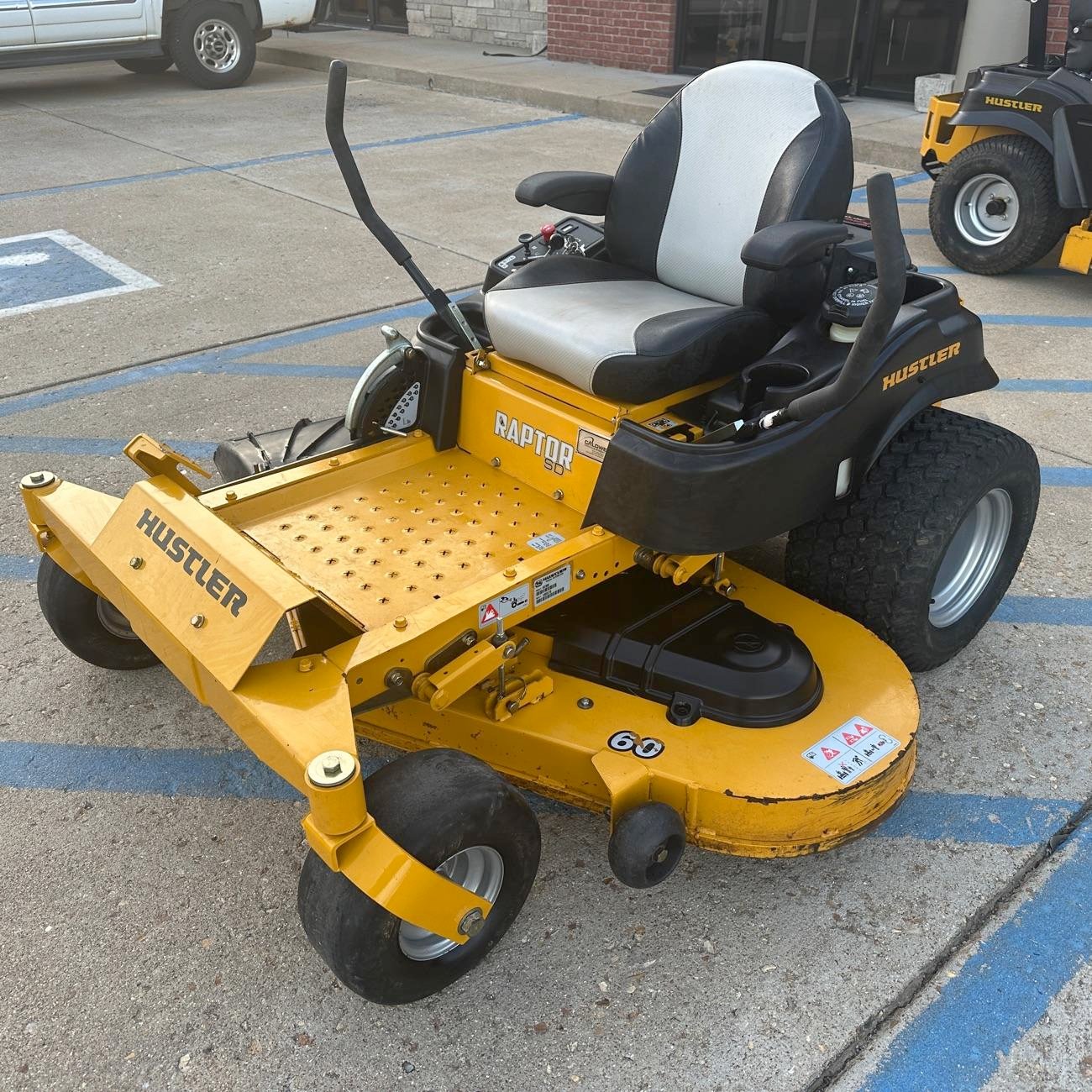
Credit: store.caldwellequipment.com
Signs of serious wear
- Repeated hard starting even after full tune-up
- Low compression readings
- Oil burning or heavy smoke
- Metal noise from inside the engine
- Major harness damage or melted connectors
Final thoughts on solving the most common issues
The best way to deal with raptor sd 60 problems is to stay calm and test in order. Most faults come from fuel, spark, airflow, battery health, or loose connections. Those are repairable issues. The sooner you find the real cause, the less time and money you waste.
If you remember only one thing, remember this: do not guess. Check the basics first, then move deeper only when the simple fixes do not solve it. That habit will help you solve problems faster and keep the machine running better for longer.
FAQs
1. What are the most common Raptor SD 60 problems?
The most common issues are hard starting, fuel starvation, rough idle, power loss under load, and electrical faults. In many cases, dirty fuel, clogged carburetor parts, weak battery connections, or bad grounds are the main causes.
2. Why does my Raptor SD 60 start and then die?
This often points to fuel flow problems. A clogged fuel filter, dirty carburetor, blocked tank vent, or old fuel can let the engine start briefly and then stall when fuel demand rises.
3. What should I check first if the engine will not crank?
Start with the battery, terminals, ground wire, and main fuse. A weak battery or corroded connection is often the real reason the starter does not turn well.
4. Can old fuel really cause major problems?
Yes. Old fuel can form varnish, clog carburetor passages, and make the engine run poorly or not start at all. Fresh fuel is one of the simplest and most important fixes.
5. When should I take the machine to a professional?
If you have tested fuel, spark, battery, and airflow but the machine still has low compression, major wiring damage, or repeated failures, it is smart to get a professional diagnosis.