
If you own a compact tractor, you already know how useful it can be when it runs well. The John Deere 4410 is a strong machine for mowing, loader work, snow removal, and light farm jobs. But like any older tractor, it can develop issues over time. Some are simple. Some take more time to track down.
This guide explains the most common john deere 4410 problems, why they happen, and how to fix them. You will also learn warning signs to watch for before a small issue becomes a costly repair. If you are trying to decide whether to repair, inspect, or buy one of these tractors, this article will help you make a better choice.
The good news is that many 4410 problems are not random. They often follow a pattern: worn filters, old fluid, bad switches, weak battery connections, clogged cooling parts, or tired hydraulic components. Once you know the pattern, diagnosis becomes much easier.
How the John Deere 4410 usually starts having trouble
The 4410 is part of John Deere’s compact utility tractor line, and many owners use it for years with only basic service. Most trouble starts when maintenance is delayed or the tractor works in harsh conditions. Dust, heat, heavy loads, and long storage periods can all create hidden wear.
Another thing many beginners miss is this: a small tractor problem often affects several systems at once. For example, weak battery voltage can cause poor starting, strange dashboard behavior, and even fuel shutoff issues. Hydraulic problems can also feel like engine power loss, even when the engine itself is fine.
That is why it helps to look at symptoms by system instead of guessing. Below, each section explains the cause, the signs, and the fix in plain language.
Starting problems and hard starts
One of the most common john deere 4410 problems is hard starting. The tractor may crank slowly, crank normally but refuse to fire, or start only after several tries.
Common causes
- Weak battery
- Loose or corroded battery terminals
- Bad starter relay or solenoid
- Fuel restriction
- Air in the fuel system
- Glow plug or cold-start issue in cooler weather
What to check first
Start with the battery. Compact tractors need clean, strong electrical power. If the battery is old or the terminals are dirty, the starter may not get enough current. Clean both terminals and check the ground cable. A loose ground can create a problem that looks much worse than it is.
Next, confirm fuel flow. Old fuel, a clogged fuel filter, or a weak lift pump can cause long cranking. If the tractor sat unused for a long time, water or algae in the fuel may also be part of the issue.
Fixes that usually help
- Charge or replace the battery if it is weak.
- Clean battery terminals and cable ends.
- Replace the fuel filter if service is overdue.
- Bleed the fuel system if air has entered the lines.
- Test the starter relay and solenoid if the tractor only clicks.
A useful clue is engine sound. If the engine cranks faster than normal but does not start, the issue may be fuel delivery. If it cranks slowly, the issue is usually electrical.
Engine runs rough, loses power, or stalls
Another common complaint is poor engine performance. The tractor may start fine, then lose power under load. It may smoke, shake, or stall when mowing tall grass or lifting a heavy load with the front loader.
Common causes
- Dirty air filter
- Clogged fuel filter
- Bad or old fuel
- Fuel injector wear
- Restricted exhaust
- Overheating under load
Why this happens
Diesel engines need clean air and clean fuel. If either one is restricted, the engine cannot burn fuel properly. The 4410 is often used in dusty places, so the air filter can clog faster than some owners expect. That is a simple problem, but it can cause weak performance that feels serious.
Another non-obvious point: a tractor can seem underpowered when the real issue is overheating. As engine temperature rises, performance drops. The operator notices less pulling power, but the root cause is often cooling-system trouble, not fuel system trouble.
Fixes and checks
- Inspect and replace the air filter if it is dirty.
- Replace the fuel filter and use fresh diesel.
- Check for blocked intake screens or a plugged muffler.
- Watch engine temperature during heavy work.
- If smoke and rough running continue, test injectors.
For diesel fuel care and storage guidance, the John Deere official website is a helpful place to review general service information and product support resources.
Hydraulic and loader issues
Hydraulic trouble is one of the more frustrating john deere 4410 problems because it affects loader work, steering feel, and implement operation. When the hydraulics are weak, the tractor may lift slowly, jerk while moving, or fail to hold a load.

Credit: agriculturequestions.com
Common causes
- Low hydraulic fluid
- Dirty hydraulic filter
- Wrong type of hydraulic oil
- Air in the hydraulic system
- Worn pump
- Leaking seals or hoses
How to spot the problem
If the loader raises slowly but works better at higher RPM, the pump may be weak or the system may be low on fluid. If the three-point hitch moves strangely or the steering feels light and inconsistent, do not ignore it. Those signs often point to flow loss, contamination, or internal wear.
Many owners overlook one simple detail: hydraulic fluid condition matters as much as level. Milky fluid means water contamination. Dark, burnt-smelling fluid means overheating or old oil. Either one can shorten pump life.
Fixes
- Check fluid level with the tractor on level ground.
- Replace hydraulic filters on schedule.
- Use the correct fluid type recommended for the tractor.
- Inspect hoses, fittings, and cylinder seals for leaks.
- Bleed trapped air if the system was opened.
If the hydraulic pump whines loudly, do not keep working the tractor for long. That sound often means the pump is starved for fluid or pulling air. Continued use can turn a small repair into a larger one.
Transmission problems and shifting difficulty
Some owners report stiff shifting, poor range selection, or a tractor that does not move smoothly. On a compact tractor, transmission problems can feel dramatic because small changes in speed or response are easy to notice.
Common causes
- Low transmission fluid
- Old or wrong fluid
- Clutch linkage wear
- Damaged shift linkage
- Internal wear from heavy use
- Operator error during gear changes
What often gets missed
Some shifting issues are not inside the transmission at all. Linkage problems can make the shift lever feel wrong even when the gears are fine. Dirt, bent parts, or worn bushings can create hard shifting and false gear engagement.
Also, transmission fluid that looks acceptable can still be the wrong spec. That matters. The right fluid is designed for the system’s friction, heat, and hydraulic needs. Using the wrong fluid may create shifting roughness or clutch performance problems.
How to fix it
- Check fluid level and top up only with the correct product.
- Inspect shift linkage for wear or misalignment.
- Lubricate moving linkage points if needed.
- Replace old fluid if service history is unknown.
- Have internal components checked if grinding or slipping continues.
If the tractor pops out of gear or refuses to stay in range, stop using it heavily until the cause is found. Continuing to force the transmission can cause expensive damage.
Electrical problems, warning lights, and dashboard faults
Electrical trouble can look random, but it usually has a clear cause. The 4410 may show weak lights, dead gauges, intermittent starting, or warning indicators that come and go.
Common causes
- Weak battery
- Bad ground connection
- Blown fuse
- Faulty ignition switch
- Worn wiring harness
- Corroded connectors
Why electrical issues are so confusing
Compact tractors work in vibration, dust, moisture, and temperature changes. Those conditions are hard on connectors. A connector may look fine from the outside but still have corrosion inside. That is why a tractor may work one day and fail the next.
Another beginner mistake is replacing parts too quickly. A dead gauge is not always a bad gauge. Sometimes the real issue is power supply, fuse, or ground. Test the simple things first.
Practical fixes
- Test battery voltage under load.
- Clean all main grounds and battery posts.
- Check fuses and fuse holders for corrosion.
- Inspect wiring near moving parts and hot engine areas.
- Replace the ignition switch if power is intermittent.
If the tractor shuts off randomly, wiggle-test the wiring only after securing the tractor safely. Intermittent faults often show up when a cable moves or vibrates.
Overheating during mowing or heavy work
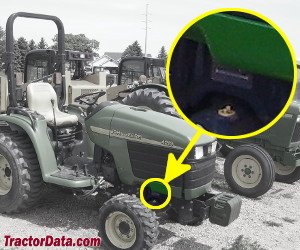
Overheating is a serious issue because it can damage the engine quickly. The 4410 may run fine when idling, then get hot under load. That pattern usually points to airflow, coolant, or fan problems.
Credit: tractordata.com
Common causes
- Low coolant
- Dirty radiator fins
- Blocked grille screen
- Worn fan belt
- Faulty thermostat
- Internal radiator clogging
What to inspect
Start by cleaning the radiator and intake screens. Grass clippings, dust, and chaff build up fast during mowing. Even a thin layer can reduce cooling a lot. Check the fan belt next. A loose or glazed belt can let the fan underperform.
If the coolant level is low but you do not see a leak, inspect the cap, hoses, and water pump area carefully. Small leaks can evaporate before they drip to the ground.
Fixes
- Clean the radiator and screens often.
- Refill coolant to the correct level.
- Replace cracked hoses or weak clamps.
- Check the belt for tension and wear.
- Test the thermostat if overheating continues.
A tractor that overheats only in heavy grass may still have a cooling issue, even if it seems normal at idle. That is why load testing is important.
Steering or front axle issues
Steering problems can make the tractor feel unsafe or hard to control. Some owners notice stiff steering, loose steering, or a knocking sound from the front end.
Common causes
- Low hydraulic fluid
- Air in the steering circuit
- Worn tie rods or ball joints
- Front axle wear
- Loose wheel bearings
- Tire pressure imbalance
What many owners overlook
Uneven tire pressure can mimic a steering fault. Before blaming the steering system, check both front tires. A small pressure difference can make the tractor pull or feel heavy in one direction.
Also, worn front-end parts often create a clunk that seems minor at first. If left alone, that wear can affect alignment and increase tire wear.
Fixes
- Check front tire pressure and match it side to side.
- Inspect steering links for play.
- Grease fittings if the model setup includes them.
- Replace worn joints or bearings.
- Check hydraulic assist if steering remains heavy.
How to prevent many 4410 problems
Most John Deere 4410 issues become less frequent when the tractor gets regular care. Prevention is cheaper than repair, and on a compact tractor, the basics matter most.
Simple habits that make a big difference
- Change engine oil and filters on time.
- Keep air and fuel filters clean.
- Use fresh fuel and store it properly.
- Clean cooling parts after dusty work.
- Inspect cables, hoses, and belts often.
- Check fluid levels before hard jobs.
One smart habit is to listen to the tractor when it changes sound. New whining, clicking, rough idle, or slower lifting often appear before a full failure. Catching those early is the easiest way to save money.
Another useful habit is to keep a small service log. Write down filter dates, fluid changes, and any odd symptoms. That record helps you see patterns, especially if the tractor is used seasonally.
Quick diagnosis guide by symptom
| Symptom | Most likely cause | First fix to try |
|---|---|---|
| Slow cranking | Weak battery or bad terminals | Clean terminals and test battery |
| Cranks but will not start | Fuel issue or air in lines | Check fuel filter and bleed system |
| Lack of power | Dirty air filter or fuel restriction | Inspect filters and fuel quality |
| Weak loader response | Low hydraulic fluid or worn pump | Check fluid level and filter |
| Hard shifting | Low fluid or linkage wear | Inspect fluid and shift linkage |
| Overheating | Dirty cooling system or low coolant | Clean radiator and check coolant |
Credit: fastline.com
When to stop troubleshooting and call a mechanic
Some problems are safe to inspect at home. Others need a trained technician. If the tractor has metal in the oil, repeated overheating, strong hydraulic whining, or transmission slipping, professional help is a good idea.
You should also get help if the tractor loses power in a way that does not match simple filter or fuel issues. That may point to injector trouble, internal wear, or a deeper fuel system fault.
In general, if a repair affects engine compression, internal hydraulics, or the transmission case, do not keep guessing. Careful diagnosis saves time and protects the machine.
FAQs
1. What are the most common John Deere 4410 problems?
The most common problems are hard starting, weak engine power, hydraulic weakness, shifting trouble, electrical faults, and overheating. Many of these come from old filters, low fluids, bad connections, or wear in hoses and linkage parts.
2. Why does my John Deere 4410 crank but not start?
This usually means the engine is not getting fuel, or air has entered the fuel lines. A clogged fuel filter, old diesel, weak lift pump, or bad battery connection can also cause this problem.
3. What should I check first if the 4410 feels weak?
Check the air filter, fuel filter, and engine temperature first. These are the fastest and most common causes of weak performance. If the tractor is overheating, power loss may be part of that same issue.
4. Can hydraulic problems make the tractor seem underpowered?
Yes. Weak hydraulics can make loader work slow and heavy, which feels like engine power loss. Low fluid, dirty filters, air in the system, or a worn pump are common causes.
5. Is the John Deere 4410 still a reliable tractor?
Yes, it can still be reliable if it has been maintained well. Most john deere 4410 problems are related to age, wear, or poor service history rather than a design flaw. A careful inspection before purchase or use is always smart.