
Mowing the grass the right way is one of the fastest ways to make a yard look neat and healthy. If you want how to mow a lawn explained in simple steps, the answer is less about speed and more about cutting the right amount at the right time.
Good mowing does more than make the yard look clean. It helps grass grow thicker, reduces weeds, and lowers stress on the lawn during heat or dry weather. The best results come from a sharp blade, the right cutting height, and a steady mowing pattern.
You do not need special skills to get this right. You do need a few basic tools, a simple plan, and a few habits that most people skip. Small changes, like not cutting too short and not mowing wet grass, can make a big difference in just a few weeks.
Get ready before you start the mower
Before you think about mowing patterns or cutting height, prepare the yard and the mower. This is where many people lose time later. A quick check before every mow prevents clumps, uneven cuts, and avoidable damage to the grass.
Start by walking the lawn. Pick up sticks, toys, rocks, and hose ends. Even small objects can dull the blade, damage the mower, or become dangerous projectiles. If the grass is long, look for hidden debris in thick areas near fences, trees, and garden edges.
Then check your mower. Make sure the fuel is fresh if you use a gas mower, the battery is charged if you use a battery mower, and the blade is not bent or dull. A sharp blade slices grass cleanly. A dull blade tears it, which leaves brown tips and stresses the lawn.
Tools and basics you should have
- Mower that fits your yard size
- Safety glasses
- Closed-toe shoes
- Gloves if you want better grip
- Fuel or charged battery
- Rake or leaf blower for light cleanup
If you are using a gas mower, read the mower safety guidance from the U.S. Consumer Product Safety Commission before your first cut of the season. It covers basic safety points that help prevent common injuries.
One detail many people miss: your mower height setting matters more than your mowing speed. If the blade is set too low, you can scalp the lawn even when the mower seems to be running perfectly. That kind of damage is hard to hide, especially on thin or dry grass.
Choose the right cutting height for your grass
When people search for how to mow a lawn, they often focus on the act of mowing and forget the cut height. That setting is one of the most important parts of lawn care. It affects root depth, weed control, moisture loss, and how quickly the lawn bounces back after heat or foot traffic.
A simple rule works well for most lawns: do not cut more than one-third of the grass blade at one time. If your grass is 3 inches tall, a good first cut is around 2 inches. Cutting more than that shocks the plant and can weaken the lawn fast.
Different grasses have different ideal heights. Cool-season grasses like fescue and bluegrass often do well around 2.5 to 4 inches. Warm-season grasses like Bermuda or zoysia are usually kept lower, often around 1 to 2.5 inches. Local conditions matter, but this gives you a useful starting point.
| Grass type | Common mowing height | Why it matters |
|---|---|---|
| Fescue | 2.5 to 4 inches | Handles heat and shade better with taller growth |
| Bluegrass | 2.5 to 3.5 inches | Stays dense when not cut too short |
| Bermuda | 1 to 2 inches | Performs well when kept lower in full sun |
| Zoysia | 1 to 2.5 inches | Can be mowed short, but not scalped |
One non-obvious benefit of taller grass is weed control. Taller blades shade the soil, which makes it harder for weed seeds to sprout. It also helps the lawn keep more moisture during hot weeks, so you may not need to water as often.
How to adjust the mower correctly
- Turn off the mower before changing the height.
- Set all wheels to the same level if your mower uses four separate levers.
- Check the deck height on the mower body if it uses one central lever.
- Test the setting on a small area before mowing the whole yard.
If the lawn has been neglected and is very tall, do not try to solve everything in one pass. Take off the top third first, wait a few days, then mow again. This is slower, but it protects the grass and gives a cleaner final result.
Mow in the right pattern for a cleaner cut
Good mowing pattern is not about looking fancy. It helps prevent tire ruts, missed strips, and soil compaction. It also makes the yard look more even, especially in sunlight where uneven cuts show up quickly.
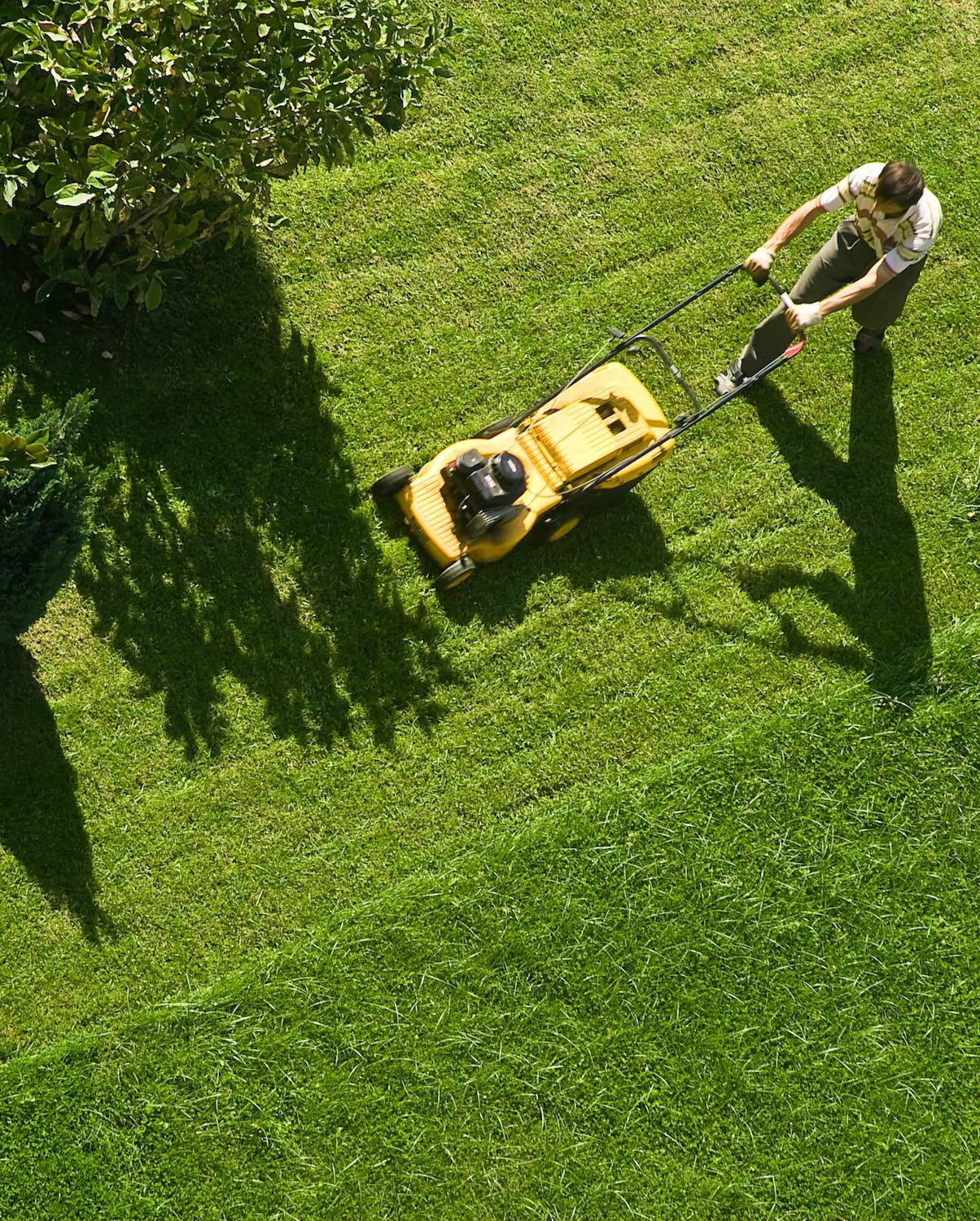
Start by mowing the border of the lawn first. This gives you room to turn without crushing uncut grass later. Then mow in straight lines across the yard. For a large area, overlap each pass by about 1 to 2 inches so you do not leave narrow strips between rows.
Change direction each time you mow. One week go north to south. The next week go east to west. This helps the grass stand up straighter, reduces wheel marks, and keeps the lawn from leaning in one direction over time.

Credit: istockphoto.com
Three simple mowing patterns that work well
- Straight lines for most flat lawns and fast mowing
- Diagonal passes for a cleaner look on medium yards
- Spiral or perimeter-to-center for small yards with obstacles
Do not mow too fast. A quick pass may look efficient, but it often leaves uneven cuts, especially if the grass is thick or damp. A steady walking pace gives the blade time to cut cleanly and keeps the mower from bogging down.
Another useful trick is to keep the discharge chute pointed away from sidewalks, cars, and flower beds. If your mower has side discharge, aim the clippings toward the cut area so they spread more evenly. That lowers cleanup time and avoids clumps on hard surfaces.
Cut only when the lawn is ready
Timing matters as much as technique. Many lawn problems come from mowing at the wrong time, not from the mower itself. The best time is usually when grass is dry enough to stand up, but not so dry that it is brittle.
Wet grass is one of the biggest mowing mistakes. It clumps, sticks to the mower deck, and cuts unevenly. It can also spread disease more easily in some lawns because moisture stays on the blades longer. If grass bends under your shoes or leaves wet marks, wait.
For many homeowners, mowing once a week is common in the growing season. But grass does not follow a calendar. In fast growth periods after rain, you may need to mow every 4 to 5 days. In slow periods, every 10 to 14 days may be enough.
The best signal is the grass itself. If it has grown more than one-third above your target height, it is time to mow. That rule keeps the plant in a healthier range and helps you avoid severe stress after cutting.
Signs you should wait before mowing
- The lawn is wet from rain, dew, or irrigation
- The soil feels soft or muddy underfoot
- The grass is so long that it bends over instead of standing up
- The mower is leaving clumps or struggling to cut evenly
Here is a simple example. If your ideal mowing height is 3 inches, do not let the lawn reach 5 inches and then cut it to 2 inches in one session. That is too much stress at once. A better approach is to cut it to 4 inches first, then come back later to 3 inches.
Use smart mowing habits that keep grass healthier
Healthy mowing is not just about cutting. It is also about what you leave behind and how you handle the lawn after each pass. Small habits can improve the look of the yard without extra work.
Grass clippings can stay on the lawn if they are short and evenly spread. They break down quickly and return nutrients to the soil. This works best when the clippings are not long enough to form clumps. If you have cut too much grass at once, rake or bag the clippings instead.
Sharp blades matter more than many homeowners realize. A blade that is even slightly dull can tear grass instead of slicing it. The result is a pale or brown edge on each blade, which makes the lawn look dry even when it is healthy underneath.
Most homeowners should sharpen the blade at least once a season. If you mow a large yard, hit roots, or mow over hidden debris, you may need to sharpen it more often. A blade that vibrates badly or leaves ragged tips is usually ready for service.
Small habits that make a big difference
- Mow when the grass is dry enough to cut cleanly
- Keep blades sharp
- Switch mowing direction regularly
- Leave light clippings on the lawn when they are evenly spread
- Do not mow the same line over and over
One thing many beginners miss is that mowing too short can make the lawn need more water. Short grass has less leaf area, so it cannot shade its own soil well. The soil warms up faster, dries out faster, and gives weeds more room to grow.
Avoid the most common mowing mistakes
Most lawn damage comes from a few repeated mistakes. The good news is that each one is easy to avoid once you know what to watch for. A better mowing habit usually shows results within a few cuts, especially in spring and early summer.
The biggest mistake is scalping, which means cutting the grass too short. This exposes stems and soil, weakens roots, and can leave the lawn patchy for weeks. Another common problem is mowing the same direction every time. That can create grooves and make the grass lean permanently.
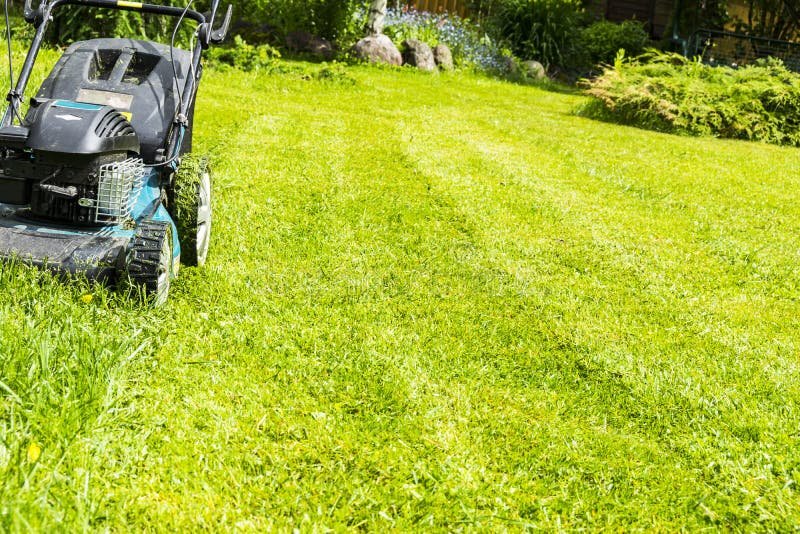
Many homeowners also forget to clean the mower deck. Wet clippings and dirt can build up under the deck and reduce cutting quality. If the underside is packed with debris, the mower has to work harder and the airflow drops, which means clumping gets worse.
Credit: countryliving.com
Common mistakes and what to do instead
| Mistake | Why it hurts the lawn | Better habit |
|---|---|---|
| Cutting more than one-third at once | Stresses the grass and weakens roots | Mow more often or raise the deck first |
| Mowing wet grass | Causes clumps and uneven cuts | Wait until the grass is dry enough |
| Using a dull blade | Tears grass tips and creates brown edges | Sharpen the blade regularly |
| Scalping the lawn | Exposes soil and damages the crown | Set a higher cut height |
If you want one simple rule to remember, make it this: mow often enough that the lawn always looks slightly trimmed, not heavily reduced. That approach is easier on the grass, easier on you, and usually gives a better-looking yard.
For more detailed guidance on home lawn care, your local university extension is often the best source because grass types and climate vary by region. A good example is this university extension lawn care guide, which explains mowing height and mowing frequency in practical terms.
Finish with a clean edge and simple cleanup
The final few minutes after mowing affect the overall look more than many people expect. A freshly cut lawn can still look unfinished if the edges are messy, the clippings are piled up, or the sidewalk has grass on it.
Use a trimmer or edging tool along driveways, walkways, and garden borders if needed. You do not need sharp, perfect lines everywhere. You just want a clear edge so the yard looks intentional. That small detail can make the whole lawn look better.
Then blow or sweep clippings off sidewalks, patios, and the street. This is not just for looks. Wet grass on pavement can become slippery, and clumps left in thick layers can die and turn brown. On the lawn, spread the clippings out if you see buildup.
If you store a gas mower, let the engine cool before putting it away. Keep the mower dry, and never store fuel in a place that is not meant for it. Safe storage makes the next mow easier and reduces fire risk.
Keep the lawn healthy between mowings
Good mowing works best when the rest of the lawn care routine supports it. Watering, feeding, and mowing all affect each other. If one part is off, the lawn may look thin even if you mow it correctly.
Deep, infrequent watering is usually better than light daily watering for most lawns. It encourages deeper roots, which helps grass handle heat and mowing stress. If the lawn is already weak from drought, raise the mowing height a little so the grass has more leaf surface to support recovery.
It also helps to watch for seasonal changes. In spring, grass grows quickly and may need more frequent cuts. In hot summer weather, slower growth may mean fewer mowings and a higher cut. In fall, many lawns recover well and can handle regular trimming again.
This is where how to mow a lawn becomes less of a chore and more of a system. Mow at the right height, at the right time, with a sharp blade, and the lawn usually needs less repair later. That means fewer weeds, fewer brown patches, and less work over the season.
Credit: dreamstime.com
FAQs
How often should I mow my lawn?
Most lawns need mowing once a week during active growth, but that can change with rain, heat, and grass type. The best rule is to mow before the grass grows more than one-third above your target height.
Should I bag grass clippings or leave them on the lawn?
Leave clippings on the lawn if they are short and spread evenly. They return nutrients to the soil and usually do not cause problems. Bag the clippings if the grass is very long, wet, or clumping after the cut.
What is the best time of day to mow?
Late morning or late afternoon is often better than early morning or evening. Early morning grass is usually damp with dew, and evening mowing can leave the lawn wet overnight. Dry grass cuts more cleanly and leaves fewer clumps.
How short should I cut my grass?
Keep most lawns in the middle of the recommended range for your grass type. A simple rule is to remove no more than one-third of the blade at a time. Cutting too short can stress the lawn and invite weeds.
How do I know if my mower blade is dull?
If the lawn looks frayed, torn, or brown at the tips after mowing, the blade may be dull. A dull blade can also leave uneven patches and make the mower work harder. Sharpen or replace the blade if you notice those signs.