
Grass in garden beds is frustrating because it spreads fast and steals water, light, and nutrients from your plants. If you want to know how to kill grass in garden beds, the best methods are the ones that stop regrowth, not just the blades you can see today.
The good news is that you do not need harsh shortcuts. You can remove grass quickly with safe methods like hand digging, smothering, sheet mulching, and careful spot treatment. The right choice depends on how much grass is there, whether your bed already has plants, and how fast you need results.
Below, you will find the safest ways to clear grass from beds, what works best in different situations, and the common mistakes that make grass come back. You will also see which methods are safest around vegetables, flowers, shrubs, and new plantings.
Start with the grass you are dealing with
Before you choose a method, identify what kind of grass is growing in the bed. This matters because some grasses spread by seeds, while others spread by runners or rhizomes underground. Runners are the long stems that creep across soil and root at new points. Rhizomes are thick underground stems that can regrow from tiny pieces left behind.
If you only pull the top growth, the roots may survive and send new shoots in a few days. That is why some beds seem clean for a week and then fill back in. The more spreading the grass is, the more important it becomes to remove roots or block light for long enough to weaken them.
Also check whether the bed already has plants you want to keep. A bare bed gives you more options. A planted bed requires more care, because you need methods that target grass without harming roots nearby. In that case, precision matters more than speed.
What makes grass hard to kill
Grass is tough because it grows from the base, not just the blades. Many types recover after mowing, cutting, or shallow pulling. If the soil is moist, roots slide out more easily. If it is dry and compacted, pieces break off and stay behind, which can make the problem worse.
Another reason grass keeps returning is soil disturbance. Every time you dig deeply and leave soil exposed, hidden seeds can sprout. This is why a “clean” bed can get weedy again after a few sunny days. The fastest fix is not always the best fix if it creates more work later.
The fastest safe ways to remove grass from garden beds
Some methods work in hours. Others take a few weeks, but they are safer for nearby plants and better at preventing regrowth. The right choice depends on whether your bed is empty or planted, and how much time you have before replanting.
| Method | Speed | Best for | Main downside |
|---|---|---|---|
| Hand digging | Fast | Small patches, planted beds | Labor-heavy |
| Smothering with cardboard or mulch | Moderate | Bare beds, future planting areas | Needs time |
| Landscape fabric plus mulch | Moderate | Longer-term suppression | Can trap weeds on top |
| Boiling water | Very fast | Small, isolated grass patches | Can harm nearby plants |
| Targeted herbicide | Fast to moderate | Large infestations in empty beds | Care needed around ornamentals |
1. Dig out the grass by the roots
For small or medium patches, hand digging is the cleanest solution. Water the area first, then slide a hand fork, hori hori knife, or narrow spade under the grass clump. Lift the clump and shake or brush away the soil so you can remove as much root as possible.
This method works best when the soil is slightly damp, not muddy. Damp soil lets roots release more easily, but very wet soil can turn into clumps that are hard to sort through. A small patch can often be removed in 15 to 30 minutes if you stay close to the edge of the bed and follow the runners.
Do not leave root fragments behind. Even a short piece of spreading grass can regrow if it still has energy stored in it. Put the removed grass in a trash bag or let it dry fully on hot pavement before composting, if your compost gets hot enough to kill regrowth.
2. Smother the grass with cardboard and mulch
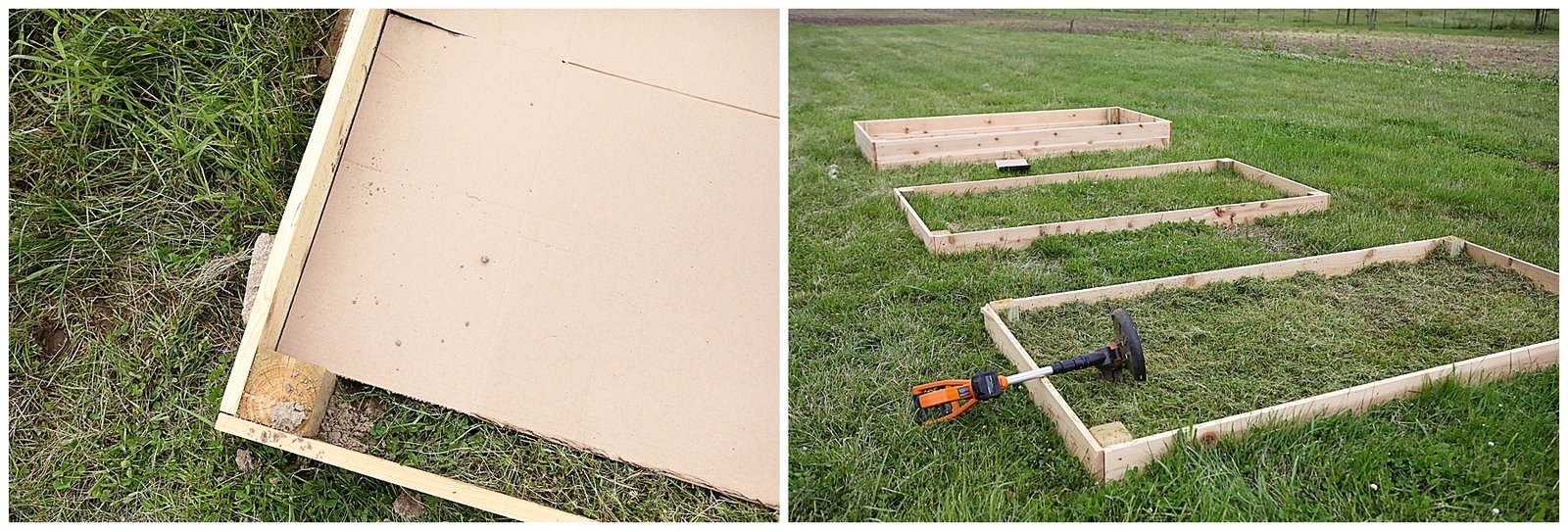
Smothering is one of the safest ways to kill grass in garden beds without heavy digging. Lay overlapping cardboard over the grass, wet it down, and cover it with 3 to 4 inches of mulch. The cardboard blocks light, and the mulch holds it in place while improving the look of the bed.
This method is excellent for beds you are preparing for future planting. It is also useful when the grass is thick and you want to avoid disturbing the soil too much. Most grass weakens within a few weeks, but tough perennial types can take longer. If the grass is especially vigorous, leave the smothering layer in place for 6 to 8 weeks before planting.
One non-obvious advantage: cardboard tends to outperform thin newspaper because it stays intact longer. Newspaper can work, but it often dries out, tears, and lets light through sooner. For best results, overlap every seam by at least 6 inches.
3. Use boiling water for small, isolated spots
Boiling water kills grass quickly by damaging cell tissue. It is best for cracks, edges, and tiny patches where no desirable plants are nearby. Pour slowly and carefully so it soaks the crown and upper roots. One treatment may burn the plant down fast, but stubborn roots can still rebound.
This method is simple, but it is not precise. Hot water can spread farther than expected and damage plant roots a few inches away. It also works only where you can reach safely. Avoid using it near young ornamentals, shallow-rooted flowers, or vegetables.
For small garden bed edges, this is often a good same-day fix. For larger patches, it becomes impractical and risky. If the grass is mixed with mulch, be extra careful, because hot water can splash and move mulch aside.
4. Solarize bare bed areas in hot weather
Solarizing uses clear plastic to trap heat and cook the grass and seeds underneath. It works best in full sun during the hottest part of the year. First water the soil, then lay clear plastic tightly over the area and seal the edges with soil or stones. Heat builds under the plastic and weakens plant tissue over time.
This is a strong option for bare beds when you are not in a rush to plant. In many cases, 4 to 6 weeks of hot weather can do serious damage. The method is slower than digging, but it can reduce both grass and some weed seeds at the same time.
Solarizing only works well in bright sun. In cool or cloudy periods, the heat may not get high enough. It also needs clear plastic, not black plastic. Black plastic blocks light but does not trap heat in the same way.
5. Apply a selective or non-selective herbicide carefully
If the bed is empty and the infestation is large, a herbicide can be the fastest route. A non-selective product kills most green plants it touches, so it should only be used where you do not want any existing plants to survive. Selective products are more limited and may not work well in mixed garden beds.
Always follow the label. The label is the legal and practical guide for safe use. For pesticide safety and disposal rules, the EPA provides useful guidance on proper handling and environmental care through its official pesticide safety guidance.
Use herbicide only when you can protect nearby plants from drift and overspray. Even a light mist can damage leaves. This is one reason many home gardeners prefer digging or smothering first, then use chemicals only as a last option for stubborn patches.
Choose the method based on your bed type
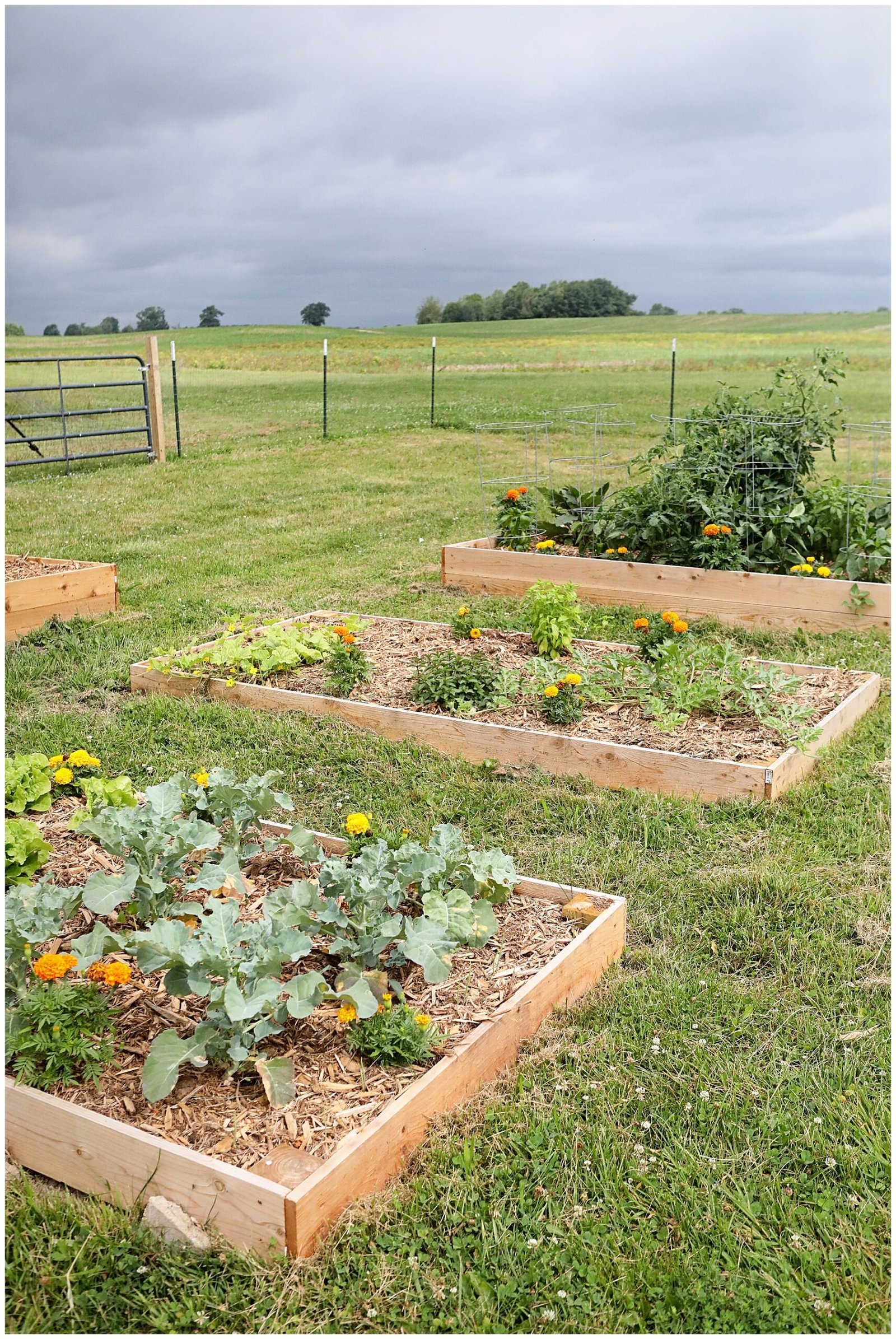
The best method changes depending on whether the bed is empty, already planted, or part of a long-term landscape. A bare bed gives you the most freedom. A planted bed needs more control, because roots and stems you want to keep may be close to the grass.
Credit: sugarmaplefarmhouse.com
Credit: sugarmaplefarmhouse.com
For empty beds
Smothering, solarizing, or careful herbicide use are usually the best options. These methods reduce the chance of missing root fragments in the soil. They also cover larger areas faster than hand digging alone.
If you plan to replant soon, cardboard plus mulch is often the most balanced choice. It is safe, low-effort, and easy to maintain. If you need the bed cleared quickly during hot weather, solarizing can be a strong second choice.
For planted beds
Hand digging is usually the safest method around flowers, shrubs, and perennials. Work slowly around the base of each plant and use a narrow tool to follow grass runners. A sharp edge tool helps you slice cleanly instead of tearing roots.
After removal, add mulch to block new growth. A 2- to 3-inch layer is enough for most beds. Keep mulch a few inches away from stems so you do not trap moisture against the plant.
For vegetable beds
Vegetable beds need extra care because you do not want herbicide residue or heat damage near edible plants. In most cases, hand digging and cardboard smothering between rows are the safest choices. If the bed is empty between seasons, you can clear grass before planting and then mulch heavily after planting.
Mulch also helps vegetables by reducing watering needs and keeping soil cooler. But do not bury the crowns of small plants. That can invite rot and make pest problems worse.
What not to do if you want grass gone for good
Many fast fixes seem helpful at first but cause the grass to return. The most common mistake is pulling only the visible top growth. That gives you a clean surface for a few days, then the same grass grows back from the base.
Another mistake is tilling grass into the soil. Tilling can chop runners into pieces, and each piece may become a new plant. It also brings buried weed seeds to the surface, where they can sprout with more light and air.
Do not rely on thin mulch alone. A layer under 2 inches often lets light through and may not stop tough grass. For stronger suppression, use a barrier like cardboard first, then mulch on top.
Common mistakes that slow you down
- Leaving root fragments in the bed
- Using a weak mulch layer that dries out and shifts
- Spraying on windy days and hitting nearby plants
- Digging too deep and disturbing dormant weed seeds
- Assuming one treatment will solve a spreading grass problem
One useful rule: if the grass has runners, treat the problem as a network, not a single plant. You need to follow the spread and remove more than just the obvious clump. This is the difference between a quick cleanup and a true fix.
How to keep grass from coming back
Once the grass is removed, prevention matters just as much as removal. Bare soil invites new weed seeds, and even one small leftover root can become a new patch. The easiest prevention is a combination of mulch, edging, and regular spot checks.
Keep a 2- to 4-inch mulch layer in place in beds that are not planted densely. Refill it when it thins. Around perennials and shrubs, use mulch as a barrier but leave a small open ring around the stem to prevent rot.
Edge the bed cleanly where grass meets lawn. A sharp edge makes it harder for turfgrass to creep back into the bed. If you spot new shoots, remove them early. A 2-minute pull now is much easier than a 30-minute rescue job later.
When a second treatment is normal
For tough grasses, a second round is often normal. This does not mean the first method failed. It usually means the roots or runners were deeper than expected, or new shoots emerged from missed fragments. Many gardeners need 2 passes for full control, especially with aggressive spreading types.
If you are smothering, check the edges every week. Light leaks through seams first. If you are digging, inspect after watering, because wet soil can reveal missed runners that were hard to see before. Small follow-up work saves a lot of time later.
How to choose the best method for your situation
If you need the fastest result in a tiny area, use boiling water or hand digging. If you need the safest long-term result in a bare bed, use cardboard and mulch. If the bed is planted, dig carefully and mulch afterward. If you are fighting a large, empty area with time pressure, solarizing or a carefully applied herbicide may be the right tool.
The best answer to how to kill grass in garden beds is not one single method. It is matching the method to the bed. That is what saves time and keeps your plants safe.
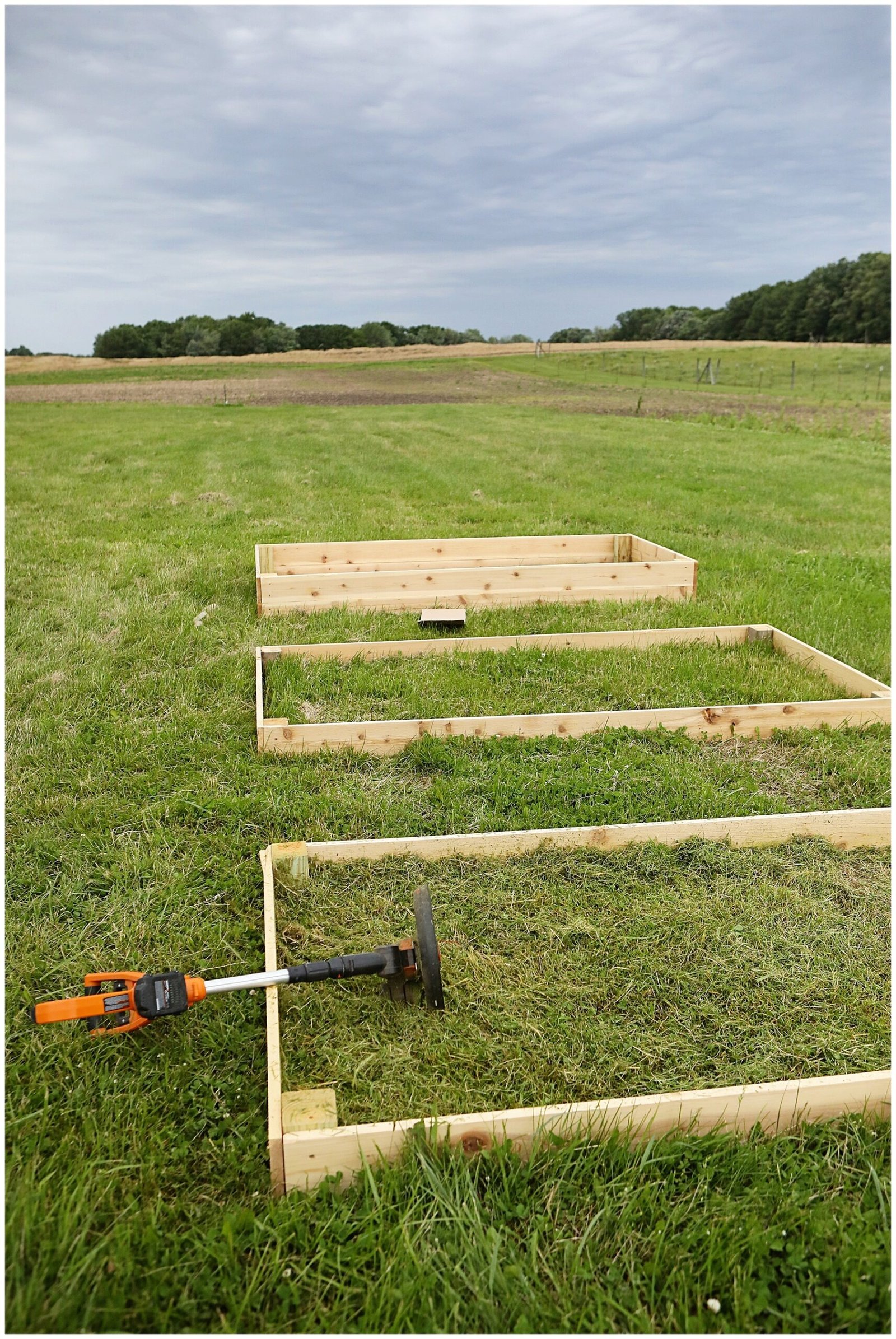
If you want the most reliable low-risk approach, start with removal plus suppression. Dig out what you can, then block light with cardboard and 3 to 4 inches of mulch. That combination handles both the visible grass and the hidden regrowth risk.
Credit: sugarmaplefarmhouse.com
FAQs
How long does it take to kill grass in garden beds?
It depends on the method. Hand digging works the same day, boiling water works almost immediately, and smothering usually takes 2 to 8 weeks. Thick, runner-forming grasses often need a follow-up treatment.
Can I put cardboard over grass before planting?
Yes. Cardboard is one of the safest ways to clear a bed before planting. Wet it, overlap the seams, and cover it with mulch. Leave it in place long enough to weaken the grass before you open planting holes.
Is vinegar a safe way to kill grass in garden beds?
Vinegar can burn leaves, but it often does not kill the roots. That means the grass may come back. It can also damage nearby plants, so it is usually not the best choice for mixed garden beds.
What mulch depth works best after removing grass?
Most beds do well with 3 to 4 inches of mulch after grass removal. Thinner layers let more light through. Keep mulch away from plant stems so moisture does not build up against them.
Should I use herbicide or dig the grass out?
For small beds, digging is usually safer and more precise. For large, empty areas with heavy grass growth, a herbicide may be faster if used carefully. Always protect nearby plants and follow the label directions exactly.