
If you need how to get rid of a lawn mower, the best option depends on whether it still runs, can be repaired, or is only good for parts. A mower that works may be sold or donated. A dead one may need recycling or bulk pickup.
The wrong move is easy to make: leaving it at the curb, dumping oil into the trash, or assuming every scrap yard will take it. Lawn mowers contain metal, plastic, fuel, oil, and sometimes batteries, so disposal rules matter. The good news is that there are several simple ways to clear it out without creating a mess or breaking local rules.
Below are seven practical ways to dispose of, sell, or recycle a mower, plus the key checks that help you choose the right one fast.
Check the mower before you choose a disposal method
Before you decide what to do with an old mower, look at its condition in a very practical way. This one step saves time because a mower that is “dead” to you may still be valuable to someone else.
Start with three questions: does it start, does it cut safely, and is the deck or frame badly rusted or cracked? If the engine runs but the wheels, cable, or blade system need work, the mower may still be worth selling for parts. If the engine is seized, the deck is broken through, or the recoil is damaged beyond repair, recycling or scrap removal usually makes more sense.
Also check the fuel type and power source. Gas mowers need safe fuel handling, and electric or battery models may require different drop-off rules. A 10-minute inspection now can save an hour later.
Remove anything that should not go in regular trash
Most people miss this part. Even when a mower is being thrown away, it should not go out with fuel, oil, or a battery still inside. Drain gasoline into an approved container, remove the battery if there is one, and wipe off excess oil or grass buildup.
If you are unsure how to handle fuel or old oil, follow local disposal guidance. For fuel and oil safety, the EPA guidance on recycling and waste disposal is a reliable place to check basic environmental rules before you move the mower.
Sell it if the mower still starts and cuts well
If the mower still works, selling is usually the easiest way to get rid of it. You clear space and recover some value at the same time. This is especially true for self-propelled models, riding mowers, and well-known brands with parts that are still available.
The best selling candidates are mowers that start on the first few pulls, have a clean deck, and only need minor work. A sharp blade, a fresh air filter, or a new spark plug can make a used mower much easier to sell. Small repairs often return more value than the repair cost itself.
Be honest in the listing. Mention the brand, cutting width, power type, age, and any issues. A buyer who knows the mower needs a tune-up is much more likely to show up prepared.
Where to sell it
- Local marketplace apps: Good for quick pickup and no shipping.
- Neighborhood groups: Useful when the mower is bulky and hard to move far.
- Used equipment dealers: Better for riding mowers or higher-end machines.
Take clear photos from the front, side, blade area, and control panel. Include one photo of it running if possible. That can reduce messages from buyers who are only browsing.
What to include in the listing
- Exact model or brand name
- Engine size or battery voltage
- Cutting width in inches
- Whether it starts, runs, and self-propels
- Any missing parts, leaks, or rust
A mower with a 21-inch deck and a working engine is much easier to move than one with no history at all. Even if the mower is old, concrete details help buyers trust the listing.
Donate it if someone can still use it
Donation works well when the mower is functional but not worth the effort of selling. Many people need a basic push mower for a small yard, rental property, or backup use. That means your old mower may still have real value.
Donate only if the mower starts reliably and is safe to operate. A mower with a loose handle, damaged blade cover, or fuel leak should not be handed to someone else. Safety comes first, especially with gas-powered equipment.
Nonprofits, churches, community groups, and some schools may accept usable mowers. Some repair shops also work with donation programs and can pass the mower along after a basic tune-up.
Why donation is a smart middle option
Donation is often the best choice when the mower is not selling fast but still has life left. It keeps the machine out of the waste stream and helps someone who does not want to buy new equipment. It also avoids the problem of storing a mower “just in case” for another year.
Before donating, clean off grass buildup and empty the fuel tank if required by the receiving group. A clean mower is more likely to be accepted. It also shows respect for the person who gets it next.
Recycle it when the mower is beyond repair
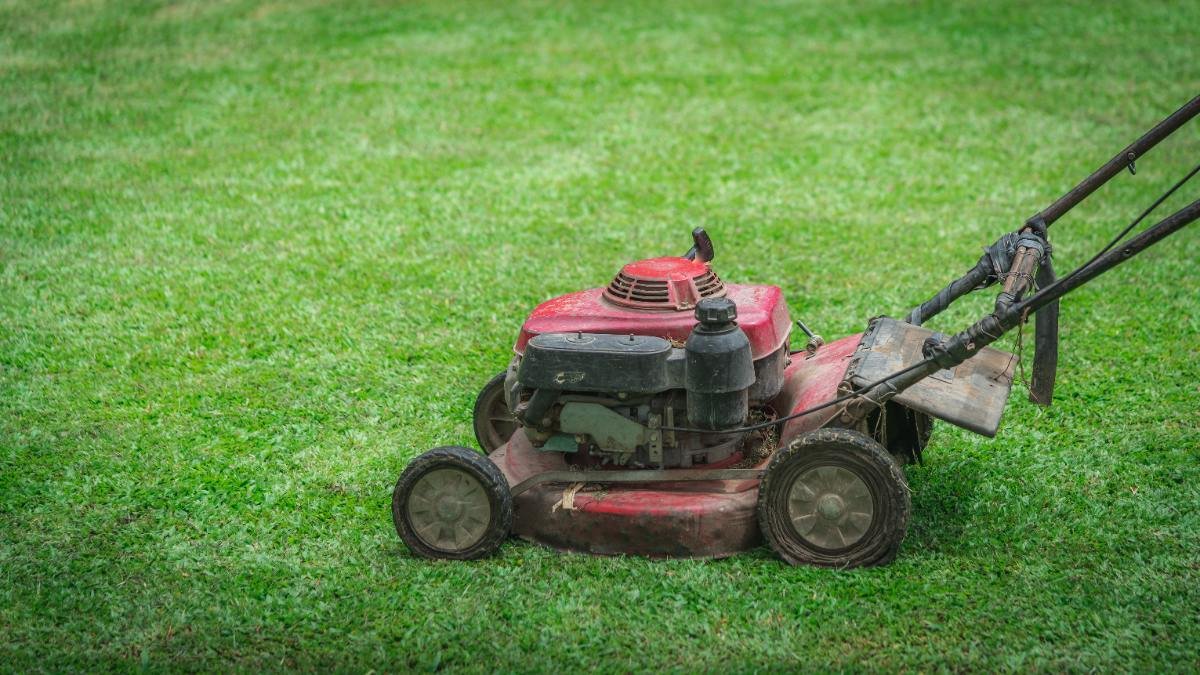
If the mower is broken beyond practical repair, recycling is the responsible way to get rid of it. Lawn mowers contain valuable steel, aluminum, copper wiring, and other recyclable parts. Many recycling centers and scrap yards will take them if the fuel, oil, and battery are removed first.
This option makes the most sense when the deck is rusted through, the engine is seized, or the cost of repair is too high for the mower’s age. A 12-year-old push mower with a damaged engine is usually a recycling case, not a resale case.
Not every recycler accepts the same items, so call ahead. Some facilities want the mower stripped down. Others accept the whole machine but still require a drained fuel system.
Credit: lawnstarter.com
How recycling usually works
- Drain fuel safely into an approved container.
- Remove the battery if the mower has one.
- Check for oil leaks and wipe up residue.
- Load the mower for drop-off or pickup.
- Ask the recycler whether they accept mixed materials.
Some towns offer metal recycling days or small-engine drop-off events. Those can be better than leaving the mower in a landfill. They also reduce the chance of battery or fuel contamination.
Common recycling mistake
One mistake people make is assuming “scrap metal” means “anything metal can go.” A lawn mower is not just a chunk of steel. It often has rubber, plastic, oil, wiring, and sometimes lithium-ion batteries. Those parts may need to be separated first.
If your mower has a battery, do not throw it in regular trash. Battery drop-off rules are stricter because damaged batteries can catch fire or leak chemicals.
Use curbside pickup only if your city allows it
Some cities offer bulk waste pickup or scheduled appliance collection, and a mower may qualify under those programs. This can be one of the simplest options if you do not want to transport the machine yourself. But it only works if your local rules allow it.
Many areas require the mower to be drained of fuel and oil before pickup. Some also ask that the battery be removed. If you ignore those rules, the collection crew may refuse the item or leave a notice instead of taking it.
Check your city’s bulk pickup page or sanitation department rules first. If the mower is a ride-on model, there may be different handling steps because of the size and weight.
Before you set it out
- Confirm the pickup date and accepted item list.
- Drain fuel and remove the battery if needed.
- Keep the mower visible and accessible at the curb.
- Do not block sidewalks, driveways, or fire lanes.
Some local programs accept a mower only if it is prepared in a specific way. A 15-minute check with the city can prevent a failed pickup.
Trade it in when buying a replacement
If you are already replacing the mower, trade-in can be a simple way to dispose of the old one. Retailers and lawn equipment dealers sometimes accept used mowers when you buy a new one from them. This is more common with riding mowers and higher-value machines, but some stores also take push mowers.
The advantage is convenience. You do not have to find a buyer, transport the mower twice, or arrange a separate disposal trip. The downside is that trade-in acceptance can be limited, and the mower usually needs to be presentable and complete.
Trade-in works best when the mower still runs or at least looks repairable. If the deck is badly damaged or the engine is missing parts, a dealer may reject it and ask you to recycle it instead.
How to prepare for a trade-in
Bring the model number, proof of ownership if you have it, and any service records. Even basic records help. A mower with a documented oil change or blade replacement looks better than one with no history.
If the machine is a riding mower, note the tire condition, battery age, and whether the transmission works. Those details affect what a dealer is willing to accept.
Take it to a scrap yard if you want the metal recycled fast
Scrap yards are often a fast answer for worn-out mowers. They focus on the metal value, not the machine’s working condition. That makes this route useful when a mower is too far gone to sell, donate, or repair.
The mower usually needs to be free of fuel and oil before drop-off. Some yards also want the battery removed. If the yard pays by weight, a riding mower will usually be accepted more easily than a lightweight push mower because it contains more metal.
Scrap yards vary a lot. One may take the mower whole. Another may want the engine separated from the deck. Call first and ask what they require so you do not waste a trip.
:strip_icc()/red-lawn-mower-cad0d91c-4aee047462b54fc5a104fa2716476227.jpg)
Credit: bhg.com
Good when the mower has little life left
This option works well for rusted decks, broken handles, seized engines, and bent frames. If the mower would cost more to repair than to replace, scrap removal is a practical finish. It clears space quickly and keeps material in circulation.
If you are unsure whether scrap or recycling is better, ask the yard directly. Many places do both, but with different rules for fuel, batteries, and non-metal parts.
Break it down for parts only if you know what you are doing
Parting out a lawn mower can make sense when certain pieces are still useful, such as the engine, wheels, starter, blade adapter, or control cables. This is usually a better choice for people who repair equipment or know which parts sell locally.
The hidden value is often in the smaller components. A working recoil starter, a clean carburetor, or a usable wheel assembly may be worth more separately than the mower as a whole. That said, this method takes time and some mechanical skill.
Do not break down a mower just because it feels like the “best” option. If you have never worked on small engines, selling or recycling the mower whole is usually easier and safer.
Parts that often matter most
- Engine assembly
- Carburetor
- Blade and blade adapter
- Wheels and height adjusters
- Handle switches, cables, and belts
One non-obvious point: a mower with a dead engine may still have a valuable deck, especially if the deck is aluminum or in good shape. Another is that self-propelled drive parts often sell better than expected because they fail more often than the frame does.
Choose the right option based on condition, effort, and local rules
The easiest way to decide how to get rid of a lawn mower is to match the mower’s condition to the least complicated safe option. Working mower? Sell or donate it. Broken but complete? Recycle or scrap it. Already buying a replacement? Ask about trade-in.
Here is a simple way to think about it:
| Mower condition | Best option | Why it fits |
|---|---|---|
| Starts and cuts well | Sell | Highest chance of reuse and fastest value recovery |
| Works but is older or basic | Donate | Good for someone who needs a simple mower |
| Broken beyond repair | Recycle or scrap | Keeps metal out of landfill and removes waste safely |
| Being replaced now | Trade-in | Convenient if the dealer accepts used equipment |
| Parts still useful | Part out | Can recover value from working components |
Two mistakes come up again and again. First, people keep a dead mower in the garage for years because they are “not ready” to deal with it. Second, they skip fuel removal and then get stuck at pickup. The fastest path is usually the one that matches the mower’s real condition, not the one that sounds best on paper.
For basic mower safety before transport or disposal, it also helps to review the manufacturer’s guidance for your exact model. If you still have the manual, follow it before draining fuel or removing a battery. If you do not, check the official support page from the brand.
Handle fuel, oil, and batteries the safe way
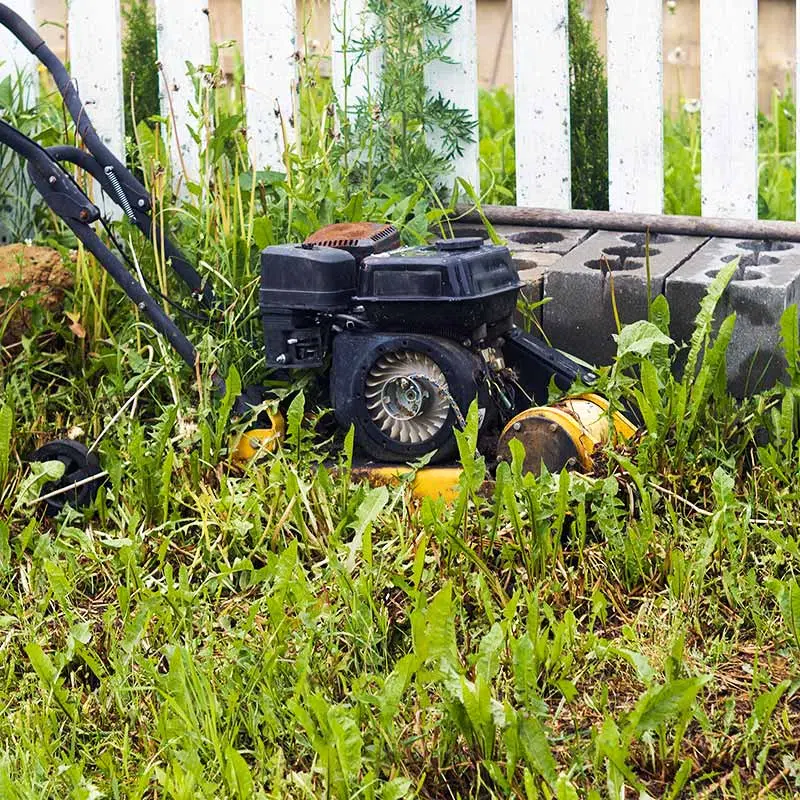
This step matters more than people think. A mower with leftover fuel or a damaged battery can leak, smell, or even become a fire risk during transport. That is why disposal is not just about lifting the machine out of your way.
Work in a ventilated area. Use the correct fuel container. Keep sparks, flames, and hot surfaces away. If the mower has a lithium-ion battery, do not crush or puncture it. If it has a lead-acid battery, keep it upright and store it carefully until drop-off.
These details sound small, but they prevent the most common problems. A mower that leaks gas into a car trunk can turn a quick errand into a dangerous cleanup job.
Credit: junkrelief.com
When to stop and call a professional
If the mower has a strong fuel smell, visible leak, or damaged battery, do not keep testing it casually. A repair shop, recycling center, or local hazardous waste program can tell you the safest next step. If you are unsure, get help before moving it long distance.
That is especially true for riding mowers, which are heavier and often have more complex fuel and electrical systems.
FAQs
Can I put an old lawn mower in the trash?
Usually no. Most municipalities do not want fuel-filled equipment in regular trash. Drain the fuel, remove the battery if there is one, and check your local bulk pickup or recycling rules first.
Do scrap yards take lawn mowers?
Many do, especially if the mower is mostly metal and has no fuel or battery inside. Call ahead, because some yards want the mower drained and others have different rules for batteries and non-metal parts.
Is it better to sell or recycle a broken mower?
Sell it only if it still starts or has useful parts. If the engine is seized, the frame is cracked, or repair costs are too high, recycling or scrap drop-off is usually the better choice.
What should I remove before disposing of a mower?
Remove fuel, oil if required by the destination, and any battery. Also clean off excess grass and dirt so the mower is safer to move and easier for the receiving facility to handle.
Can I donate a mower that does not run?
Usually not. Most donation groups want a mower that works or can be used right away. If it does not run, recycling or scrap removal is a better fit.