
A dirty mower filter can choke airflow, waste fuel, and make the engine run rough. If you want better starting and steadier power, learning how to clean lawn mower air filter is one of the fastest fixes you can do at home.
The good news is that most air filters are easy to service with basic tools. In many cases, you can clean the filter in 10 to 20 minutes, then get back to mowing with noticeably better performance.
The key is doing it the right way. Some filters can be cleaned and reused, while others should be replaced, and using the wrong method can damage the engine instead of helping it.
Find out what type of air filter your mower has
Before you clean anything, check the filter type. This step matters because not every lawn mower air filter is cleaned the same way. A foam filter, a paper filter, and a dual-element filter each need different care.
Most walk-behind mowers use one of three common designs. Foam filters are soft and washable. Paper filters look pleated and are usually tapped clean or replaced. Dual-element filters combine foam and paper, so each layer must be handled separately.
If you clean the wrong type with water or compressed air, you can ruin it. That often leads to poor filtration, and tiny dust particles can move into the engine. Over time, that can shorten engine life and increase wear.
| Filter type | What it looks like | How to clean it | Can it be reused? |
|---|---|---|---|
| Foam | Soft, spongy, flexible | Wash, dry, and lightly oil if needed | Usually yes |
| Paper | Pleated cardboard-style element | Tap gently or use low-pressure air from the clean side | Sometimes, if not damaged |
| Dual-element | Foam plus paper layers | Clean each layer by its proper method | Often yes for the foam; paper may need replacement |
Look at the mower manual or the label near the air box if you are unsure. On many engines, the filter housing is held by one or two screws or clips, so inspection is simple. For official safety and maintenance guidance, the CPSC lawn mower safety guidance is a good reference for safe handling around mower maintenance.
Gather the tools and prepare the mower safely
You do not need a full repair kit for this job. In most cases, a screwdriver, a clean rag, mild soap, water, engine oil for foam filters, and a soft brush are enough. If you have a paper filter, keep a trash bag nearby in case it needs replacement.
Before you start, turn the mower off and remove the spark plug wire. This prevents accidental starting, which is a real risk when you work near the blade or recoil starter. Let the engine cool for at least 15 minutes if the mower was recently used.
Place the mower on a flat surface. If you need to tilt it, check the manual first so oil does not flow into the air cleaner or carburetor. That mistake can create hard starting later and may make the filter look dirty again right away.
What you may need
- Screwdriver or nut driver
- Clean shop towel or microfiber cloth
- Bucket of warm water
- Mild dish soap
- Light engine oil for foam filters
- Soft brush or old toothbrush
- Replacement filter, if needed
Keep the work area clean. Dust, grass clippings, and sand can fall into the air box when the cover is open. Even a small amount of debris can enter the engine if you are careless during this step.
How to clean lawn mower air filter the right way
Here is the simple process most homeowners can follow safely. The exact steps depend on filter type, but the overall idea is the same: remove the filter, clean it gently, dry it fully, and reinstall it correctly.

Credit: bestlawnmowerforhills.com
1. Remove the air filter cover
Open the air filter housing carefully. Most covers are held by a screw, a clip, or a small knob. Set the hardware aside where it will not roll away.
Before removing the filter, wipe the outside of the housing with a dry rag. This prevents loose dirt from dropping into the intake area. Do not blast the area with high-pressure air, because that can push debris into the carburetor.
2. Inspect the filter before cleaning
Hold the filter up to the light. If a paper filter is torn, heavily stained with oil, or packed with dirt that will not loosen, replace it instead of trying to rescue it. If a foam filter is cracked, brittle, or falling apart, replace that too.
This is one of the most overlooked parts of maintenance. A filter that looks “clean enough” may still be damaged. If the seal is bad, unfiltered air can bypass the filter and go straight into the engine.
3. Clean a foam air filter
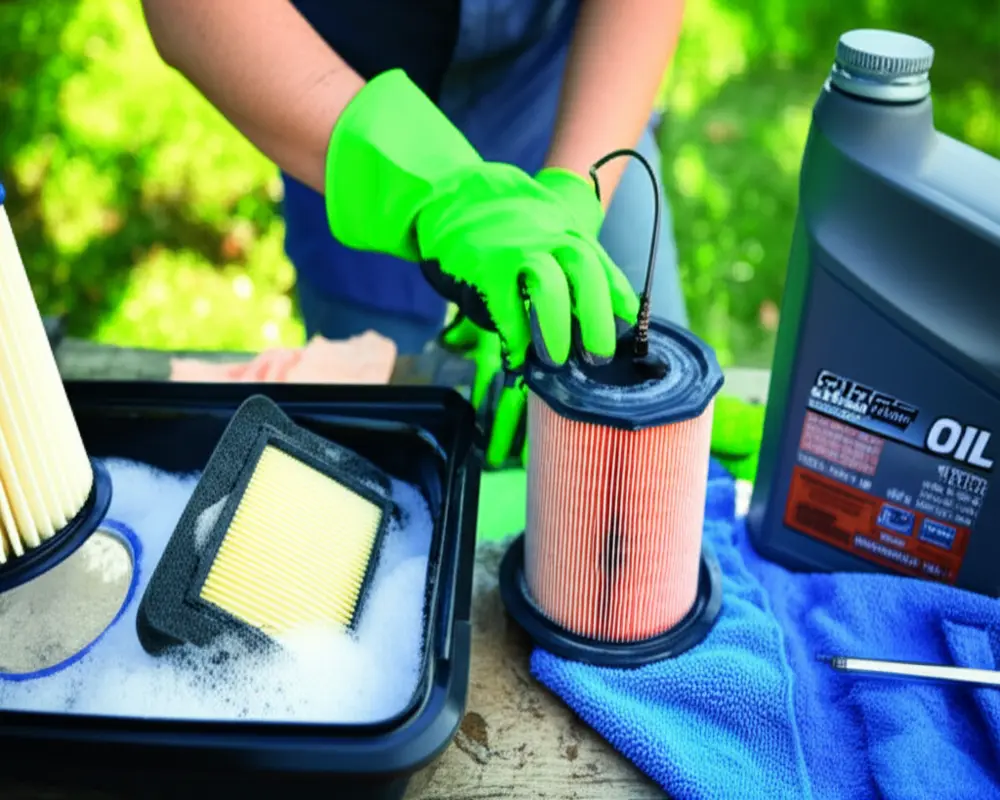
Foam filters are the easiest to service. Wash the filter in warm water with a few drops of mild dish soap. Work the soap through the foam with your fingers, then rinse until the water runs clear.
After rinsing, squeeze the filter gently. Do not twist it hard, because that can tear the material. Let it dry fully, which usually takes 30 to 60 minutes, depending on thickness and room temperature.
If your mower manual calls for oiling the foam filter, add only a light coat of clean engine oil after it dries. The filter should feel lightly tacky, not dripping. Too much oil can restrict airflow and sometimes let dirt cling in a thick layer.
4. Clean a paper air filter
Paper filters need a gentler touch. Tap the filter lightly against your hand or a clean surface to knock out loose dust. You can also use low-pressure compressed air from the clean side outward, but keep the pressure low and the nozzle at a safe distance.
Never wash a paper filter with water. Water can weaken the fibers and collapse the pleats. If the filter is dark, bent, or clogged deep in the pleats, replacing it is usually the better choice.
One non-obvious point: a paper filter may look dirty on the outside but still work fine if the pleats are intact. What matters more is whether airflow is still strong. If the engine starts surging or losing power after cleaning, the filter may have been too clogged to save.
5. Clean a dual-element filter
Dual-element filters usually have a foam outer layer and a paper inner layer. Clean the foam part as described above. Then inspect the paper part carefully and tap it clean only if it is still in good shape.
If the paper layer is damaged, do not reuse it just because the foam layer looks fine. The paper element does most of the fine filtration. Running without it can let in dust that wears the cylinder, piston rings, and carburetor components.
6. Clean the filter housing
Use a clean rag or soft brush to remove dust from inside the air box. Check the gasket or sealing surface, too. If the seal is dirty, the filter may not fit tightly, and dirty air can sneak around the edges.
This step often gets skipped, but it matters. A perfectly clean filter will not help much if the housing is full of debris. The engine still inhales that dust once the mower is running.
7. Reinstall the filter correctly
Put the filter back in the same direction it came out. Make sure it sits flat and seals all the way around. Replace the cover and tighten it just enough to hold securely.
Do a quick visual check before starting the mower. If the cover is crooked or the filter is pinched, the engine may run poorly or suck in dirt. A good seal is just as important as a clean filter.
Common mistakes that reduce mower performance
Many mower problems after filter cleaning come from small mistakes, not from the filter itself. The most common one is cleaning too aggressively. Strong scrubbing can damage foam, and high air pressure can tear paper pleats.
Another mistake is putting the filter back before it is fully dry. A damp foam filter can restrict airflow, and moisture can attract dirt fast. On paper filters, moisture can lead to swelling and poor filtration.
People also forget to check the air box. If clippings and dust stay inside the housing, they move right back into the filter area. That makes the filter clog faster and can cause the mower to run rich, which means too much fuel and not enough air.
One more issue is using too much oil on foam filters. A heavy oil coat can work against you by blocking airflow. The filter should be lightly coated, never saturated.
Credit: gardenitemreviews.com
Signs your filter still has a problem
- The engine starts but stalls at idle
- The mower lacks power in thick grass
- You see black smoke or smell extra fuel
- The engine surges up and down
- Starting takes more pulls than usual
If these signs continue after cleaning, the filter may be the wrong diagnosis. Fuel issues, stale gas, dirty spark plugs, or carburetor problems can create similar symptoms. A clean filter is a good first step, but it is not the only possible cause.
How often should you clean or replace the filter?
The right schedule depends on how and where you mow. If you mow dry, dusty yards, the filter may need attention every 25 hours of use or even sooner. In cleaner conditions, checking it every month during the mowing season is often enough.
Foam filters can often be cleaned several times before replacement. Paper filters usually have a shorter life, especially if the mower operates in dusty grass or sandy soil. If the pleats are flattened or the element stays dark after gentle cleaning, replace it.
A smart habit is to inspect the filter every time you change oil or sharpen the blade. That gives you a simple maintenance rhythm without guessing. It also helps catch air leaks, loose covers, and housing cracks before they become bigger issues.
Why clean air matters more than many people think
Airflow affects combustion. When the engine gets enough clean air, fuel burns more efficiently and the mower responds better under load. That usually means easier starting, steadier idle, and less power loss in tall grass.
There is also a wear issue. A clogged or leaking filter can let dirt into the engine, and dirt acts like sandpaper inside moving parts. That problem builds slowly, so many owners do not notice it until performance drops a lot.
When cleaning is not enough
Sometimes a dirty filter is only part of the problem. If the mower still runs badly after cleaning, check the spark plug, fuel quality, and carburetor area. Stale fuel can cause hard starting, while a fouled plug can create weak ignition even with perfect airflow.
Also inspect the intake and cover for cracks. A broken housing can pull in unfiltered air even when the filter looks fine. That kind of leak is easy to miss because the mower may still start and run, just not as well as it should.
If the mower repeatedly clogs its air filter very fast, the engine may be running in a dusty environment, or the crankcase breather may be pushing oil mist into the intake. That is a clue worth checking, especially if the filter looks oily instead of dry and dusty.
For additional official maintenance detail, your mower or engine brand’s owner guide is the best source. Use the manual for filter type, oiling instructions, and replacement intervals, since those can vary by engine model.
Simple maintenance habits that keep the mower running better
Clean air filters work best as part of regular care. Before each mowing season, inspect the filter, check the blade, and confirm the fuel is fresh. This prevents a lot of small problems from stacking up.
Keep the underside of the deck clean, too. Grass buildup makes the engine work harder, which can make airflow and cooling issues worse. A mower that runs hot is more sensitive to dirty intake parts.
Another good habit is storing the mower in a dry place. Moisture can damage foam, rust hardware, and weaken paper filter material over time. Good storage reduces maintenance surprises later.

Credit: bestlawnmowerforhills.com
Quick checklist before you mow again
- Filter is clean, dry, and properly installed
- Cover closes fully and seals well
- Spark plug wire is reattached
- No leftover tools or rags near the mower
- Engine starts and idles normally
If you follow these basics, you will notice the difference. A mower with clean airflow usually starts easier, sounds smoother, and handles thicker grass with less strain. That is exactly why how to clean lawn mower air filter is one of the most useful maintenance skills for any homeowner.
FAQs
Can I clean a lawn mower air filter with water?
You can clean foam filters with water and mild soap, but you should not wash paper filters. Paper filters can break down when wet, and that can reduce filtration or ruin the element.
How do I know if my air filter needs replacement instead of cleaning?
Replace it if the filter is torn, cracked, warped, oily beyond recovery, or still clogged after gentle cleaning. A paper filter with damaged pleats usually should not be reused.
Will a dirty air filter make my mower hard to start?
Yes. A clogged filter can restrict airflow and make the engine run too rich, which often causes hard starting, rough idle, or loss of power under load.
Should I oil a foam air filter after cleaning?
Only if your mower manual says to do so. Many foam filters need a light coat of oil, but too much oil can block airflow and collect dirt too fast.
How often should I check the air filter during mowing season?
Check it every 25 hours of use or at least once a month if you mow regularly. If your yard is dusty or sandy, inspect it more often because it will clog faster.