
If you are asking how early can I mow my lawn, the safest answer is usually: not as early as the noise allows. Morning mowing can damage grass, bother neighbors, and create weak cuts if the lawn is still wet from dew.
The best time to start mowing is usually after the grass has dried, but before the day gets very hot. That sweet spot protects your lawn, gives a cleaner cut, and makes the job easier on your mower too.
There are some simple rules that make the decision much easier. Local noise rules, grass type, dew, summer heat, and even the height of your grass all matter. The right timing is not just about courtesy. It also affects lawn health, cut quality, and how often you need to mow.
What the best morning mowing window usually looks like
For most homes, the best morning mowing window starts around 8:00 to 10:00 a.m. That is late enough for the dew to dry in many yards, but early enough to avoid the strongest sun and heat. In cooler or shaded lawns, you may need to wait a bit longer.
If you mow too early, the grass blades can clump, bend instead of cut, and leave a messy finish. Wet grass also sticks under the deck of the mower, which reduces airflow and makes the motor work harder. That is why early morning is not always the best morning.
A simple way to judge readiness is to touch the grass. If it feels damp, leaves moisture on your hand, or bends flat instead of standing up, wait longer. A dry top layer does not always mean the soil is dry, so check both the blades and the ground.
What happens if you mow before dew dries
Mowing wet grass can leave tire tracks, uneven cuts, and shredded leaf tips. Those torn edges often look pale for a few days and can make the lawn look dull or stressed. In thicker grass, wet clippings can form piles that smother the turf below.
There is another issue many people miss: wet grass can reduce traction. If your yard has slopes, that can make mowing less safe. Push mowers can slip, and riding mowers can lose grip sooner than expected, especially on slick morning turf.
Why mid-morning often works best
Mid-morning gives the lawn time to dry while the temperature is still mild. It also helps the mower create a more even cut because the blades stand up better. This is especially useful for thicker grasses like St. Augustine or tall fescue.
By late morning, the sun usually helps the grass dry without overheating the person doing the work. That small timing shift can make mowing faster, cleaner, and less tiring. It can also reduce the chance of clogging if the grass is a little dense.
How early can I mow my lawn without causing problems?
The answer depends on three things: noise, moisture, and grass condition. If your lawn is dry and your neighborhood allows it, some people can mow as early as 7:00 a.m. on weekends. But in many residential areas, that is still too early because of noise and dew.
From a lawn-care point of view, the grass itself is usually ready later than the person is. Dew often lingers into the early morning, especially in shaded yards, near fences, or in low spots. Those areas may stay wet an hour or two longer than open, sunny parts of the yard.
For the most balanced result, many homeowners do best waiting until at least 8:00 a.m., and often closer to 9:00 a.m. if the grass is still damp. If you live in a dense neighborhood, this timing is also more respectful of sleep schedules.
According to the CDC noise guidance, repeated loud noise can affect hearing and well-being, which is one reason early-morning mower noise is worth taking seriously. That does not mean mowing is unsafe at any early hour, but it does show why sound matters beyond simple courtesy.
Local rules can matter more than personal preference
Some cities and towns have quiet hours that limit lawn equipment use early in the morning. These rules vary a lot, so the best time in one neighborhood may not be allowed in another. A 7:00 a.m. start may be normal in one area and a violation in another.
If you have close neighbors, apartment-style lots, or shared property lines, it is smart to check local noise rules or HOA guidelines. One common mistake is assuming weekends are automatically okay. In many places, the rules are actually stricter on weekends, not looser.
The real lawn damage risk is not just the clock
Many people think the main issue with early mowing is the time of day. In reality, the bigger issue is grass moisture. A lawn can be fine at 7:30 a.m. in a dry climate and still be too wet at 10:00 a.m. in a humid one.
That is why the safest answer to how early can I mow my lawn is not a fixed number alone. You need to look at the lawn, the weather, and the sound level. Early is fine only when the grass is dry, the mower is ready, and the neighborhood is not being disturbed.
Morning conditions that change the right mowing time
Not every lawn follows the same schedule. Shade, humidity, recent rain, and grass type all change how soon you can start. A sunny Bermuda lawn may dry quickly, while a thick, shaded bluegrass yard may hold moisture until late morning.
Weather is the biggest factor. After foggy nights or humid mornings, dew can be heavy enough to coat the blades until 9:00 or 10:00 a.m. After a windy, dry night, the lawn may be ready much earlier. That is why checking conditions matters more than following a fixed clock.
| Morning condition | Best mowing choice | Why it matters |
|---|---|---|
| Heavy dew or recent rain | Wait until dry | Wet blades clump and cut poorly |
| Cool, dry morning | Good for earlier mowing | Cleaner cut and less heat stress |
| Shady yard | Wait longer | Moisture stays on grass longer |
| Hot forecast by noon | Mow earlier, but only when dry | Protects both grass and mower operator |
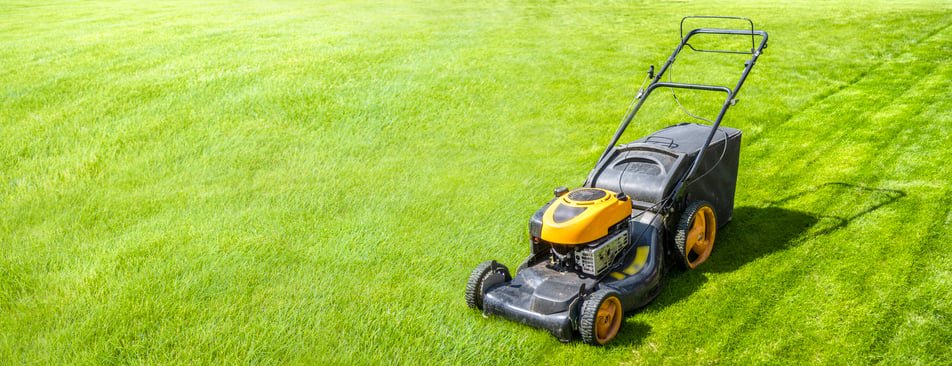
Credit: blog.lushlawn.com
Grass type changes the ideal timing
Warm-season grasses like Bermuda and zoysia often handle morning mowing well once dry. Cool-season grasses like Kentucky bluegrass and fescue can be slower to dry in cool, shaded yards. Thicker turf also holds moisture between blades longer than thin turf.
Some grasses also show stress more clearly after an early cut. If your lawn has fine blades, tearing is easier to spot. If it has broad blades, wet clumps can stand out more. Both problems get worse when you mow too soon.
Season matters more than many homeowners think
In spring, dew can be heavy and the lawn grows fast, so the best mowing time often shifts later in the morning. In summer, early mowing may be smarter because midday heat can stress both the grass and the mower. In fall, the window can be more flexible, but wet leaves can add the same clogging problem as wet grass.
One non-obvious point: the same yard may need different timing on different sides of the house. South-facing areas dry first. North-facing and shaded strips often stay wet much longer. If you mow the dry side first, the damp side may be ready by the time you finish.
Signs your lawn is ready to mow
You do not need special tools to judge mowing time. A few simple checks tell you a lot. If the lawn passes these checks, you can usually mow with fewer problems and a cleaner result.
- Touch the grass blades. If your hand comes away dry, the surface is likely ready.
- Look for shine. Wet grass often reflects light more than dry grass.
- Walk across the lawn. If your shoes pick up moisture or leave dark tracks, wait longer.
- Check the cut from last time. If clippings were still clumping in the deck, your last mowing may have been too early or too wet.
- Test a small patch. Mow a short strip and inspect the cut quality before doing the full yard.
These checks are more useful than guessing by the clock alone. A lawn that looks dry from the porch can still have damp blades under the canopy. That hidden moisture is often what causes the poor cut, not the visible top layer.
Another useful sign is the way grass stands up. Dry blades usually lift and separate. Wet blades tend to mat down. If the grass stays flat after you brush your hand across it, it is usually better to wait.
How to tell if you should wait another hour
If the mower leaves long strips, sticky clumps, or uneven patches, the grass probably needed more drying time. Another clue is a humming or bogging sound from the mower. That often means the deck is working too hard because damp grass is clogging the airflow.
Waiting one extra hour can make a big difference. In many yards, the difference between 8:00 a.m. and 9:00 a.m. is enough to change the whole mowing result. That small delay often saves time later because you will not need to go back and clean up missed spots.
Why mowing too early can hurt the lawn and the mower
When grass is wet, the blades do not cut cleanly. They bend under the blade, then snap or tear. That creates a rough edge, and rough edges lose moisture faster. Over time, repeated tearing can leave the lawn looking brown at the tips.
Wet grass also builds up under the deck. That buildup reduces cutting efficiency and can force you to stop and scrape the mower more often. It is not just annoying. It also makes the machine work harder, which can shorten blade life and reduce performance.
There is a hidden cost many people miss: early mowing can spread disease more easily in some lawns. Fungal problems like dollar spot and other moisture-related issues are more likely when the grass stays wet and is repeatedly stressed. Good timing helps lower that risk.
For most homeowners, the smartest goal is not the earliest possible start. It is the best balance of dryness, comfort, and cut quality. That is why a slightly later morning mow often produces better results than rushing out at sunrise.

Credit: chorbie.com
Common mistakes people make in the morning
- Mowing by the clock instead of checking moisture
- Starting too early because the top looks dry
- Ignoring shaded areas that stay wet longer
- Using a dull blade on damp grass
- Cutting too much at once after waiting several days
That last mistake matters a lot. If the grass grew long while you waited for dry weather, do not remove too much in one pass. Cutting more than one-third of the blade at a time can stress the lawn, even when the timing is otherwise perfect.
How to choose the right mowing time for your yard
The best schedule depends on your lawn, your climate, and your neighbors. If you live in a hot area, early morning may be your best window as long as the grass is dry. If your yard stays damp longer, late morning may be safer and produce a better finish.
A simple rule works well for most homes: mow when the grass is dry, the sun is not too strong, and the neighborhood is awake enough for the noise. That usually means 8:00 a.m. to 10:00 a.m., but your yard may shift that window by an hour or two.
For a very shaded lawn, do not be surprised if 9:30 or even 10:00 a.m. is better. For a dry, open yard in a warm climate, 7:30 or 8:00 a.m. may be fine. The point is to match the schedule to the lawn, not to force the lawn into your schedule.
A simple decision guide
If you want a quick answer, use this order:
- Check for wet blades.
- Check local noise rules.
- Look at shade and humidity.
- Choose the earliest time when the lawn is dry.
- If the mower clogs, wait longer next time.
This approach works better than waking up and guessing. After a few weeks, you will see a pattern in your own yard. Most lawns become very predictable once you notice how long they take to dry after dew or rain.
The best morning mowing habit is consistency, not speed
If you are still asking how early can I mow my lawn, the practical answer is this: early is okay only when the grass is dry enough and the noise level is reasonable. For many homes, that means starting around 8:00 to 10:00 a.m., not at sunrise.
That timing gives you cleaner cuts, less mower clogging, and fewer complaints from neighbors. It also helps the lawn recover faster because you are not tearing wet blades or cutting under poor conditions. A good mowing schedule is small, but it has a big effect on how healthy the yard looks.
The best rule is simple. Let the lawn tell you when it is ready. The clock helps, but the grass decides.
Credit: i95rock.com
FAQs
How early can I mow my lawn on weekends?
Weekend mowing is usually best after 8:00 a.m., and often later if the grass is still wet. The exact time depends on local noise rules, dew, and how close your neighbors are. A quiet neighborhood may still dislike a 7:00 a.m. mower, even if it is legal.
Is it bad to mow grass with dew on it?
Yes, in most cases it is better to wait. Dew makes the blades bend, which leads to a rougher cut and more clumping. Wet grass can also make the mower less stable and harder to control on slopes.
What is the best time of day to mow in summer?
Early to mid-morning is usually best, once the grass has dried. Summer heat can stress both the lawn and the person mowing, so waiting too long is not ideal. Try to finish before the strongest midday sun.
Can I mow at 7 a.m. if my lawn is dry?
Sometimes, but only if local noise rules allow it and neighbors will not be disturbed. Even when the lawn is dry, the noise from a mower can be a problem in residential areas. If you are unsure, starting later is the safer choice.
How can I tell if my grass is dry enough to mow?
Touch the blades, look for shine, and walk across the yard. If your shoes stay dry and the grass stands up instead of matting down, it is usually ready. A quick test strip with the mower can also show whether the cut will be clean.