
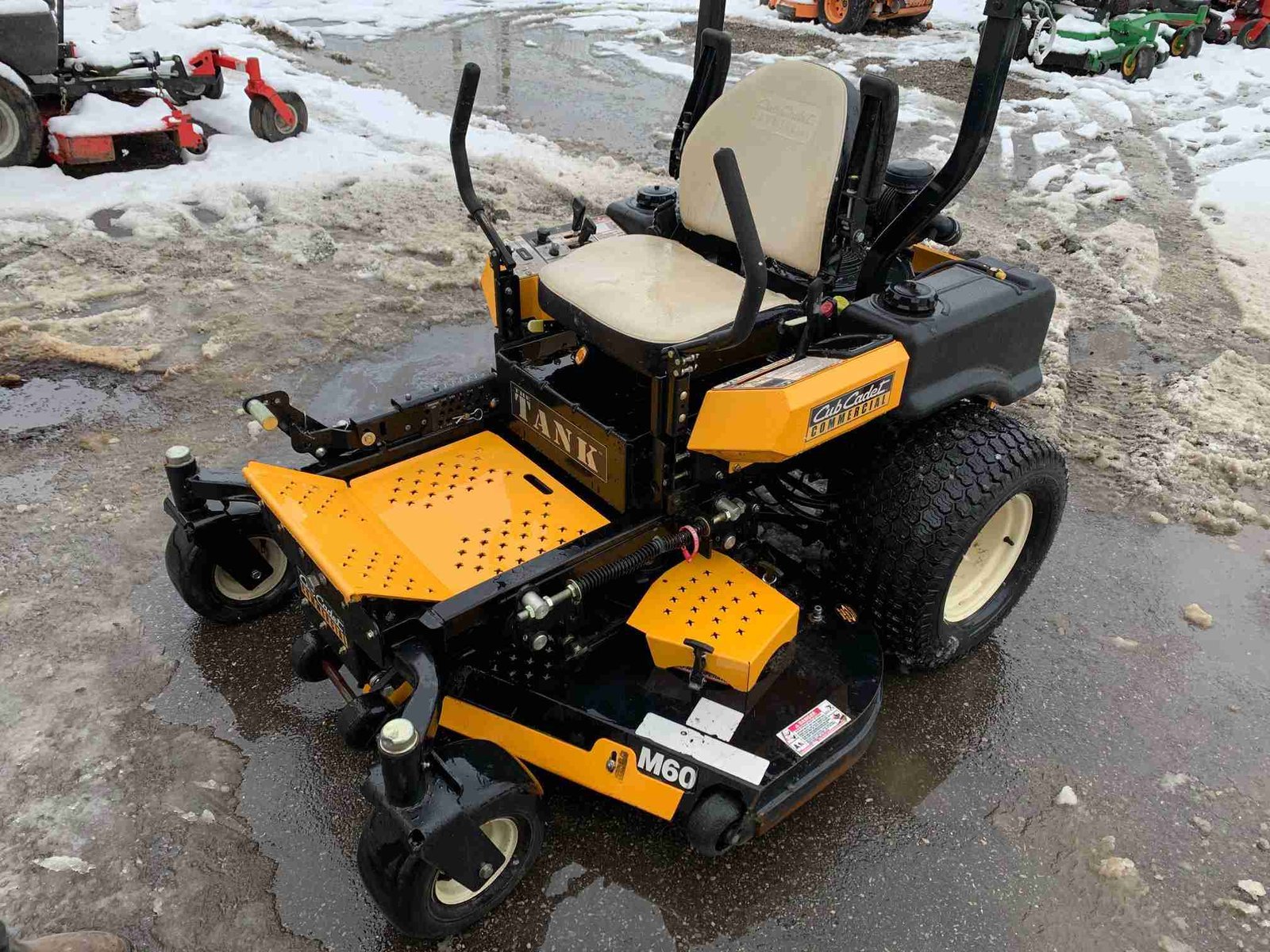
If you own a Cub Cadet Tank M60, you already know it is a strong zero-turn mower built for hard work. It can cut large yards fast and handle rough use better than many home mowers. But like any machine, it can develop problems after enough hours, bad maintenance, or small setup mistakes.
The good news is that most cub cadet tank m60 problems are not random. They usually point to a few common causes, such as fuel trouble, belt wear, weak blades, dirty filters, electrical issues, or hydraulic problems. When you understand the pattern, you can save time, avoid costly repairs, and keep the mower running better for longer.
This guide explains the most common issues, why they happen, and how to fix them in simple steps. It also shows a few warning signs many owners miss until the mower stops working well.
What usually goes wrong on the Tank M60
The Cub Cadet Tank M60 is a heavy-duty mower, but heavy-duty does not mean trouble-free. Most issues fall into a few groups: engine starting problems, poor cutting quality, drive system trouble, overheating, and vibration. In many cases, the real problem is not one broken part. It is a small issue that affects several systems at once.
For example, a dirty air filter can cause weak engine power, rough running, and higher fuel use. A worn deck belt can reduce blade speed and leave grass uncut. Low hydraulic fluid can make the mower feel weak or slow when turning. These are not always dramatic failures, so they are easy to ignore at first.
One thing beginners often miss is that mowing conditions matter a lot. Wet grass, dusty areas, steep slopes, and long mowing sessions all increase stress on the machine. A mower that works fine on a small clean lawn may show problems much faster on rough land.
Quick view of common symptoms and causes
| Symptom | Likely cause | What to check first |
|---|---|---|
| Engine will not start | Fuel, battery, spark plug, safety switch | Fuel level, battery charge, ignition system |
| Engine runs rough | Dirty filter, bad fuel, carburetor issue | Air filter, fuel freshness, spark plug |
| Poor cutting | Dull blades, belt slip, deck problem | Blade condition, deck belt, deck height |
| Mower loses drive power | Hydraulic issue, belt wear, low fluid | Hydraulic fluid, drive belt, leaks |
| Strong vibration | Unbalanced blade, damaged spindle, loose bolt | Blades, spindle, deck hardware |
Engine problems and starting trouble
Starting trouble is one of the most common complaints from Tank M60 owners. Sometimes the engine does not crank at all. Other times it cranks but will not start. In some cases, it starts and dies after a few seconds.
Common causes
- Weak or dead battery
- Loose battery cables
- Old or bad fuel
- Clogged fuel filter
- Dirty spark plug
- Faulty ignition switch or safety switch
- Blocked air intake or dirty air filter
A battery problem is easy to overlook because the mower may still show lights or make a clicking sound. But that does not mean the battery has enough power to start the engine properly. Also, fuel left in the tank for a long time can break down and cause hard starting, especially after storage.
How to fix it
- Check the battery voltage and charge it if needed.
- Clean both battery terminals and tighten the cable ends.
- Make sure the fuel is fresh and has no water or bad smell.
- Replace the fuel filter if it looks dirty or old.
- Remove and inspect the spark plug. Clean it or replace it if worn.
- Check the air filter and replace it if it is clogged with dust or grass.
- Confirm that the seat switch, brake switch, and PTO switch are working.
If the mower still does not start after these checks, the problem may be deeper inside the fuel or ignition system. At that point, testing the carburetor, solenoid, or safety circuit may be needed.
Non-obvious tip
Many owners replace parts before checking simple resistance in the system. A weak battery cable, even if it looks fine from the outside, can cause starting failure under load. Always check cable condition and grounding points carefully. Rust and loose fit can create hidden resistance.
Engine runs rough, surges, or loses power
A rough-running engine is another major part of cub cadet tank m60 problems. You may notice hunting, surging, hesitation, or a loss of power when the mower hits thicker grass. This often means the engine is not getting the right mix of air and fuel.
Common causes
- Dirty air filter
- Stale fuel
- Partially clogged carburetor
- Weak spark plug
- Restricted fuel line
- Engine overheating
Surging often points to fuel delivery trouble. When the engine does not get enough fuel, speed rises and falls in cycles. This is common after storage or when fuel has been sitting too long. In dusty yards, the air filter may be the first thing to fail.
How to fix it
- Replace the air filter if it is dirty or damp.
- Drain old fuel and refill with fresh fuel.
- Inspect the spark plug for carbon build-up or wear.
- Check the fuel line for cracks, kinks, or blockage.
- Clean the carburetor if the mower still surges.
- Make sure the cooling fins and engine area are free of grass and debris.
If the mower is used in very dusty areas, checking the air filter more often can prevent many power complaints. A slightly dirty filter may not stop the engine, but it can make cutting performance weak enough to feel like a bigger failure.
Why this matters more than many owners think
Small fuel problems do not just affect starting. They also affect blade speed, heat, and fuel use. A mower that runs lean or weak for a long time can damage the engine over time. So a simple tune-up can protect much more than comfort. It protects the machine itself.
Cut quality is poor or uneven
One of the most frustrating issues is when the mower runs, but the lawn still looks bad. The Tank M60 is built for a clean cut, so if grass is left in clumps or strips, something is wrong with the deck, blades, or cutting setup.
Credit: getmowers.com
Common causes
- Dull or bent blades
- Wrong deck height
- Uneven tire pressure
- Worn deck belt
- Grass build-up under the deck
- Blade tip speed loss
- Mowing too fast for grass conditions
Many owners think the mower is “not strong enough” when the real issue is blade condition. A dull blade tears grass instead of cutting it. That leaves a rough look and can also make the lawn turn brown at the tips.
How to fix it
- Remove the blades and inspect them for dull edges, bends, or chips.
- Sharpen or replace the blades as needed.
- Clean the underside of the deck.
- Check the deck belt for cracks, glazing, or slack.
- Set tire pressure evenly on all sides.
- Adjust the cutting height to match the grass type and length.
- Slow down when mowing tall or wet grass.
Uneven tire pressure is a hidden cause many people miss. Even a small pressure difference can tilt the deck and leave stripes of uncut grass. This is especially important on zero-turn mowers, where balance affects cut quality more than many first-time owners expect.
Helpful mowing habit
Do not try to cut too much grass at once. If the grass is tall, make one high pass first, then lower the deck and cut again. This reduces strain on the blades and gives a cleaner finish.
Mower vibrates too much
Strong vibration is never normal. A small amount of machine movement is expected, but shaking, rattling, or pulsing usually means something is loose, bent, or unbalanced. Ignoring vibration can lead to damaged spindles, broken belts, and stress on the frame.
Common causes
- Damaged or unbalanced blade
- Loose blade bolt
- Worn spindle bearing
- Bent pulley
- Deck damage from impact
- Foreign object stuck under the deck
If vibration starts suddenly after hitting a rock, stump, or hidden object, stop using the mower and inspect it before cutting again. A bent blade can create serious stress in a short time. The mower may still run, but damage can spread fast.
How to fix it
- Turn off the mower and remove the key.
- Inspect the blades for bends, cracks, or missing pieces.
- Check that the blade bolts are tight.
- Spin the deck spindles by hand and listen for rough movement.
- Look for damaged pulleys or belt misalignment.
- Remove stuck debris from under the deck.
If the vibration gets worse at higher speed, the problem is often rotating hardware such as a blade or spindle. If it shakes even at idle or while not mowing, the issue may be in the engine mounts or frame hardware.
Hydraulic drive problems and weak movement
Because the Tank M60 is a zero-turn mower, the drive system is a major part of how it works. If the mower feels slow, weak, or hard to steer, the hydraulic system or drive belts may be the source of the trouble.
Common causes
- Low hydraulic fluid
- Leaking hydraulic line or seal
- Worn drive belt
- Air in the hydraulic system
- Overheated transmission
- Dirty cooling surfaces around the pumps
Drive problems are often more noticeable after the mower warms up. It may feel fine for the first few minutes, then become weak or slow. That is a clue that fluid heat, leakage, or worn internal parts may be involved.
How to fix it
- Check hydraulic fluid level according to the mower manual.
- Inspect hoses, fittings, and seals for leaks.
- Examine the drive belt for wear or slipping.
- Clean the area around the pumps and transmission for grass and dirt.
- Let the mower cool if it has been run for a long period.
- If the system was serviced, make sure it was properly bled of air.
One useful detail many owners miss is that heat and dirt shorten hydraulic life. A clean cooling area matters more than it seems. Grass packed around the pumps can trap heat and make the mower feel weak even when no major part is broken.
Belt wear, slipping, and deck drive trouble
The Tank M60 uses belts to transfer power to the deck and drive system. Belts wear out slowly, so people often do not notice the problem until the mower starts slipping, squealing, or cutting poorly.

Credit: mowersweb.com
Signs of belt trouble
- Squealing sound when blades engage
- Poor blade speed
- Burning rubber smell
- Visible cracks or fraying
- Sudden loss of cutting power
- Deck not engaging smoothly
Belt issues can happen because of age, heat, poor tension, or pulley damage. If a pulley is misaligned, a new belt may fail early too. That is why replacing only the belt sometimes gives a short-term fix instead of a lasting one.
How to fix it
- Inspect all belts for wear, cracks, and glazing.
- Check pulleys for smooth rotation and correct alignment.
- Replace worn tension springs or idler pulleys if needed.
- Confirm the belt follows the correct routing path.
- Test the mower after reassembly to ensure smooth engagement.
If the belt looks fine but still slips, the real problem may be weak tension or pulley drag. That is why checking only the belt surface is not enough.
Electrical problems and safety switch issues
Electrical trouble can create very confusing symptoms. The mower may click, lose power, fail to crank, or shut off unexpectedly. On the Tank M60, safety switches are designed to prevent unsafe operation, but a bad switch can also stop the mower from working at all.
Common causes
- Blown fuse
- Corroded connectors
- Faulty ignition switch
- Bad seat switch
- Defective PTO switch
- Loose wiring or damaged harness
These problems often come and go. The mower may work after a bump or after the seat is shifted. That is a strong sign of a loose connection rather than a dead component.
How to fix it
- Check the fuse first.
- Inspect all visible wire connections for corrosion or looseness.
- Test the seat switch and brake switch.
- Make sure the PTO switch is working properly.
- Look for pinched or cut wires under the seat and around moving parts.
- Replace any damaged connector or switch that fails testing.
If you want a general electrical safety reference, the OSHA electrical safety page is a useful authority for basic safe practices around wiring and powered equipment.
Overheating and cooling issues
Overheating can cause engine power loss, shutdowns, and long-term wear. It is often tied to airflow problems rather than a major engine failure. Grass dust, oil leaks, and blocked fins can all make the engine run too hot.
Common causes
- Dirty cooling fins
- Blocked air intake
- Low engine oil
- Leaking oil on hot surfaces
- Running in very tall grass for too long
- Clogged mower deck area affecting airflow
Hot weather makes this worse. If the mower only acts up on warm days or after long cuts, overheating is a likely suspect. Heat also affects hydraulic performance, so a hot mower may show both engine and drive symptoms at once.
How to fix it
- Check engine oil level before every use.
- Clean the engine cooling fins carefully.
- Remove grass and debris from the air intake area.
- Inspect for oil leaks near hot engine parts.
- Take short breaks during long mowing sessions.
A simple habit like cleaning the mower after each use can prevent a lot of heat-related trouble. Grass packed around the engine is more than a mess. It is a heat trap.
How to keep Tank M60 problems from coming back
Fixing the problem once is helpful, but prevention saves the most time and money. Many Cub Cadet Tank M60 issues return because the root cause was never fully solved. Good maintenance does not need to be complicated. It just needs to be regular.
What helps most
- Use fresh fuel and store it properly
- Change oil on schedule
- Replace air and fuel filters before they fail
- Sharpen blades often
- Clean the deck and engine area after mowing
- Check belts, pulleys, and fluid levels regularly
- Inspect wiring and battery connections every season
One smart habit is to listen to the mower when it is healthy. Learn what normal sound, speed, and vibration feel like. Then small changes are easier to notice. This helps you catch trouble before it becomes a major repair.
Seasonal storage tip
If the mower will sit unused for weeks or months, prepare it before storage. Clean it well, stabilize the fuel, and disconnect or maintain the battery properly. Storage mistakes are a common reason the mower starts acting up again in spring.
When to stop troubleshooting and call a pro
Some cub cadet tank m60 problems can be fixed at home with basic tools. Others need deeper testing or special equipment. It is better to stop early than to damage a good part while guessing.
Call a technician if the mower has repeated hydraulic failure, severe engine noise, internal smoke, repeated belt failure with no clear cause, or wiring damage you cannot trace safely. Also get help if the mower starts fine but loses power only under load, because that can point to internal engine or transmission issues.
A good rule is simple: if the fix requires opening a major system and you are not fully sure what you are doing, professional help may cost less than a mistake.

Credit: yardguides.com
Final thoughts
The Cub Cadet Tank M60 is a strong machine, but it still needs care. Most problems are common and fixable once you know where to look. Starting trouble, rough running, weak cutting, vibration, belt wear, and drive issues all have clear causes in many cases.
If you inspect the mower in a steady way, begin with simple items, and stay ahead of wear parts, you can avoid many expensive failures. That is the best way to handle cub cadet tank m60 problems: do not wait for a full breakdown. Catch the small signs early, and the mower will serve you better for a long time.
FAQs
1. Why does my Cub Cadet Tank M60 not start?
The most common reasons are a weak battery, bad fuel, dirty spark plug, clogged fuel filter, or a safety switch issue. Start with the battery and fuel before moving to more complex parts.
2. Why does the mower cut unevenly?
Uneven cutting is often caused by dull blades, dirty deck buildup, wrong tire pressure, or a worn deck belt. Blade condition and deck cleaning should be checked first.
3. What causes strong vibration on the Tank M60?
Strong vibration usually comes from a bent or damaged blade, loose blade bolt, bad spindle bearing, or debris stuck under the deck. Stop mowing and inspect the blades right away.
4. Why does the mower lose power after running for a while?
This can happen because of overheating, weak fuel flow, low hydraulic fluid, or a worn belt. If it gets worse as the mower warms up, heat-related problems are likely.
5. How often should I service a Cub Cadet Tank M60?
Basic checks should be done before each use, while oil, filters, blades, belts, and hydraulic components should be inspected on a regular schedule based on use hours and mowing conditions. Heavy use may need more frequent service.