
If your Cub Cadet starts slowing down, losing pull, or acting strange when you change speed, the transmission may be the reason. This is a common problem on riding mowers, and it can feel confusing because the engine may still run fine while the machine itself does not move as it should.
The good news is that many cub cadet sltx 1054 transmission problems are not caused by a broken unit. In many cases, the real issue is low fluid, a worn belt, air in the hydro system, a bad linkage, or a part that simply needs adjustment. If you know what to look for, you can often save time and money.
This guide explains the most common causes, how to check them, what fixes are worth trying first, and when the transmission may need deeper repair. It is written for owners who want clear steps, simple language, and practical help.
How the SLTX 1054 transmission is supposed to work
The Cub Cadet SLTX 1054 uses a hydrostatic transmission system. That means it does not shift gears like a car or a manual lawn tractor. Instead, it uses fluid pressure to move the mower forward and backward. When everything is working well, speed changes should feel smooth and steady.
In simple terms, the engine powers a belt. That belt turns the transmission. The transmission then sends power to the rear wheels. If any part of that chain is weak, the mower may crawl, jerk, stop under load, or refuse to move at all.
One important point many beginners miss is that a transmission problem is not always inside the transmission. A damaged belt, loose pulley, weak idler spring, or contaminated hydro fluid can create the same symptoms. That is why a good inspection matters before replacing expensive parts.
Common signs of transmission trouble
Before you fix anything, you need to know what the mower is doing. The symptom often points to the cause.
- Slow movement even when the throttle is high
- Loss of power uphill or under heavy grass load
- Jerky movement instead of smooth driving
- Delayed response when moving the drive control
- Won’t move at all in forward or reverse
- Whining or humming noise from the rear end
- Leaking fluid under the transmission area
- Hot transmission case after short use
Some of these symptoms can appear only when the mower is hot. That is a clue. Heat often makes weak fluid, worn seals, or internal wear show up faster.
Main causes of cub cadet sltx 1054 transmission problems
Most problems fall into a few clear groups. If you understand these, troubleshooting becomes much easier.
1. Low or old hydrostatic fluid
Hydrostatic systems depend on clean fluid at the right level. If the fluid is low, the transmission may suck air instead of fluid. That causes weak movement, hesitation, or noisy operation. Old fluid can also lose its protective ability and make the system run hotter.
Many owners never check the fluid because the mower still starts and the engine runs normally. But the hydro system can fail to perform well long before it breaks completely.
2. Worn drive belt
The drive belt is a common weak point. If it is stretched, glazed, cracked, or slipping, power will not reach the transmission properly. You may hear the engine speed up while the mower barely moves.
A belt problem is especially likely if the mower struggles more when going uphill or when the grass is thick. That is because the belt slips more under load.
3. Damaged pulleys or idler system
Even with a good belt, bad pulleys can ruin drive performance. A stuck idler pulley, worn bearing, or weak spring can reduce belt tension. When tension drops, the belt slips and the mower loses drive power.
This is one of the easiest areas to inspect, and it is often overlooked.
4. Air trapped in the hydro system
If the mower has been serviced, tilted badly, or run with low fluid, air can enter the system. Air in a hydrostatic transmission makes the mower act weak, slow, or inconsistent. It may move a little, then lose drive.
This issue sometimes improves after proper bleeding or cycling, but not always if there is an underlying leak.
5. Linkage or control adjustment problems
The control lever or pedal linkage must move the transmission fully and smoothly. If the linkage is out of adjustment, bent, or loose, the transmission may never reach full forward or reverse range.
That means the transmission itself may be fine, but it is not being commanded correctly.
6. Internal wear inside the transmission
If the unit is old, has been overheated, or has run with dirty fluid for a long time, internal wear can happen. Worn pump parts, weak seals, and damaged internal components can reduce pressure and power.
This type of damage usually shows up as constant weak performance, even after belt and linkage checks.
7. Rear axle or wheel issues
Sometimes the transmission works, but the mower still does not move properly because a wheel key is missing, a tire is slipping, or an axle-related part is damaged. That can feel like a transmission fault even though the drive unit is not the real problem.
Fast troubleshooting steps before deeper repairs
Start with the simple checks. These solve more problems than most people expect.
- Check the parking brake and bypass lever. Make sure the mower is not left in freewheel or tow mode.
- Look at the drive belt. Search for cracks, shine, fraying, or loose fit.
- Inspect pulleys and idlers. Spin them by hand if possible and listen for rough bearings.
- Check transmission fluid level. If your model setup allows access, confirm the level is correct and the fluid is clean.
- Look under the mower for leaks. Wet spots around hoses, seals, or the transmission case matter.
- Test movement on flat ground. Try forward and reverse without heavy load.
- Check tire pressure. Low rear tire pressure can make the mower feel weak and uneven.
A useful habit is to test one thing at a time. If you change several parts at once, you may never know which one fixed the issue.
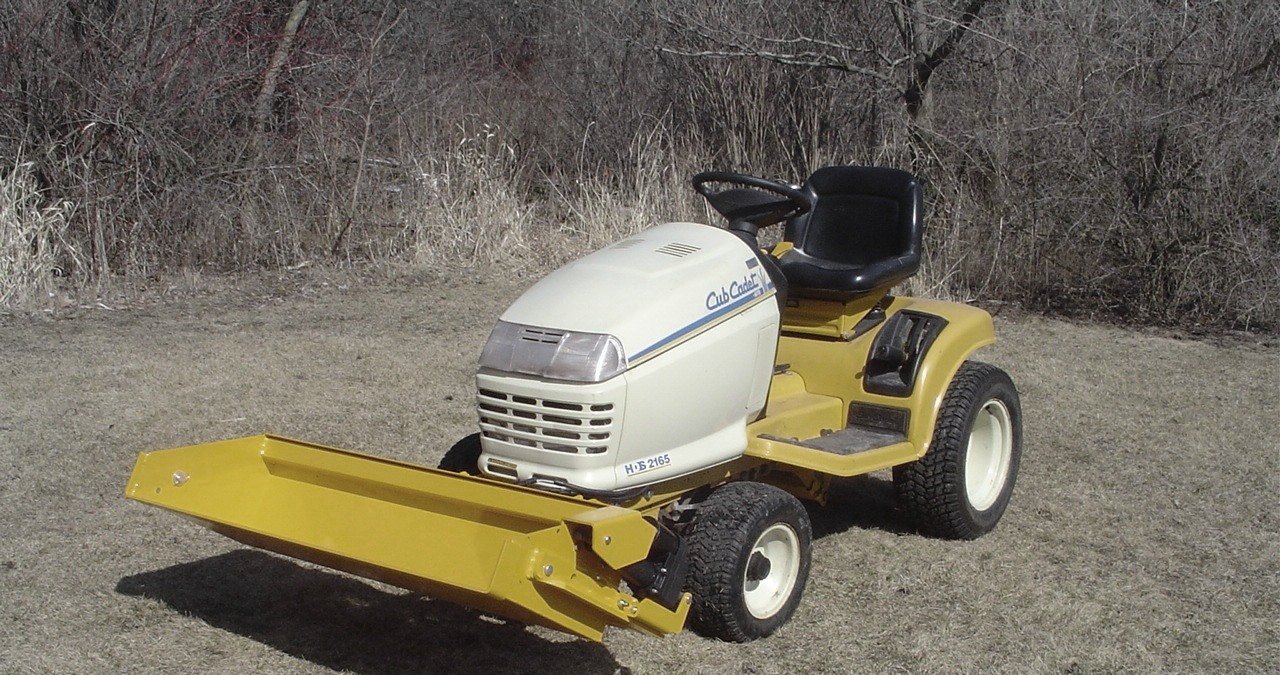
Credit: tractorproblems.com
How to inspect the drive belt the right way
The belt is one of the most common causes of drive trouble, so inspect it carefully.
What to look for
- Cracks across the belt surface
- Shiny or glazed sides
- Loose fit or visible stretching
- Burn marks or rubber dust
- Wrong routing around pulleys
Also check whether the belt follows the correct path. A belt that is slightly misrouted may still turn the mower, but it often slips under load. That kind of mistake is easy to miss after a previous repair.
When the belt should be replaced
If the belt is more than a few seasons old, or if it shows any visible wear, replacement is often the smartest move. Belts are cheaper than transmissions, and a weak belt can create fake transmission symptoms.
One non-obvious point: using the wrong belt size can create new problems even if it “fits”. A belt that is too long may slip. A belt that is too tight may wear bearings and pulleys too fast.
Checking fluid, leaks, and overheating
Hydrostatic transmissions do not like dirt, low fluid, or excess heat. These three things often work together.
If the transmission is low on fluid, it may cavitate. That means the pump pulls in air bubbles instead of steady fluid. The mower then loses strength, especially after warming up. If the transmission has a leak, the problem usually gets worse over time.
Signs the fluid system may be the problem
- The mower works better when cold
- It gets weaker after 10 to 20 minutes
- You see oil around seals or fittings
- The transmission case feels unusually hot
- You hear whining, especially when moving slowly
If your machine allows fluid service, use the type recommended by Cub Cadet. Do not guess. Wrong fluid can change the way the hydrostatic system behaves and may cause more wear.
For general owner support and manuals, the official Cub Cadet resource can help: Cub Cadet support.
Linkage adjustment: a small fix that can make a big difference
Some owners replace parts when the real issue is poor adjustment. The control linkage must let the transmission reach full travel. If it does not, the mower may feel slow even though everything else is fine.
Check for bent rods, loose fasteners, worn bushings, and any part that does not return smoothly. Move the control lever slowly and watch how the linkage responds. If the travel seems limited or uneven, adjustment may solve the issue.
Common linkage mistakes
- Ignoring small bends in the control rod
- Setting the linkage while the mower is on uneven ground
- Not checking both forward and reverse range
- Replacing the transmission before checking the pedal or lever connection
A second non-obvious insight: slightly worn linkage can feel like a weak transmission only under load. On flat ground with no resistance, the mower may seem normal. On grass, the problem becomes obvious.
When the mower moves in reverse but not forward, or the other way around
This symptom helps narrow the cause. If the mower works in one direction but not the other, the issue is often not the entire transmission. It may be a control adjustment, linkage problem, or internal directional wear.
For example, if reverse works but forward is weak, inspect the control travel and belt system first. If one direction feels much stronger, the transmission may have an internal issue. Still, do not skip the simple checks.
Directional problems are sometimes linked to a stuck bypass lever or a partially released brake system. That is why the outside parts should be checked before opening up the transmission.
Useful diagnostic guide based on symptoms
The table below can help you match a symptom to a likely cause and first fix.
| Symptom | Most likely cause | First thing to check |
|---|---|---|
| Mower moves slowly | Worn belt or low fluid | Belt condition and fluid level |
| Jerks or hesitates | Air in system or bad linkage | Leaks and control adjustment |
| No movement | Bypass lever, belt failure, or linkage issue | Bypass mode and belt routing |
| Weak only when hot | Low fluid, overheating, or internal wear | Fluid condition and leaks |
| Whining noise | Air, low fluid, or worn hydro parts | Fluid level and seal leaks |
| Works in one direction only | Linkage or internal directional issue | Control travel and adjustment |
Step-by-step troubleshooting guide
If you want a practical order of attack, use this sequence.
1. Confirm the mower is in drive mode
Make sure any freewheel or bypass setting is fully returned to drive position. This sounds basic, but it is easy to miss after moving the mower by hand.
2. Inspect the belt and pulleys
Look for obvious wear first. Check that the belt sits correctly in every pulley groove. If an idler pulley is seized or noisy, fix that before moving on.
3. Check tire pressure and wheel condition
Low tire pressure can make the mower drag and feel weak. Also make sure the rear wheels are secure and not slipping on the axle.
4. Examine the linkage
Watch the control system while moving the lever or pedal. Make sure it moves freely and fully. Any binding, looseness, or delay should be corrected.
5. Look for leaks and fluid issues
Inspect the transmission body, hoses, and fittings. If fluid is low, top up only with the correct type. If the system has been opened, air removal may be needed.
6. Test under light and moderate load
Drive on flat ground first. Then test on a mild slope or thicker grass. A problem that appears only under load often points to belt slip, weak fluid performance, or internal wear.
7. Consider internal transmission wear
If all outside parts are good and the problem remains, the transmission may be worn internally. At this stage, repair, rebuild, or replacement may be the best path depending on age and cost.
Fixes that often work
Not every repair is complex. These fixes solve many common cases.
- Replace the belt if it is worn, glazed, or stretched.
- Clean or replace idler pulleys if they spin rough or stick.
- Adjust the linkage so the transmission gets full control travel.
- Top off or change hydro fluid if the system is low, dirty, or old.
- Repair leaks at seals, hoses, or fittings before they become worse.
- Restore proper tire pressure to reduce drag and false symptoms.
- Replace damaged springs or bushings in the drive system.
If your mower is still under a serviceable condition and the problem is not severe, these basic repairs are usually the best first investment.
When replacement may be better than repair
There is a point where repair stops making sense. If the transmission has heavy internal wear, recurring overheating, or major fluid loss, replacement may be smarter than repeated small fixes.
This is especially true if the mower is old and other drive parts are also worn. Replacing a failing transmission without fixing belts, pulleys, or linkage can lead to the same problem again.
A good rule is this: if several drive parts are worn at once, solve them as a system. Do not treat the transmission alone.
How to avoid future transmission problems
Prevention is easier than repair. A few simple habits can help the mower last longer.
- Check belt condition before every mowing season
- Keep rear tire pressure at the correct level
- Clean grass buildup from the drive area
- Avoid pulling heavy loads that exceed the mower’s design
- Do not run the mower for long periods with poor cooling airflow
- Service fluid and filters on the schedule recommended by the maker
- Fix small leaks early instead of waiting
One useful habit many owners skip is cleaning around the transmission after mowing wet grass. Packed debris can hold heat and shorten the life of belts and seals.
What to do if the problem comes and goes
Intermittent drive problems can be frustrating because the mower may work fine one day and fail the next. These cases often point to heat-related issues, loose parts, a belt that slips only when warm, or a connection that moves slightly under vibration.
Try to notice when the problem appears:
- Only after long mowing time
- Only uphill
- Only when the mower is hot
- Only with a heavy load
- Only in one direction
That pattern gives you a strong clue. Random failure is less common than it feels. In many cases, the problem follows heat, pressure, or motion.
Final thoughts
Most cub cadet sltx 1054 transmission problems can be traced to a few practical causes: belt wear, low fluid, air in the system, bad linkage, or worn internal parts. The key is to start simple and inspect the outside parts before assuming the transmission has failed.
If you take time to check the belt, pulleys, fluid, tires, and controls in order, you can often find the real issue quickly. That saves money and avoids replacing good parts. When the problem does turn out to be internal, you will at least know you made the diagnosis the right way.
In short, do not rush to the most expensive answer. The best repair is the one that matches the real cause.
FAQs
1. What is the most common cause of Cub Cadet SLTX 1054 transmission problems?
The most common causes are a worn drive belt, low hydrostatic fluid, or a control linkage that is out of adjustment. These issues often create symptoms that look like a bad transmission.
2. Why does my mower move slowly but the engine sounds normal?
This usually means the engine is fine, but power is not reaching the wheels properly. A slipping belt, weak idler pulley, low fluid, or internal hydro wear are the most likely reasons.
3. Can low tire pressure cause transmission-like problems?
Yes. Low rear tire pressure can make the mower feel weak, slow, or uneven. It adds rolling resistance and can make a healthy drive system seem faulty.
4. Is it safe to keep using the mower if the transmission is whining?
It is not a good idea to keep using it for long. Whining can mean low fluid, air in the system, or internal wear. Continued use may make the damage worse.
5. When should I stop troubleshooting and replace the transmission?
If the belt, linkage, pulleys, fluid, and leaks have all been checked and the mower still has weak or no drive, the transmission may have internal damage. At that point, replacement is often more practical than repeated repairs.