
If you own this compact tractor, you already know why people like it. It is strong, useful, and small enough for many jobs. But like any machine, it can develop problems over time. Some are simple. Some take a little digging. The good news is that many cub cadet 5234d problems have clear causes and practical fixes.
This guide explains the most common issues in plain English. You will learn what usually goes wrong, why it happens, and what you can do before paying for a repair. In many cases, the real fix is not a big part replacement. It is a battery issue, dirty fuel, weak wiring, low fluid, or poor maintenance.
If you want to save time, money, and frustration, start with the basics. Many owners miss the small signs early, then the machine gets harder to start, runs rough, or loses power. A careful check can often bring the tractor back to normal.
What usually goes wrong first
Before looking at each symptom, it helps to know the most common weak points on this model. The Cub Cadet 5234D is a diesel compact tractor, so its problems often come from fuel delivery, electrical starting, cooling, or hydraulic systems. That means one small issue can create several symptoms at once.
Two things beginners often miss are fuel quality and electrical voltage under load. A battery can look fine and still fail when the starter needs strong current. Fuel can also look clean but still contain water or algae, which causes rough running and hard starts.
| Symptom | Common cause | First thing to check |
|---|---|---|
| Hard starting | Weak battery, air in fuel, glow plug issue | Battery voltage and fuel filter |
| Loss of power | Dirty air filter, fuel restriction, injector problem | Air intake and fuel flow |
| Hydraulic failure | Low fluid, filter clog, pump wear | Fluid level and filter condition |
| Overheating | Radiator blockage, low coolant, bad fan belt | Coolant and cooling fins |
| No crank | Battery, starter, safety switch, wiring | Battery and connections |
Hard starting and no-start problems
This is one of the most common complaints. The engine may crank slowly, crank normally but not fire, or do nothing at all. On a diesel tractor, starting depends on strong battery power, good glow plug function, clean fuel, and proper air in the system.
Common causes
- Weak or old battery
- Loose or corroded battery terminals
- Bad ground connection
- Faulty glow plugs or glow plug relay
- Clogged fuel filter
- Air trapped in the fuel line
- Old diesel fuel
How to fix it
- Check battery voltage. A fully charged 12-volt battery should usually read around 12.6 volts or more when resting.
- Clean both battery terminals and tighten the cables.
- Inspect the ground cable where it connects to the frame or engine block.
- Listen for the glow plug cycle before starting in cold weather.
- Replace the fuel filter if it is dirty or old.
- Bleed air from the fuel system if the tractor has been serviced recently or ran out of fuel.
A useful rule: if the starter turns slowly, think electrical first. If the starter turns well but the engine will not catch, think fuel or glow plugs. That simple split saves a lot of guesswork.
Common mistake
Many owners keep cranking the engine for long periods. That can drain the battery and overheat the starter. Short attempts with a quick pause are better. If it still will not start after a few tries, stop and test the system carefully.
Engine runs rough or loses power
If the tractor starts but feels weak, shakes, or stalls under load, the engine may not be getting enough air or fuel. Sometimes the issue appears only when cutting, pulling, or lifting. That usually means the engine can idle, but it cannot keep up when demand rises.
Common causes
- Dirty air filter
- Blocked fuel filter
- Water in diesel fuel
- Dirty injectors
- Restricted exhaust
- Throttle linkage problem
Fixes that work
Start with the air filter. A clogged filter is easy to ignore, but it can cause major power loss. Remove it and inspect it closely. If it is packed with dust, replace it. Do not just tap it and put it back if it is badly dirty.
Next, check the fuel filter and fuel tank. If you see dark fuel, sediment, or water, drain it safely and refill with fresh diesel. Water in diesel is a hidden problem because it may cause rough running before it causes a full failure.
If the engine still feels weak, the injectors may need cleaning or testing. This is not always a quick driveway repair, but it matters when the engine misses, smokes heavily, or feels uneven under load.
Useful insight
A tractor that loses power only after warming up may have a fuel flow problem that gets worse as the engine demands more fuel. Many people blame the engine itself, but the real issue is often a restricted filter or a failing fuel pump.
Excess smoke from the exhaust
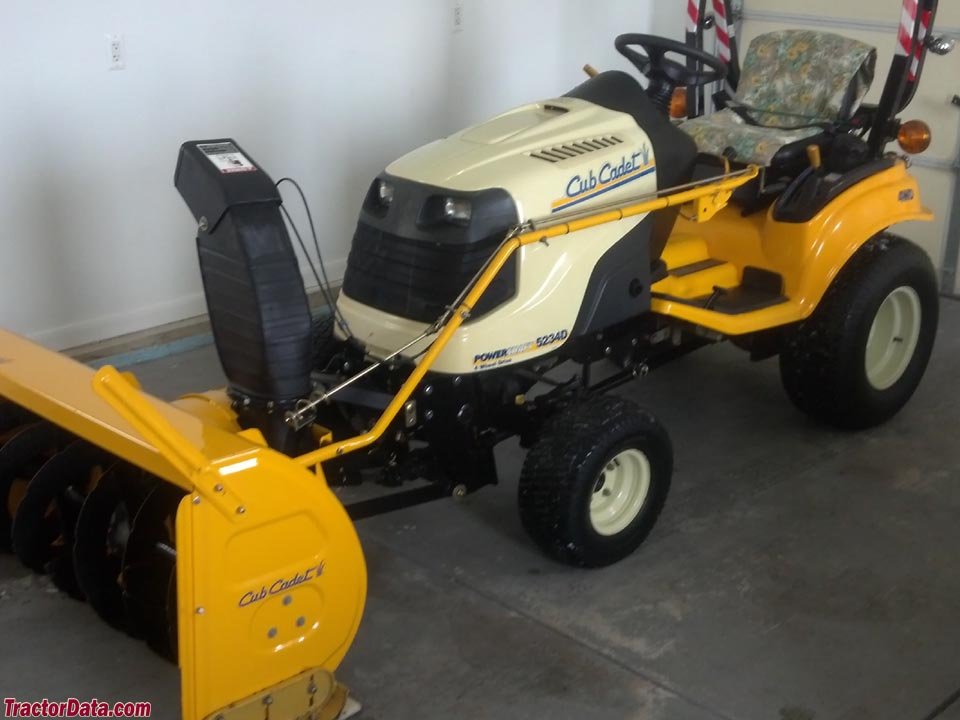
Smoke color can give you a strong clue. Black smoke, white smoke, and blue smoke usually mean different things. That makes smoke one of the best early warning signs for cub cadet 5234d problems.
Credit: tractordata.com
What the smoke colors mean
- Black smoke: too much fuel or too little air
- White smoke: unburned fuel, water, or cold-start issues
- Blue smoke: engine oil burning
What to check
- Inspect the air filter if you see black smoke.
- Check for fuel contamination or injector trouble if you see white smoke after the engine warms up.
- Look for oil consumption, worn rings, or seal issues if you see blue smoke.
Some white smoke during a cold start can be normal on a diesel. What matters is whether it clears soon. If the smoke stays heavy, that is a warning sign.
Overheating during work
Overheating can damage a diesel engine quickly, so treat it seriously. The cause is often simple: blocked airflow, low coolant, belt trouble, or a dirty radiator. Because this tractor is used in dusty areas, cooling system clogging is easy to miss.
Main causes
- Low coolant level
- Dirty radiator fins
- Blocked screen or grill
- Loose or worn fan belt
- Coolant leak
- Thermostat problem
What to do
Check the radiator screen first. Remove grass, dirt, and dust buildup. Then inspect the radiator fins for blockage. Blow them out gently with compressed air if needed, but do not bend the fins.
Next, inspect coolant level only when the engine is cool. Never open a hot radiator cap. If the coolant keeps dropping, look for leaks around hoses, clamps, and the water pump area.
If the belt is loose or cracked, replace it. A weak belt can reduce fan speed and water pump performance, which leads to heat buildup under load.
Non-obvious cause many owners miss
Sometimes overheating happens only in hot weather because the machine has a partially blocked radiator and a weak belt at the same time. Each problem alone may not cause failure, but together they push the cooling system over the edge.
Hydraulic and loader issues
Hydraulics matter a lot on this tractor. If the loader, steering, or three-point hitch works slowly or not at all, the problem may be low fluid, a clogged filter, air in the system, or pump wear.
Symptoms to watch for
- Slow loader movement
- Jerky lift action
- Weak steering assist
- Three-point hitch not lifting properly
- Whining noise from the hydraulic system
Fixes to try first
- Check hydraulic fluid level.
- Inspect the hydraulic filter.
- Look for leaks around hoses and fittings.
- Make sure the fluid type matches the tractor specification.
- Bleed trapped air if the system was recently serviced.
If the tractor makes a whining sound, do not ignore it. That often means the pump is pulling air or struggling against a restriction. Running it like that for too long can create more damage.
Hydraulic problems are sometimes blamed on the pump too quickly. But a dirty filter or low fluid is much more common and much cheaper to fix. Check the simple things before replacing expensive parts.
Transmission or driveline trouble
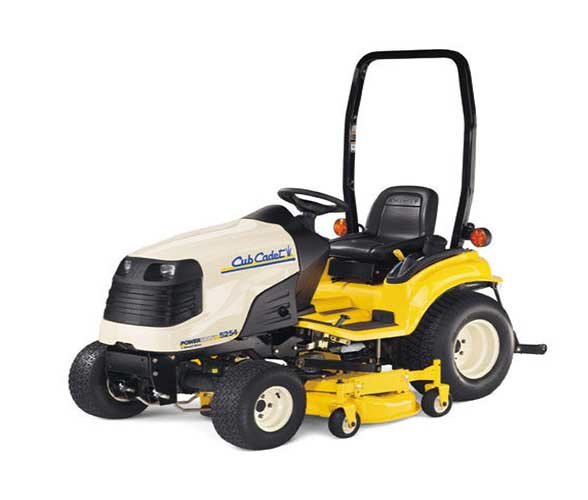
When the tractor moves poorly, jerks, or refuses to drive as expected, the issue may be in the transmission or driveline. This can feel serious, but some causes are basic and easy to inspect.
Credit: machinerylink.com
Common signs
- Slow or uneven movement
- Grinding or unusual noises
- Difficulty shifting
- Loss of drive under load
- Delayed engagement
Likely causes
- Low transmission fluid
- Worn linkage or control adjustment
- Clutch or pedal issue
- Internal wear
- Contaminated fluid
Start by checking fluid level and condition. Dark, burnt, or dirty fluid is a bad sign. Also inspect the linkage and pedals for free movement. A bent or sticky linkage can feel like a transmission failure when the problem is actually external.
If the tractor has a hydrostatic or related drive system, smooth pedal use matters. Sudden full pressure on a cold system can make behavior worse and hide the real issue.
Electrical problems and warning lights
Electrical faults are often confusing because they create random symptoms. The lights may dim, the starter may click, a safety switch may block starting, or warning lights may stay on. This system depends on clean connections and stable voltage.
Typical causes
- Weak battery
- Bad alternator or charging issue
- Blown fuse
- Faulty relay
- Damaged wiring harness
- Failing safety switch
Good troubleshooting order
- Check battery condition first.
- Test charging voltage while the engine runs.
- Inspect fuses and relays.
- Look for loose or rubbed wires.
- Test seat, brake, or PTO safety switches if starting is blocked.
A switch can fail only sometimes, which makes the problem feel random. If the tractor starts one day and not the next, and the battery is good, a safety switch or connection problem is worth checking.
Steering problems
Hard steering, uneven steering, or poor response can make the tractor tiring to use. Steering trouble is often caused by hydraulic issues, low fluid, worn front-end parts, or loose connections.
What to inspect
- Front tire pressure
- Hydraulic fluid level
- Steering linkage wear
- Ball joints and tie rods
- Leaks in the steering system
Low tire pressure can make steering feel much worse than it really is. Always check tires before assuming a major mechanical fault. Uneven front tires can also make the tractor pull to one side.
Worn steering parts usually show up as play in the wheel, wandering, or poor control on rough ground. If you notice this, inspect the front end carefully. Waiting too long can make the wear worse and affect safety.
Unexpected vibration or strange noises
Vibration and noise are symptoms, not the actual problem. They often point to loose parts, damaged belts, worn bearings, or unbalanced rotating parts. The key is to find when the noise happens.
Noise patterns and what they may mean
- High-pitched squeal: belt slip or pulley issue
- Grinding: bearing wear or internal damage
- Knocking: serious engine issue or loose component
- Rattle: shield, panel, or mount looseness
Look for loose bolts, cracked mounts, and worn belts first. These are easy to miss and often create more noise than expected. If a noise changes with engine speed, it often comes from a rotating part rather than the frame.
Do not keep running a tractor with a deep knocking sound. That can turn a repairable issue into a major failure very quickly.
How to reduce future breakdowns
The best way to deal with cub cadet 5234d problems is to stop them early. A few small habits make a big difference in how this tractor performs over time.
- Change fuel filters and air filters on schedule.
- Use clean fuel from a trusted source.
- Keep battery terminals clean and tight.
- Check coolant and hydraulic fluid levels often.
- Clean the radiator and screens after dusty work.
- Inspect belts, hoses, and wiring before they fail.
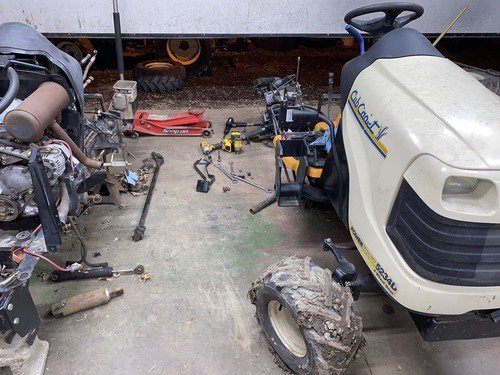
Another smart habit is to pay attention to small changes. A slight starting delay, a new smell, or a little extra noise is often the earliest sign of trouble. Catching it early usually means a cheaper repair.
Credit: ebay.com
When to call a mechanic
Some repairs are fine for a careful owner. Others need a trained technician. If the tractor has internal engine noise, repeated overheating, major hydraulic failure, or no-start problems after basic checks, it is time for professional help.
Also call a mechanic if you do not have the right tools to test compression, fuel pressure, or electrical output. Guessing can waste time and create more damage.
If you want a good general reference for tractor maintenance and safety basics, the Purdue Extension site offers useful agricultural equipment guidance.
Final thoughts
Most cub cadet 5234d problems are not mysterious. They usually come from a few repeat causes: weak batteries, dirty fuel, clogged filters, low fluids, or worn parts. If you start with the simplest checks and work step by step, you can solve many issues without major repair costs.
The real trick is not guessing. Watch the symptom, test the most likely cause, and fix the basic problem before moving deeper. That approach saves time and protects the tractor for the long run.
FAQs
1. Why does my Cub Cadet 5234D crank but not start?
The most common reasons are weak battery voltage, air in the fuel system, a clogged fuel filter, or glow plug trouble. Start with the battery and fuel filter before testing deeper parts.
2. Why does the tractor lose power under load?
Loss of power usually comes from restricted air intake, dirty fuel filters, water in diesel, or injector problems. A clogged air filter is one of the easiest and most common causes.
3. What causes hydraulic functions to work slowly?
Low hydraulic fluid, a clogged filter, air in the system, or pump wear are common causes. Check fluid level and filter condition first because they are the simplest fixes.
4. Is white smoke always a serious problem?
No. A little white smoke during cold starting can be normal. But if it continues after the engine warms up, it may point to fuel issues, water in fuel, or injector problems.
5. How can I prevent repeat problems on this tractor?
Use clean fuel, replace filters on schedule, keep batteries and connections clean, and inspect coolant and hydraulic fluid often. Regular cleaning of the radiator and screens also helps a lot.