
If you are asking can a lawn mower get wet, the short answer is yes, but only to a point. Light rain, dew, or a damp deck usually will not destroy a mower right away. Standing water, soaked engine parts, and long storage while wet can cause real damage.
The risk depends on the mower type, how wet it got, and whether you dry it properly afterward. Gas mowers, electric mowers, and battery models all react a little differently. You will also see the difference between a mower that got a few splashes and one that sat in a puddle for an hour.
Here is what actually happens when a mower gets wet, which parts are most vulnerable, and the safest ways to protect it before and after exposure. You will also learn when a mower is still safe to use and when it needs a full inspection first.
What Water Does to a Lawn Mower
Water does not always ruin a mower, but it can create several problems fast. The biggest issue is not the water itself. It is what happens when water stays on metal, electrical parts, fuel parts, or inside moving components.
On a typical mower, moisture can lead to rust, poor starting, short circuits, and weak cutting performance. If the mower was only damp, these problems may be small or temporary. If it was soaked, the chance of lasting damage goes up sharply.
One common mistake is assuming a mower is fine as long as it still starts. A wet mower may run for a few minutes and still have hidden issues, especially around the carburetor, bearings, blade spindle, or wiring connectors. Those parts may fail later, after the water has had time to work.
Which parts are most at risk
- Engine air intake: Water can reduce airflow and make starting harder.
- Spark plug area: Moisture can weaken ignition on gas models.
- Battery terminals and switches: Corrosion and poor contact are common problems.
- Bearings and blade spindle: Repeated moisture can cause rust and rough movement.
- Deck underside: Wet grass and water mix to form buildup that traps moisture.
The underside of the deck is one of the most overlooked areas. Wet clippings stick there quickly, and that layer holds water against the metal. That speeds up rust and can reduce airflow, which hurts cutting quality the next time you mow.
Can a Lawn Mower Get Wet in Different Situations?
Not all wet conditions are equal. A mower sitting in morning dew is in a very different situation from one left outside during a storm. The amount of water, the time exposed, and the mower design all matter.
If you want a practical answer, think in levels. A light splash is usually manageable. A wet deck after mowing damp grass is common. A mower that was rained on heavily, submerged, or stored outdoors wet needs more care before use.
Light dew or damp grass
This is usually normal. Many lawns stay wet early in the morning, and the mower may pick up moisture from grass alone. A gas mower can often handle this if the deck is clean and the engine stays dry. Electric mowers need more caution, especially near switches and battery ports.
Rain while mowing
Light rain is not ideal, but it does not always cause instant failure. The bigger concern is electrical safety and slippery ground. Wet grass also clumps more, so the mower must work harder. That can leave uneven cuts and extra buildup under the deck.
Left outside in a storm
This is where problems start. Rain can enter the engine bay, pool around controls, and soak exposed metal. If the mower sits that way for hours, corrosion can begin before you even notice. On electric or battery models, water near connectors or charging ports is especially concerning.
Accidentally dropped into water or flooded
This is the most serious case. Do not try to start a mower that has been submerged or deeply flooded. Water can get into the engine, fuel system, wiring, and bearings. Running it too soon can turn a repairable problem into major damage.
| Wet condition | Typical risk level | What to do |
|---|---|---|
| Dew or damp grass | Low | Wipe it down and clean the deck after use |
| Light rain | Medium | Stop if visibility or traction becomes poor |
| Stored outside in rain | High | Dry completely, inspect parts, and test carefully |
| Submerged or flooded | Very high | Do not start it; inspect and service first |
What Happens to Gas, Electric, and Battery Mowers
The answer to can a lawn mower get wet changes depending on the power source. Each type has different weak points. Knowing those differences helps you avoid damage and unsafe use.
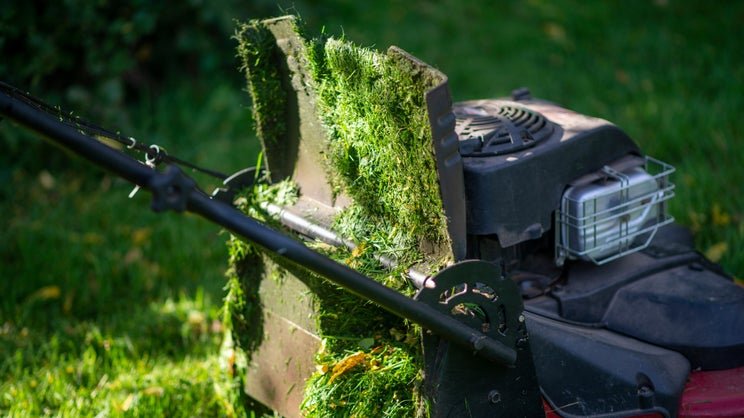
Credit: expertreviews.co.uk
Gas mowers
Gas mowers are more tolerant of damp grass and light exterior moisture than many people think. Their main risks are water in the carburetor, spark plug area, air filter, or fuel system. If water gets into the fuel, the engine may sputter, stall, or refuse to start.
One detail people miss is that a gas mower can seem fine after getting wet, then act up on the next use. That happens because leftover moisture inside the ignition or fuel path causes delayed trouble. A mower that starts after a rainstorm is not always fully safe.
Electric corded mowers
Corded models need the most caution around water because they run on household electricity. Even if the mower itself looks sealed, the cord, plug, outlet, and connections are all points of risk. Never use a corded mower in standing water or during active rain.
Also, a wet lawn can hide cord hazards. The cord may slip, snag, or sit in pooled water without you noticing. That is why many owners avoid corded mowing until the grass has dried enough for safe traction and visibility.
Cordless battery mowers
Battery mowers sit between gas and corded models in terms of moisture sensitivity. The battery itself is sealed, but the terminals, charger, and control electronics still need protection. If water gets into the battery bay or charging system, it can create corrosion or communication errors.
Do not charge a battery that is visibly wet. Dry it fully first, following the manufacturer’s instructions. For safety, the battery should be cool, dry, and free of debris before it goes back on the charger.
How to Dry and Check a Wet Lawn Mower Safely
If your mower got wet, your first job is not starting it. Your first job is drying and inspecting it. A careful 10 to 20 minutes now can prevent a much more expensive repair later.
Use a simple order: dry, inspect, test, then mow. Do not skip straight to the test step just because the mower looks okay. Moisture often hides under covers, inside the deck, and around electrical points.
- Turn the mower off and disconnect the spark plug wire on gas models, or remove the battery on cordless models.
- Move it to a dry, covered place with good airflow.
- Wipe off standing water from the handle, deck, wheels, and controls.
- Check the air intake, spark plug area, and battery compartment for visible moisture.
- Let it air-dry for several hours if needed, especially after heavy rain.
- Inspect the blade and underside of the deck for packed wet grass and rust spots.
- Test-start only after it is fully dry and only if no water entered critical parts.
If you are not sure whether the mower was exposed to a dangerous amount of water, follow the official owner’s manual or support guidance from the manufacturer. For general equipment care, the official mower safety guidance from CPSC is a useful place to check safe handling tips for wet equipment and outdoor power tools.
Drying tips that actually help
- Use a clean microfiber cloth, not a soaking wet rag.
- Open covers only if the manual allows it.
- Use compressed air gently, not at very high pressure.
- Store the mower indoors overnight if it got heavy rain exposure.
- Never use a heat gun or open flame to speed drying.
One less obvious issue is condensation. A mower moved from cold rain into a warm garage can collect moisture again on metal parts. That means drying should happen in a stable, airy space, not in a sealed room with poor ventilation.
How to Protect a Lawn Mower From Moisture
Prevention is easier than repair. If your mower lives outside, gets used in humid weather, or often sits near wet grass, small habits make a big difference. Protection is mostly about blocking water, reducing trapped moisture, and cleaning the machine before rust starts.
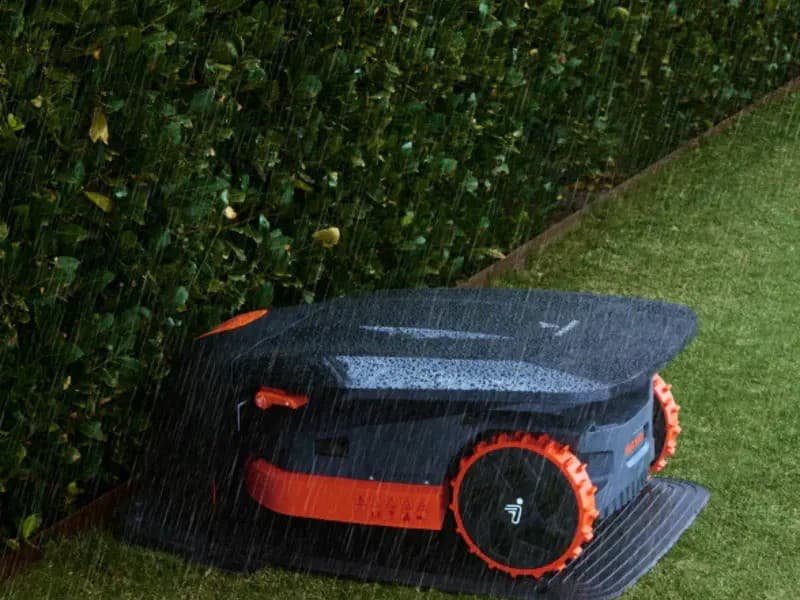
Credit: navimow.segway.com
Keep the deck clean after every cut
Wet clippings are one of the biggest moisture traps on a mower. They stick to the underside, hold water, and speed up corrosion. Scrape or brush them off after use, once the mower is safe and cool.
Store it off the ground
Concrete floors, wet soil, and grass all transfer moisture upward. A shelf, mat, or dry floor area helps keep the deck and wheels from sitting in dampness. Even a few inches of lift can reduce rust over time.
Use a fitted cover, but do not trap moisture
A cover helps block rain and dust, but only if the mower is dry before you cover it. Putting a wet mower under plastic can trap humidity and make the problem worse. Breathable covers are better for long-term storage than loose tarps that hold condensation.
Protect metal and moving parts
Light lubrication on approved parts can help reduce rust, but avoid overdoing it. Too much oil attracts dust and grass. Focus on the spots the manual recommends, such as pivots, wheels, or cable points.
Easy habits that prevent most damage
- Check the mower after each rainstorm.
- Never leave fuel caps or battery ports exposed.
- Dry the handle and controls before storage.
- Keep the charger in a dry indoor area.
- Run the mower only when the lawn is not soggy.
Another non-obvious point: mowing very wet grass can make the mower look “wet problem” damaged when the real issue is load stress. Heavy, wet clumps can slow the blade and strain the engine, even if no water entered the machine. That is why wet grass and wet storage are not the same problem.
Common Mistakes After a Mower Gets Wet
Most mower damage after rain happens because of what the owner does next. The mower may have survived the water, but the wrong cleanup or test can finish it off. Avoiding a few mistakes can save both time and parts.
- Trying to start it right away after heavy rain or flooding.
- Ignoring the air filter, which can stay damp even when the outside looks dry.
- Charging a wet battery or using a wet extension cord.
- Storing it in a closed box or tarp before it is fully dry.
- Assuming the engine is the only concern and forgetting about rust on the deck and bearings.
Many people also clean a wet mower with a pressure washer too soon. That can push water deeper into seals, connectors, and bearings. A garden hose or damp cloth is usually safer for exterior cleaning, and only when the mower is cool and properly disconnected.
If the mower was submerged, smelled like fuel mixed with water, or has electrical glitches after drying, stop using it. Internal damage is possible, and repeated start attempts can make it worse.
When a Wet Mower Is Safe to Use Again
A mower is usually safe to use again when three things are true: it is fully dry, it starts normally, and it shows no signs of mechanical or electrical trouble. That sounds simple, but the inspection matters more than the start button.
For gas models, look for smooth starting, stable idling, and normal power under load. For battery and corded models, check that switches work properly, terminals look clean, and no warning lights appear. If anything feels off, do not assume it will “work itself out.”
Use this quick judgment rule: if the mower only got damp from dew or a little rain, drying and cleaning may be enough. If water pooled around the engine, battery area, or controls for more than a short time, give it a deeper inspection before use.
When in doubt, pause and look for rust, corrosion, wet filters, strange noises, or repeated stalling. Those are signs the moisture caused more than a surface problem. A careful check now is cheaper than a repair later.
Final Takeaway
Can a lawn mower get wet? Yes, but there is a big difference between normal dampness and serious water exposure. Light moisture is often manageable. Heavy rain, standing water, and flooding can damage the engine, electronics, fuel system, and metal parts.
The safest approach is simple: dry the mower, inspect the critical parts, and never rush to start it after major exposure. If you protect it from trapped moisture, clean the deck after use, and store it in a dry place, you will avoid most problems before they begin.
In practice, the best mower is not the one that never sees water. It is the one that gets dried, cleaned, and stored the right way every time.
Credit: bobvila.com
FAQs
1. Can a lawn mower get wet in the rain?
Yes, a lawn mower can get wet in light rain, but it is not a good idea to keep mowing for long. Rain increases slip risk, reduces visibility, and can lead to electrical or mechanical problems. Heavy rain is a clear stop signal.
2. What should I do if my lawn mower gets soaked?
Turn it off, disconnect power or remove the battery, and dry it in a covered area with airflow. Do not try to start it until you have checked the air intake, controls, and battery or spark plug area. If it was submerged, get it inspected before use.
3. Is dew on grass bad for a mower?
Dew is usually not a major problem by itself. The mower may still work normally, especially if the deck and engine area stay dry. Still, wet grass can clump under the deck, so cleaning after mowing matters.
4. Can I store a mower outside under a cover?
Only if the mower is fully dry first and the cover allows some airflow. A wet mower under a tight cover can trap moisture and cause rust. Indoor storage is much better for long-term protection.
5. Should I run a wet lawn mower to “dry it out”?
No. Running a wet mower can spread water into sensitive parts and create more damage. It is safer to dry and inspect it first. If it was heavily soaked, do not start it until you are sure no internal water remains.