
If you need how to start ryobi lawn mower help right now, the fix is usually simple: check the battery, engage the safety handle, and press or pull the start control the right way. Most Ryobi mowers fail to start because of one small step, not because the mower is broken.
Ryobi makes several mower types, and they do not all start the same way. A push-button electric model, a self-propelled mower, and a battery-powered riding mower each have small differences, but the core checks are the same. Once you know the sequence, you can get the mower running in under a minute on most days.
This guide shows the exact starting process, the most common mistakes, and what to do when your Ryobi mower still will not start. You will also learn the quick checks that save time, like battery charge level, handle position, and deck-clog issues that stop the blade from engaging.
Check the basics before you try to start it
Before you press anything, do a fast safety and power check. This matters because many starting problems are not really “starting” problems. They are power, safety, or setup problems.
Start by making sure the mower is on flat ground, the cutting path is clear, and the battery is installed firmly. If your model uses a key, safety lever, or start button, make sure each part is in place. A loose battery or an unlatched handle is enough to stop the mower from powering up.
Ryobi electric mowers are designed with safety interlocks. That means the mower will refuse to start unless the control handle is held correctly. This is a good thing, but it also means a rushed first try often fails.
| What to check | Why it matters | Fast fix |
|---|---|---|
| Battery charge | A weak battery may power lights but not the motor | Charge until the indicator shows full |
| Battery seating | Loose contact can block startup | Remove and reinstall until it clicks |
| Handle position | The mower often needs the safety bar fully engaged | Pull the handle all the way back |
| Grass buildup | Wet grass under the deck can overload the blade | Clear clippings from underneath |
One detail many owners miss: a battery can look “charged” and still be too weak under load. If the mower starts to click, stall, or shut off immediately, the battery may not have enough real power even if the charger says it is ready.
How to start a Ryobi lawn mower the right way
The exact startup steps depend on the model, but this process works for most Ryobi battery-powered walk-behind mowers. If your model has a start button and a safety lever, follow this sequence carefully.
1. Install the battery fully
Slide the battery into the battery port until it locks in place. You should feel or hear a firm click. If the battery is only partly seated, the mower may have lights or indicators but still refuse to start.
If you have two batteries and the mower uses both, check that both are installed. Some higher-voltage Ryobi models need a specific battery setup, so do not assume one battery is enough unless your manual says so.
2. Make sure the mower is in a safe position
Stand behind the mower, not beside it. Keep feet away from the deck and blade area. The mower should be on level ground with no large sticks, cords, or stones nearby.
Also check the height lever. Very low cutting settings can make the mower work harder in thick grass. If the lawn is dense or damp, raising the deck one notch can help the motor start more easily.
3. Hold the safety handle or bail bar
Ryobi mowers usually require you to squeeze and hold the upper handle or bail bar before the motor can run. This is the safety lockout. If you do not hold it all the way, the mower will stay off.
Do not “half-squeeze” the handle. That is a common reason people think the mower is dead. The switch often needs a full, steady grip.
4. Press the start button or trigger
While holding the safety handle, press the start button or trigger. On many Ryobi models, you must hold both controls at the same time for one to three seconds. Then the motor should spin up.
If the mower does not start, release the controls and try again with a firmer grip. Some models need a more deliberate press than people expect. A quick tap is often not enough.
5. Let the blade reach full speed before mowing
Wait a second or two after startup. The blade should reach full speed before you push into grass. Starting to mow too quickly can overload the motor, especially in thick or wet turf.
That small pause matters more than most owners realize. Electric mower motors build speed fast, but not instantly. Giving the blade a short moment to stabilize helps prevent stalls.
If your Ryobi mower still will not start, check these common causes
When a Ryobi mower will not start, the issue usually falls into one of four groups: battery, safety switch, blade load, or an internal fault. Start with the most likely cause first, because that saves the most time.
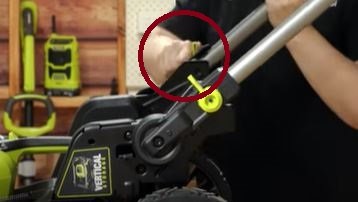
Credit: support.ryobi.com.au
Battery problems are the most common
A battery-powered mower needs a battery that can deliver real load, not just a charge indicator light. If the battery is old, too hot, too cold, or only partly charged, the mower may do nothing when you press the start control.
Try charging the battery fully, then reinstall it. If possible, test with another compatible battery. If one battery works and another does not, you have found the issue. That is usually faster than taking apart the mower.
The handle safety switch may not be engaged
Ryobi mowers often have a handle sensor or safety switch that prevents accidental startup. If the handle is not fully pulled into the correct position, the motor will stay off even though the battery is fine.
Check for a bent handle, loose latch, or damaged control bar. Even a small alignment problem can stop the switch from closing. This is one of those issues people overlook because the mower looks normal from a distance.
Wet grass or a clogged deck can overload the motor
If the blade is packed with grass, the mower may refuse to start or may start and shut down almost immediately. Wet grass creates more drag than dry grass, and a mower that was fine yesterday can struggle today.
Turn the mower off, remove the battery, and clear the underside of the deck. Never put your hands near the blade unless the battery is removed and the blade has completely stopped. For general outdoor power equipment safety, the CPSC has a helpful official outdoor power equipment safety guidance.
A locked or damaged blade system can stop startup
Sometimes the blade itself is stuck. A stick, rope, wire, or thick buildup can keep the blade from turning freely. Some Ryobi mowers also use electronic protection that shuts down the motor if it senses overload.
If you hear a click but nothing spins, the blade path may be blocked. Remove power first, then inspect the deck carefully. Never force the blade by hand if the battery is still installed.
Model differences you should know before you try again
Ryobi has several mower styles, and that changes how startup works. The broad idea is the same, but the controls are not identical. Knowing your model type helps you avoid the wrong sequence.
Push-button battery mowers
These are the easiest to start. You usually insert the battery, hold the safety bar, and press a button or trigger. The motor should start within a couple of seconds.
If the button does nothing, look for an indicator light. Some models flash a code or show a battery warning. That light is often more useful than the mower sound itself because it tells you whether the problem is power or control-related.
Self-propelled battery mowers
Self-propelled Ryobi mowers need one more control step. You must start the blade first, and then engage the drive system separately. If you try to move before the blade starts, it can feel like the mower is failing.
Also, self-propelled systems place more load on the battery. A battery that works on a basic model may seem weaker on a self-propelled mower, especially in thick grass.
Riding mowers
Ryobi riding mowers have more safety checks. The seat switch, brake position, and control setting all matter. If the seat sensor does not detect you, the mower may not start at all.
For riding models, always confirm the brake is set, the drive controls are in neutral, and the battery charge is strong enough for the larger motor load. A weak battery on a riding mower often shows up as slow cranking or complete silence.
What to do if the mower starts and then stops
This is a different problem from no-start. If the mower starts for a few seconds and then dies, the most likely cause is overload or a weak battery. That is the 80 percent case.
First, check grass height. If the lawn is too tall, mow in two passes instead of one. Raise the deck for the first pass, then lower it for the second pass if needed. Cutting more than one-third of the grass blade at once can stress the mower and the lawn.
Second, check the battery temperature. Battery packs can protect themselves by shutting down if they get too hot. Let the battery cool indoors for 20 to 30 minutes, then try again.
Third, inspect the underside of the deck. Even a thin mat of wet clippings can drag the blade enough to stop the motor. A clean deck makes a bigger difference than many new owners expect.
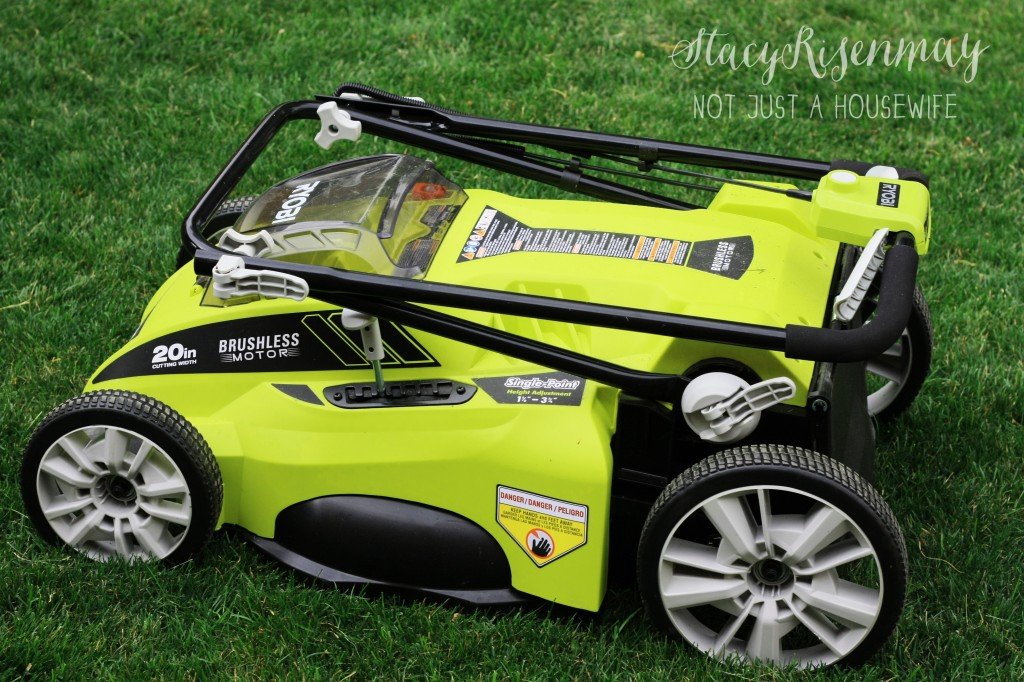
Credit: notjustahousewife.net
Simple troubleshooting order
- Fully charge and reinstall the battery.
- Hold the safety handle firmly and retry startup.
- Clear grass and debris from the deck.
- Raise the cutting height one setting.
- Test with a second battery if available.
- Look for warning lights or error signals.
This order works because it starts with the easiest fixes and moves toward deeper issues. That saves time and reduces the chance of opening the mower when you do not need to.
Common mistakes that stop a Ryobi mower from starting
Most startup failures come from small user mistakes, not major damage. The good news is that these are easy to fix once you know what to look for.
- The battery is charged, but not locked in place. A loose battery can break contact.
- The safety bar is only partly squeezed. Many models need a full, steady grip.
- The mower is trying to cut thick, wet grass on a low setting. That can overload the motor.
- The deck is packed with clippings. Even a small buildup can prevent startup.
- The battery is old and weak under load. This often appears only when the motor starts pulling current.
One non-obvious point: a battery can still show charge after it has aged, but its usable power drops. In real use, that means the mower may work for a short time and then fail under normal grass load. If your battery is a few seasons old, test it against a newer one before blaming the mower.
Another detail many people miss is handle alignment. If the mower was folded for storage or bumped in a garage, the control bar may not return to the exact starting position. That tiny shift can block the switch.
How to keep startup easy next time
A Ryobi mower starts more reliably when it is stored and maintained the right way. The goal is simple: keep the battery healthy, keep the deck clean, and avoid conditions that strain the motor.
Store the battery correctly
Remove the battery when the mower is not in use for long periods. Store it in a dry place away from extreme heat or cold. Very hot garages and freezing sheds can shorten battery life and reduce starting power.
Keep the battery contacts clean and dry. If dirt builds up on the contacts, the mower may lose power even when the battery itself is fine.
Clean the deck after mowing
Grass buildup is one of the easiest things to prevent. After the mower cools, wipe or brush away clippings from the deck, wheels, and underside. Do not spray water directly into electrical parts.
A clean deck reduces drag and helps the blade spin faster. That means easier startup and less strain on the motor during the next cut.
Use the right cutting habits
Do not cut very wet grass if you can avoid it. If the lawn is tall, raise the deck and take it down in stages. A mower that has to fight through too much grass is more likely to stall or refuse startup.
These habits also improve battery runtime. That matters because many startup complaints are really battery issues caused by heavy use the week before.
When the problem is likely mechanical or electrical
If you have tested the battery, checked the safety handle, cleared the deck, and the mower still will not start, the problem may be mechanical or electrical. At that point, listen and watch carefully.
No sound at all often points to a switch, connection, or battery issue. A click with no spin can point to a jammed blade, failed switch, or electronic protection mode. Repeated stopping can point to overload, overheating, or a weak battery pack.
If your mower is under warranty, avoid taking apart the motor housing. Opening sealed electrical parts can create a safety risk and may affect coverage. If you need model-specific repair steps or the correct control layout, check the official support pages for your Ryobi model before doing anything else.
The main takeaway is simple: start with the battery, then the handle, then the deck. That order solves most Ryobi mower startup problems without guesswork.
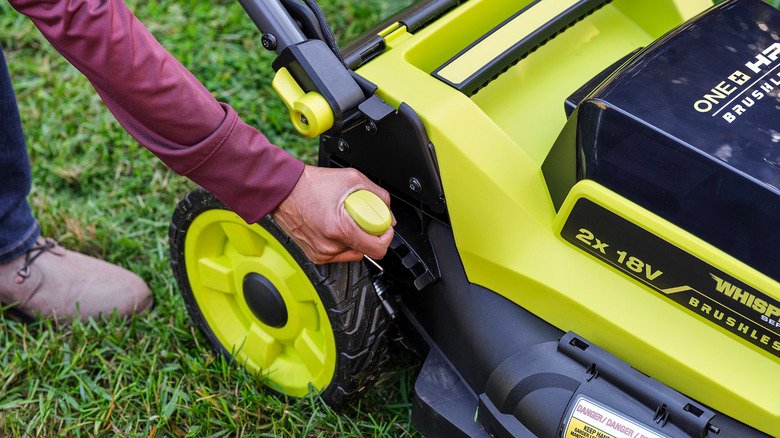
Credit: slashgear.com
FAQs
Why does my Ryobi mower not start even though the battery is charged?
A charged battery is only one part of the system. The battery may not be fully seated, the safety handle may not be engaged, or the deck may be overloaded with grass. Try reinstalling the battery, holding the safety bar firmly, and clearing any buildup under the deck.
How do I know if the battery is the real problem?
The fastest test is to try a different compatible battery if you have one. If the mower starts normally with the second battery, the first one is weak or failing. A battery that charges quickly but dies under load is a common sign of age.
Can I start a Ryobi mower without the safety handle?
No. The safety handle or bail bar is part of the mower’s safety system. It must be held in the correct position before the motor will run. This prevents accidental startup and helps protect the user.
Why does my mower start and then stop right away?
This usually happens because the mower is overloaded. Wet grass, a low cutting height, a clogged deck, or a weak battery are the most common causes. Raise the deck, clear clippings, and try again with a fully charged battery.
When should I stop troubleshooting and get help?
If the mower has no power after trying a known good battery, the battery contacts look damaged, or the motor makes unusual sounds, it is time to get service help. Do not keep forcing the start process if you smell burning, see smoke, or notice repeated electrical failure.