
Operating a riding mower feels easy once you understand the controls, but the first few minutes matter a lot. If you want to know how to operate Husqvarna riding lawn mower safely and smoothly, the key is learning the startup steps, steering habits, and shutdown routine before you ever cut grass.
Husqvarna makes several riding mower styles, including lawn tractors and zero-turn mowers, so the exact layout can change a little by model. Still, the basic process is similar: check the machine, sit down correctly, start the engine, engage the blades at the right time, mow in safe patterns, and shut everything down properly.
This guide walks you through those steps in plain English. You will also learn common mistakes beginners make, what each control does, and how to avoid damage to the mower, your lawn, and yourself.
Know the controls before you turn the key
Before starting, learn the controls on your specific Husqvarna model. Small differences in levers and pedals can change how the mower moves, turns, and stops. If you skip this step, you may press the wrong pedal, engage the blades too early, or try to start the mower in an unsafe position.
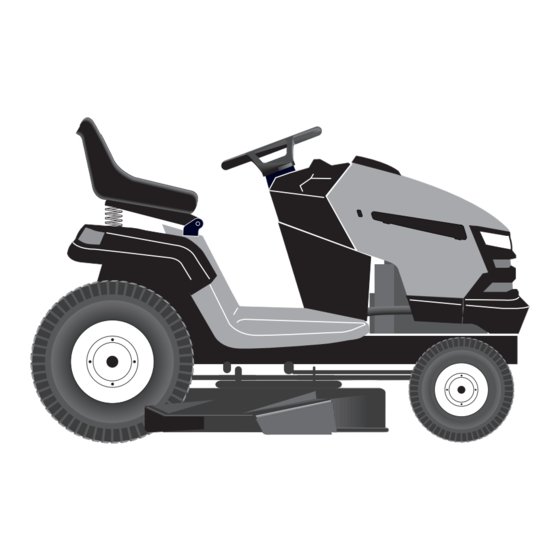
Most Husqvarna riding mowers have a steering wheel or lap bars, a blade engagement switch or knob, a parking brake, a throttle control, and a forward/reverse control. Some models also have a choke, hour meter, and cutting height lever. A quick look at the owner’s manual saves time and prevents mistakes. If you need the official guidance for your model, use the official Husqvarna support page.
These controls are not just there for convenience. They are part of the safety system. Many riding mowers will not start unless the operator is seated, the blade switch is off, and the parking brake is set. That design helps prevent accidents during startup.
Main controls you need to recognize
- Ignition switch — starts and stops the engine.
- Throttle — controls engine speed.
- Choke — helps start a cold engine on some models.
- Parking brake — keeps the mower from rolling.
- Blade engagement control — turns the cutting blades on and off.
- Forward and reverse pedals or levers — move the mower.
- Height adjustment lever — raises or lowers the deck.
- Seat safety switch — cuts power if the operator leaves the seat on many models.
One detail beginners often miss is that a mower can be “on” without the blades turning. That is normal. Another common surprise is that the engine may die if you stand up, even for a second, because the seat switch is doing its job.
Prepare the mower and the yard before starting
A mower runs better when the setup is right. Start with a quick inspection every time, even if you used it yesterday. A 2-minute check can prevent a bent blade, a clogged deck, or a stall in the middle of the yard.
Walk around the mower and look for loose debris, leaking fluid, low fuel, and damaged parts. Make sure the tires look evenly inflated and the deck is not packed with grass from the last cut. Remove sticks, toys, stones, and hoses from the lawn. A riding mower can throw objects with surprising force, even at moderate speed.
Also check the mowing area. Wet grass is slick and harder to cut cleanly. It can clog the deck and leave clumps. If the grass is damp, wait until later if possible. Dry grass gives you a cleaner cut and puts less strain on the engine.
Quick startup checklist
- Park on a flat surface.
- Set the parking brake.
- Make sure the blade control is off.
- Check the fuel level.
- Look for debris around the deck and wheels.
- Adjust the seat if needed.
- Confirm the mowing path is clear.
If your mower has a battery that has been sitting for a while, weak starting may happen more often. Battery issues are one of the most common reasons beginners think the mower is “broken,” when the real problem is simply low charge or corroded terminals.
Start the engine the safe way
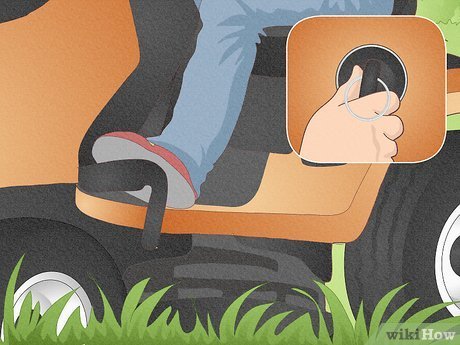
Now you are ready to start the mower. Sit fully in the seat and keep your feet away from the pedals unless the manual says otherwise. Set the parking brake, turn off the blade engagement control, and put the throttle in the recommended starting position.
On many Husqvarna models, a cold engine may need the choke for a short time. A warm engine usually does not. Turn the key or press the start control as directed by your model. If the engine starts, let it run for about 30 to 60 seconds before you move, especially if it is cold. That short warm-up helps oil circulate properly.
If the mower does not start, do not keep cranking it for long periods. That can drain the battery and stress the starter. Stop, reset the controls, and check the most likely causes: seat position, parking brake, blade switch, fuel, and battery.
Credit: manualslib.com
If the engine refuses to start
- Make sure the operator is seated firmly.
- Check that the parking brake is fully engaged.
- Confirm the blade switch is in the off position.
- Verify there is enough fuel in the tank.
- Check whether the battery is weak or the terminals are dirty.
Beginners often overlook one small safety interlock and assume the mower has a major failure. In reality, the machine may be protecting you by refusing to start until the controls are set correctly.
Move and steer the mower with control
Once the engine is running smoothly, release the brake only when you are ready to move. Ease into forward motion instead of pressing hard right away. Sudden starts make the mower jerk, which is uncomfortable and can damage turf or cause loss of control.
If your Husqvarna uses a steering wheel, turn gently and make wider turns than you would with a car. Riding mowers have a larger turning radius, especially lawn tractors. If your model is a zero-turn mower, steering works differently because each lap bar or control handle affects one drive wheel. That allows tighter turning, but it also demands practice.
Keep your speed moderate until you understand how the mower responds. On slopes, slow down even more. Avoid sharp turns on hills, because the mower can lose traction more easily when weight shifts to one side.
How to drive in a straight line
- Point the mower where you want to go.
- Release the brake smoothly.
- Press the forward control gently.
- Look ahead, not down at the hood.
- Keep your hands steady and make small corrections.
Looking far ahead helps you mow straighter lines. If you watch the front wheels too much, your path usually gets wavy. A good trick is to pick a tree, fence post, or corner of the house as a visual guide.
Engage the blades and mow in the right pattern
Start the blades only when you are in the mowing area and the deck is clear. Many operators make the mistake of turning the blades on while still near the driveway or sidewalk. That wastes time and increases the chance of throwing debris where people can walk.
Engage the blade control at a steady engine speed, then lower the deck to your cutting height if it is not already set. For most lawns, cutting too much at once causes stress on the grass and makes the mower work harder. A common rule is to remove no more than one-third of the grass height in a single mow. For example, if grass is 6 inches tall, try to cut it down to about 4 inches, not 2.
Overlap each pass slightly so you do not leave thin strips of uncut grass. Most homeowners get the cleanest result by mowing in long straight rows, then making wide turns at the end of each pass. If the grass is thick, slow your pace a little. That helps the blades cut evenly.
| Mowing situation | Better approach | Why it helps |
|---|---|---|
| Thick spring grass | Use a slower forward speed | Improves cutting and reduces clogging |
| Dry, normal-height lawn | Use steady, moderate speed | Gives even coverage and saves time |
| Sloped yard | Move slowly and mow across, not up and down when possible | Helps maintain traction and control |
| Uneven lawn | Raise the deck slightly | Reduces scalping on bumps |
One non-obvious tip: if the mower sounds like it is laboring, do not force a faster pace. The engine needs airflow and blade speed to cut well. When you push too fast, the result is often a patchy lawn and more clumps behind the deck.
Turn, reverse, and handle tight spaces safely
Turning a riding mower is not the same as turning a car. The rear end follows differently, and wide decks can clip flower beds, trees, and fence posts. Before each turn, slow down and plan the path. This is especially important near trees or landscaping edges.
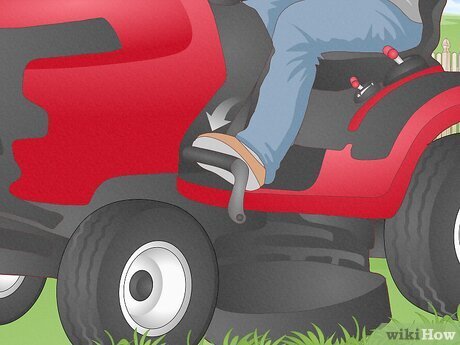
When you need to reverse, look behind you first. Never rely only on mirrors if your model has them. Check that no children, pets, or objects are behind the mower. Reverse slowly and only as much as necessary. Many riders waste time backing up too far, then re-adjusting, which increases the chance of bumping something.
For tight corners, make a wider pass and come back with a trimming tool later if needed. Beginners often try to cut every edge perfectly with the mower alone. That leads to awkward steering and missed safety checks. A clean, safe mow is better than a risky perfect edge.
Credit: wikihow.com
What to do on slopes
- Drive slowly.
- Avoid sudden turns.
- Do not stop abruptly on a hill unless you must.
- Keep the mower in a stable path.
- If the slope feels too steep, use a string trimmer instead.
Even a small slope can feel different when you are seated high above the ground. Trust the mower’s limits, not your confidence. If traction feels weak, back off and change direction.
Shut down, clean up, and store the mower properly
When the mowing is done, turn off the blades first and let them stop completely. Then move to a flat area, lower the throttle if needed, and switch off the engine. Set the parking brake before getting off the seat. This simple routine protects both you and the machine.
After shutdown, inspect the deck for built-up grass. A quick clean-out keeps the underside from clogging and helps the mower cut better next time. Do not reach under the mower deck unless the engine is off, the key is removed, and the blades are fully stopped. Better still, follow the official safety instructions for your model and the mower’s manual.
For storage, keep the mower in a dry place away from open flames or heat sources. If the mower will sit for weeks, check the fuel and battery condition according to the manufacturer’s recommendations. Fuel can go stale, and batteries can lose charge over time.
If you want general mower safety guidance, the official CPSC riding mower safety guidance is a useful reference for safe operation habits.
Common beginner mistakes to avoid
Most first-time problems come from rushing. The mower is not hard to operate, but it does reward careful habits. Three small mistakes cause a lot of trouble: starting with the blade engaged, mowing too fast, and skipping the pre-check.
Another common issue is cutting wet grass. Wet clippings stick under the deck, clog the chute, and leave uneven stripes. That is why many experienced operators wait for dry conditions whenever possible. A second mistake is turning too sharply. On riding mowers, tight turns can tear the turf and leave visible skid marks.
People also forget that cutting height matters. Setting the deck very low may look neat for one day, but it can stress the grass and make the lawn look yellow later. A better approach is to adjust height for the season and cut regularly instead of removing too much at once.
The mistakes that matter most
- Skipping the safety check before starting
- Driving too fast in thick or wet grass
- Making sharp turns on slopes
- Leaving debris under the deck
- Using the wrong cutting height for the lawn
One useful habit is to listen to the mower. Changes in engine sound often warn you before the cut quality drops. If the pitch changes suddenly, the deck may be clogged or the engine may be under heavy load.
How to operate Husqvarna riding lawn mower with more confidence
Once you understand the controls, the machine becomes much easier to use. The best way to build confidence is to keep the process the same every time: check the mower, start it correctly, move smoothly, mow at a steady pace, and shut it down in order. That routine reduces mistakes and keeps the lawn looking better.
The main goal is not speed. It is control. A mower that moves slowly and predictably usually gives a cleaner cut than one driven too aggressively. That is why learning how to operate Husqvarna riding lawn mower safely matters more than learning how to finish fast.
After a few sessions, the steps will feel automatic. You will know when the deck is right, when the grass is too wet, and when the mower needs a slower pass. That practical awareness is what turns a beginner into a capable operator.
Credit: wikihow.com
Frequently asked questions
1. How do I start a Husqvarna riding lawn mower for the first time?
Sit in the seat, set the parking brake, make sure the blade control is off, and follow the starting position in your owner’s manual. If the engine is cold, you may need the choke for a short time.
2. Why won’t my Husqvarna riding mower start?
The most common causes are an unseated operator, parking brake not set, blade switch left on, weak battery, or low fuel. Check those first before assuming there is a major problem.
3. Should I mow with the blades engaged all the time?
No. Turn the blades on only when you are in the mowing area and ready to cut grass. Turn them off before crossing driveways, gravel, or any place where debris could be thrown.
4. Can I drive a Husqvarna riding mower on a hill?
Yes, but only if the slope is within the mower’s safe limits and you drive slowly. Avoid sharp turns, and if the slope feels unstable, use another tool for that area.
5. How often should I clean the mower deck?
Check the deck after each use and clean off heavy grass buildup right away. A clean deck helps the mower cut better and reduces clogging on the next mow.