
If your mower starts hard, runs rough, loses power, or dies when the grass gets thick, the problem may not be the whole machine. In many cases, yamaha lawn mower engine problems begin with small things like bad fuel, dirty air filters, weak spark, or poor maintenance. These issues can look serious, but many are easy to find and fix if you know where to look first.
Yamaha engines are known for good design and steady performance, but even a strong engine can struggle if it is not cared for the right way. Grass clippings, old fuel, clogged cooling fins, and worn parts can slowly reduce performance. The good news is that most common problems follow a pattern. Once you learn that pattern, troubleshooting becomes much easier.
This guide explains the most common causes of engine trouble, simple fixes you can try, and maintenance habits that help prevent future damage. It is written for normal homeowners and small equipment users, not mechanics, so you can understand the problem without special training.
What Usually Goes Wrong First
Before you open the engine or replace parts, it helps to know which systems fail most often. Lawn mower engines depend on four things: clean fuel, clean air, strong spark, and good compression. When one of these weakens, the mower may still start, but it will not run well for long.
Many people chase the wrong problem first. For example, they may replace the spark plug even though the real issue is stale fuel. Or they may clean the carburetor when the air filter is the real restriction. A better approach is to check the easiest and most common causes first.
Signs that point to engine trouble
- Engine will not start at all
- Engine starts, then stalls after a few seconds
- Engine surges up and down at idle or while cutting
- Engine loses power in thick or wet grass
- Black smoke, white smoke, or strong fuel smell
- Hard pulling on the starter rope
- Knocking, rattling, or unusual vibration
These symptoms do not always mean a major repair. In many cases, the fix is simple and low-cost.
Fuel Problems Are Often the Real Cause
Old fuel is one of the most common reasons for yamaha lawn mower engine problems. Gasoline does not stay fresh forever. After a few weeks, it can break down and leave sticky deposits inside the carburetor and fuel system. If the mower sat unused for a while, fuel trouble should be one of the first things you check.
Common fuel-related causes
- Stale gasoline – Fuel that has been sitting too long burns poorly.
- Water in fuel – Moisture can enter from bad storage or condensation.
- Dirty fuel lines – Debris can block fuel flow.
- Clogged carburetor jets – Tiny passages can plug with varnish.
- Blocked fuel cap vent – A bad vent can stop fuel from flowing properly.
If your mower starts only with starting spray, then dies, fuel delivery is a likely issue. If it runs better on choke but worse when warmed up, the carburetor may be dirty or out of adjustment.
Fixing stale fuel and fuel flow issues
Drain old fuel from the tank and replace it with fresh gasoline. If the fuel is very old or smells sour, do not try to mix it with new fuel. That only spreads the problem. Check the fuel line for cracks, soft spots, or blockages. If the fuel filter is dirty, replace it.
If the carburetor is clogged, remove and clean it carefully. Use carburetor cleaner and compressed air if available. Do not force thin wires through tiny jets unless the manufacturer allows it, because that can damage the openings and make the problem worse.
For general guidance on safe fuel storage and engine care, you can also review the advice from the U.S. Environmental Protection Agency.
Non-obvious fuel tip many beginners miss
Even fresh fuel can cause trouble if it has too much ethanol for the engine or has been stored in a half-full container for months. A half-full can breathes in more moist air, which raises the chance of water buildup. Store fuel in a sealed container and use it sooner rather than later. This small habit prevents many future starting problems.
Airflow Problems Make the Engine Run Poorly
An engine cannot burn fuel correctly without enough air. A dirty air filter is simple, but it causes a surprising number of issues. When airflow drops, the engine may run rich, smoke, foul the spark plug, or lose power under load.
What to inspect
- Air filter dust, grass, or oil buildup
- Blocked air intake area
- Grass clippings packed around the engine housing
- Damaged filter housing or loose cover
Foam filters may be washable, while paper filters usually need replacement. If the filter is dark, damp, or falling apart, replace it instead of trying to reuse it. A clean filter costs little and can improve engine behavior quickly.
Cooling airflow matters too
Many owners focus on the intake filter but forget the cooling fins and fan area. Grass clippings and dirt can build up around the engine shroud and block cooling air. When this happens, the engine may overheat, lose power, or shut down during use.
Clean around the engine after mowing, especially in wet grass. Use a brush or compressed air, not a pressure washer. High-pressure water can push dirt deeper into the engine area and damage seals or electrical parts.
Spark and Ignition Issues
If fuel and air are both good, the engine still needs a strong spark at the right time. A weak or inconsistent spark can cause hard starting, rough running, or sudden stalling. Spark problems are common, but they are often easy to test.
Credit: mowerliving.com
Common ignition causes
- Worn or fouled spark plug
- Loose spark plug wire
- Incorrect spark plug gap
- Damaged ignition coil
- Bad engine stop switch or wiring fault
Remove the spark plug and inspect it. If the tip is black and sooty, the engine may be running too rich or the filter may be blocked. If the plug is wet with fuel, the engine may be flooded or not sparking well. If the plug looks cracked or badly worn, replace it.
Simple spark plug fix
Install the correct plug type for the engine, and set the gap to the specification in the manual. Tighten it properly, but do not overtighten. A loose plug can leak compression and make starting harder. A damaged plug wire should also be replaced, because a weak connection can cause random misfires.
Non-obvious ignition problem beginners miss
Sometimes the engine is not the problem at all. The safety stop system may be preventing spark if a control cable, switch, or blade brake mechanism is not engaging correctly. If you have fuel, air, and a good spark plug but still no start, check the safety controls before assuming the ignition coil is dead.
Carburetor Trouble and Why It Shows Up So Often
The carburetor is one of the most sensitive parts in small engines. It mixes air and fuel in the right ratio. If the mix is too rich or too lean, the mower will not run smoothly. Because carburetor passages are small, even a tiny amount of residue can create noticeable engine trouble.
Symptoms of carburetor problems
- Engine starts only with choke
- Surging at steady throttle
- Stalling when the blade engages
- Engine floods easily
- Poor acceleration
Many people replace the carburetor immediately. That can work, but a full replacement is not always needed. Cleaning is often enough if the body is still in good condition.
Cleaning vs replacing
If the engine has been sitting for a long time and the carburetor is coated with fuel residue, cleaning may restore normal operation. If the float is damaged, the gasket is brittle, or the internal parts are corroded, replacement is often the smarter move.
Be careful with adjustment screws. Some engines have factory-set mixtures that should not be changed unless the manual allows it. Turning screws at random can make the mower run even worse.
Compression and Internal Wear
When an engine has fuel, air, and spark but still struggles, compression may be the issue. Compression is the pressure needed for the fuel-air mix to ignite properly. Low compression usually points to more serious wear, but not always to a full engine failure.
Possible compression-related problems
- Worn piston rings
- Leaking valves
- Blown head gasket
- Carbon buildup on valves or piston crown
- Seized or partially seized engine parts
A simple test with a compression gauge can give useful clues. If compression is low, the engine may be hard to start, lack power, or refuse to run at all. In some cases, a valve adjustment or gasket replacement can help. In other cases, internal wear is too advanced for a quick repair.
What hard pulling on the starter can mean
If the starter rope feels unusually stiff, the engine may have carbon buildup, a damaged starter mechanism, or internal resistance from wear. Do not keep yanking hard on the rope. That can damage the starter assembly or make the problem worse. Find the cause first.
Blade and Deck Issues That Feel Like Engine Problems
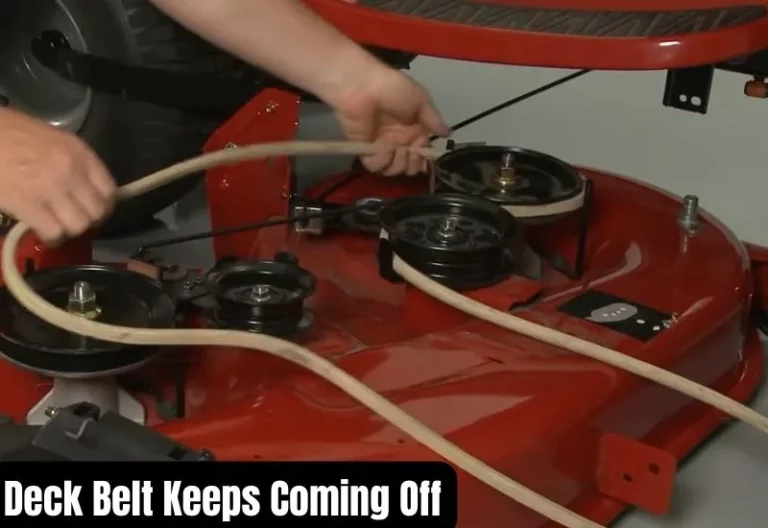
Sometimes the engine is blamed when the real problem is under the mower deck. A bent blade, packed grass, or a clogged deck can make the machine seem weak. The engine has to work harder when airflow under the deck is poor or the blade is damaged.
Credit: mowerliving.com
Check these parts
- Blade sharpness and balance
- Grass buildup under the deck
- Loose blade bolt
- Damaged blade adapter
- Improper cutting height for the grass condition
A dull blade tears grass instead of cutting it cleanly. That extra resistance can make the engine strain. If the deck is full of wet clumps, the mower may bog down even if the engine itself is healthy.
Practical tip
After each few mowing sessions, inspect the underside of the deck. Cleaning a little dirt often is much easier than scraping away a thick layer later. This is one of the simplest ways to reduce load on the engine and keep performance stable.
A Simple Troubleshooting Order That Saves Time
When you are dealing with yamaha lawn mower engine problems, do not guess randomly. Use a clear order so you do not waste time or money. Start with the parts that fail most often and cost least to fix.
- Check the fuel condition.
- Inspect the air filter and intake area.
- Remove and inspect the spark plug.
- Look at the fuel line, filter, and carburetor.
- Check the blade, deck, and grass buildup.
- If needed, test compression and internal wear.
This order works because it follows the basic engine needs: fuel, air, spark, and load. Most problems are found before step 6.
Regular Maintenance That Prevents Future Trouble
Good maintenance is the best way to avoid repeat breakdowns. Many engine problems are not sudden. They build slowly over time. A little care after each season can save a lot of repair work later.
Maintenance tasks that matter most
| Task | Why it matters | How often |
|---|---|---|
| Change or refresh fuel | Prevents gum and carburetor clogging | Before storage and with fresh seasonal use |
| Clean or replace air filter | Keeps airflow strong and protects the engine | Check every few uses |
| Inspect spark plug | Supports easier starting and smooth running | Once per season |
| Clean cooling areas | Prevents overheating and power loss | Regularly during mowing season |
| Sharpen and balance blade | Reduces engine load and improves cut quality | As needed, usually each season |
| Stabilize fuel for storage | Helps fuel stay usable longer | Before winter or long storage |
Storage mistakes that cause trouble later
One of the biggest mistakes is putting the mower away with old fuel in the tank and carburetor. Another is storing it in a damp place where rust can form. A third mistake is ignoring small leaks. Even a minor fuel leak or oil seep can become a bigger issue during storage.
If the mower will sit unused for weeks or months, clean it, drain or stabilize the fuel, and store it in a dry place. Disconnect the spark plug wire if the manual suggests it. These simple steps protect the engine and make the next start much easier.
When a DIY Fix Is Not Enough
Many engine problems are easy to handle at home. But some signs mean the mower needs a professional repair or deeper inspection. If the engine has severe internal noise, a locked crankshaft, heavy smoke, or repeated failure after basic fixes, stop pushing it too far.
Get help if you notice metal shavings in the oil, strong knocking sounds, or very low compression. Those are signs of real engine wear. Also seek service if you are not comfortable working with fuel systems or if a repair requires special tools you do not have.
Trying to force a failing engine to keep working can turn a repairable problem into a full replacement. It is better to stop early than to cause extra damage.
How to Make the Engine Last Longer
Long engine life usually comes from small habits, not big repairs. A mower that gets regular care can run much better for many years. The key is not only fixing problems, but preventing them before they start.
- Use fresh fuel and keep it sealed
- Do not leave dirty grass packed around the engine
- Keep the air filter clean
- Replace worn spark plugs on time
- Sharpen the blade instead of forcing a dull one
- Store the mower in a dry place
One useful habit is to listen to the engine when it first changes sound. A small surge, a slight rattle, or a harder start is often the first warning. Fixing it early is almost always easier than waiting until the mower refuses to run.
Another smart habit is to treat the carburetor as a precision part, not a rugged one. Small engines can be tough, but the carburetor is delicate. Clean fuel and proper storage protect it better than any quick repair after a long idle period.
Credit: lawnask.com
Final Thoughts
Most yamaha lawn mower engine problems come from a few common causes: stale fuel, weak airflow, bad spark, dirty carburetors, or simple load issues from the blade and deck. The good news is that these problems are often fixable without major tools or expert knowledge.
If you follow a clear order, start with the easiest checks, and keep up with basic maintenance, you can avoid many breakdowns. Fresh fuel, a clean air filter, a sharp blade, and a healthy spark plug solve more mower problems than most people expect.
When the engine shows deeper signs of wear, do not ignore them. A careful diagnosis early can save time, money, and frustration. With the right approach, your mower can stay reliable and ready for the cutting season.
FAQs
1. Why does my Yamaha lawn mower start and then die?
This usually means fuel is not reaching the carburetor correctly, or the carburetor is partly clogged. It can also happen if the air filter is blocked or the fuel cap vent is not working. Start with fresh fuel, then check the filter and carburetor.
2. What is the most common cause of Yamaha lawn mower engine problems?
Old or contaminated fuel is one of the most common causes. It can clog the carburetor, make starting hard, and cause rough running. Dirty air filters and worn spark plugs are also very common.
3. Can a dirty air filter stop the mower from starting?
Yes, it can. A badly clogged air filter can reduce airflow so much that the engine runs too rich or fails to fire properly. In many cases, cleaning or replacing the filter is a quick fix.
4. Why does my mower surge when I am cutting grass?
Surging often points to fuel mixture trouble, usually from a dirty carburetor or fuel flow restriction. It can also happen if the engine is working too hard because the blade is dull or the deck is clogged with grass.
5. How often should I service my Yamaha lawn mower engine?
Check the air filter and spark plug at least once per season. Clean the mower after use, keep fuel fresh, and inspect the blade regularly. If you use the mower often, a mid-season check is also a good idea.