
The Massey Ferguson 1705 is a small tractor, but it is built for real work. It is popular with small farms, hobby farmers, and property owners who want a compact machine with useful power. Like any tractor, it can develop problems over time. Some issues are simple and easy to fix. Others need careful checking before they turn into bigger repairs.
If you own this model, it helps to know the Massey Ferguson 1705 problems that show up most often. That way, you can spot the warning signs early, save money, and keep the tractor working when you need it most. Many “big” failures start as small faults, such as dirty filters, weak battery connections, low fluid levels, or worn belts.
This guide covers the common issues, why they happen, and what you can do about them. It also explains a few beginner mistakes that often make the problem worse. If you want a practical, easy-to-follow look at Massey Ferguson 1705 troubleshooting, this article will help.
Quick checks for Massey Ferguson 1705 hydraulic, PTO, clutch, and drive issues
| Symptom | Likely area | First check |
|---|---|---|
| Hydraulics feel weak or slow | Hydraulic fluid, filter, suction leak, pump, or relief valve | Check fluid level, filter age, hose leaks, loader response, and whether the three-point hitch also feels weak. |
| PTO will not engage or slips | PTO switch, clutch, linkage, safety circuit, or load issue | Test the switch and safety interlocks, then compare PTO behavior with and without an attachment load. |
| Transmission hesitates or will not select gear | Clutch adjustment, linkage, hydrostatic pedal, or range selector | Inspect pedal return, linkage travel, range lever position, and whether the issue appears in forward, reverse, or both. |
| Engine loses power while mowing or using implements | Fuel restriction, air filter, PTO load, overheating, or hydraulic drag | Replace clogged filters, clean screens, check radiator airflow, and test whether power loss starts only under PTO load. |
If the problem feels like a tractor-side clutch, PTO, or shuttle issue, compare symptoms with Mahindra tractor clutch problems, Mahindra tractor PTO problems, and Mahindra shuttle shift problems. The parts are different, but the diagnostic order is similar: confirm controls, fluid, linkage, and load before assuming an internal failure.
What usually goes wrong first
Most tractor problems do not begin with a major part failure. They start with basic wear, poor maintenance, or operating conditions that put stress on the machine. The Massey Ferguson 1705 is no different. In many cases, the first signs are small: slow starting, weak hydraulics, rough running, strange noises, or poor cutting performance from the PTO.
Before replacing parts, always check the simple things first. Fuel quality, air flow, battery health, fluid levels, and filter condition are often the real cause. That is one of the most useful lessons for owners: do not assume the most expensive part is the bad one. Many repair costs can be avoided by testing the basics in the right order.
| Common symptom | Likely cause | First fix to try |
|---|---|---|
| Hard starting | Weak battery, fuel issue, air in fuel system | Check battery voltage and fuel supply |
| Hydraulics feel weak | Low fluid, clogged filter, worn pump | Inspect hydraulic oil level and filter |
| Engine loses power | Dirty air filter, fuel restriction, injector issue | Check air and fuel filters |
| PTO will not engage well | Low fluid, linkage issue, clutch wear | Inspect linkage and fluid condition |
| Overheating | Dirty radiator, low coolant, belt problem | Clean cooling system and inspect belt |
Engine starting problems
Hard starting is one of the most common Massey Ferguson 1705 problems. The engine may crank slowly, crank normally but not fire, or start and stall after a few seconds. This can be frustrating, especially when the tractor was running fine the day before.
Why it happens
The most common causes are a weak battery, loose battery terminals, dirty fuel filters, bad fuel, or air trapped in the fuel system. Cold weather can also make starting more difficult. Diesel engines need strong battery power and clean fuel delivery. If one of those is weak, the engine may not start properly.
Another cause many owners miss is poor ground connection. A battery can test fine, but if the ground cable is loose or corroded, the starter may not get full power. That is a small detail, but it causes many “mystery” starting issues.
How to fix it
- Check battery voltage and charge it fully if needed.
- Clean both battery terminals and tighten all cable connections.
- Inspect the fuel filter and replace it if it is dirty or old.
- Make sure there is fresh diesel in the tank.
- Bleed the fuel system if air may be trapped inside.
- Test the starter if the engine still cranks slowly.
A useful habit is to write down when the tractor starts to act up. For example, does it happen after sitting for a week? Only in cold weather? Only when the tank is low? These patterns can point you to the real cause much faster than random part swapping.
Engine loses power or runs rough
If the tractor starts but feels weak, smokes more than normal, or runs unevenly, the engine is asking for attention. Power loss can show up while mowing, loader work, or pulling equipment. It may seem like the tractor is “tired,” but the problem is often simple.
Common causes
A dirty air filter is one of the first things to check. When the engine cannot breathe well, fuel burn becomes poor and power drops. Fuel restriction is another common cause. A clogged filter, water in fuel, or a weak fuel pump can all reduce performance. Injector wear can also cause rough running, especially if the machine has many operating hours.
One less obvious issue is overloading. A compact tractor can feel weak if the implement is too large, the soil is too heavy, or the operator is working at too high a gear. Sometimes the tractor is not failing. It is just being pushed beyond its comfortable range.
How to fix it
- Replace the air filter if it is dirty or soaked with dust.
- Replace fuel filters on schedule.
- Drain contaminated fuel and refill with clean diesel.
- Check for fuel leaks or cracked lines.
- Inspect injectors if smoke, rough idle, or hard acceleration continue.
Non-obvious tip: do not clean a heavily clogged paper air filter and expect it to work like new. In many cases, replacement is the better choice. A damaged filter may still look acceptable, but airflow can remain restricted.
Hydraulic system feels weak
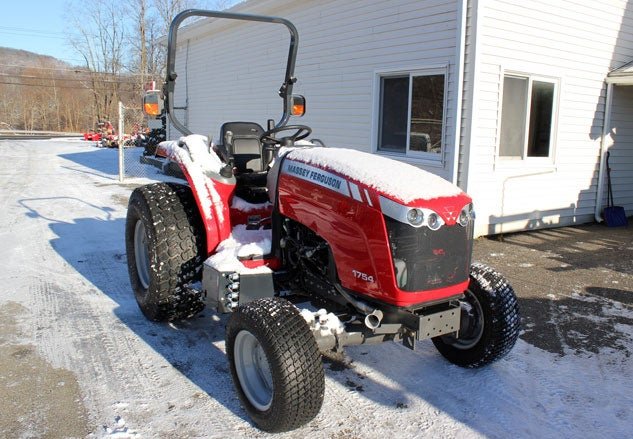
The hydraulic system on a Massey Ferguson 1705 helps with lifting, steering support, and other tasks that depend on smooth pressure. When it gets weak, owners often notice slow loader response, poor lift strength, or jerky movement. This can make the tractor feel less useful very quickly.
Credit: tractor.com
Why hydraulics lose strength
Low hydraulic fluid is a major reason. A leak anywhere in the system can reduce pressure. Dirty or old hydraulic oil can also cause poor flow and wear. A clogged hydraulic filter may restrict movement and make the system slow. In some cases, the pump itself wears out and can no longer build enough pressure.
Another mistake is mixing up symptoms. A weak lift does not always mean the pump is bad. Sometimes the problem is in a valve, a hose, or the cylinder seal. That is why starting with fluid level and filter condition saves time.
How to fix it
- Check the hydraulic fluid level on level ground.
- Look for leaks under the tractor and around hoses.
- Replace the hydraulic filter if it is overdue.
- Use the correct fluid type recommended for the tractor.
- Test lift response after service.
If the tractor is still weak after these steps, pressure testing may be needed. That is the point where a technician can measure whether the pump is producing the right output. For broader maintenance guidance, the Massey Ferguson tractor information page can be useful for model context and specifications.
Overheating during work
Overheating is a serious problem because it can damage the engine fast. If the temperature gauge climbs too high, the tractor should be stopped and checked. Never keep working and hope it will cool down on its own. Heat damage can become expensive very quickly.
Common causes of overheating
Most overheating problems come from restricted cooling airflow, low coolant, a slipping belt, or a dirty radiator. Dust, grass, and chaff can block the radiator fins. When that happens, air cannot move through the cooling system properly. A loose or worn belt can also reduce water pump performance.
Low coolant is another simple but dangerous cause. If the coolant is low because of a leak, the engine may overheat even if the tractor seems to run normally at first. Thermostat failure or a worn water pump can also contribute.
How to fix it
- Clean debris from the radiator and screen.
- Check coolant level when the engine is cool.
- Inspect hoses for cracks or soft spots.
- Check the belt for wear and proper tension.
- Replace the thermostat if overheating continues without an obvious reason.
Important detail: do not clean the radiator with very high pressure from too close a distance. That can bend the fins and make cooling worse. Use gentle air or water pressure and clean carefully.
PTO problems and poor engagement
The PTO is important when using mowers, tillers, and other powered implements. If it does not engage smoothly, slips, or stops unexpectedly, work becomes difficult and unsafe. PTO problems can come from hydraulic issues, linkage wear, or operator control faults.
What causes PTO trouble
Low fluid levels can affect PTO performance on some setups. Worn linkage, damaged switches, or a faulty clutch mechanism may also keep the PTO from engaging fully. In some cases, the problem is not in the PTO itself but in the control system that tells it to engage.
Owners sometimes ignore the early signs. The PTO may start with a delay, make a strange sound, or feel rough under load. These warnings usually appear before full failure. Catching them early can prevent more damage.
How to fix it
- Check hydraulic or transmission fluid level.
- Inspect PTO control linkage for wear or sticking.
- Look for damaged wiring or switch faults if the tractor uses an electric control.
- Test the PTO with a light load before full work.
- Ask a technician to inspect clutch or internal parts if slipping continues.
Transmission and drive issues
Transmission trouble is not always as common as engine or hydraulic issues, but it can be one of the most frustrating. If the tractor shifts poorly, jerks, or will not move as expected, stop and investigate. Driving with transmission problems can increase wear fast.

Credit: tractor.com
Signs to watch for
Hard shifting, gear grinding, delayed movement, or strange noises during travel all deserve attention. Low or dirty fluid can cause poor gear operation. Linkage adjustment problems may make the controls feel wrong. In some cases, the clutch may not fully disconnect, which makes shifting difficult.
What to check first
- Transmission fluid level and condition
- Clutch pedal free play
- Shifter linkage movement
- Signs of leaks under the tractor
- Any unusual noise when changing speed
One common beginner mistake is forcing the shifter. That can make a small problem worse. If a gear is hard to engage, stop, recheck the clutch movement, and inspect the system instead of pushing harder.
Electrical faults that keep coming back
Electrical issues can be hard to trace because they often appear random. One day the tractor starts fine. The next day it will not crank, a light stops working, or a gauge gives a bad reading. These problems may look serious, but many come from simple corrosion or poor contact.
Usual causes
Loose battery terminals, damaged wiring, blown fuses, failed relays, and corroded connectors are common. Vibration and moisture can slowly damage connections. Over time, that leads to voltage loss and intermittent faults.
Some owners replace parts too quickly when the real issue is a dirty connector. A simple voltage drop test can reveal where power is being lost. That is a better approach than guessing.
How to fix it
- Inspect battery cables and clean all corrosion.
- Check fuses and relays one by one.
- Look for cracked insulation or rubbed wires.
- Test switches if a circuit only fails sometimes.
- Use dielectric grease on clean connectors to help prevent moisture issues.
Common maintenance mistakes that create bigger problems
Many Massey Ferguson 1705 problems are not caused by design faults alone. They start because routine care was delayed or done the wrong way. A tractor can work for a long time with light neglect, but eventually the system begins to show stress.
Problems owners often create without meaning to
- Using old fuel that collects moisture.
- Skipping filter changes because the tractor still “seems fine.”
- Running low on coolant or hydraulic fluid.
- Using the wrong fluid type.
- Ignoring small leaks until they become major failures.
Another overlooked issue is storage. A tractor parked outdoors without proper protection can develop rust, electrical corrosion, and fluid contamination faster than expected. Even a simple cover and dry storage space can reduce future repair work.
How to troubleshoot in the right order
The best repair work follows a clear order. Do not start with major parts unless the simple checks already passed. That saves money and avoids wasted labor.
- Check fluid levels first.
- Inspect filters and clean air paths.
- Test battery and cable health.
- Look for leaks, loose parts, and visible wear.
- Try the tractor again and note what changed.
- Move to deeper diagnostics only if the problem remains.
This process works because many failures are connected. For example, weak starting may come from a battery, but the battery may have gone flat because of a charging issue. Or poor hydraulic lift may begin with old fluid, then reveal pump wear later. The first problem is not always the whole problem.
When to call a technician
Some repairs are safe for owners with basic tools. Others need a trained technician. If the tractor overheats repeatedly, loses pressure, has internal transmission noise, or shows major electrical faults, professional diagnosis is the smarter choice.
Call for help when the issue is unsafe, gets worse quickly, or needs special testing tools. That includes pressure tests, injector work, charging system diagnostics, and internal drivetrain checks. A good repair job is not just about fixing the fault. It is also about finding the real cause so the same issue does not return.
Credit: tractor.com
Keeping the 1705 reliable over time
The best way to reduce Massey Ferguson 1705 problems is steady care. Small habits make a big difference. Check fluids regularly. Replace filters on time. Keep the radiator clean. Store the tractor in a dry place. Listen for new sounds before they become loud ones.
Also, do not ignore changes in how the tractor feels. If it starts slower than before, lifts more slowly, or runs hotter in normal work, that is useful information. Machines usually warn you before they fail. The owners who catch those warnings early spend less time and money on repairs.
In the end, this tractor can remain dependable for a long time if you treat small issues early. Most faults are manageable when you understand the system and use a simple troubleshooting order.
FAQs
1. What are the most common Massey Ferguson 1705 problems?
The most common issues are hard starting, weak hydraulics, overheating, rough engine performance, PTO trouble, and electrical faults. Many of these start with basic maintenance issues like dirty filters, low fluid, or weak battery connections.
2. Why does my Massey Ferguson 1705 crank but not start?
This usually points to fuel delivery trouble, air in the fuel system, a weak battery, or poor electrical connections. Check battery power first, then fuel filters and fuel quality before moving to deeper diagnosis.
3. What should I check if the hydraulics are weak?
Start with hydraulic fluid level, leaks, and the condition of the hydraulic filter. If those look fine, the pump, valve system, or cylinder seals may need inspection.
4. How do I stop my Massey Ferguson 1705 from overheating?
Keep the radiator clean, check coolant levels, inspect the belt, and make sure the cooling fins are free from dust and grass. Overheating should never be ignored because it can damage the engine quickly.
5. When should I take the tractor to a mechanic?
Take it to a mechanic if the problem is unsafe, keeps coming back, or needs pressure testing, electrical diagnosis, or internal engine or transmission work. If basic checks do not solve the issue, expert help is usually the fastest path.