
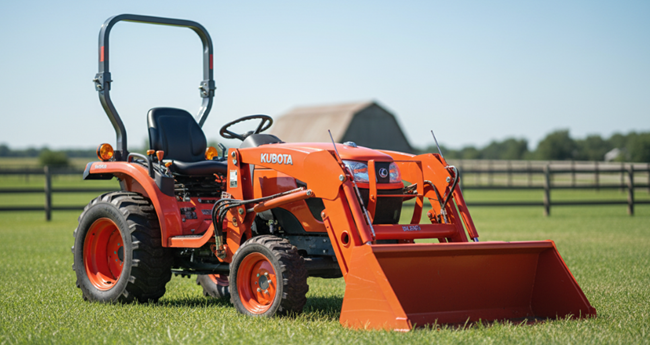
The Kubota BX23S is a popular sub-compact tractor because it is small, strong, and useful for many jobs. It can mow, dig, lift, and move dirt. Many owners like it for home projects, small farms, and property care. But like any machine, it can also have problems after some use.
If you are searching for kubota bx23s problems, you are likely dealing with a real issue or want to avoid one before it starts. The good news is that many common problems are simple. They often come from small maintenance misses, worn parts, dirty fluids, or normal adjustment needs. In many cases, the fix is not as bad as it first looks.
This guide explains the most common BX23S issues, why they happen, and what you can do about them. You will also learn a few warning signs many new owners miss, plus practical fixes that can save time and money.
What usually goes wrong on a BX23S
The BX23S is a reliable machine, but a few systems tend to create trouble more often than others. These include the hydrostatic drive, loader hydraulics, battery and charging system, 3-point hitch, mower deck, and backhoe attachment. Most problems start small. If you catch them early, the repair is usually easier and cheaper.
One important point many owners miss is that a “problem” is not always a failed part. A loose connection, low fluid level, dirty filter, or incorrect pedal adjustment can feel like a major breakdown. That is why it helps to check simple causes first before replacing parts.
Common signs you should not ignore
- Slow hydrostatic response
- Weak lifting power on the loader or backhoe
- Hard starting or dead battery
- Strange whining, knocking, or squealing noises
- Mower deck vibration or uneven cutting
- 3-point hitch that raises slowly or not at all
- Fluid leaks under the tractor
Hydrostatic transmission problems
One of the most common kubota bx23s problems is hydrostatic drive trouble. The BX23S uses a hydrostatic transmission, or HST, which is smooth and easy to use. But if it feels weak, jerky, or slow, something is not right.
Typical symptoms include delayed movement, reduced travel speed, poor hill climbing, or a loud whining sound from the transmission area. Sometimes the tractor seems to lose power after getting warm. Other times, it works fine in the morning and feels weak later in the day.
Why it happens
- Low hydrostatic fluid level
- Dirty or clogged hydraulic filter
- Wrong fluid type
- Air in the hydraulic system after service
- Worn drive belt or tension issue
- Brake drag caused by an adjusted or stuck brake
What to do
Check fluid level first. Low fluid can cause weak drive, noise, and heat. Next, inspect the hydraulic filter and change it if maintenance is overdue. Make sure the tractor has the correct Kubota-approved fluid. Wrong fluid can change how the HST feels and may cause poor performance in cold or hot weather.
If the tractor has just been serviced, air may still be trapped in the system. Run the machine carefully and cycle the controls as recommended in the owner’s manual. If the problem continues, check for brake drag or belt wear.
Helpful insight
Many owners think the transmission is failing when the real issue is heat buildup. If the tractor is working hard in tall grass, mud, or long loader jobs, the HST can feel weaker after a while. Give the machine short rest periods and keep the cooling area clean.
Loader and hydraulic lift issues
The front loader and backhoe depend on hydraulic pressure. If either one lifts slowly, struggles under load, or does not move smoothly, the cause may be in the hydraulic system. This can be one of the more frustrating problems because it affects many jobs at once.
Main causes
- Low hydraulic fluid
- Clogged suction screen or filter
- Air in hydraulic lines
- Worn hydraulic pump
- Leaking couplers or hoses
- Relief valve issues
How to diagnose it
Look for fluid leaks first. Even a small leak can reduce pressure over time. Check quick-connect couplers and hose connections. A coupler that is not fully seated can create weak performance and strange movement. Also listen for a pump whining sound, which can point to low fluid or air in the system.
If both the loader and backhoe feel weak, the problem is likely system-wide. If only one attachment is acting up, the issue may be local to that attachment or its connection points. That helps narrow the fix.
Best fixes
- Top off or replace hydraulic fluid with the correct type.
- Clean or replace the hydraulic filter.
- Inspect hoses for cracks, wet spots, and loose fittings.
- Reconnect couplers firmly and make sure they are clean.
- Bleed air from the system after service if needed.
Battery and starting problems
Hard starting is another common issue. Some BX23S owners face a tractor that clicks, cranks slowly, or does not start at all. This can happen in cold weather, after long storage, or when the battery is aging.
One detail that beginners often miss is that a tractor battery can look fine and still be weak under load. A weak battery may still power lights, but it may not have enough strength to turn the starter properly.

Credit: mrmotorproblems.com
Why the tractor will not start
- Weak or dead battery
- Corroded battery terminals
- Loose ground connection
- Faulty safety switch
- Bad starter relay or starter motor
- Fuel system issue on diesel models
What to check first
Start with the battery. Clean both terminals and tighten the cables. Check the ground cable where it connects to the frame. Corrosion there can cause a no-start issue that looks much worse than it is. If the battery is more than a few years old, have it load tested.
Also make sure safety switches are working. The BX23S will not start if it does not sense the correct pedal, seat, or range position. These safety systems protect the operator, but they can also fail or become misaligned.
Practical tip
If the tractor sits for long periods, use a battery maintainer. Short trips and light work may not recharge the battery fully. A maintainer is a simple way to avoid many starting complaints.
PTO and mower deck issues
The mower deck is often one of the most used attachments on the BX23S, so problems here are common. Owners may notice uneven cuts, blade vibration, belt noise, or a deck that will not engage properly.
A bad cut does not always mean the blades are worn out. In many cases, the issue comes from deck setup, belt condition, or grass buildup under the housing.
Common mower deck symptoms
- Uneven cutting height
- Vibration during mowing
- Belt squeal or slippage
- Deck does not engage smoothly
- Grass clumping under the deck
- Blades leaving uncut strips
Likely causes
- Dull or bent blades
- Loose belt or worn pulley
- Incorrect deck height setting
- Deck not level side to side
- Built-up wet grass under the deck
- Damaged spindle bearing
How to fix it
Sharpen or replace blades first. Then clean the deck well underneath. Check belt tension and inspect pulleys for damage. Make sure the deck is leveled correctly according to the manual. Even a small level problem can leave stripes in the grass.
If vibration continues, a spindle bearing may be worn. That is a problem you should not ignore, because it can damage the deck further if the mower keeps running in that condition.
3-point hitch problems
Another issue many owners report is a 3-point hitch that raises slowly, drops too fast, or does not lift enough. This can make it hard to use rear implements like box blades, grading tools, or seeders.
What causes it
- Low hydraulic fluid
- Air in the system
- Control valve issue
- Worn lift links or pins
- Incorrect hitch adjustment
- Internal hydraulic wear
What to check
First, confirm the hydraulic fluid level. Then inspect the hitch arms and link points for wear or damage. Sometimes the arms seem weak because of binding at the joints, not because of hydraulic failure. Grease the moving points if needed and see whether movement improves.
If the hitch raises but drops too fast, the lowering control may be out of adjustment or the hydraulic system may be leaking internally. That is a more serious issue and may need dealer service.
Non-obvious insight
Some owners overload the hitch without realizing it. The BX23S is strong for its size, but it is still a compact machine. A heavy rear tool can make the hitch feel weak, especially if the implement is far behind the tractor and creates extra leverage.
Backhoe problems
The backhoe is one of the BX23S’s biggest strengths, but it can also reveal issues fast. If the backhoe feels slow, jerky, or weak, the problem may be in the hydraulic supply, the control valves, or wear in the pins and bushings.
Common backhoe complaints
- Slow boom or dipper movement
- Weak digging power
- Jerky control response
- Excess play in the joints
- Hydraulic oil leaks around cylinders or hoses
Why it happens
Backhoes demand a lot from the hydraulic system. If fluid is low, dirty, or overheated, performance drops quickly. Worn pins and bushings can also make the hoe feel sloppy even when the hydraulics are working correctly. Sometimes the machine is not truly weak; it just has too much mechanical looseness in the attachment.
Fix approach
- Check hydraulic fluid and filter condition.
- Inspect all hoses and cylinder seals for leaks.
- Grease the pivot points regularly.
- Replace worn pins or bushings if there is too much play.
- Make sure the backhoe is mounted and locked correctly.
If you want the manufacturer’s guidance for service intervals and fluid requirements, the Kubota official website is the best place to confirm model details.
Overheating and performance loss
Heat can create many different kubota bx23s problems. When a compact tractor gets too hot, it may lose power, make more noise, or act less responsive. The BX23S has a small frame, so cooling system care matters a lot.
Credit: tractorpartscentral.com
Why overheating happens
- Dirty radiator screen or cooling fins
- Debris packed around the engine
- Low coolant level
- Fan belt issue
- Long heavy-duty use without rest
How to prevent it
Clean the radiator screen often. This is one of the simplest but most important habits. Grass, dust, and chaff can block airflow fast, especially in mowing season. Also inspect the area around the radiator and engine bay for buildup. Even a small layer of debris can raise operating temperature.
If the tractor starts losing power after it warms up, do not keep pushing it hard. Let it cool, then inspect the cooling system. A small cooling problem can become a larger engine issue if ignored.
Fluid leaks and seal wear
Fluid leaks are common on many tractors, and the BX23S is no exception. You may notice wet spots under the machine, oily dust on hoses, or drops around fittings and seals. Some leaks are minor. Others can point to bigger wear.
Where leaks often appear
- Hydraulic hose connections
- Quick couplers
- Loader cylinders
- Backhoe cylinder seals
- Transmission or axle areas
How to respond
Clean the area first so you can see the source clearly. A dirty leak is hard to track. After cleaning, run the tractor and watch for fresh oil. Tighten fittings only if they are meant to be tightened. Do not overtighten hydraulic components, because that can create new damage.
If a seal is leaking, replacement is usually the real fix. Temporary top-offs are not enough. A recurring leak can lower fluid level, cause hot running, and lead to more expensive damage later.
Electrical and safety switch problems
Electrical issues on the BX23S are often simple but annoying. The tractor may refuse to start, the PTO may not engage, or a warning light may appear. Safety switches are often part of the reason.
Common electrical causes
- Weak battery
- Bad fuse
- Loose connector
- Corroded ground
- Faulty seat or range switch
- Wiring damage from vibration or debris
Smart troubleshooting order
Check the battery and main fuses first. Then inspect connectors near moving parts and areas exposed to water or dirt. Safety switches should be checked if the tractor behaves as if a condition is not met, even when it is. These switches are useful, but they can be sensitive to dirt and misalignment.
One useful habit is to inspect wiring every season. Vibrations, loader movement, and backhoe use can slowly loosen connections. Finding a loose plug early can save a long repair search later.
How to avoid many BX23S problems
The best way to deal with trouble is to prevent it. Most kubota bx23s problems do not start as major failures. They begin with skipped maintenance or a small issue that gets ignored.
Simple maintenance habits that help a lot
- Check engine oil, hydraulic fluid, and coolant regularly.
- Clean the radiator screen after dusty or grassy work.
- Grease loader and backhoe pivot points on schedule.
- Inspect belts, hoses, and cables for wear.
- Keep battery terminals clean and tight.
- Store the tractor in a dry place when possible.
Two things many owners miss
First, operating habits matter as much as service intervals. Running hard at full load for long periods creates heat and stress, even if the tractor is new. Short rest breaks can help.
Second, small leaks and slow changes are warning signs. A tractor rarely fails all at once. It usually tells you first through noise, heat, slow response, or a change in feel. If you notice those signs early, you can often stop a bigger repair.
When to call a dealer or mechanic
Some issues are safe to handle at home. Others need a trained technician. If the tractor has repeated hydraulic failure, severe overheating, internal transmission issues, or electrical faults you cannot trace, get professional help. Also call a technician if you suspect pump failure, internal cylinder damage, or a brake problem that affects safe operation.
Do not keep using the tractor if you hear grinding, see metal in the fluid, or notice sudden loss of power. Those are signs of deeper damage. Early service is almost always cheaper than continued use.

Credit: backyardcorner.com
Final thoughts on BX23S reliability
The BX23S is still a strong and dependable tractor for its size. Most problems are not random. They are usually tied to fluid condition, maintenance, wear, or setup. That is good news, because it means many issues can be prevented or fixed without major cost.
If you own this machine, the best approach is simple: watch for small changes, keep up with service, and check the easy things first. That habit alone will solve many common problems and keep the tractor working well for years.
FAQs
1. What are the most common kubota bx23s problems?
The most common issues are hydrostatic transmission weakness, hydraulic lift problems, battery and starting trouble, mower deck vibration, and 3-point hitch issues. Most of these come from low fluid, worn parts, dirty filters, or poor adjustment.
2. Why does my BX23S feel weak after it warms up?
This often points to heat buildup, low hydraulic fluid, a clogged filter, or a transmission system that is under stress. Clean the cooling system, check fluid levels, and inspect the filter before assuming a major failure.
3. Why will my BX23S not start sometimes?
Intermittent starting problems are often caused by a weak battery, dirty terminals, loose ground connections, or a safety switch issue. If the engine cranks slowly or clicks, test the battery first.
4. Why is my BX23S mower deck cutting unevenly?
Uneven cutting usually comes from dull blades, incorrect deck leveling, belt wear, or grass buildup under the deck. Start by cleaning the deck and checking blade condition and belt tension.
5. Is the Kubota BX23S reliable overall?
Yes, the BX23S is generally considered a reliable sub-compact tractor. Most problems are manageable if you stay on top of maintenance and fix small issues early.