
If you own a compact tractor, you already know how useful it is for mowing, digging, hauling, and daily farm work. The Kubota BX2200 is a small machine, but it can do a lot. Like any older tractor, though, it can develop problems over time. Some are simple. Some need a careful check. And some look serious, but the fix is easier than most owners expect.
This guide explains the most common kubota bx2200 problems, what usually causes them, and how to fix them in a practical way. The goal is simple: help you understand the symptoms fast, avoid guesswork, and save time and money. You will also learn a few things many beginners miss, like how one small fuel or electrical issue can create several different “big” problems.
If you want a reliable source for general maintenance guidance, Kubota’s official support resources are a good place to start: Kubota Service & Support.
Start by looking at the symptom, not the whole tractor
When a BX2200 acts up, the first mistake is to assume the worst. Many owners think a loss of power means engine failure, or that a no-start issue means a bad starter. In reality, older compact tractors often have simple problems that affect multiple systems at once.
For example, dirty fuel can cause hard starting, rough idle, weak power, and white smoke. A weak battery can make the starter sound bad, but the real issue may be poor charging. A clogged air filter can feel like a fuel problem. This is why symptom-based diagnosis matters so much.
Before replacing parts, ask these basic questions:
- Does the problem happen only when cold, only when hot, or all the time?
- Did it start suddenly or slowly get worse?
- Does it happen under load, at idle, or during travel?
- Did anything change recently, such as fuel, oil, battery, or attachments?
Those answers often point you in the right direction much faster than random part swapping.
Engine problems that show up most often
The engine is where many kubota bx2200 problems begin. The good news is that most engine complaints come from fuel, air, or maintenance issues rather than serious internal damage.
Hard starting or no-start condition
A BX2200 that cranks but does not start usually has one of these causes: weak battery, bad glow plug system, air in the fuel system, clogged fuel filter, or fuel shutoff problems. On diesel engines, clean fuel delivery is critical. Even a small restriction can cause a no-start.
Easy fix: check battery voltage first. If the battery is weak, charge or replace it. Then inspect the fuel filter and replace it if it looks dirty or old. Bleed the fuel system if air may have entered after a filter change or fuel drain. Also make sure the glow plugs and their wiring are working correctly in cold weather.
Non-obvious insight: many owners chase starter issues when the real problem is fuel drain-back. If the tractor sits for long periods, fuel may slowly move back toward the tank, leaving the injection system with air. That creates a hard-start condition that looks electrical, but is actually fuel-related.
Rough idle, shaking, or misfiring
Rough running often means the engine is not getting clean fuel or enough air. Dirty injectors, water in fuel, a partially blocked fuel line, or an air filter packed with dust can all cause unstable idle. If the tractor shakes more than usual, check for uneven engine speed or a clogged filter first.
Easy fix: replace the fuel filter, drain any contaminated fuel, and inspect the air filter. If the problem continues, inspect the fuel lines for cracks or loose clamps. Water contamination is common on machines that sit outdoors or use stored fuel that is not sealed well.
Excess smoke from the exhaust
Smoke color matters. Black smoke usually means too much fuel or not enough air. White smoke often points to poor combustion, especially during cold starts. Blue smoke usually means oil is entering the combustion chamber.
Easy fix: for black smoke, check the air filter and intake path first. For white smoke, check glow plug operation and fuel quality. For blue smoke, inspect oil level and look for signs of worn engine components or valve seal issues.
Non-obvious insight: black smoke under load does not always mean the engine is “too rich” in the same way a gasoline engine would be. On a diesel, it often means the engine is starved for air or overloaded. A mower deck set too low in thick grass can create smoke even when the engine is healthy.
Loss of power
If the BX2200 starts fine but feels weak while mowing, climbing, or pulling, the most common causes are clogged filters, restricted intake, poor fuel flow, or simple overloading. A diesel tractor that runs well at idle may still struggle under load if fuel delivery drops off.
Easy fix: clean or replace the air filter, replace the fuel filter, and check the fuel tank cap vent. A blocked cap vent can create a vacuum in the tank and reduce fuel flow. Also confirm that the throttle is opening fully and the governor linkage moves freely.
Cooling system issues that are easy to miss
Overheating can do real damage, so it should never be ignored. On compact tractors, overheating often starts small and gets worse slowly. Many owners only notice it when the temperature climbs during mowing or hauling.

Credit: plantnative.org
Tractor runs hot after a short time
Dirty radiator fins, low coolant, a weak fan belt, or a clogged screen can cause heat buildup. Grass, dust, and chaff can block airflow more than many people expect, especially if the tractor is used for mowing.
Easy fix: shut the engine off and clean the radiator screen, grill, and fins carefully with compressed air or low-pressure water. Check coolant level when the engine is cool. Inspect the belt for looseness or cracking. If the belt slips, the water pump may not circulate coolant properly.
Overheating only during heavy work
Sometimes the BX2200 stays cool at idle but gets hot when the load increases. That usually means airflow or coolant circulation is marginal. A partially clogged radiator may still cool enough at low load, then fail when demand rises.
Easy fix: look deeper than the outside screen. Dirt can lodge between the radiator and the oil cooler. Clean both sides if possible. Check for coolant leaks around hoses and clamps. If the machine has not had coolant service in years, a full flush may help.
Many owners forget that a clean-looking radiator on the front can still be blocked behind the grille. That hidden dirt is one of the sneakiest kubota bx2200 problems because the tractor appears fine until it works hard.
Hydraulic and transmission concerns
The BX2200 relies on hydraulic systems for steering, lifting, and transmission functions. If the oil level, filter, or suction side has a problem, the tractor may act weak or noisy even if the engine is running well.
Slow or weak hydraulic response
If the loader, three-point hitch, or steering feels sluggish, low hydraulic fluid is a first check. A dirty hydraulic filter or contaminated fluid can also reduce pressure and flow.
Easy fix: verify fluid level with the tractor parked on level ground. Use the correct fluid type recommended by Kubota. Replace the hydraulic filter if it is due. If the system improves after warm-up, that can point to old fluid or a partially restricted filter.
Hydraulic noise or whining
A whining pump often means air in the system, low fluid, or a suction leak. A suction leak may not drip fluid externally, so it can be hard to spot. The pump may draw air instead of oil, which creates noise and weak performance.
Easy fix: check all hose connections, seals, and clamps on the suction side. Look for foamy fluid in the reservoir, which can suggest air entry. Do not keep running the tractor hard if the pump is noisy for a long time, because air can shorten pump life.
Transmission feels weak or inconsistent
If the tractor drives poorly, hesitates, or changes behavior as it warms up, the problem may be linked to hydraulic fluid condition, filter restriction, or pedal linkage adjustment. On compact tractors, a transmission issue can sometimes be mistaken for an engine problem.
Easy fix: inspect the pedal and linkage movement, check fluid level, and make sure the filter is not overdue. If the issue came on after fluid service, recheck the fluid type and fill level carefully. The wrong fluid can cause strange performance.
Electrical problems that cause confusing symptoms
Electrical issues are common on older tractors because vibration, moisture, and corrosion slowly affect wires, switches, and connectors. Many starting and charging complaints are actually electrical, even when they seem mechanical.
Battery keeps dying
A battery that loses charge after sitting may be weak, but parasitic drain or charging system trouble can also be the cause. A loose ground cable or corroded terminal can make the problem worse.
Easy fix: clean battery terminals, inspect ground connections, and test charging output. If the battery is old, replace it before chasing smaller issues. An aging battery can create misleading symptoms that look like starter or alternator failure.
Starter clicks but does not crank
Clicking usually means the starter is not getting enough current, or the starter solenoid is not engaging properly. Sometimes the engine is difficult to turn because of a mechanical issue, but most of the time it is a low-power problem.
Easy fix: check battery voltage under load. If voltage drops sharply, the battery may be weak. If the battery is good, inspect cable ends and grounds for corrosion. Also test the safety switches, because a failed seat or range switch can interrupt the start circuit.
Lights, gauges, or dash behave strangely
Flickering lights or unstable gauges often mean poor grounding or a bad connection, not a major failure. Water intrusion and oxidation are common in older connectors.
Easy fix: inspect harness connections, clean terminals, and protect them with dielectric grease where appropriate. If the hour meter or warning lights act strangely after rain or washing, moisture may be entering a connector.
Non-obvious insight: intermittent electrical faults are often caused by vibration, not constant failure. That means the tractor may work fine in the shop and fail in the field. Gently moving wiring by hand while testing can reveal hidden loose connections.
Steering, brakes, and control issues
These systems affect safety, so they deserve quick attention. Some problems are caused by worn linkages or low fluid, while others come from adjustment issues that develop gradually.

Credit: farmergrows.com
Steering feels stiff or uneven
Stiff steering can come from low hydraulic fluid, air in the system, or mechanical wear in the front-end components. On a BX2200, muddy work and rough ground can also put extra strain on steering parts.
Easy fix: check fluid first, then inspect the front tires for pressure differences. Uneven tire pressure can make steering feel much worse than it really is. If the problem remains, inspect tie rods, joints, and steering cylinder movement.
Brakes do not hold well
Weak brakes may result from adjustment wear, contamination, or internal brake problems. If one side works better than the other, that often points to uneven wear or linkage issues.
Easy fix: inspect brake pedal free play and adjust according to the manual. Look for oil contamination around seals or axle areas. If the brakes suddenly feel different, stop using the tractor until you find the cause.
Controls feel loose or hard to move
Stiff or sloppy controls are often caused by lack of lubrication, dirt buildup, or worn pins and bushings. This is common on older compact tractors used for outdoor work year-round.
Easy fix: clean the control area, lubricate pivot points, and inspect worn linkage parts. Small amounts of maintenance here can make the tractor feel much newer.
Table of common symptoms and likely causes
| Symptom | Most likely cause | First fix to try |
|---|---|---|
| Hard starting | Weak battery, glow plug issue, fuel air leak | Test battery, inspect fuel filter, bleed fuel system |
| Rough idle | Dirty fuel, clogged filter, air restriction | Replace filters, check air intake |
| Loss of power | Restricted fuel or air flow | Check filter, fuel cap vent, and intake |
| Overheating | Blocked radiator, low coolant, slipping belt | Clean cooling system, inspect belt, top off coolant |
| Weak hydraulics | Low fluid, dirty filter, air in system | Check fluid, replace filter, inspect hoses |
| Battery drain | Bad battery, charging problem, parasitic draw | Test charging output and clean terminals |
Why some problems come back after a “fix”
One reason owners feel frustrated is that a repair seems to work for a short time, then the issue returns. This usually means the root cause was not found. A new battery will not solve a bad alternator. A new fuel filter will not solve water in the tank. Cleaning the radiator will not fix a slipping belt.
Another common mistake is replacing one part without checking the system around it. For example, a weak start may be blamed on the starter motor, but corroded cable ends may be the real issue. The tractor may work briefly after a part swap because the connection was disturbed during repair, not because the real fault was fixed.
To avoid repeat problems, always check the full path:
- For starting issues: battery, cables, switches, starter, fuel delivery
- For power loss: air intake, fuel supply, throttle control, load level
- For overheating: airflow, coolant level, belt tension, radiator cleanliness
- For hydraulic issues: fluid level, filter, suction leaks, hose condition
Simple maintenance that prevents many BX2200 troubles
The best way to reduce kubota bx2200 problems is not to wait for failure. A few regular habits prevent many of the most common issues.
Use clean fuel and store it well
Diesel fuel that sits too long can collect water and contamination. Buy fuel from a trusted source, keep containers sealed, and avoid using old fuel if it looks cloudy or smells sour.
Keep the cooling system clean
After mowing or dusty work, clean the grille and radiator area. This takes only a few minutes and can prevent serious heat buildup later.
Check fluid levels often
Low oil, coolant, or hydraulic fluid should never be ignored. Small leaks grow over time, and many problems begin with levels that are just a little too low.
Inspect batteries and cables before the season starts
Battery trouble often appears when the tractor is needed most. Clean the terminals, test the battery, and make sure the charging system is working before heavy use begins.
Do not overlook tires
Uneven or low tire pressure can affect steering, traction, and even how the tractor handles a load. It can also make the machine seem underpowered when the real issue is poor traction.
When it is time to stop troubleshooting and get help
Some problems can be fixed at home with simple tools and careful checking. But there are times when professional help makes sense. If the engine has metal noise, the tractor loses oil rapidly, the hydraulic system becomes very noisy, or the tractor will not start even after basic checks, it is safer to call a qualified technician.
Also get help if you are not sure about fuel bleeding, hydraulic pressure testing, or electrical diagnosis. Guessing can turn a small issue into a larger repair. A good repair shop can usually find the real cause faster once basic maintenance items have already been checked.
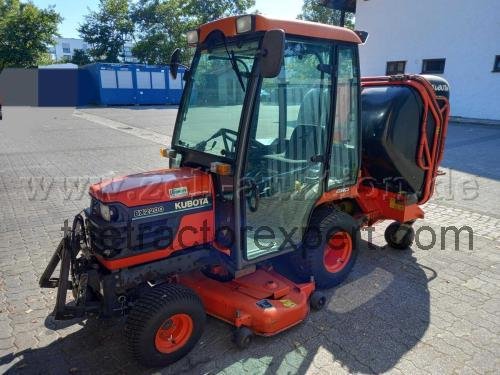
Credit: thetractorexpert.com
Final thoughts on keeping the BX2200 dependable
The Kubota BX2200 is a dependable compact tractor, but age, use, and poor maintenance can create issues that feel bigger than they really are. Most problems are caused by fuel restrictions, air restrictions, weak electrical connections, low fluid, or dirty cooling parts. That is why a simple, step-by-step check usually works better than replacing parts at random.
If you focus on symptoms, inspect the basic systems first, and keep up with routine maintenance, many of the most common issues become easy to manage. In other words, most kubota bx2200 problems are not mysterious. They are usually warnings that one small system needs attention.
FAQs
1. What is the most common Kubota BX2200 problem?
The most common issue is usually hard starting or weak running caused by fuel, battery, or filter problems. Dirty filters, weak batteries, and air in the fuel system are very common on older tractors.
2. Why does my BX2200 start hard when it is cold?
Cold-weather starting trouble often comes from weak glow plugs, a tired battery, old fuel, or air in the fuel system. Check the battery first, then inspect the glow plug circuit and fuel filter.
3. Why does my tractor lose power when mowing?
Loss of power under load often means the air filter is dirty, the fuel filter is restricted, or the radiator is clogged. Heavy grass can also overload the tractor if the deck is set too low.
4. What should I check first if the hydraulics are weak?
Check the hydraulic fluid level first, then inspect the filter and hoses. Low fluid or air in the system is often the reason a loader or three-point hitch feels slow.
5. Can poor maintenance cause most Kubota BX2200 problems?
Yes. Many problems come from skipped service, dirty filters, old fuel, weak batteries, and clogged cooling parts. Regular checks prevent a large share of common issues and help the tractor last longer.