
If you own a Kohler CV742 engine, you already know it can be a strong and reliable workhorse. It is used in many riding mowers and outdoor machines, and when it runs well, it gives smooth power with very little drama. But like any small engine, it can develop problems over time.
The most common kohler cv742 problems are usually not random. They often come from fuel trouble, weak spark, dirty air flow, low compression, or simple wear in older parts. The good news is that many of these issues can be found and fixed without replacing the whole engine.
In this guide, you will learn the most common CV742 issues, why they happen, how to diagnose them step by step, and which fixes actually work. You will also see a few beginner mistakes that can waste time and money if you do not catch them early.
What the Kohler CV742 engine is supposed to do
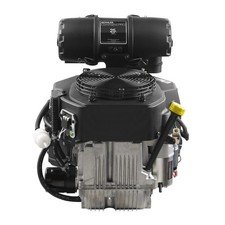
The Kohler CV742 is a V-twin engine designed for steady performance under load. It is commonly found in lawn tractors and other outdoor equipment where consistent power matters. When it is healthy, it should start without long cranking, idle smoothly, and stay strong when cutting grass or climbing light slopes.
Most engine complaints are easy to understand if you break them into a few systems:
- Fuel system — sends clean fuel to the carburetor and cylinders
- Ignition system — creates spark at the right time
- Air intake — lets the engine breathe correctly
- Compression and valves — help the engine build power
- Cooling and lubrication — keep heat and wear under control
That simple split matters because many people guess at the problem too early. They buy a carburetor, then a coil, then a fuel pump, without checking the basics first. A smarter approach saves time.
Common Kohler CV742 problems and what causes them
1. Hard starting or no start
This is one of the most common kohler cv742 problems. The engine may crank but not fire. Or it may start only after many tries and a lot of choke.
Common causes include:
- Old fuel
- Dirty carburetor jets
- Weak spark
- Bad spark plugs
- Clogged fuel filter
- Failed fuel pump
- Loose safety switch connections
One detail many beginners miss is that a fuel problem can look like an ignition problem. If the spark plug is dry after cranking, the engine may not be getting fuel. If the plug is wet, fuel may be present but ignition may be weak. That small clue helps narrow the search fast.
2. Engine starts but dies soon after
If the engine starts and then stalls after a few seconds or minutes, the issue is often fuel delivery or carburetor restriction. Sometimes the choke helps it keep running, which is a strong sign of a lean fuel condition.
Likely causes are:
- Partially clogged main jet
- Blocked fuel cap vent
- Weak fuel pump
- Dirty carburetor bowl
- Vacuum leak at intake gasket
A blocked fuel cap vent is easy to overlook. When the vent fails, fuel flow slows down as a vacuum builds in the tank. The engine may run for a short time, then quit. Loosening the gas cap briefly is a quick test.
3. Rough idle and sputtering
A CV742 that shakes, surges, or sputters at idle is often telling you that the air-fuel mix is not right. The engine may also run unevenly under light load.
Common causes include:
- Dirty idle circuit in the carburetor
- Vacuum leak
- Dirty air filter
- Bad spark plug
- Low-quality fuel
One non-obvious issue here is old fuel varnish. Even if the fuel looks normal, stale gasoline can leave sticky residue inside the carburetor. This residue often blocks tiny passages that control idle. That is why an engine can run at full throttle but idle badly.
4. Loss of power under load
If your engine starts and idles fine but loses power when cutting thick grass, climbing, or engaging the mower blades, the problem may be more serious than dirty fuel. It can also point to weak compression or overheating.
Possible causes include:
- Clogged air filter
- Restricted exhaust
- Carburetor fuel starvation
- Worn valves
- Low compression
- Ignition coil failing when hot
This is one of the cases where heat matters. Some failing coils work when cold but break down after the engine warms up. That creates a confusing pattern: the mower runs for 10 to 20 minutes, then fades or shuts off, then restarts later when cool.
5. Backfiring or popping
Backfiring is usually a sign that fuel is burning at the wrong time. It may happen through the exhaust or intake, and it often points to a lean mixture or ignition timing issue.
Causes may include:
- Fuel mixture too lean
- Dirty carburetor
- Loose intake gasket
- Bad spark timing from ignition trouble
- Exhaust leak
If the engine backfires during shutdown, some of it may be normal on older engines, but repeated popping under load usually means a problem should be checked sooner rather than later.
6. Excessive smoke
Smoke tells you a lot. The color matters.
| Smoke color | Common meaning | What to check first |
|---|---|---|
| Blue | Burning oil | Oil level, worn rings, valve seals, tilted engine use |
| Black | Too much fuel | Carburetor setting, choke stuck, dirty air filter |
| White | Possible coolant issue or condensation | Less common on this engine; inspect for unusual signs |
Blue smoke is often seen after long storage, but if it stays after warm-up, oil control may be failing. Black smoke usually means the engine is running rich, which wastes fuel and can foul the spark plug.
How to diagnose the problem step by step
A good diagnosis starts simple. Do not jump straight to major repairs. Use a clean, logical order.
Credit: ebay.com
Step 1: Check the fuel
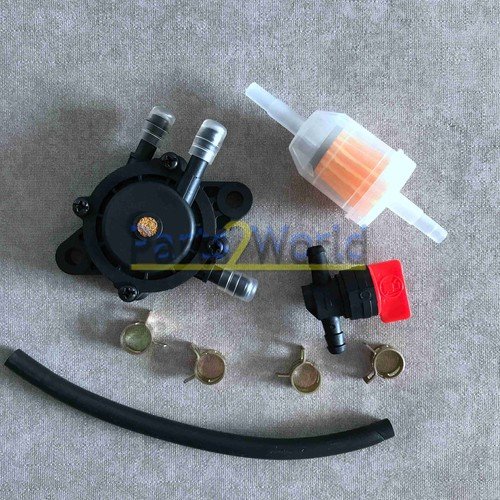
Drain old gasoline if it has been sitting for months. Fresh fuel solves more starting issues than people expect. Also check the fuel line for cracks, kinks, or soft spots.
If you want a reliable general reference on fuel storage and engine care, the Kohler resources page can be useful for official product guidance and maintenance information.
Step 2: Inspect the spark plug
Remove the spark plug and look at it closely. A healthy plug should not be heavily blackened, soaked in oil, or cracked. Check the gap if you have the correct tool.
Useful plug clues:
- Dry and clean — may mean no fuel is reaching the cylinder
- Wet with fuel — fuel is present, spark may be weak
- Black and sooty — mixture may be too rich or plug is old
- Oily — engine may be burning oil internally
Step 3: Test for spark
Use a spark tester if possible. A weak or inconsistent spark can look almost normal in open air, but fail under compression. That is why a proper tester is better than guessing by sight.
Step 4: Check air flow
Inspect the air filter and intake path. A clogged filter can choke the engine and cause rich running, smoke, and power loss. Also check for debris near cooling fins and around the blower housing.
Step 5: Look at the carburetor
If the fuel, spark plug, and air filter seem fine, the carburetor is a strong suspect. Remove the bowl, inspect for dirt, and clean the jets carefully. Small passages can clog without visible damage.
Do not enlarge jets with wire or drill bits. That is a common mistake. It changes fuel flow and can make the engine run worse.
Step 6: Consider compression and valves
If the engine still struggles after fuel and spark checks, compression testing may be needed. Low compression can come from worn rings, valve leakage, or head gasket issues. Engines with valve problems may crank normally but feel weak or uneven.
Fixes that usually solve the most common issues
Replace stale fuel and clean the fuel path
Drain old fuel, clean the tank if needed, and replace brittle fuel lines. Install a new fuel filter if the old one is dirty or unknown. Use fresh gasoline only. If fuel sits for long periods, add stabilizer before storage.
Clean or rebuild the carburetor
For many CV742 engines, carburetor cleaning is the main repair. Remove varnish, dirt, and deposits from the bowl, float area, and jets. If the carburetor is badly worn, a rebuild kit or full replacement may be the better choice.
Here is the important part: a carburetor that looks “clean enough” may still be blocked in one tiny passage. That is why the engine can improve a little but not fully recover after a quick spray-clean. Thorough cleaning matters more than speed.
Install a new spark plug
Spark plugs are inexpensive and often worth replacing early in the process. Use the correct type and gap for your engine model. If the old plug is fouled, a new plug may restore easy starts and cleaner idle.
Replace a weak ignition coil if hot failure is suspected
If the engine runs well cold but fails after warming up, an ignition coil may be breaking down. This is often tested by running the engine until it quits, then checking spark immediately. If spark is gone when hot, the coil becomes a likely suspect.
Fix vacuum leaks
Check intake gaskets, carburetor mounting surfaces, and hose connections. A small air leak can cause surging, lean running, and backfire. Replacing a cheap gasket can solve a big problem.
Clear cooling debris
Clean the engine shrouds, fins, and surrounding areas. Overheating can shorten ignition coil life and increase oil consumption. Grass buildup is not just dirt; it is a heat trap.
Common repair mistakes to avoid
Many people make the same mistakes when dealing with kohler cv742 problems. Avoiding them will save time and frustration.
- Replacing parts without testing — This is the fastest way to spend too much money.
- Using old fuel again — Fresh parts do not fix stale gasoline.
- Ignoring the fuel cap vent — A simple vent problem can copy a bad carburetor.
- Skipping the air filter — A clogged filter can make many symptoms worse.
- Cleaning carburetor jets roughly — Damaging small passages can create new problems.
- Forgetting heat-related failures — Some parts fail only after the engine warms up.
A second useful insight is that multiple small issues can happen at once. For example, a dirty air filter and a partly clogged carburetor may both be present. If you fix only one, the engine may still run poorly. That is why a full inspection works better than a single guess.

Credit: engine-specs.net
When the problem is more serious
Some CV742 problems are beyond simple maintenance. If the engine has low compression, heavy oil burning, or repeated overheating, the repair may require deeper mechanical work.
Watch for these signs:
- Hard starting even after fuel and spark checks
- Persistent blue smoke after warm-up
- Knocking or unusual internal noise
- Very weak power under all conditions
- Low compression on one or both cylinders
At that stage, valve service, head gasket repair, or internal engine work may be needed. For older equipment, it is worth comparing repair cost with the value of the machine.
Preventing future Kohler CV742 trouble
Good maintenance prevents many engine failures before they start. The best approach is simple and consistent.
- Use fresh fuel and avoid long fuel storage
- Replace the air filter regularly
- Change the spark plug on schedule
- Clean grass and debris from cooling fins
- Inspect fuel lines for aging or cracks
- Run the engine periodically during storage season
One often missed habit is storage prep. If the mower will sit for months, either drain the fuel system or use a quality stabilizer and run the engine long enough for treated fuel to reach the carburetor. That helps prevent varnish, which is one of the biggest causes of starting trouble later.
Quick symptom guide
If you want a fast starting point, match the symptom to the likely cause below.
| Symptom | Most likely cause | First fix to try |
|---|---|---|
| No start | No fuel, weak spark, bad plug | Check plug, fuel flow, and spark |
| Starts then dies | Fuel restriction or vent issue | Test gas cap vent and carburetor flow |
| Surging | Lean mixture, vacuum leak, dirty carb | Clean carb and inspect gaskets |
| Smoke | Rich mixture or oil burning | Check air filter, plug, and oil level |
| Power loss | Fuel starvation, heat, compression loss | Check filter, cooling, and compression |
This kind of symptom-first approach is helpful because it keeps you from replacing parts in the wrong order. Engines often give clues if you pay attention to when the problem happens, not just what the problem looks like.
Final thoughts
The most common kohler cv742 problems are usually not mysterious. In many cases, the engine is dealing with old fuel, a dirty carburetor, weak spark, poor air flow, or heat-related wear. Once you understand the system, the symptoms become much easier to read.
Start with the simple checks first. Fuel, plug, filter, spark, and air flow solve a large share of starting and running issues. If those areas are good and the engine still acts up, move deeper into compression, valves, and ignition performance when hot.
With a careful step-by-step approach, most CV742 troubles can be diagnosed without guesswork. That saves money, reduces downtime, and gives your machine a much better chance of running well again.
Credit: ebay.com
FAQs
1. What are the most common Kohler CV742 problems?
The most common problems are hard starting, stalling after start, rough idle, power loss, backfiring, smoke, and surging. In many cases, the cause is fuel system trouble, dirty carburetor passages, weak spark, or a clogged air filter.
2. Why does my Kohler CV742 start and then die?
This often happens when fuel flow is restricted. A blocked fuel cap vent, dirty carburetor, weak fuel pump, or clogged fuel filter can cause the engine to start briefly and then stall as fuel supply drops.
3. Can bad gas really cause CV742 engine problems?
Yes. Old gasoline can form varnish and clog tiny carburetor passages. It can also make starting harder and cause rough running. Fresh fuel often fixes or improves many common issues.
4. Why does my CV742 run rough only when hot?
A hot-running problem can point to an ignition coil that fails when warm, fuel vapor issues, or overheating caused by debris buildup. It can also happen if the fuel system is partly restricted and cannot keep up under load.
5. Should I clean or replace the carburetor first?
Cleaning is usually the first step if the carburetor is not damaged. Many CV742 problems come from dirt or varnish, not broken parts. If cleaning does not restore normal operation, then a rebuild or replacement may be the next step.