
If your Kawasaki engine starts acting strange, you are not alone. Many owners search for kawasaki fx1000v problems after noticing hard starts, rough idle, smoke, fuel trouble, or sudden loss of power. The good news is that most of these issues have clear causes and practical fixes.
The FX1000V is a strong commercial-grade engine, but even good engines can have trouble when fuel gets old, filters clog, valves wear, or small parts fail. In many cases, the engine is not “bad.” It is just asking for better care, correct adjustment, or a replacement part.
This guide breaks down the most common problems in simple words. You will learn what each symptom usually means, what causes it, and how to fix it before it becomes a bigger repair.
What usually goes wrong first
Most kawasaki fx1000v problems do not begin with a major failure. They usually start as small warning signs. The engine may crank but not start. It may run well for a few minutes, then stall. It may shake more than normal, or it may burn fuel too fast.
These symptoms often point to one of a few system areas:
- Fuel delivery
- Air intake
- Ignition
- Valve adjustment
- Cooling and lubrication
That is useful because it keeps you from guessing. If you test the right system first, you can save time and avoid replacing good parts.
Why this engine can be sensitive to small issues
The FX1000V is built for heavy work, so it expects clean fuel, clean air, and regular maintenance. A small problem that might not hurt a small homeowner engine can cause a noticeable issue here. For example, a weak battery or slight carburetor restriction may show up as hard starting, while an air leak may create unstable idle under load.
Non-obvious insight: Many owners replace parts too early. On this engine, a dirty fuel cap vent or partially clogged tank outlet can mimic a bad carburetor. Always check simple flow issues first.
Hard starting or no-start condition
One of the most common complaints is a starter that turns the engine, but the engine will not fire. Sometimes it starts only with choke, or only after several tries.
Likely causes
- Old or stale fuel
- Clogged fuel filter
- Dirty carburetor jets
- Weak spark plug or bad plug gap
- Low battery voltage during cranking
- Fuel shutoff or line restriction
How to fix it
- Check the fuel first. If fuel is more than 30 days old, drain and replace it with fresh gasoline.
- Inspect the fuel filter and fuel lines for blockage, cracks, or collapse.
- Remove the spark plug and inspect it. Clean it or replace it if it is worn, wet, or black.
- Confirm the battery is fully charged and the starter turns the engine at normal speed.
- If fuel reaches the carburetor but the engine still will not start, clean the carburetor.
Non-obvious insight: If the engine only starts with choke, that often means it is running too lean. That can come from a dirty carburetor, but it can also come from an air leak in the intake gasket or fuel line.
Common mistake to avoid
Do not keep cranking the engine for long periods. If it is flooded, extended cranking can wash the cylinder walls and make the problem worse. Short testing steps are safer and more useful.
Runs rough, surges, or hunts at idle
A smooth engine should hold a steady idle. If the RPM rises and falls, or the engine shakes at low speed, it usually means the fuel-air mix is not stable.
Likely causes
- Dirty carburetor passages
- Vacuum leak at the intake gasket
- Restricted fuel flow
- Incorrect idle setting
- Valve clearance out of spec
How to fix it
Start by checking the air filter and fuel filter. Replace either one if it is dirty. Then inspect the carburetor for dirt or varnish. If the problem continues, check intake gaskets and hoses for cracks or loose clamps.
If the engine still surges after fuel and air checks, valve clearance may be the real issue. Tight valves can cause unstable idle, poor compression, and warm-start trouble. This is a common issue on engines that have not been adjusted in a long time.
Practical tip: A rough idle is not always a carburetor problem. If the engine runs better at higher throttle but struggles at idle, that can point to a small vacuum leak or valve problem instead of a fuel clog.
Loss of power under load
If the engine starts and idles fine but bogs down while mowing, climbing, or working hard, the problem may only show up under load. This is one of the most frustrating kawasaki fx1000v problems because the engine may seem normal until you actually use it.

Credit: gardenistahub.com
Likely causes
- Restricted fuel delivery
- Dirty air filter
- Clogged exhaust or spark arrester
- Failing ignition coil
- Incorrect governor response
- Engine overheating
How to fix it
- Replace the air filter if it is dirty or oily.
- Check the fuel flow from tank to carburetor.
- Inspect the muffler and spark arrester for carbon buildup.
- Test the spark plug under load conditions if possible.
- Make sure cooling fins and fan housing are free from grass and debris.
Many owners overlook the exhaust side. A partially blocked spark arrester can reduce power a lot, especially during long jobs. It may still idle normally, which makes the problem easy to miss.
Non-obvious insight: Power loss can also come from heat soak. If the engine is packed with debris, it may run fine for 15 minutes and then lose strength as temperature rises.
Fuel system issues and carburetor trouble
Fuel system trouble sits near the top of the list for this engine. Modern fuel can cause trouble faster than many people expect. Ethanol blends absorb moisture, gum up passages, and leave sticky residue when the engine sits.
Common signs of fuel system trouble
- Engine starts, then dies
- Hard starting after storage
- Fuel smell around the engine
- Wet spark plug
- Poor throttle response
What to check
Look at the fuel cap vent, fuel lines, filter, and carburetor bowl. If fuel does not flow freely from the tank, the carburetor cannot do its job. If the bowl has dirt, water, or varnish, the jets may be blocked.
If cleaning is needed, do it carefully. Use clean carburetor cleaner and compressed air if available. Replace brittle gaskets and cracked fuel lines instead of trying to reuse them.
When replacement is better than cleaning
If the carburetor is heavily corroded or has been cleaned several times without lasting improvement, replacement may be the better option. Spending hours on a badly damaged carburetor often costs more than installing a quality replacement.
For official maintenance guidance, the Kawasaki Engines site is a useful reference.
Overheating and hot running
Heat is a serious issue for any air-cooled engine. The FX1000V depends on strong airflow over the cylinder fins and through the fan shroud. If airflow is blocked, the engine can run too hot and lose performance.
Likely causes
- Grass, dirt, or debris packed around the engine
- Broken or missing fan shroud parts
- Low oil level
- Dirty cooling fins
- Lean fuel mixture
How to fix it
- Shut the engine off and let it cool fully.
- Clean all debris from the engine housing, fins, and shrouds.
- Check oil level and top up if needed.
- Inspect the engine for missing covers or damaged fan pieces.
- If the engine still runs hot, check for lean fuel conditions.
Common mistake: Many people clean the outside of the mower but ignore the engine fins. Those hidden fins are critical. If they are packed with grass, overheating can return even after a full wash.
Excessive oil use or smoke
Blue smoke or frequent oil top-offs usually mean oil is entering the combustion chamber. This can happen for several reasons, and the color of the smoke helps narrow it down.
What the smoke color may mean
| Smoke color | What it may mean | What to check |
|---|---|---|
| Blue | Burning oil | Oil level, breather, piston rings, valve seals |
| Black | Too much fuel | Carburetor, choke, air filter |
| White | Possible fuel or condensation issue | Cold start behavior, fuel flooding, carburetor condition |
How to fix it
First, confirm the oil level is correct. Overfilling can cause oil to enter the breather system and create smoke. Then inspect the air filter and breather parts. If the engine was stored on its side, oil may also move into places it should not be.
If blue smoke continues after the simple checks, internal wear may be involved. Worn valve seals or piston rings can let oil past the combustion chamber. That is a bigger repair, but it should be verified before the engine is opened.
Non-obvious insight: A new smoke problem after service is sometimes caused by overfilled oil, not engine damage. Always check the dipstick method recommended for your setup before assuming a major failure.
Backfiring, popping, or exhaust noise
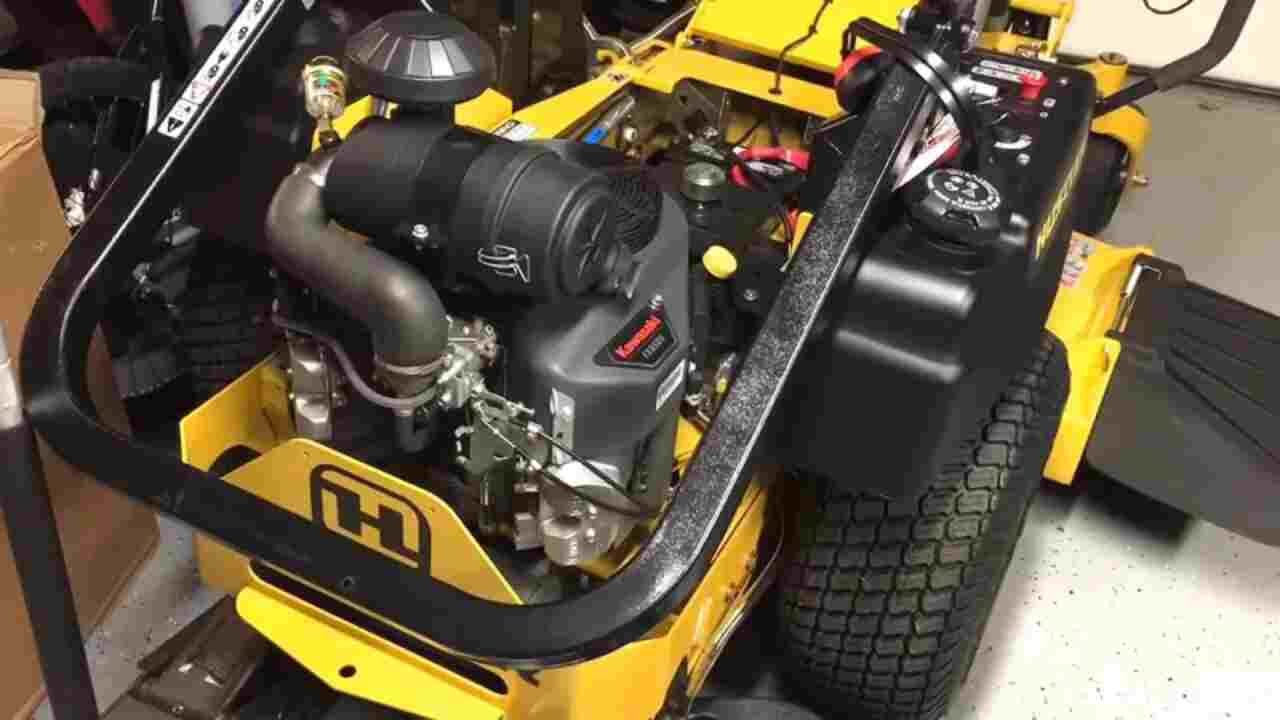
Backfiring often scares owners because it sounds serious. In many cases, it is caused by a lean fuel mix, an exhaust leak, or ignition timing problems.
Credit: motorbikeinsider.com
Likely causes
- Air leak in intake system
- Clogged carburetor circuit
- Loose muffler connection
- Bad spark plug
- Fuel cut-off from dirty lines or filter
How to fix it
Inspect intake boots and gaskets first. Tighten any loose exhaust hardware. Clean or replace the spark plug. If the engine pops during deceleration or at shutoff, check the carburetor mixture and fuel flow.
Backfiring should not be ignored. It may seem like a noise problem, but it often points to a condition that also hurts power and fuel economy.
Starter issues and cranking problems
Sometimes the engine itself is not the main problem. The starter, battery, cables, or interlock system may be the issue.
Likely causes
- Weak battery
- Corroded battery terminals
- Faulty starter solenoid
- Bad ground connection
- Seized or dragging starter motor
How to fix it
Clean battery terminals and make sure the connections are tight. Test battery voltage under load. If the engine cranks slowly, do not assume the battery is fine just because the lights work. Lights need much less power than the starter.
If the starter clicks but does not turn, check the solenoid and wiring. If the engine turns slowly by hand or seems hard to rotate, internal mechanical resistance may be present and should be checked before replacing electrical parts.
Electrical and ignition troubles
Ignition problems can look like fuel problems. The engine may crank but not fire, or it may run poorly only when hot.
Likely causes
- Worn spark plug
- Loose plug cap or wire
- Failing ignition coil
- Poor engine ground
- Damaged safety switch circuit
How to fix it
- Check the spark plug condition and replace it if needed.
- Make sure the plug boot is seated firmly.
- Inspect wiring for chafing or loose connectors.
- Test for spark if the engine will not start.
- If spark disappears when hot, test the coil after the engine warms up.
Heat-related ignition failure can be tricky. The engine may work when cold, then fail after 10 to 20 minutes. That pattern often points to a coil that breaks down under heat.
How to prevent recurring problems
Most repeated issues come from the same few habits: old fuel, dirty filters, skipped maintenance, and bad storage. A few simple habits can prevent many kawasaki fx1000v problems.
- Use fresh fuel and avoid long storage with fuel in the tank.
- Replace the fuel filter on schedule.
- Keep the air filter clean.
- Check oil level before each major use.
- Clean engine fins and the blower housing regularly.
- Inspect spark plugs at normal service intervals.
Practical tip: If the machine will sit for weeks, use a fuel stabilizer or drain the system according to the manufacturer’s recommendation. Storage is where many carburetor problems begin.
When a repair shop makes sense
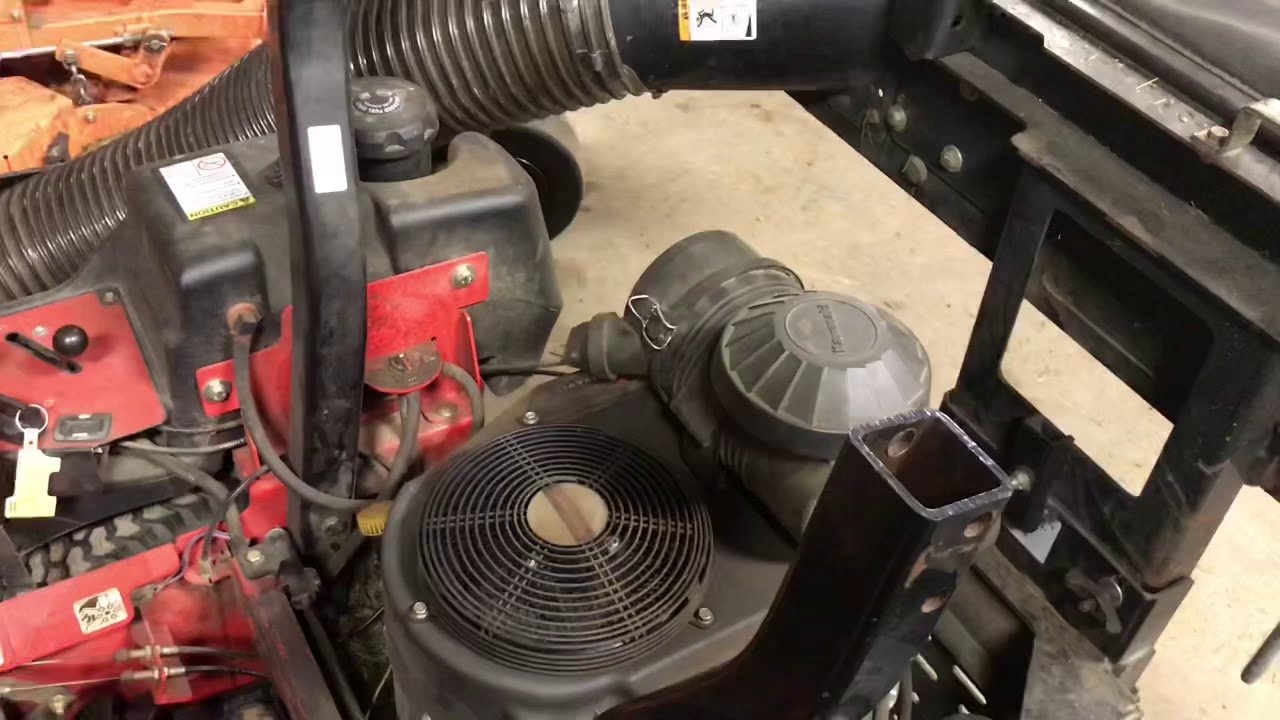
Not every problem should be handled at home. If the engine has low compression, repeated stalling after all basic checks, metal noise, or oil consumption that does not improve, a deeper diagnosis is needed.
Professional service is a smart choice when you need:
- Compression testing
- Valve adjustment
- Carburetor rebuild or replacement
- Ignition coil testing
- Internal engine inspection
If you have already checked fuel, air, spark, oil level, and compression is still poor, the issue may be internal wear. At that point, guessing becomes expensive.
Credit: motorbikeinsider.com
Final thoughts
Most kawasaki fx1000v problems are not random. They usually come from fuel trouble, air restriction, ignition failure, valve wear, or heat buildup. That is good news, because these issues can often be found with a simple step-by-step check.
Start with the easy things: clean fuel, clean filters, proper oil level, and clean cooling fins. Then move to carburetor, spark, and compression if needed. Careful diagnosis saves time, money, and frustration. It also helps you avoid replacing parts that were never the real problem.
FAQs
Why does my Kawasaki FX1000V start hard when cold?
Cold starting trouble usually comes from stale fuel, a dirty carburetor, a weak spark plug, or a choke issue. Check fuel quality first, then inspect the plug and carburetor passages.
Why does the engine run fine at idle but lose power in the grass?
This often means the engine is not getting enough fuel or air under load. A clogged air filter, restricted fuel flow, blocked exhaust, or heat buildup can cause this.
Is black smoke a carburetor problem?
Often, yes. Black smoke usually means too much fuel or too little air. A stuck choke, dirty air filter, or carburetor issue is the first place to check.
How often should I service the FX1000V?
Service timing depends on use, but regular oil checks, air filter cleaning, and spark plug inspection should be part of normal maintenance. Heavy commercial use usually needs more frequent care than light use.
What is the most common cause of Kawasaki FX1000V stalling?
The most common cause is fuel delivery trouble, especially dirty fuel, a clogged carburetor, or a blocked fuel filter. Heat and debris buildup can also make stalling worse.