
If your Kawasaki FD750D engine is acting strange, you are not alone. This engine is used in many commercial machines, so small problems can quickly affect daily work. The good news is that many Kawasaki FD750D problems come from a few common causes, and they can often be fixed without major engine work.
In this guide, you will learn the most common issues, why they happen, and what you can do to solve them. The goal is simple: help you find the real cause faster, avoid wasted money, and keep the engine running smoothly for a long time.
Whether your engine is hard to start, losing power, overheating, or burning more fuel than normal, the steps below will help you narrow it down in a practical way.
What usually goes wrong with the FD750D
The Kawasaki FD750D is a strong industrial engine, but like any engine, it needs clean fuel, good air flow, proper oil, and correct maintenance. When one of these things is off, symptoms can show up fast. Some problems are small, like a dirty filter. Others point to deeper trouble, such as poor compression or a failing governor.
One thing many owners miss is that a symptom does not always mean the part near the symptom is bad. For example, rough running may look like a carburetor issue, but the real cause may be a weak spark plug, bad fuel, or low compression. That is why a step-by-step check matters.
Here are the issues most people report when dealing with Kawasaki FD750D problems:
- Hard starting or no start
- Rough idle or engine surging
- Loss of power under load
- Excessive smoke
- Overheating
- Fuel use that is higher than normal
- Oil leaks or oil burning
- Backfiring or misfiring
Hard starting and no-start problems
This is one of the most common complaints. The engine may crank well but not fire, or it may start only after a long crank. In some cases, it starts when cold but refuses to restart after warming up.
Main causes
- Old or contaminated fuel
- Dirty fuel filter
- Clogged carburetor jets
- Weak battery or poor starter speed
- Bad spark plugs
- Faulty ignition coil or wiring issue
- Low compression
What to check first
Start with the easiest items. Check if fuel is fresh. Old fuel breaks down and can leave varnish inside the carburetor. Next, inspect the air filter and spark plugs. A dirty air filter can choke the engine. A worn spark plug may still create spark, but not strong enough for clean ignition.
If the engine still will not start, remove the spark plug and check for spark. No spark usually means an ignition problem. If spark is present, look at fuel delivery. A dry spark plug after cranking may point to a fuel blockage. A wet plug may mean too much fuel or a flooding issue.
Helpful fix
Clean or replace the fuel filter, drain stale fuel, and clean the carburetor if the machine has been sitting for a long time. If the engine is used in seasonal equipment, add fuel stabilizer before storage. This simple step can prevent many Kawasaki FD750D problems before they start.
Rough idle and engine surging
Surging means the engine speed rises and falls by itself. Rough idle means it shakes, stumbles, or sounds uneven at low speed. These symptoms often point to a fuel-air mix problem.
Common causes
- Dirty carburetor passages
- Vacuum leak
- Dirty air filter
- Incorrect governor setting
- Weak fuel flow
- Worn spark plugs
A small vacuum leak can cause a big change in idle quality. Many owners focus on the carburetor and skip hose connections, intake gaskets, and seals. That is a mistake. If air enters where it should not, the mixture becomes too lean, and the engine hunts for a stable speed.
How to fix it
- Replace the air filter if it is dirty.
- Inspect fuel lines for cracks, hard spots, or loose fittings.
- Clean the carburetor, especially idle jets and passages.
- Check intake gaskets for leaks.
- Inspect spark plugs and replace if worn or fouled.
If the surging happens only under certain loads, the governor or fuel supply may be involved. A weak fuel pump or restricted filter can starve the engine when demand increases.
Loss of power under load
When the FD750D starts fine but struggles as soon as you ask it to work, the engine may be losing power under load. This is a serious issue in equipment like mowers, generators, and utility machines because it affects performance immediately.
Why this happens
- Fuel restriction
- Dirty carburetor
- Restricted exhaust
- Incorrect valve adjustment
- Low compression
- Ignition weakness under heat
One detail many beginners miss is that an engine can idle well and still fail under load. That is because light-load operation needs less fuel and spark strength. Under load, every weak point shows up. This is why load testing is so useful.
If the engine bogs down when you engage the machine, check fuel delivery first. If fuel flow is good, look at the exhaust system. A blocked muffler or carbon buildup can trap exhaust gases and reduce power. Also check valve clearance. Tight valves can cause poor compression when the engine heats up.
Practical fix path
- Replace the fuel filter.
- Make sure fuel lines are not collapsed.
- Clean the carburetor thoroughly.
- Inspect the muffler and exhaust path for blockage.
- Test compression if the problem continues.
If you want a reliable maintenance reference, it is worth checking the official Kawasaki Engine support area at Kawasaki Engines.
Excessive smoke from the engine
Smoke tells you a lot about what is happening inside the engine. The color matters.
| Smoke color | What it often means | Typical cause |
|---|---|---|
| Blue | Oil burning | Worn rings, valve seals, overfilled oil |
| Black | Too much fuel | Dirty air filter, rich carburetor mix |
| White | Possible coolant issue or fuel vapor | Less common on this engine, but may point to startup condensation or internal trouble |

Credit: reddit.com
Blue smoke
Blue smoke usually means the engine is burning oil. This can happen if the oil level is too high, if the engine sits at an angle, or if internal wear allows oil into the combustion chamber. Check the dipstick first. Too much oil is easier to fix than worn parts.
Black smoke
Black smoke points to a rich fuel mix. Common causes include a clogged air filter, a stuck choke, or a carburetor setting that is too rich. If the choke does not fully open, the engine may keep running on extra fuel and smoke heavily.
What to do
- Check oil level and drain excess if needed.
- Replace the air filter.
- Make sure the choke moves freely.
- Clean and tune the carburetor.
- Check for worn internal parts if blue smoke keeps coming back.
A useful rule: if smoke appears only at startup and disappears quickly, the issue may be mild. If it stays all the time, the problem is more serious and needs closer inspection.
Overheating and running too hot
Overheating can damage the FD750D fast. Heat affects oil, seals, power output, and engine life. If the machine feels hotter than normal, or the engine shuts down after working a while, do not ignore it.
Common causes of overheating
- Dirty cooling fins
- Blocked airflow around the engine
- Low oil level
- Wrong engine oil type
- Lean fuel mixture
- Heavy load beyond engine capacity
The cooling fins are easy to overlook. Dust, grass, and oil can collect around the cylinder and stop heat from escaping. This is especially common on machines used in dusty or grassy work areas. Even a strong engine can overheat if the fins are packed with debris.
Fix steps
- Clean the cooling fins carefully with compressed air or a brush.
- Check the fan shroud and air passages.
- Verify that oil level is correct.
- Use the oil grade recommended by the manufacturer.
- Check for a lean mixture if the engine also surges or runs hot.
Non-obvious insight: overheating can also make other symptoms worse. A hot engine may misfire, lose power, or start hard because fuel vaporizes too quickly or ignition parts weaken with heat. So when one problem seems to create three others, temperature may be the hidden cause.
Fuel system problems and dirty carburetors
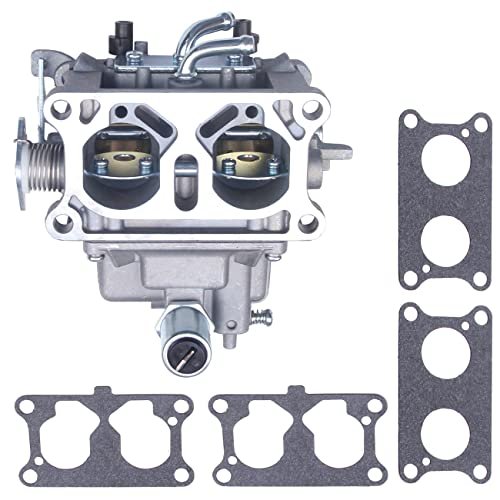
The fuel system is one of the main reasons behind many Kawasaki FD750D problems. Even a small amount of dirt or old fuel can affect starting, idle quality, and power.
Signs of a fuel system issue
- Engine starts only with choke
- Engine dies when throttle is opened
- Uneven idle
- Fuel smell near the engine
- Long cranking before starting
Old fuel is a common cause, but not the only one. Water in the fuel tank can cause random sputtering. A weak fuel pump can also look like a carburetor issue. That is why it helps to test fuel flow before removing the carburetor.
Smart repair order
- Drain old fuel.
- Inspect the tank for contamination.
- Replace the fuel filter.
- Check fuel pump output if equipped.
- Clean the carburetor bowl, jets, and passages.
If the machine has sat unused, the carburetor may need full cleaning, not just a spray cleaner from outside. Internal varnish blocks tiny openings that control idle and main fuel flow. That is why some engines still have problems after a quick cleaning attempt.
Oil leaks and oil consumption
Oil issues often start small. A drip under the engine or a need to add oil too often should never be ignored. Oil loss can lead to low pressure, poor lubrication, and overheating.
Credit: amazon.com
Where leaks often come from
- Valve cover gasket
- Oil drain plug
- Oil filter seal
- Crankcase breather
- Shaft seals
Why oil may disappear without a clear leak
Sometimes the oil is not leaking out; it is being burned inside the engine. Worn rings, worn valve seals, or overfilled oil can all cause this. If the machine is used on slopes, oil can also move into places where it should not go and create smoke or oil use that seems mysterious.
What to inspect
- Check the engine when it is clean so leaks are easier to spot.
- Look around gaskets and seals for wet spots.
- Make sure the crankcase is not overfilled.
- Watch for blue smoke after startup or while accelerating.
Non-obvious insight: a dirty crankcase breather can increase oil leaks. If pressure builds inside the engine, oil gets pushed past seals and gaskets. So if you keep fixing leaks without checking the breather, the problem may return.
Backfiring, popping, and misfiring
Backfiring and misfiring often point to ignition trouble, fuel mixture issues, or timing-related problems. These symptoms can sound dramatic, but the cause is often manageable.
Possible causes
- Weak spark plug
- Loose plug wire or bad connection
- Dirty carburetor
- Lean mixture
- Exhaust leak
- Ignition timing issue
Misfiring under load can be caused by heat. A component may work when cold, then fail as the engine warms up. This is why some problems seem random. Temperature changes can expose weak ignition parts.
If popping happens during deceleration, an exhaust leak may be involved. If it happens during acceleration, fuel delivery or spark quality is more likely.
How to diagnose FD750D problems the right way
A good diagnosis saves time and money. Instead of replacing parts one by one, follow a simple order that starts with the basics and moves toward deeper checks.
- Check fuel — Is it fresh and clean?
- Check air — Is the filter clean and intake clear?
- Check spark — Is spark strong and consistent?
- Check compression — Does the engine have healthy cylinder pressure?
- Check load behavior — Does the problem appear only when working?
This order works because fuel, air, and spark solve many cases. Compression and load testing come later because they help confirm deeper engine wear or mechanical trouble.
Common mistakes to avoid
- Replacing the carburetor before checking fuel quality
- Ignoring a dirty air filter
- Skipping spark plug inspection
- Not checking for vacuum leaks
- Forgetting to look at oil level and engine temperature
Another mistake is using a machine with a small issue until it becomes a large one. A rough idle may seem harmless, but it can be an early warning sign of a fuel restriction, valve problem, or ignition weakness.
Maintenance habits that prevent future trouble
Many problems with this engine can be prevented with simple habits. Good maintenance is not just about oil changes. It is about keeping the whole engine clean and balanced.
- Use fresh fuel and store it properly.
- Replace air and fuel filters on schedule.
- Clean cooling fins regularly.
- Check spark plugs before they become weak.
- Inspect hoses, gaskets, and seals for early wear.
- Do not overfill oil.
- Warm up the engine before heavy use.
For commercial equipment, small checks done often are better than one big repair later. Dirt, heat, and old fuel are the fastest ways to create avoidable Kawasaki FD750D problems.
Credit: amazon.com
When to call a technician
Some issues can be fixed at home. Others need proper tools and testing. Call a technician if you find low compression, repeated overheating, major oil burning, or electrical problems you cannot trace. If the engine has internal damage, continuing to run it can make the repair much more expensive.
A good rule is this: if you have already checked fuel, air, spark, and simple mechanical items, but the problem stays the same, it is time for deeper diagnosis.
Final thoughts
The Kawasaki FD750D is a dependable engine, but even strong engines develop trouble when maintenance slips or parts wear out. Most issues come from a handful of causes: dirty fuel, blocked airflow, weak spark, or simple wear. If you approach the problem in a calm, step-by-step way, you can usually find the real fault without guessing.
The most important thing is not to chase symptoms blindly. Start with the basics, watch for patterns, and test one system at a time. That approach will solve many Kawasaki FD750D problems faster and with less cost.
FAQs
1. Why does my Kawasaki FD750D start hard when cold?
Cold-start trouble often comes from old fuel, a dirty carburetor, weak spark plugs, or a choke that is not working correctly. Check fuel freshness first, then inspect the air filter and spark plug condition.
2. What causes the FD750D engine to surge at idle?
Surging is usually caused by a lean fuel mix, dirty carburetor passages, a vacuum leak, or a restricted fuel supply. A dirty air filter can also upset the mixture and make idle unstable.
3. Why is my engine smoking blue?
Blue smoke usually means the engine is burning oil. Common causes include overfilled oil, worn rings, worn valve seals, or oil entering the combustion chamber on slopes or during heavy use.
4. Can bad fuel really cause Kawasaki FD750D problems?
Yes. Old or dirty fuel can cause hard starting, rough idle, power loss, and carburetor blockage. If the machine sits for long periods, stale fuel is one of the first things to check.
5. When should I suspect internal engine wear?
If the engine still has starting issues, low power, or smoke after you have checked fuel, air, spark, and carburetor condition, internal wear may be the cause. Low compression is a strong sign that a deeper repair is needed.