
If you own a zero-turn mower, you already know how much time it can save. The John Deere Z520A is a strong machine for many yards, but like any mower, it can develop issues over time. Some problems are small and easy to fix. Others point to a deeper cause that needs attention before the mower gets worse.
This guide explains the most common john deere z520a problems, why they happen, and what you can do to fix them. You will also learn how to spot early warning signs, avoid common mistakes, and keep the mower running better for longer. If your mower starts losing power, shaking, or refusing to start, this article will help you narrow down the cause fast.
Quick checks for common Z520A symptoms
| Symptom | Likely area to inspect | First check |
|---|---|---|
| Deck belt shakes when accelerating | Belt tension, idler pulley, spindle, or worn belt | Inspect belt routing, pulley movement, spring tension, and belt glazing. |
| Grass height setter not working | Height selector, lift linkage, deck hanger, or stuck pin | Check for bent linkage, packed debris, and whether the deck moves evenly. |
| Maintenance light flashing | Hour meter service reminder or maintenance interval | Check the hour meter, service schedule, oil, filters, and reset procedure. |
| Mower deck stuck | Lift pedal, deck linkage, rust, debris, or deck height mechanism | Park safely, remove debris around the lift points, and inspect for binding. |
The goal is simple: help you understand the problem clearly, not just guess at random parts. That saves time, money, and frustration.
What usually goes wrong on the Z520A
Most mower problems come from a few basic areas: fuel, air, spark, belts, battery, blades, and hydraulic drive parts. The Z520A is no different. When one of these systems is weak, the mower often gives clear signs before it fails completely.
Many owners focus only on the engine when something goes wrong, but that is only part of the story. A mower may run fine in idle yet struggle under load because of a clogged fuel filter, dull blades, weak belts, or dirty cooling parts. The real key is to follow the symptom, not the guess.
Here is a quick look at common symptoms and what they often point to:
| Symptom | Common cause | What to check first |
|---|---|---|
| Hard starting | Battery, fuel delivery, spark plug | Battery voltage and fuel freshness |
| Engine stalls | Dirty air filter, bad fuel, carburetor issue | Air filter and fuel condition |
| Loss of power | Clogged filter, dull blades, overheating | Air intake and cutting deck |
| Uneven cutting | Deck level, blade wear, tire pressure | Blade condition and deck setup |
| Mower will not move well | Hydro drive or belt problem | Drive belt and linkage |
Starting problems and why they happen
A mower that will not start is one of the most common complaints. The engine may crank slowly, crank normally but not fire, or start and die after a few seconds. Each version points to a different cause.
Weak battery or bad connections
If the starter turns slowly or makes a clicking sound, the battery may be weak. Corroded terminals can also block power even when the battery is charged. This is often missed because the battery may still power lights or give a small response.
Fix: Clean both battery terminals, tighten the connections, and test battery voltage. If the battery is old or will not hold charge, replace it. Also check the ground connection. A loose ground can create the same problem as a dead battery.
Old fuel or fuel delivery trouble
Gasoline does not stay fresh forever. Old fuel can form sticky deposits and make the engine hard to start. A clogged fuel filter or blocked fuel line can do the same thing. One non-obvious issue many beginners miss is that fuel problems often show up first after the mower sits unused for a few weeks.
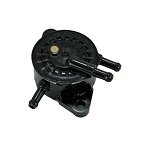
Fix: Drain stale fuel, add fresh gasoline, and replace the fuel filter if needed. Inspect the fuel line for cracks or kinks. If the mower starts on starting fluid but dies right away, fuel delivery is likely the issue.
Faulty spark plug or ignition issue
A worn spark plug may still look fine at a glance, but it may not fire well under load. A bad plug gap, cracked insulator, or carbon buildup can all cause weak ignition.
Fix: Remove the spark plug and inspect it. Replace it if it is dirty, damaged, or worn. Make sure the plug gap matches the recommended setting in the operator manual. If the spark plug keeps fouling, the engine may be running too rich or burning oil.
Safety switch problems
Zero-turn mowers often have seat switches, PTO switches, and brake or control safety switches. If one switch fails or does not sense the correct position, the mower may not start at all.
Fix: Make sure you are sitting properly in the seat, the PTO is off, and the controls are in the right position. If the machine still will not start, inspect the switches and wiring for damage or loose connectors.
Engine runs rough or stalls during mowing
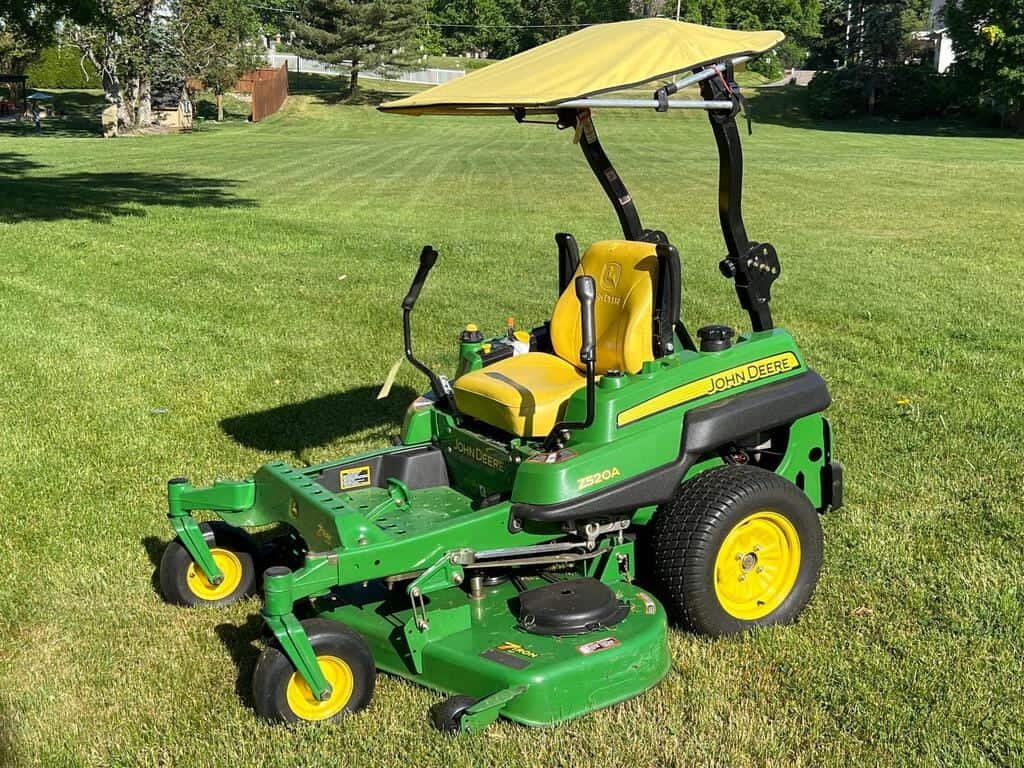
Sometimes the mower starts fine but begins to struggle once you engage the blades or cut thick grass. This is a common point where people assume the engine is “weak,” but the real cause is often airflow, fuel flow, or deck load.
Credit: thegardenprepper.com
Clogged air filter
A dirty air filter limits airflow. When the engine cannot breathe well, it runs rich, loses power, and may stall. This problem can come on slowly, so the mower may seem okay until cutting conditions get harder.
Fix: Inspect the air filter often, especially during dusty mowing seasons. Replace a paper filter if it is dirty. Clean the housing too. If the filter is packed with grass dust, the engine may be starving for air even if it looks only partly dirty.
Carburetor deposits or fuel varnish
Fuel left in the carburetor can leave deposits that block small passages. The engine may idle but stumble when throttled up. This is one of those john deere z520a problems that often starts after storage, especially when fuel stabilizer was not used.
Fix: Use fresh fuel and a cleaner if the issue is light. If the carburetor is badly clogged, cleaning or rebuilding may be needed. In some cases, replacement is the more practical route than repeated cleaning.
Overheating from dirty cooling fins
Engine overheating can cause power loss and stalling. Grass clippings, dust, and debris can build up around cooling fins and the engine shroud. This is easy to miss because the engine may still look clean from the outside.
Fix: Remove debris from the engine area regularly. Clean the cooling fins carefully without bending them. Also check the oil level, because low oil can make overheating worse.
Good habit that prevents many stalls
Before each mowing session, take one minute to clear debris from the engine area and under the deck. That small habit can prevent heat-related shutdowns and reduce wear on the whole machine.
Uneven cut, strips, and poor mowing quality
A mower can run well and still cut badly. That is frustrating because the engine sounds fine, but the yard looks messy. This usually means the cutting system needs attention, not the engine.
Dull or damaged blades
Dull blades tear grass instead of cutting it. Torn grass looks brown at the tips and can make the lawn look uneven, even when the deck height is correct.
Fix: Sharpen the blades or replace them if they are bent, cracked, or too worn. Replace blades as a matched set when possible so the deck stays balanced.
Deck not level
If the deck sits unevenly, one side will cut lower than the other. This creates stripes, scalping, or uneven grass height. Tire pressure can also change deck height and affect the cut.
Fix: Check tire pressure first. Then level the deck according to the mower manual. Adjust the deck only on a flat surface. A small pressure difference between tires can change cutting height more than people expect.
Grass buildup under the deck
Wet grass and packed clippings reduce airflow under the deck. That means less lift and a weaker cut. It can also increase strain on the engine and belts.
Fix: Clean the underside of the deck after use. If grass is sticky, let it dry a little before cleaning, but do not leave it there for days. A clean deck cuts better and puts less load on the mower.
Loss of drive or weak movement
If the mower engine runs but the machine moves poorly, the problem may be in the drive system. On a zero-turn mower, that can involve belts, linkage, hydraulic parts, or brake release issues.
Drive belt wear or slip
A worn drive belt can slip under load. The mower may move slowly, hesitate, or lose power on slopes. You might also notice squealing, glazing, or visible cracks.
Fix: Inspect the belt for wear, cracks, and tension problems. Replace it if it looks weak. Do not wait until it breaks. A slipping belt can damage pulleys and create more repair costs.
Hydro control or linkage issues
The Z520A depends on smooth control of the drive system. If the linkage is loose, bent, or out of adjustment, the mower may not respond correctly. One side may move faster than the other, or the mower may drift.
Fix: Inspect control linkages and make sure they move freely. Check for bent parts, loose hardware, or damage near the steering controls. If the mower pulls to one side, do not assume the hydraulic system is failing right away. Simple linkage or tire problems are often the real cause.
Brake release not fully disengaged
If the brake release or park system is not fully set, the mower may feel weak or stuck. This can happen after service or when a control is not fully returned to position.
Fix: Make sure the brake system is fully disengaged before operation. If it still drags, inspect the brake components for binding.
Vibration, shaking, and strange noise
Extra vibration is more than a comfort problem. It can signal blade imbalance, damaged pulleys, loose parts, or spindle trouble. If ignored, vibration can damage the deck and make other parts fail faster.
Credit: reddit.com
Unbalanced blades
When a blade is bent or sharpened unevenly, it no longer spins smoothly. The result is shaking, noise, and poor cut quality.
Fix: Balance blades after sharpening. Replace any blade that is bent or has lost too much metal. Never run the mower with a damaged blade.
Loose pulleys or mounting bolts
A loose bolt on the deck, engine mount, or pulley system can create a knocking or rattling sound. These noises often start small and get worse as the part loosens more.
Fix: Check visible fasteners and tighten anything that has moved. Look for shiny wear marks near contact points, since that often shows where a part is rubbing.
Spindle or bearing wear
Worn spindle bearings can cause rough rotation and vibration. You may hear a grinding sound or feel heat in the spindle area after use.
Fix: Spin the blade spindles by hand with the engine off. If they feel rough, noisy, or loose, the bearings may need replacement. This is not a repair to ignore, because a failing spindle can damage the deck quickly.
Overheating and oil-related trouble
Heat is a major enemy of small engines. If the mower overheats, it may lose power, burn oil, or shut down. Sometimes the problem is not obvious until the engine has already been stressed for a while.
Low oil level or wrong oil
Low oil reduces protection and increases engine temperature. Using the wrong oil can also affect lubrication in hot weather.
Fix: Check oil before mowing. Top up if needed and use the recommended oil type for the season. Do not assume the mower is fine just because it started. Oil level should be a regular habit, not a rare check.
Blocked airflow around the engine
Clogged cooling paths and packed debris trap heat. This can lead to poor performance, smoke, or automatic shutdown in severe cases.
Fix: Clean the engine shrouds, fins, and screen area often. Keep grass from building up around the mower frame. If you cut in dry, dusty conditions, you may need to clean it more often than normal.
Heavy mowing loads
Very tall or wet grass can overload the engine. The mower may bog down even if nothing is technically broken. This is a performance problem, but not always a parts failure.
Fix: Raise the cutting height for the first pass. Mow slower in thick grass. Avoid forcing the mower through heavy patches in one pass.
How to diagnose the problem without guessing
A good repair starts with simple checks. Most owners make the mistake of replacing parts too early. That gets expensive fast and often does not solve the real issue.
Start with the symptom
Ask one clear question: does the mower have a starting problem, a cutting problem, or a moving problem? That divides the machine into systems and helps you avoid random repairs.
Check the basics first
Before touching major parts, inspect battery condition, fuel freshness, air filter cleanliness, tire pressure, blade sharpness, and visible wiring. These small checks solve many issues.
Test one change at a time
If you replace several parts at once, you will not know which one fixed the problem. Change one thing, test it, then move to the next step if needed.
A simple rule that saves money
If a fix costs very little and is easy to verify, do it first. A fuel filter, spark plug, or air filter is far cheaper than a carburetor or hydraulic repair.
Preventing future issues
Many john deere z520a problems can be avoided with basic maintenance. The mower does not need special treatment, but it does need regular care. Small jobs done on time prevent bigger repairs later.
- Use fresh fuel and add stabilizer if the mower will sit unused.
- Check oil before each mowing session.
- Clean the air filter often in dusty conditions.
- Remove grass buildup from the deck and engine area.
- Inspect blades for wear and balance them after sharpening.
- Watch belt condition before it starts slipping.
- Keep battery terminals clean and tight.
One helpful habit many owners miss is seasonal inspection before the first big mow of the year. A mower that sat all winter often has small issues that do not show up until it is under load. Finding them early is much easier than repairing a breakdown in the middle of mowing season.
Credit: greenpartstore.com
When to repair it yourself and when to get help
Simple work like battery cleaning, spark plug replacement, air filter changes, blade sharpening, and deck cleaning is easy for many owners. These jobs do not need special tools in most cases.
But if the mower has repeated stalling, transmission trouble, major vibration, or electrical problems that keep returning, it may be time for a trained technician. That is especially true if you have already checked the basics and the problem still appears.
For official product information and manuals, the John Deere website is a useful place to start.
Final thoughts
The best way to handle john deere z520a problems is to stay calm and follow the signs. Most issues come from a small group of causes: stale fuel, weak spark, dirty airflow, worn blades, loose belts, or poor maintenance. The mower usually tells you what is wrong if you listen closely.
Do not rush to replace major parts before checking the simple ones. A clean filter, fresh fuel, sharp blades, and proper battery care solve more problems than many owners expect. With steady maintenance and a careful eye, the Z520A can stay dependable for many seasons.
How to troubleshoot John Deere Z520A problems step by step
Use this order before replacing parts. It keeps the diagnosis simple and helps separate engine, deck, belt, electrical, and drive issues.
- Check fresh fuel, air filter condition, spark plug condition, and battery voltage.
- Inspect the mower deck for packed grass, dull blades, bent blades, and loose spindle hardware.
- Check belts, pulleys, idlers, and tension springs for slipping, cracking, or wobble.
- Run the mower briefly and note whether the symptom happens at startup, under load, while turning, or after warming up.
- Fix the simplest confirmed issue first, then retest before moving to deeper engine or hydrostatic drive repairs.
FAQs
1. What are the most common John Deere Z520A problems?
The most common John Deere Z520A problems include hard starting, engine stalling, uneven cutting, power loss, belt slipping, vibration, weak battery power, and deck wear. Start with fuel, air, spark, belts, blades, and deck checks before replacing major parts.
2. Why does my John Deere Z520A start then die?
This usually points to fuel delivery trouble, old fuel, a dirty air filter, a weak spark plug, or a carburetor problem. Start with fresh fuel, then check the fuel filter, air filter, and spark plug.
3. Why does my John Deere Z520A cut unevenly?
Uneven cutting often comes from dull blades, an unlevel deck, incorrect tire pressure, or grass buildup under the deck. Check the blades and deck level before adjusting anything else.
4. What causes the John Deere Z520A to lose power while mowing?
Common causes include a clogged air filter, old fuel, overheating, dull blades, a slipping belt, or mowing grass that is too thick or wet. Check simple airflow, fuel, and deck load issues first.
5. How should I troubleshoot John Deere Z520A problems?
Use a simple order: check fuel, air filter, spark plug, battery, belts, blades, pulleys, deck level, and cooling airflow. Fix one confirmed issue at a time and retest before moving to deeper repairs.