
If you own this riding mower, you already know it can cut well and turn sharply. But like many older lawn tractors, it can also develop a few repeat trouble spots. Some are small and easy to fix. Others can stop the machine from moving, cutting, or starting the way it should.
This guide explains the most common john deere sst18 problems, why they happen, and how to fix them without guessing. You will learn how to spot the signs early, avoid costly mistakes, and decide when a repair is simple and when it needs deeper work.
The SST18 is known for its steering wheel control and tight turning design. That makes it useful around trees and garden beds. But its special system also means a few parts wear in a different way than on a normal mower. Knowing those weak points can save time, money, and stress.
What usually goes wrong on the SST18
The most common problems on this mower fall into a few clear groups: starting issues, drive system trouble, steering or control problems, cutting deck issues, and wear from age. Many owners think the machine has one big failure, but often the real cause is a smaller part that affects the whole system.
Before opening the engine or replacing expensive parts, it helps to check the basics first. Old fuel, weak batteries, loose belts, dirty connections, and worn pulleys cause more trouble than people expect. These small faults can look like major damage.
One thing beginners often miss is that the SST18 can have a “chain reaction” problem. For example, a weak battery may still crank the engine, but not with enough power to keep the safety switches happy. That can create a no-start condition that looks like a bad ignition switch when it is really a voltage issue.
Another important point is that the mower may seem to run fine on flat ground but fail under load. That usually points to fuel flow, belt slip, weak drive parts, or engine wear. Always test the mower while cutting or driving, not only while idling.
Engine starting problems
Starting trouble is one of the most reported john deere sst18 problems. The engine may not crank, may crank slowly, or may start and die after a few seconds. Each symptom points to a different area.
Common causes
- Weak or dead battery
- Corroded battery terminals
- Bad ground connection
- Faulty ignition switch
- Clogged fuel filter
- Stale fuel
- Dirty carburetor
- Safety switch not closing properly
How to fix it
- Check the battery voltage. A fully charged 12-volt battery should usually read around 12.6 volts when the engine is off.
- Clean both battery terminals and tighten the cable ends.
- Inspect the ground wire from the battery to the frame or engine. Remove rust and paint where needed.
- Try starting with the PTO off, brake set, and seat occupied if your model requires it. Safety switches can block startup.
- Drain old fuel and refill with fresh gasoline.
- Replace the fuel filter if it is dirty or old.
- Clean the carburetor if the engine starts only with choke or dies at throttle.
If the engine cranks slowly, do not jump straight to the starter. A weak battery or bad cable can create the same symptom. This is a common beginner mistake. People replace the starter first, then later find the battery was the real problem.
If the mower starts and dies quickly, fuel delivery is often the cause. A clogged vent in the gas cap can also stop fuel flow. A simple test is to loosen the cap slightly and see if the engine improves. If it does, the cap may be restricting airflow.
Drive system and no-move issues
Another major complaint is that the mower starts, but will not move forward or backward correctly. Sometimes it moves in one direction only. Sometimes it slips, jerks, or loses power on hills. These symptoms can come from belts, pulleys, linkage, or internal transmission wear.
Common causes
- Worn or stretched drive belt
- Broken or slipping belt tensioner
- Dirty or rusted pulleys
- Misadjusted drive linkage
- Low transmission oil, if applicable to your setup
- Worn internal drive parts
- Debris wrapped around the axle or pulleys
What to check first
Start with the belt. A belt can look fine from the top and still be badly worn underneath. Look for cracks, glazing, fraying, or weak tension. If the belt rides too low in the pulley groove, it may slip under load.
Next inspect the pulleys. A pulley with a bent edge, wobble, or seized bearing can rob the system of power. If the mower makes a squeal or grinding sound when moving, do not ignore it. That sound often points to a pulley or bearing problem before a full failure happens.
Also check for grass buildup and old grease. Packed debris around the deck or drive area can increase heat and drag. This is one of those non-obvious issues many owners overlook. The mower may seem mechanically fine, but extra drag from debris can make it feel weak or unstable.
Fixes that often help
- Replace a worn drive belt with the correct size and type
- Clean all pulleys and inspect them for wobble
- Lubricate parts only where the manual allows it
- Adjust linkage to the proper free play
- Remove grass, string, and dirt from the drive path
If the drive system still fails after these steps, the problem may be deeper inside the transmission or final drive assembly. At that point, it is better to inspect service information before replacing random parts.
Steering wheel and control problems
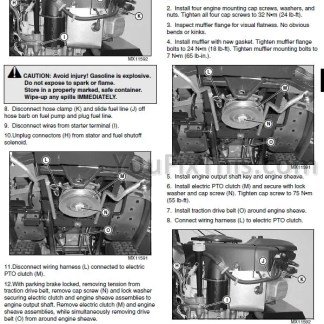
The SST18 is different from many other mowers because of its steering wheel design. That gives it a tight turning feel, but it also means the steering and motion control parts work under constant load. Wear in this area can cause poor handling, weak turning response, or strange noises.
Credit: youfixthis.com
Signs of steering trouble
- Steering wheel feels loose or stiff
- Mower does not turn evenly
- Machine pulls to one side
- Clicking or popping sound while turning
- Delayed response from wheel input
Why it happens
Most steering trouble comes from worn linkages, loose fasteners, damaged bushings, or dry pivot points. In some cases, the steering shaft or related control parts become loose over time. Because the system is used constantly, even small wear can change the mower’s feel.
One mistake many owners make is tightening parts without first checking for wear. If a joint is already worn oval, extra tightening may hide the problem for a while, but it will return. Replace worn bushings or joints instead of forcing them to work longer than they should.
Fix steps
- Lift the front end safely and inspect the steering linkage.
- Look for play in joints, pins, and bushings.
- Tighten loose mounting bolts.
- Replace cracked or worn steering parts.
- Check front tire pressure, because uneven pressure can mimic steering faults.
Also inspect the front wheels for damage or uneven wear. A bent wheel or bad spindle can make the mower pull to one side even if the steering itself is fine. That is why it is smart to check tires and front axle parts before assuming the steering box is bad.
Cutting deck problems
The cutting deck is another common source of complaints. Owners may notice uneven cutting, vibration, poor discharge, or the blades stopping under heavy grass. These issues are often tied to belt wear, spindle wear, blade condition, or deck leveling.
Common signs
- Grass is cut unevenly
- One side of the deck cuts lower than the other
- Vibration gets worse at higher speed
- Blades leave strips of uncut grass
- Deck stalls in thick grass
What causes it
Dull blades are the simplest cause, but not the only one. A blade can be sharp and still cut badly if it is bent or out of balance. Spindle bearings may also wear out and create vibration. Belt slip can reduce blade speed, which makes the mower leave ragged grass behind.
Deck leveling matters more than many people think. If the deck sits too low on one side or the anti-scalp wheels are set wrong, cutting height becomes uneven. Beginners often sharpen blades first and stop there. That helps, but it will not fix a deck that is out of alignment.
Practical fixes
- Sharpen or replace blades if they are dull, bent, or damaged.
- Check spindle bearings for roughness or looseness.
- Inspect and replace a slipping deck belt.
- Clean dried grass from under the deck.
- Level the deck according to the mower manual.
If the mower vibrates strongly, shut it down and inspect the blades immediately. A bent blade can damage the spindle and deck shell if used too long. That is a costly mistake that is easy to avoid.
Overheating and power loss
Some owners report that the mower runs fine at first, then loses power after warming up. In hot weather it may even stall. This is often linked to airflow problems, fuel restriction, ignition issues, or engine wear.
Possible causes
- Dirty air filter
- Blocked cooling fins
- Low oil level
- Old spark plug
- Fuel cap vent problem
- Weak ignition coil when hot
How to solve it
Start with the air filter and engine cooling areas. A clogged air filter limits airflow and can make the engine run rich. Grass and dust around the cylinder fins can trap heat. Clean these areas often, especially during heavy mowing season.
Check the oil level before every long use. Low oil can increase engine heat and shorten engine life. Also inspect the spark plug. A worn plug may work cold but fail when the engine gets hot.
If the machine stalls after running for a while and then restarts later, the ignition coil or fuel cap vent may be involved. That type of issue can be tricky because it comes and goes. The best method is to test each system one at a time after the engine warms up.
For engine maintenance guidance and safe service habits, it can help to review trusted safety information from John Deere’s service and safety guidance.
Electrical problems and safety switch faults
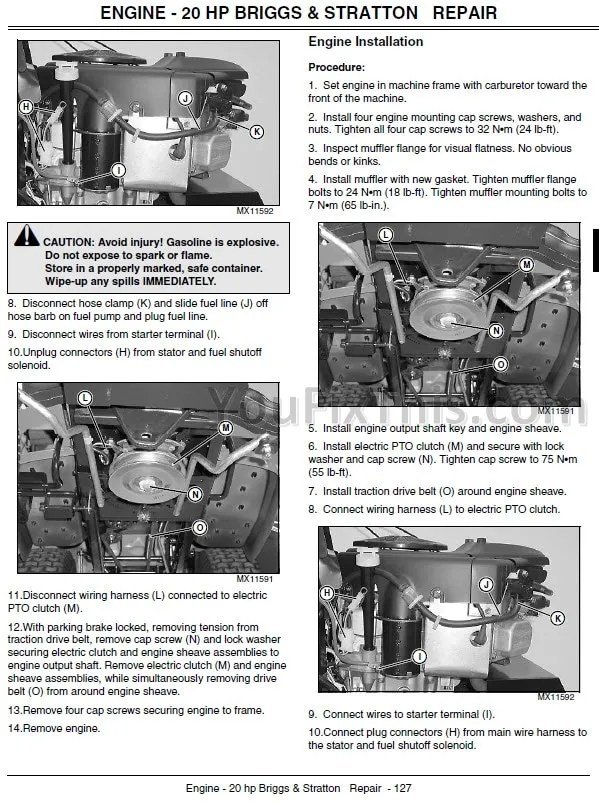
Electrical trouble is often blamed on the battery, but the real issue may be a switch, wire, or connector. The SST18 uses safety systems that can stop starting, stopping, or blade engagement when they sense a fault.
Credit: youfixthis.com
Common electrical symptoms
- No click when turning the key
- Starter clicks but does not spin
- Blades will not engage
- Intermittent shutoff
- Fuses blowing again and again
What to inspect
Check the fuse first, then the key switch, seat switch, brake switch, and PTO switch. A loose connector or dirty terminal can stop the whole circuit. Wires near moving parts may also rub through and create short circuits.
One problem many owners miss is intermittent grounding. A wire may work when the mower is parked, then fail when the frame flexes during driving. If an electrical fault comes and goes, gently wiggle the harness while testing. That can help reveal a loose connection.
Repair approach
- Inspect the fuse and replace it only with the correct rating.
- Clean corrosion from connectors.
- Test safety switches one by one.
- Look for broken wires near hinges, pedals, and the steering area.
- Repair damaged wiring with proper connectors and insulation.
Do not bypass safety switches as a long-term fix. It may help with diagnosis, but the system should be restored properly for safe use.
Fuel system trouble
Fuel problems create many of the symptoms people think are engine failure. The mower may start badly, lose power under load, backfire, or refuse to stay running. Old gas and dirt in the tank are common causes.
Typical fuel-related causes
- Stale gasoline
- Water in fuel
- Clogged fuel line
- Dirty carburetor jets
- Blocked fuel cap vent
- Failing fuel pump, if equipped
Best fixes
Drain old fuel and use fresh gasoline. Replace brittle fuel lines if they are cracked or hard. Clean the carburetor jets carefully, because tiny dirt particles can block fuel flow. If the engine runs only with choke on, that often points to a lean condition from restricted fuel flow or air leaks.
Small air leaks at carburetor gaskets can also cause trouble. This is a subtle issue beginners often miss. The engine may idle, but it will not handle throttle changes well. If cleaning does not help, check the carburetor mounting surfaces and gaskets.
Problem symptoms and likely causes
The table below can help you narrow down the issue faster. It does not replace a full inspection, but it gives a practical starting point.
| Symptom | Likely cause | First fix to try |
|---|---|---|
| Engine will not crank | Battery, terminals, switch, safety circuit | Charge battery and clean connections |
| Engine cranks but will not start | Fuel, carburetor, spark, safety switch | Check fuel quality and spark plug |
| Mower will not move | Belt, pulley, linkage, transmission issue | Inspect drive belt and tensioner |
| Poor steering response | Wear in steering parts, tire pressure, loose linkages | Inspect front end and tires |
| Uneven cutting | Deck level, blades, spindle wear | Level deck and inspect blades |
| Power loss when hot | Airflow, fuel, ignition coil, oil level | Clean air filter and cooling fins |
How to prevent repeat problems
Many SST18 issues can be delayed or avoided with regular care. Simple maintenance does more than people expect. It keeps small wear from turning into expensive failure.
Good habits to follow
- Use fresh fuel and avoid long fuel storage
- Change the air filter as needed
- Keep blades sharp and balanced
- Clean grass from the deck and engine area after mowing
- Check battery health before the season starts
- Inspect belts and pulleys each year
- Store the mower in a dry place
Seasonal inspection is especially useful. Before the first mow of the year, start the engine, test movement, check steering, and engage the blades for a short time. This early check can reveal trouble before you are in the middle of a big job.
Another smart step is to listen carefully. Changes in sound often come before major failure. A new squeak, clunk, or hum can signal a belt issue, bearing wear, or a loose bracket. Catching that early usually means a cheaper repair.
When the repair is worth doing yourself
Many john deere sst18 problems can be fixed at home if you are patient and careful. Battery cleaning, belt replacement, blade service, fuel cleaning, and basic switch checks are usually manageable for a homeowner with common tools.
More complex jobs include transmission repair, deep steering rebuilds, and internal engine work. If the mower has several issues at once, or if you already replaced basic parts without improvement, it may be smarter to step back and diagnose more carefully before buying more parts.
The best approach is simple: start with the cheapest, most common causes first. Do not assume a major failure when a battery, belt, or dirty connection could be the real reason.
Credit: backyardcorner.com
Final thoughts
The SST18 is a capable mower, but age and wear can create repeated trouble in the starter, drive, steering, deck, fuel, and electrical systems. Most problems are manageable if you use a clear process and check the basics first. That is the fastest way to avoid wasted money and frustration.
If you remember only one thing, remember this: many breakdowns on this mower are not caused by one large part failure. They are caused by small issues working together. A weak battery, a dirty filter, or a slipping belt can create symptoms that look much worse than they really are.
Careful testing, regular maintenance, and early repair will keep the mower running better for longer. That is the simplest way to reduce future john deere sst18 problems and get more life from the machine.
FAQs
1. Why does my SST18 crank but not start?
The most common reasons are stale fuel, a clogged carburetor, a weak spark plug, or a safety switch issue. Start with fuel quality and battery condition before replacing parts.
2. Why will my mower not move even though the engine runs?
This usually points to a worn drive belt, bad pulley, loose linkage, or a transmission-related fault. Inspect the belt and pulleys first because they are the easiest to check.
3. What causes uneven cutting on the SST18?
Uneven cutting is often caused by dull or bent blades, a deck that is not level, or worn spindle bearings. A slipping deck belt can also reduce blade speed.
4. Can a bad battery cause more than starting problems?
Yes. A weak battery can also affect safety circuits and make electrical problems seem worse than they are. Some symptoms that look like switch failure are really low-voltage issues.
5. When should I call a repair shop instead of fixing it myself?
Call a repair shop if the mower has transmission damage, repeated electrical faults, or engine problems that do not improve after basic checks. If you have already replaced common wear parts and the issue remains, deeper diagnosis is usually needed.