
If your John Deere Gator dump bed is not working right, you are not alone. This is one of the most common utility vehicle issues owners face. The bed may not lift, may drop too fast, may stop halfway, or may sit unevenly. In many cases, the problem is simple. In other cases, it points to wear, damage, or a hydraulic or electric fault.
The good news is that many john deere gator dump bed problems can be found and fixed without advanced tools. If you know what to check first, you can save time, avoid bad parts replacement, and get the machine back to work faster. The key is to look at the bed system as a whole: power source, switches, cylinders, lift arms, pivots, and safety locks.
This guide explains the most common causes, how to diagnose them, and what fixes usually work best. It also includes practical troubleshooting tips that help you spot the real problem before it gets worse.
How the dump bed system works
Before you start repairs, it helps to understand how the dump bed should work. On many John Deere Gator models, the bed uses either a manual lift system, an electric lift, or a hydraulic setup. The exact parts change by model, but the basic job is the same: the bed should raise smoothly, hold position, and lower in a controlled way.
When one part fails, the whole system can act strange. For example, a weak battery can make an electric lift slow. A bent pivot can make the bed bind. Low hydraulic fluid can cause weak lifting power. A bad switch can make the bed seem dead even when the motor is fine.
That is why the best troubleshooting starts with the easiest checks first.
Main parts to inspect
- Power source — battery, fuse, relay, or wiring
- Control switch — the rocker switch or toggle used to raise and lower the bed
- Lift motor or hydraulic pump — provides lifting force on powered systems
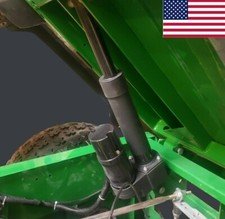
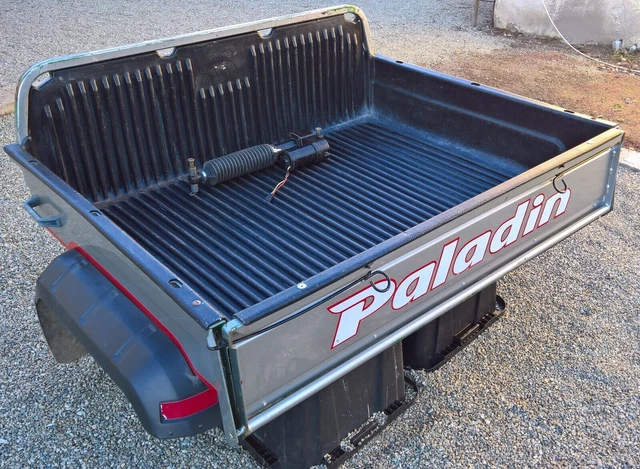
- Cylinder or actuator — moves the bed up and down
- Pivots and hinges — allow smooth movement
- Latch and stops — keep the bed secure when closed
- Bed frame and mounting points — support the full load
Most common john deere gator dump bed problems
Some problems happen much more often than others. If you know the common failure patterns, you can narrow the search faster.
| Problem | Likely cause | What you may notice |
|---|---|---|
| Bed will not lift | Dead battery, blown fuse, bad switch, failed motor, broken actuator | No movement, no sound, or only a click |
| Bed lifts slowly | Weak battery, low fluid, worn motor, binding hinges | Bed moves but struggles |
| Bed drops too fast | Hydraulic leak, release valve issue, worn seals | Sudden lowering or poor control |
| Bed stops halfway | Low power, bad switch, bent frame, overload, seized pivot | Movement starts, then stops |
| Bed sits crooked | Uneven load, damaged hinge, worn mounting point, twisted frame | One side rises more than the other |
1. Bed will not lift at all
This is the most frustrating issue, but it often has a simple cause. If nothing happens when you press the switch, start with electrical checks.
Check the battery first. A weak battery may still run lights or start the machine, but not provide enough power for the lift system. Next, inspect the fuse and relay. A blown fuse usually means there was an overload, short circuit, or stalled motor.
If the battery and fuse are good, test the switch. Switches can wear out inside even when they look fine outside. You may hear no click, or the bed may work only in one direction.
If power reaches the motor or actuator but the bed does not move, the problem may be a failed lift motor, seized actuator, or jammed linkage.
2. Bed lifts slowly or struggles under light loads
A slow lift is often a warning sign, not a small inconvenience. Something is causing extra resistance or limiting power.
On electric systems, low voltage is the first thing to check. Corroded battery terminals, weak batteries, and damaged ground connections are common. A motor that sounds tired or labors under no load may be wearing out.
On hydraulic systems, low fluid level or dirty fluid can reduce lifting force. Air in the system can also make the motion weak or uneven. If the bed lifts better when empty than when loaded, the pump or cylinder may be losing pressure.
Non-obvious insight: a slow bed is often caused by voltage drop under load, not a dead battery alone. A battery may test “good” at rest but fail when the motor draws high current. That is why testing under load matters.
3. Bed drops too fast or slams down
A bed that falls too quickly can damage the frame, cargo, and even the operator. This problem is more common on hydraulic models, but electric systems can also lower too sharply if the control or release mechanism fails.
Look for hydraulic leaks around the cylinder, hoses, and fittings. A damaged seal can let fluid bypass the piston and reduce control. If the bed has a manual release valve, make sure it is not stuck open or adjusted too far.
Also inspect the bed hinge points. If they bind and then release suddenly, the motion can feel like a drop instead of a smooth lower.
Safety note: never work under a raised dump bed unless it is properly supported with a strong mechanical prop or bed safety support. Hydraulic systems can fail without warning.
4. Bed stops halfway up
When the bed starts lifting and then stops, people often assume the motor is bad. Sometimes that is true, but not always.
First, check for overload. Too much cargo, wet material, or a load shifted to one side can make the system stall. Next, look for binding at the hinge points or a bent bed frame. Even a small bend can create enough friction to stop the lift.
Electrical systems can also stop halfway if the battery voltage drops too low during operation. That means the system starts moving, then loses enough power to quit.
Hydraulic systems may stop halfway because the pump cannot build enough pressure, or because the cylinder is leaking internally.
5. Bed lifts unevenly or sits crooked
An uneven bed usually means a mechanical alignment issue. One side may have more wear, a loose pivot, or a damaged mounting point.
Do not ignore a crooked bed. It can get worse over time and eventually crack the bed frame or twist the mounting structure. If one side always moves first, the lift points may be worn unevenly. If one side lags behind, check for bent arms or seized bushings.
Non-obvious insight: uneven lift is sometimes caused by a load issue, not a bed issue. If you often haul heavy material that sits to one side, the lift system can wear unevenly. Try loading the bed more evenly before assuming a part has failed.
Step-by-step troubleshooting tips
Use a simple order. Do not replace parts too quickly. Many owners waste money by changing the wrong component first.
- Inspect the battery and connections. Make sure the battery is charged and the terminals are clean and tight.
- Check the fuse and relay. Replace any blown fuse with the correct rating only.
- Test the switch. Press it while listening for sound or movement.
- Look for visible binding. Check hinges, pivots, and frame alignment.
- Inspect for leaks or damage. On hydraulic models, look for fluid loss. On electric models, check wires and connectors.
- Try the bed with no load. This helps separate power problems from weight or binding problems.
If the bed works empty but fails when loaded, the system may be weak rather than fully broken. If it fails even when empty, the issue is more likely electrical, hydraulic, or mechanical binding.
Credit: ebay.com
How to test the electrical side
For electric dump beds, use a multimeter if you have one. Check voltage at the battery first, then at the switch, and then at the motor or actuator. This tells you where power is lost.
If voltage reaches the motor but it does not run, the motor may be bad. If voltage never reaches the motor, the problem may be the switch, relay, wiring, or a safety interlock.
Clean corrosion from terminals with a wire brush. Tighten loose connectors. Damaged grounds are easy to miss and can cause many strange bed problems.
How to test the hydraulic side
For hydraulic dump beds, check fluid level before anything else. Low fluid can make the bed weak, jerky, or slow. If the fluid looks dirty or milky, it may be contaminated with water or debris.
Inspect hoses for cracks, swelling, or wet spots. Look at the cylinder rod for scratches or rust. A damaged rod can ruin seals and create internal leaks.
If the bed moves in short jumps, there may be air in the system. Some systems need bleeding after repair. Follow the model-specific procedure in the owner’s manual.
You can find official model support and manuals on the John Deere website.
Common causes owners miss
Some problems are not obvious at first. These are the ones people often overlook.
Credit: picclick.com
Corrosion in connectors
A little green or white corrosion can create a big electrical resistance problem. The bed may work one day and fail the next, especially in wet weather.
Frame twist from overload
If the Gator often carries more than it should, the bed frame can slowly twist. That twist creates binding, which then looks like a motor problem.
Frozen pivot points
Dust, mud, fertilizer, and rust can lock up hinge points. A bad pivot can put huge strain on the lift system. Grease helps, but only if the joint is still in usable shape.
Worn actuator or cylinder seals
The bed may move, but not with enough force. Internal seal wear can be hard to see because there may be no outside leak.
Fixes that usually work
Once you know the cause, the fix is often straightforward. Start with the least expensive option.
Clean and tighten all power connections
Remove corrosion, clean the terminals, and tighten each connection. Use dielectric grease after cleaning to help slow future corrosion. This small step solves many electrical issues.
Replace weak batteries or damaged wiring
If the battery cannot hold charge under load, replace it. If you find cracked insulation, burnt connectors, or broken wires, repair or replace them. Do not patch over a poor connection and expect the problem to stay gone.
Lubricate or repair pivot points
Grease the hinges and pivot points if they are still in good condition. If they are seized, bent, or heavily worn, replacement is better than forcing them.
Top off or replace hydraulic fluid
Use the correct fluid for your model. Wrong fluid can cause poor performance and seal damage. If the fluid is dirty, change it rather than just adding more.
Replace worn switches, relays, or actuators
If testing shows that a control component has failed, replace it with the right part number for your Gator model. A cheap wrong-fit part can create more issues than it solves.
Repair bent or twisted mounting parts
If the frame or mount is bent, the system may never move correctly until the structure is straightened or repaired. Do not keep forcing a misaligned bed. That can damage the lift system too.
Maintenance habits that prevent future problems
Preventing dump bed trouble is easier than fixing a broken one. A few habits make a big difference.
- Do not overload the bed. Heavy loads shorten the life of motors, cylinders, and pivots.
- Keep pivots clean and greased. Dirt and rust create hard movement.
- Inspect wiring often. Look for rubbing, loose plugs, and corrosion.
- Wash off mud and fertilizer residue. These materials speed up rust.
- Check the lift before a big job. A quick test can catch a weak system early.
Non-obvious insight: many dump bed failures begin as small resistance problems. A slightly sticky hinge may seem harmless, but over time it forces the motor or cylinder to work harder. That extra load shortens part life.
When to stop troubleshooting and call a technician
Some issues are simple. Others are better left to a skilled mechanic. Call for help if the bed frame is cracked, the hydraulic cylinder is leaking badly, there is wiring damage you cannot trace safely, or the bed is stuck in a raised position with no safe support.
You should also get help if you have already checked power, switch, wiring, fluid, and pivots, but the bed still does not work. At that point, deeper diagnosis may require pressure testing, current draw testing, or removal of major components.
If the machine is still under warranty, avoid opening parts that could affect coverage until you confirm the service rules.
Quick decision guide for faster diagnosis
If you want a fast path to the likely cause, use these simple clues.
No sound at all: battery, fuse, switch, relay, or wiring.
Clicking sound but no movement: weak power, bad relay, seized actuator, or jammed linkage.
Movement but too slow: low voltage, low fluid, binding, or worn motor/pump.
Bed falls too fast: hydraulic leak, valve issue, or control failure.
Bed is crooked: bent hardware, frame twist, or uneven wear.
This kind of quick check can save a lot of time because it tells you where to look first. In many cases, the real issue is not the biggest part. It is the part that stops the system from working as a whole.
Credit: ebay.com
Final thoughts
Most john deere gator dump bed problems come down to a few core causes: weak power, worn parts, binding movement, fluid loss, or damaged alignment. If you inspect the system in a smart order, you can usually find the fault without guessing.
Start with the battery, fuse, switch, and wiring. Then move to pivots, mounts, cylinders, and fluid. Do not ignore small signs like slow movement, uneven lifting, or strange noises. These are often early warnings.
With careful troubleshooting and regular maintenance, your Gator dump bed can stay reliable for years. The goal is not just to fix one problem. It is to stop the same problem from coming back.
FAQs
1. Why does my John Deere Gator dump bed not raise?
The most common reasons are a weak battery, blown fuse, bad switch, damaged wiring, or a failed lift motor or actuator. Start with the electrical checks before replacing major parts.
2. What causes a dump bed to lower too fast?
On hydraulic systems, fast lowering is usually caused by a leak, worn seal, or valve issue. If the bed drops suddenly, stop using it until you inspect the system and support the bed safely.
3. Why does the bed stop halfway up?
This often happens because of low battery power, binding hinges, too much cargo, or a weak pump or actuator. Try the bed empty first to see whether load is part of the problem.
4. How often should I grease the dump bed pivots?
There is no single rule for every model, but it is smart to inspect and grease the pivots regularly, especially after muddy, wet, or dusty use. If the bed starts feeling stiff, do not wait.
5. Can I keep using the Gator if the dump bed is crooked?
It is not a good idea. A crooked bed can mean frame twist, bent mounts, or uneven wear. Continued use may make the damage worse and can lead to a more expensive repair later.