
The John Deere 1050 is a trusted compact tractor for farms, gardens, and small property work. It is simple, strong, and useful in many jobs. But like any older machine, it can develop problems with age, wear, and poor maintenance.
If you are searching for john deere 1050 problems, you are likely trying to solve a real issue fast. Maybe the tractor will not start. Maybe it is losing power, overheating, or leaking oil. Some problems are small. Others can stop the tractor completely. The good news is that many of these issues have clear causes and practical fixes.
This guide explains the most common John Deere 1050 problems, why they happen, and what you can do to fix them. It also shares a few simple checks that save time and money before you call a mechanic.
What usually goes wrong on a John Deere 1050
The John Deere 1050 is known for durability, but after years of use, several systems often need attention. Most issues come from fuel, air, cooling, hydraulics, electrical parts, or normal engine wear. Some problems start small and slowly get worse. That is why early diagnosis matters.
Before you replace parts, it helps to understand which symptom points to which system. A tractor that cranks but will not start is not the same as one that starts but stalls under load. A hydraulic problem is different from an engine power problem, even if both feel like “the tractor is weak.”
One useful tip many beginners miss: the same symptom can have more than one cause. For example, low power may come from dirty fuel filters, a blocked air intake, low compression, or a slipping clutch. That is why testing in the right order is better than guessing.
| Symptom | Likely area | Common cause |
|---|---|---|
| Hard starting | Fuel / electrical | Weak battery, bad glow plugs, air in fuel system |
| Loss of power | Engine / fuel / air | Clogged filters, injector issues, low compression |
| Overheating | Cooling system | Dirty radiator, low coolant, bad thermostat |
| Hydraulics weak or slow | Hydraulic system | Low fluid, worn pump, clogged filter |
| Smoke from exhaust | Engine / fuel | Wrong fuel burn, injector trouble, air restriction |
Starting problems and hard cranking
One of the most common john deere 1050 problems is hard starting, especially in cold weather. The engine may crank slowly, crank normally but not fire, or start only after several tries. In some cases, it starts fine when warm but struggles when cold.
Common causes
- Weak battery or poor battery connections
- Corroded starter cables
- Faulty glow plugs or preheat system
- Air in the fuel lines
- Clogged fuel filter
- Old fuel or water in the diesel tank
On diesel tractors, cold starting depends on good battery power and proper fuel delivery. If the battery is weak, the starter may turn too slowly for the engine to fire. If the fuel system has air leaks, the injectors may not get steady fuel flow.
What to check first
- Test the battery voltage.
- Clean the battery terminals and cables.
- Check if the starter cranks with enough speed.
- Inspect fuel filters for dirt or water.
- Look for loose fuel line clamps or cracked hoses.
Fix: Start with the simple parts. Charge or replace the battery if needed. Clean all electrical connections. Replace the fuel filter if it is dirty. Bleed the fuel system if air is present. If the glow plugs are not working, test them with a meter and replace faulty ones.
Non-obvious insight: Many owners replace the battery too soon. But in some cases, the real problem is bad ground contact. A battery may be fine, while the cable connection to the frame is causing the slow crank.
Engine losing power under load
If your tractor starts well but feels weak when pulling, mowing, or climbing, the engine may be starving for fuel or air. Power loss is another common complaint among John Deere 1050 owners, and it often gets worse over time.
Main reasons for power loss
- Dirty air filter
- Blocked fuel filter
- Worn or dirty injectors
- Restricted exhaust
- Low compression from engine wear
- Fuel injection timing problems
A clogged air filter reduces airflow. The engine then burns fuel poorly and loses power. A dirty fuel filter does the same thing on the fuel side. The engine may idle normally, but it will not keep up under load.
Another issue many people overlook is engine timing. If injection timing is off, the fuel may enter too early or too late. That can cause rough running, smoke, and weak pulling power.
Practical fixes
- Replace the air filter if it is dirty or oily.
- Replace the fuel filter and bleed the fuel system.
- Check for blocked mufflers or exhaust pipes.
- Inspect injectors if smoke and roughness continue.
- Test compression if the tractor still feels weak after basic service.
If the tractor has high hours, low compression may be the real cause. That means piston rings, valves, or cylinder wear may be reducing engine strength. In that case, filters alone will not solve the issue.
Overheating and temperature rise
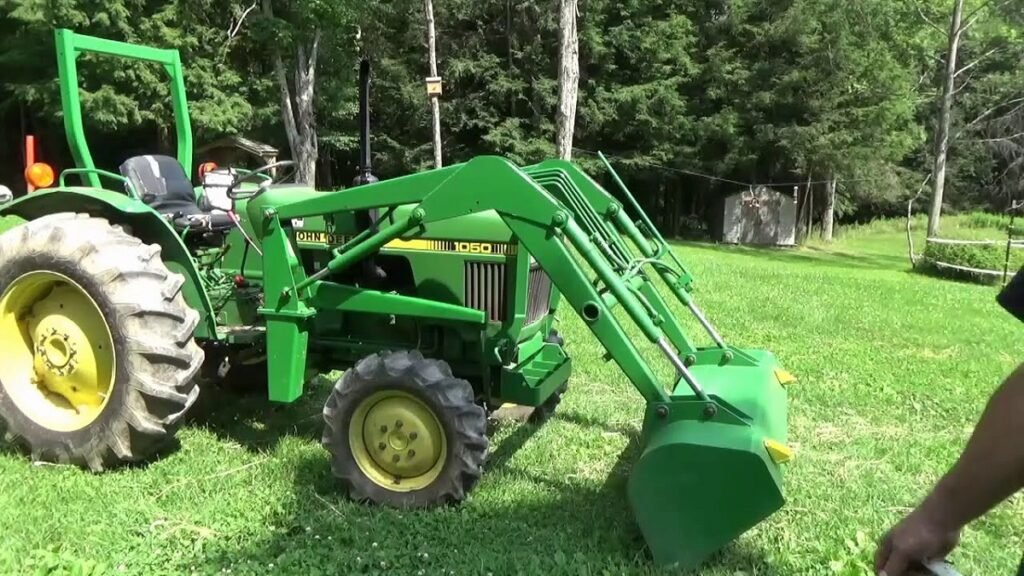
Overheating can damage the engine quickly, so this is one problem you should not ignore. The John Deere 1050 can overheat from cooling system faults, blocked airflow, or heavy load in hot weather. If the temperature gauge climbs too high, stop working and check the machine.
Credit: backyardcorner.com
Frequent causes of overheating
- Low coolant level
- Dirty radiator fins
- Faulty thermostat
- Loose or damaged fan belt
- Water pump wear
- Debris around the engine compartment
Dust, chaff, and grass can build up around the radiator and reduce airflow. This is very common on tractors used for mowing or fieldwork. Even if the coolant level is correct, the engine may still run hot because air cannot move through the radiator properly.
How to fix it
- Let the engine cool before opening the radiator cap.
- Check coolant level and refill if needed.
- Clean the radiator fins gently with compressed air or water.
- Inspect the fan belt for cracks or slipping.
- Replace a bad thermostat if the engine heats unevenly or too fast.
Tip: Do not wash the radiator from the front only. Dirt often packs between the screen and radiator core. Clean both sides if possible. This is a small job that prevents large repair costs later.
Also watch for slow coolant loss. A small leak in a hose, clamp, or water pump seal can cause repeated overheating long before you see puddles under the tractor.
Hydraulic system not lifting well
The hydraulic system on the John Deere 1050 is important for implements, loaders, and three-point hitch work. When hydraulics become slow, weak, or unresponsive, the tractor becomes harder to use even if the engine runs fine.
Common hydraulic problems
- Low hydraulic fluid
- Dirty hydraulic oil
- Clogged hydraulic filter
- Air in the system
- Worn hydraulic pump
- Internal leakage in cylinders or valves
Weak hydraulics often come from old fluid or a clogged filter. Many owners focus only on the pump, but fluid condition matters just as much. Thick, dirty oil can reduce flow and make the system slow.
What to do
- Check fluid level with the tractor on level ground.
- Inspect oil condition for dirt, milkiness, or burnt smell.
- Replace the hydraulic filter if it is overdue.
- Look for leaks around hoses, fittings, and cylinders.
- Test the hydraulic pump pressure if problems continue.
Non-obvious insight: A hydraulic system that works when cold but gets weak when hot often points to worn internal parts or thin oil. That pattern helps narrow the diagnosis before you start replacing expensive components.
If the three-point hitch drifts down while the tractor is parked, internal leakage may be the cause. This can happen in control valves, lift cylinders, or seals inside the system.
Excessive smoke from the exhaust
Smoke color gives useful clues. Black smoke, white smoke, and blue smoke usually point to different problems. Watching the exhaust can save a lot of time during diagnosis.
What smoke usually means
- Black smoke: too much fuel or not enough air
- White smoke: unburned fuel, cold start issue, or coolant entering the cylinder
- Blue smoke: engine oil burning inside the combustion chamber
Black smoke often appears when the air filter is dirty or injectors are overfueling. White smoke can happen during cold starts, but if it continues after warm-up, it may suggest injector trouble or compression loss. Blue smoke usually means internal wear such as piston ring or valve seal problems.
Best next steps
- Check and replace the air filter.
- Inspect the fuel system for dirty fuel or bad injectors.
- Watch whether the smoke goes away after warm-up.
- Check oil level and oil consumption.
- Test compression if smoke stays heavy.
A tractor that smokes only on startup may not have a major fault. But heavy smoke during normal work usually means the engine needs attention.
Electrical faults and charging trouble
Electrical problems on older tractors can be frustrating because they often look random. One day the tractor starts fine. The next day it does nothing. On the John Deere 1050, charging and wiring issues are common enough to deserve careful checking.
Typical electrical trouble signs
- Battery goes dead often
- Starter clicks but does not crank
- Warning lights behave strangely
- Charging system does not keep the battery full
- Loose or corroded wires
Old wire connections can create resistance. That means power does not move well through the system. The tractor may still work sometimes, which makes the fault harder to find.
How to diagnose it
- Check battery voltage with the engine off and running.
- Inspect alternator belt tension.
- Clean terminal ends and check for rust.
- Look for broken insulation or rubbing wires.
- Test the starter relay and ignition switch if needed.
For general battery and charging system guidance, you can also review trusted maintenance advice from John Deere’s official parts and service resource.
Important: Do not assume the alternator is bad just because the battery is weak. A loose belt, corroded connection, or failing ground wire can create the same symptom.
Transmission or clutch issues
Transmission and clutch problems are less common than fuel or starting issues, but they do happen. If gear changes are rough, the tractor creeps when it should stop, or the clutch feels wrong, the problem may be mechanical wear or linkage adjustment.

Credit: mrmotorproblems.com
Warning signs
- Hard gear shifting
- Grinding during gear changes
- Clutch slipping under load
- Tractor moving even when clutch is pressed
- Unusual noise from the transmission
Some issues are simple adjustments. Others mean worn clutch plates or internal transmission wear. A clutch that slips can make the tractor feel underpowered, even though the engine itself is fine.
What you can check
- Inspect clutch pedal free play.
- Check linkage for looseness or binding.
- Listen for noise in each gear.
- See whether slipping gets worse under heavy load.
- Have the clutch inspected if adjustment does not help.
One common mistake is using the tractor hard when the clutch already slips. That speeds up damage. If the engine revs rise but the tractor does not move with equal force, stop and inspect the clutch soon.
Oil leaks and fluid loss
Oil leaks are often ignored because they start small. But over time, they can cause low fluid levels, dirty parts, and bigger failures. On an older tractor, a few seepage points may be normal. Active dripping is not.
Where leaks often come from
- Valve cover gasket
- Oil pan gasket
- Rear main seal
- Hydraulic hoses and fittings
- Transmission case seals
- Fuel lines or injection pump seals
Clean the engine and chassis first if you want to find the source. Dirt hides the true leak path. A fresh cleaning often reveals whether the oil is coming from above, below, or a nearby hose.
Fix approach
- Find the exact source before replacing parts.
- Check whether the leak is engine oil, hydraulic oil, or fuel.
- Replace worn gaskets and damaged hoses.
- Tighten fittings to proper spec, not by guesswork.
- Monitor the level after repair.
Do not just top off fluids and ignore the leak. Fluid loss can cause overheating, poor hydraulic action, or engine damage if it becomes severe.
How to troubleshoot faster without wasting money
When dealing with john deere 1050 problems, the best method is to start with simple checks and move toward deeper repair only when needed. This saves money and keeps you from replacing good parts.
A smart order of diagnosis
- Check fluids and filters.
- Inspect battery, cables, and basic wiring.
- Look for leaks, loose hoses, or blocked airflow.
- Pay attention to smoke color and engine sound.
- Test the specific system that matches the symptom.
Another useful tip: record what the tractor does when cold, warm, unloaded, and under load. That pattern often reveals the cause. For example, a tractor that starts fine but dies after 20 minutes may have a fuel cap vent problem, a heat-related electrical fault, or a fuel restriction.
Also, do not repair by habit. Many older tractors get the wrong part swapped because the owner assumes the most common fault is always the answer. Careful testing is faster in the long run.
When to call a mechanic
Some fixes are safe for an owner to handle. Others need tools, pressure testing, or internal engine work. Call a mechanic if you suspect low compression, injection pump trouble, transmission failure, or major hydraulic pump wear.
Professional help is also wise if the tractor starts making new knocking noises, loses oil pressure, or overheats even after the cooling system is cleaned. Those signs may point to deeper damage.
A good rule is simple: if the repair involves opening the engine, injection system, or transmission without the right tools, stop and get expert help. That often prevents a small issue from becoming a much larger one.
Preventing future problems
Regular maintenance is the easiest way to avoid repeated trouble. Most John Deere 1050 issues get worse because service was delayed, not because the machine is weak by design.
- Change engine oil and filters on time.
- Keep fuel clean and water-free.
- Replace air filters before they get too dirty.
- Check coolant level and radiator condition often.
- Inspect battery cables and grounds each season.
- Watch for leaks before they become failures.
Small habits matter. A quick check before work can stop a breakdown in the field. That is especially true for older tractors, where age makes every weak part more important.
Final thoughts
The most common john deere 1050 problems usually come down to a few main areas: starting, fuel delivery, cooling, hydraulics, charging, and normal wear. The tractor is often very repairable if you diagnose it in the right order.
Do not rush into part replacement. Begin with simple checks, observe the symptoms closely, and fix the actual cause. That approach keeps repair costs lower and helps the tractor stay useful for many more years.
FAQs
1. Why does my John Deere 1050 crank but not start?
This usually points to a fuel delivery problem, weak battery, bad glow plugs, air in the fuel system, or a clogged fuel filter. Start with the battery, then check fuel flow and bleed the system if needed.
2. What causes low power in a John Deere 1050?
Low power often comes from a dirty air filter, clogged fuel filter, injector problems, or engine wear. If the tractor is also smoking or running rough, compression or injection timing may need attention.
3. Why is my John Deere 1050 overheating?
Common causes include low coolant, dirty radiator fins, a slipping fan belt, a bad thermostat, or a weak water pump. Dirt packed around the radiator is a very common reason on working tractors.
4. What hydraulic problems are common on the John Deere 1050?
Slow lifting, weak three-point action, and drifting implements are common signs. These often come from low fluid, dirty oil, a clogged filter, air in the system, or wear in the pump or internal seals.
5. Is it worth repairing an older John Deere 1050?
In many cases, yes. The tractor is simple and parts are often available. If the problem is basic, like fuel, electrical, or hydraulic service, repair is usually worthwhile. Major engine or transmission damage needs a cost check first.