
When a Ford tractor PTO stops working, slips, grinds, or will not engage, the problem can slow down the whole job. The power take-off is one of the most useful parts of the tractor, so even a small fault can affect mowing, baling, tilling, and many other tasks. The good news is that many Ford tractor PTO problems have simple causes.
This guide explains the most common reasons behind PTO trouble, how to test the system, and what fixes usually work best. It is written for owners who want clear steps, not confusing theory. You will also learn a few less obvious things that often get missed, like how hydraulic oil condition and clutch adjustment can change PTO performance more than people expect.
If you want to save time and avoid unnecessary parts replacement, start with the basics and work forward in a calm order. That is usually the fastest way to find the real fault.
How the PTO system on a Ford tractor works
Before you troubleshoot, it helps to know what the PTO is doing. On many Ford tractors, the PTO transfers engine power to implements through a shaft at the rear of the tractor. Depending on the model, the PTO may be live, independent, or ground-driven. Each type behaves a little differently when you press the clutch or move the PTO lever.
A live PTO is usually tied to a dual-clutch system, so the tractor can stop moving while the PTO keeps turning. An independent PTO often uses hydraulic pressure or a separate control system. A ground-driven PTO turns based on wheel movement and is less common in later work applications.
That basic difference matters because not every PTO problem comes from the same place. A lever issue, clutch issue, hydraulic issue, or worn shaft can all create similar symptoms.
Common symptoms you may notice
- PTO will not engage
- PTO turns weakly or slips under load
- PTO makes grinding or rattling noise
- PTO keeps turning when it should stop
- Implement shaft does not spin at all
- PTO works cold, then fails when hot
- Lever feels loose, stiff, or does not stay in position
These symptoms are useful clues. They tell you where to begin and can stop you from replacing parts that are still good.
The most common causes of Ford tractor PTO problems
Most PTO faults come from a fairly short list of causes. The trick is to match the symptom to the likely source. In many cases, the issue is not the PTO gear itself. It is often clutch wear, low hydraulic pressure, bad linkage adjustment, damaged splines, or poor lubrication.
| Symptom | Likely cause | First thing to check |
|---|---|---|
| PTO will not engage | Faulty linkage, clutch problem, low hydraulic pressure | Lever movement and fluid level |
| PTO slips under load | Worn clutch pack, bad adjustment, contaminated oil | Clutch settings and oil condition |
| Grinding noise | Worn gears, damaged splines, partial engagement | Shifter and shaft condition |
| PTO will not stop | Clutch release issue, stuck linkage, internal hydraulic fault | Pedal free play and release action |
| Works when cold only | Thin oil, worn seals, failing clutch pack | Hydraulic oil and heat-related slip |
1. Incorrect clutch adjustment
This is one of the most common and most ignored causes. On tractors with live PTO, the clutch needs the right free play. If the clutch is too tight, the PTO may slip. If it is too loose, it may not release correctly.
Many owners assume the PTO itself is bad when the real issue is poor clutch adjustment. This is a big mistake because the tractor may still run and move normally, which hides the deeper problem.
2. Worn clutch plates or clutch pack
If your Ford tractor PTO problems get worse under load, worn friction parts are a strong suspect. A weak clutch may let the shaft turn with no load, but it slips when you connect a mower or baler. That is a classic sign of internal wear.
Another clue is a burned smell after PTO use. That often means the clutch has been slipping and overheating for some time.
3. Low or dirty hydraulic oil
On tractors with hydraulic PTO systems, oil condition matters a lot. Low fluid can reduce pressure. Dirty oil can block flow, damage seals, or make valves stick. Water in the oil is especially harmful because it can cause rust and poor operation.
One detail many beginners miss: hydraulic oil may look “full” and still be wrong. If the oil is old, milky, or thin, the PTO may still act weak even when the level is correct.
4. Damaged linkage or control lever
Sometimes the PTO is fine, but the lever is not moving the internal parts fully. Bent rods, worn bushings, loose pins, or a sticky selector can stop the PTO from engaging all the way. Partial engagement causes chatter, noise, and fast wear.
5. Worn PTO shaft splines or coupler
If the implement shaft connects poorly, the PTO may spin without driving the tool. You may see wear on the shaft end, rounded splines, or a coupler that no longer locks properly. This problem is often found after years of heavy use or poor grease habits.
6. Internal gear wear or bearing damage
Grinding, vibration, or metal noise can point to worn gears or bearings inside the PTO housing. This is less common than adjustment or oil problems, but it should not be ignored. Running the tractor this way can make the repair much more expensive.
7. Sticking PTO brake or release mechanism
Some tractors use a brake to stop the PTO shaft when disengaged. If that brake sticks, the PTO may drag or refuse to free up correctly. If it fails to work, the shaft may keep turning after disengagement. Both cases can look like a bigger failure than they really are.
How to troubleshoot Ford tractor PTO problems step by step
The best troubleshooting method is simple: start outside the tractor, then move inward. Do not open the housing right away. Most faults can be narrowed down with a few careful checks.
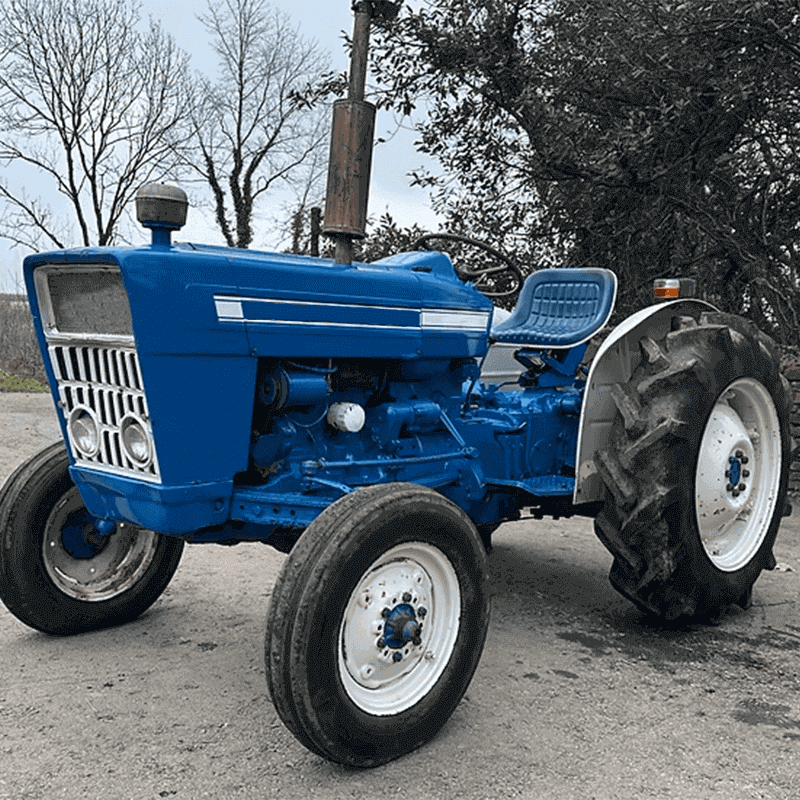
Credit: fridayparts.com
1. Check the basic operating conditions
First, park the tractor safely, lower all implements, shut off the engine, and remove the ignition key. Look for obvious issues like loose belts, damaged driveline parts, bent shafts, or missing pins. Make sure the implement itself is not seized.
A stuck mower gearbox or jammed baler can feel like a PTO failure when the tractor is actually fine. That is another beginner mistake worth avoiding.
2. Test the PTO with no load
Start the tractor and engage the PTO without connecting an implement. If it spins correctly with no load, the problem may be in the implement or only appears under power demand. If it still fails, the issue is likely in the tractor.
Listen carefully. Smooth rotation with no noise is a good sign. Delayed engagement, chatter, or weak spinning points toward clutch, hydraulic, or linkage trouble.
3. Inspect the control lever and linkage
Move the PTO lever and feel for resistance. It should not be sloppy or jammed. Check for worn pins, bent rods, broken springs, or loose mounts. If the lever does not move fully, the internal mechanism may never reach its proper position.
4. Check clutch free play and pedal action
If the tractor has a foot clutch linked to the PTO, measure the free play according to the tractor model specifications. Too little free play can cause slippage. Too much free play can prevent clean release. The correct setting is important, and small differences can make a big change in PTO behavior.
5. Look at hydraulic fluid level and condition
Check the oil level first. Then inspect the fluid. Healthy oil should look clean and match the type recommended for the tractor. Milky oil usually means water contamination. Dark, burnt-smelling oil may mean overheating or wear.
If the tractor uses shared hydraulic and transmission oil, poor oil health can affect more than the PTO. It can also influence steering, lift performance, and shift quality.
6. Examine the PTO shaft and coupler
Remove the implement connection and inspect the PTO shaft splines. Look for rounding, twisting, rust, or heavy wear. A tight, clean fit matters. A coupler that shakes or wobbles can cause vibration and bad power transfer.
7. Check for internal drag or noise
With the tractor safely supported and the engine off, try to turn the PTO by hand if the model allows it. It should move in the expected way for that tractor type. Rough spots, tight spots, or grinding sounds may suggest internal damage.
If the PTO is hard to rotate or makes metal noise, stop there. Forcing it can make the damage worse.
Fixes that often solve the problem
Some Ford tractor PTO problems can be fixed in a short time. Others need more mechanical work. The key is to choose the right fix based on the symptom and your test results.

Credit: reddit.com
Adjust the clutch correctly
If the PTO slips or does not separate well, start with clutch adjustment. Follow the tractor manual for the exact free play setting. Small changes matter here. Even a few millimeters can change engagement quality.
After adjustment, test the PTO again under a light load before moving to heavy equipment.
Replace worn linkage parts
If the lever feels weak or does not fully engage, replace worn pins, bushings, springs, or rods. These parts are not expensive compared with internal repairs, and they often restore normal action.
Change hydraulic oil and filters
If the oil is dirty, old, or contaminated, change it and replace the filters. Use the correct fluid for your Ford tractor model. Wrong oil can create new problems even if the old one was already causing trouble.
After the change, run the tractor and recheck PTO action. Sometimes the difference is immediate.
Repair or replace damaged shafts and splines
If the PTO output shaft or implement coupler is worn, replace the damaged part. A worn spline may still connect, but it will not transmit power smoothly. It can also damage the matching part on the implement, so inspect both sides.
Service the clutch pack or internal PTO unit
If the tractor has an internal hydraulic PTO clutch pack, worn friction discs or seals may need replacement. This is a more advanced repair, but it is often the real fix when all outside checks look normal.
In this stage, it is smart to follow the service manual closely or use a qualified mechanic. Improper assembly can create leaks, pressure loss, or repeated failure.
Replace bearings or gears when needed
Severe noise, metal particles in the oil, or rough turning may point to bearing or gear damage. This is not a repair to delay. If the PTO keeps running with bad bearings, the housing and shaft can suffer deeper damage.
Important mistakes that make PTO problems worse
Some repair attempts create more trouble than the original fault. A careful approach saves time and money.
Using the wrong oil
This sounds simple, but it is one of the most common mistakes. Not all tractor fluids are the same. The wrong oil can reduce hydraulic pressure, change clutch feel, and increase wear.
Forcing the PTO lever
If the lever is stiff, do not force it hard. A bent part or stuck internal piece can break if pushed too far. Gentle diagnosis is safer than sudden force.
Ignoring the implement side
Sometimes the tractor is blamed when the mower or other tool is locked up. Always test the PTO without the implement first. That one step can save hours.
Skipping the simple checks
It is tempting to think the worst right away. But low oil, bad adjustment, or loose linkage are much more common than major internal damage.
When the problem is more serious than a basic repair
Not every PTO issue is a quick fix. If you see metal in the oil, hear loud grinding, or lose PTO function again soon after repair, the tractor may need internal service. Repeated slipping is another warning sign because heat can damage clutch parts and seals quickly.
If the PTO fails only after the tractor warms up, pressure loss from worn seals or weak hydraulic components may be the real cause. That kind of fault can be harder to spot because it behaves normally at first.
For model-specific service data, an official manual or reputable parts source is worth using. The TractorData site is often helpful for identifying Ford tractor model details before you order parts or check specifications.
Simple maintenance that prevents future PTO trouble
Good maintenance reduces most PTO failures before they start. You do not need fancy tools for many of these habits.
- Check hydraulic and transmission oil regularly
- Use the correct fluid and keep it clean
- Grease PTO shaft connections when required
- Inspect the implement driveline before every season
- Watch for clutch pedal change, noise, or slipping early
- Store the tractor and implements in a dry place when possible
One smart habit many owners miss is recording the first small symptom. If the PTO starts slipping only on hot days or only with one implement, that detail can point directly to the cause later.
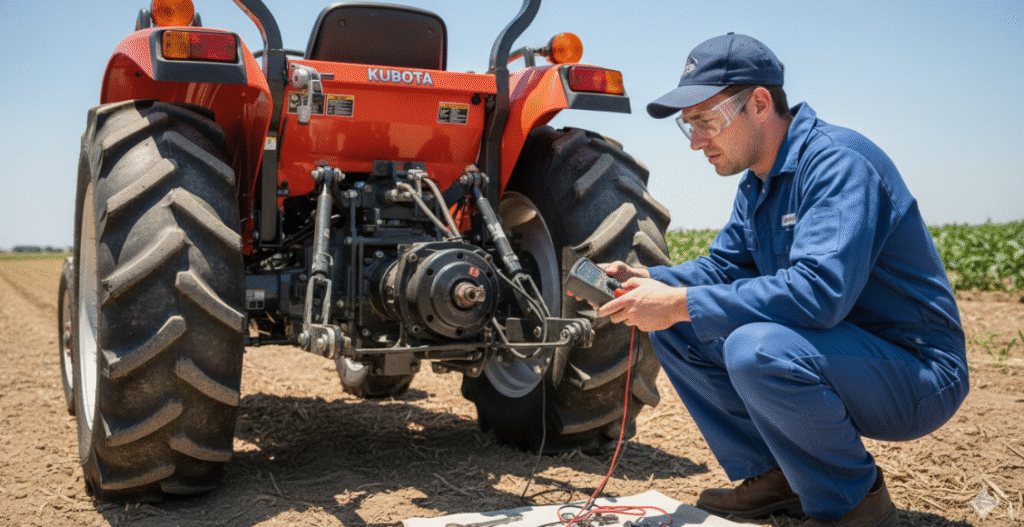
Credit: tractorpartscentral.com
Practical troubleshooting summary
If you want the shortest route through ford tractor pto problems, follow this order:
- Check the implement first.
- Test the PTO with no load.
- Inspect lever movement and linkage.
- Check clutch free play and pedal action.
- Verify oil level and condition.
- Inspect shaft splines and couplers.
- Listen for internal noise or drag.
- Move to internal repair only after outside checks.
This order works because it matches the most common failure points first. It also helps you avoid guessing, which is usually what leads to wasted parts and wasted time.
Frequently asked questions
1. Why does my Ford tractor PTO spin with no load but stop when I connect an implement?
This usually means the PTO is weak under load. The most common causes are worn clutch parts, poor clutch adjustment, low hydraulic pressure, or oil contamination. The tractor can look fine until real work begins.
2. Can bad hydraulic oil cause PTO problems?
Yes. Dirty, low, or wrong oil can reduce pressure and make the PTO slip or engage poorly. In hydraulic PTO systems, oil quality is a major part of the problem, not just a small detail.
3. What does a grinding PTO usually mean?
Grinding often points to partial engagement, worn splines, damaged gears, or internal bearing wear. It should be checked quickly because continued use can turn a small fault into a major repair.
4. Is it safe to keep using the tractor if the PTO slips sometimes?
It is not a good idea. Slipping creates heat and faster wear. If you keep running it, the clutch or internal parts may fail completely and make the repair more expensive.
5. When should I call a mechanic instead of troubleshooting it myself?
Call a mechanic if you find metal in the oil, hear loud internal noise, cannot get correct clutch adjustment, or suspect hydraulic pressure loss inside the tractor. Those issues often need deeper service tools and experience.