
If your zero-turn mower starts acting strange, the exmark wheel motor problems are often one of the first things to inspect. These motors do a hard job. They help drive the wheels with power and control, so when they fail, the mower may slow down, pull to one side, or stop moving well.
The tricky part is that wheel motor trouble does not always look the same. A bad tire, low hydraulic fluid, weak hydro pump, dirty fittings, or worn internal seals can all create similar symptoms. That is why many owners replace parts too early and still do not fix the real issue.
This guide explains the common causes, clear symptoms, and practical fixes in simple language. You will also learn what to check first, what mistakes to avoid, and when it is better to call a professional.
How the wheel motor system works on an Exmark mower
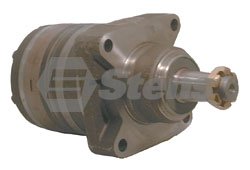
Before you diagnose a problem, it helps to know what the wheel motor actually does. On many Exmark zero-turn mowers, the wheel motor receives hydraulic pressure and turns that power into wheel movement. If the motor is weak, damaged, or starved of fluid, the wheel may not turn with full force.
This system depends on more than one part working well together. The motor, hydraulic lines, pump, filters, fluid, wheel hubs, and even tire pressure all matter. A problem in one place can feel like a wheel motor failure, even when the motor is not the real cause.
That is why a careful diagnosis saves time and money. It also prevents the common mistake of replacing an expensive part when a smaller issue is the real one.
Common parts that affect wheel motor performance
- Wheel motor – Converts hydraulic pressure into wheel movement.
- Hydro pump – Supplies pressure to the motor.
- Hydraulic fluid – Carries power through the system.
- Hydraulic filters – Catch dirt and metal particles.
- Hoses and fittings – Move fluid between parts.
- Wheel hubs and tires – Affect how motion feels on the ground.
Signs that point to wheel motor trouble
Some symptoms are easy to notice. Others are subtle and show up only under load, such as when mowing thick grass or going uphill. Watching for patterns will help you find the real cause faster.
| Symptom | What it may mean | What to check first |
|---|---|---|
| One wheel moves slower than the other | Weak motor, fluid issue, or air in the system | Fluid level, hoses, motor condition |
| Mower loses drive after warming up | Overheating, worn seals, or fluid breakdown | Fluid quality, cooling, leaks |
| Jerky or uneven movement | Air in lines, dirty fluid, or internal wear | Hydraulic system bleed and filter |
| Whining noise near wheel area | Low fluid, cavitation, or pump stress | Fluid level and line condition |
| Mower pulls left or right | Motor imbalance, tire issue, or drive system mismatch | Tire pressure and wheel motor response |
One important detail many beginners miss: a wheel motor problem may show up only when the mower is hot. Cold fluid can hide weak seals and slow internal leakage. After 20 to 30 minutes of use, the problem can become much worse.
Symptoms you should never ignore
- The mower stops moving on one side during heavy mowing.
- The wheel gets very hot compared with the other side.
- You hear a high-pitched whine that was not there before.
- The mower feels weak even with good engine power.
- Fluid leaks appear near the motor shaft or fittings.
Main causes of Exmark wheel motor problems
There are several reasons these motors fail or act weak. Some are simple and cheap to fix. Others mean the motor has worn out internally and may need repair or replacement. The key is to look at the system in order, not guess.
1. Low hydraulic fluid
Low fluid is one of the most common causes of drive trouble. The motor needs enough fluid to create smooth movement. If the level drops too far, the system can pull in air, which causes noise, slow response, and jerky motion.
Low fluid is often caused by leaks, loose fittings, or a recent service issue. It can also happen after a hose replacement if the system was not fully bled.
2. Dirty or degraded hydraulic fluid
Old fluid loses its ability to protect parts and carry pressure correctly. Dirt, water, and metal particles can damage seals and internal surfaces. Once that happens, the motor may lose power or develop internal bypass leakage.
This is a hidden problem because fluid may still look normal from a distance. But if it smells burnt, looks dark, or has tiny shiny particles, it should be treated as a warning sign.
3. Air in the hydraulic system
Air is not just annoying. It changes the way the system behaves. Instead of smooth pressure, the wheel motor gets a spongy flow. That creates jerky motion, delayed response, and sometimes a loud whining sound.
Air usually enters through a leak, a loose fitting, a low fluid level, or improper service. Bleeding the system properly is often the fix.
4. Internal seal wear
Inside the motor are seals that help hold pressure where it belongs. When these seals wear out, fluid can slip past the working surfaces instead of driving the wheel. The motor still turns, but with less force.
This problem often gets worse as the machine heats up. That is because warm fluid is thinner and leaks past worn parts more easily. If the mower works for a while and then gets weak, this is a strong clue.
5. Contamination inside the motor
Fine dirt, rust, and metal wear particles can scratch internal parts. Once the inside of the motor is damaged, performance drops fast. In severe cases, the motor may stick, grind, or fail completely.
This is why filter changes matter. A clogged or old filter does not just lower performance. It can also let damage spread through the whole hydraulic system.
6. Damaged hoses or fittings
A hose may look fine from the outside but still leak air or fluid. Small cracks can be hard to notice. Loose fittings can also reduce pressure and create symptoms that seem like a bad motor.
Check for wet spots, rubbed areas, swelling, and cracks near bends. Do not ignore a tiny leak. Small leaks often become larger under operating pressure.
7. Tire or wheel mismatch
This is a non-obvious cause that many people miss. A wheel motor may be working correctly, but if the tire pressure is different on each side, the mower can pull and feel weak. The same is true if one tire is worn much more than the other.
Always compare both sides before blaming the motor. It is a simple step, but it saves a lot of time.
How to diagnose the problem step by step
A good diagnosis starts with the easiest checks. Do not jump straight to disassembly. Many drive issues can be found with simple inspection and a few basic tools.
Credit: lawnmowerstuff.com
1. Check tire pressure and wheel condition
Make sure both drive tires are set to the same pressure. Inspect tread wear and look for damage. A flat spot or badly worn tire can create a false symptom that feels like motor trouble.
2. Look for leaks
Check the area around the wheel motor, hose ends, and fittings. Wet fluid, dirt sticking to oily areas, or fresh drips are all clues. Even small leaks matter because hydraulic systems rely on proper pressure.
3. Inspect the fluid level and condition
Check the hydraulic reservoir according to the mower manual. If the fluid is low, refill it with the correct type. If it looks dark, foamy, or dirty, the system may need service, not just topping off.
4. Listen for unusual sounds
Whining, growling, or chattering often points to air, low fluid, or pump strain. Try to notice when the sound happens. Is it only under load, only when warm, or all the time? That clue can narrow the issue quickly.
5. Compare both sides
Drive the mower slowly and feel each side. If one side is weak while the other is normal, the problem may be isolated to one wheel motor, one line, or one wheel hub. If both sides are weak, the issue may be in the pump or fluid supply.
6. Test after warm-up
Run the mower long enough for the system to heat up. Some problems only show when the fluid thins out. If the mower works better cold and worse hot, internal wear or fluid breakdown becomes more likely.
Practical tip
If the mower moves fine when lifted off the ground but struggles on grass, that means the system may be weak under load. That does not always prove the motor is bad, but it is a useful clue.
Fixes that often solve the issue
Once you know the cause, the fix becomes much easier. Some repairs are simple and safe for most owners. Others need special tools or mechanical experience.
Credit: amazon.com
Top off or replace hydraulic fluid
If the fluid is low, bring it back to the correct level. If it is dirty or burnt, replace it as recommended by the manufacturer. Use the correct fluid type for your Exmark mower. Wrong fluid can create new problems.
Bleed air from the system
If air is trapped in the lines, follow the proper bleeding procedure. Usually this involves running the mower slowly in a controlled way while cycling the drive system. The goal is to push air back into the reservoir and out of the lines.
Do not rush this step. If air stays trapped, the symptoms will return.
Tighten or replace leaking fittings and hoses
Small leaks should be repaired right away. Replace cracked hoses and damaged seals. Tighten fittings to the correct spec, not just by feel. Over-tightening can damage threads or fittings.
Change filters on schedule
A fresh filter helps protect the whole hydraulic system. If a filter is clogged, the motor may not get enough clean fluid. Replacing the filter is a simple step that often improves performance more than expected.
Clean contaminated components
If dirty fluid caused the issue, the system may need a full flush. In some cases, contaminated fluid can damage the pump and motor at the same time. If metal debris is found, do not assume a filter alone will solve it.
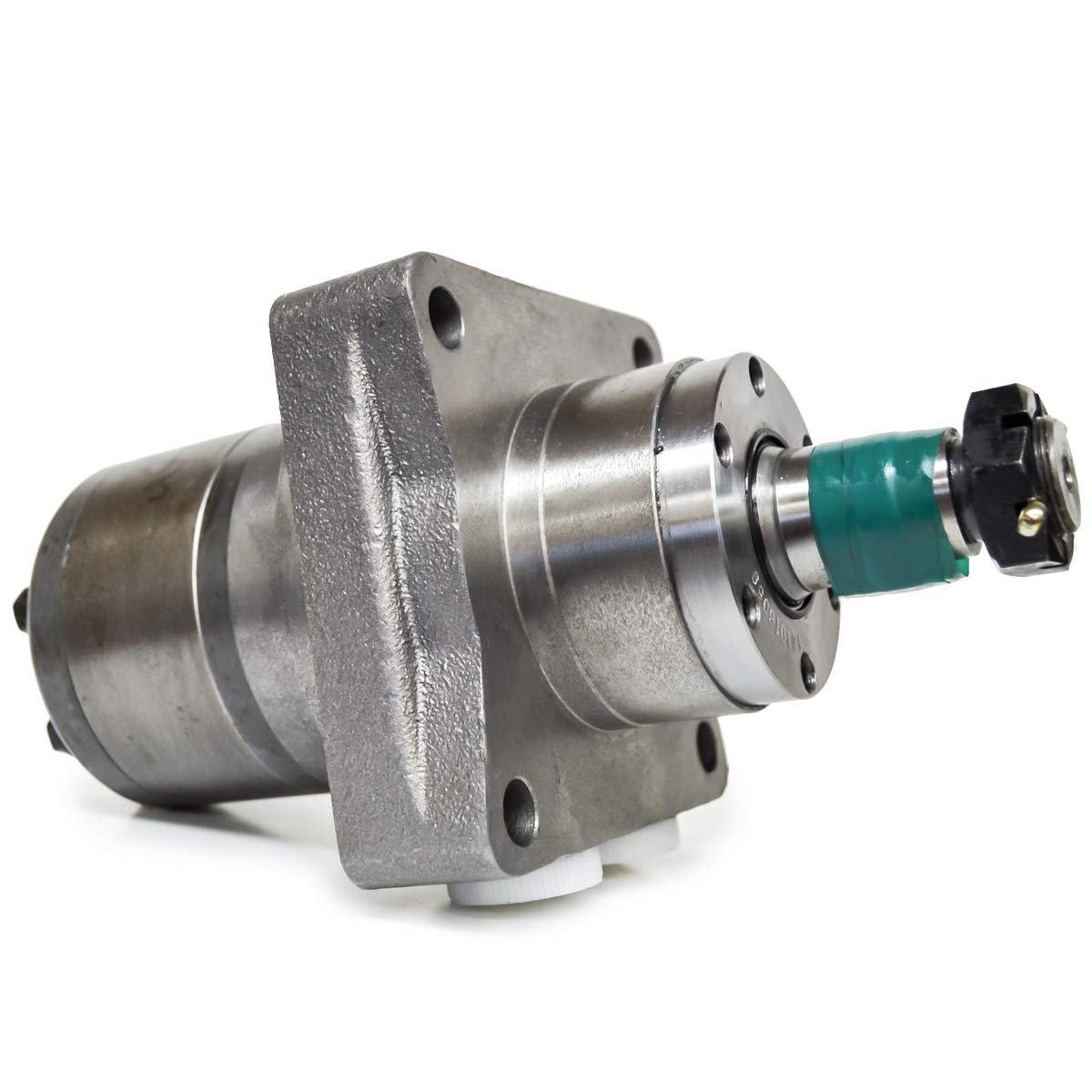
Replace the wheel motor if internal wear is severe
If the motor still slips, overheats, or weakens after fluid service and leak repair, internal damage may be the cause. At that point, replacement is often the best option. Rebuilding is possible in some cases, but it depends on the model and the extent of wear.
One smart rule: if the motor has visible leakage at the shaft seal and also loses power when hot, the problem is often deeper than an external seal alone.
Common mistakes that make the problem worse
Some repairs fail because of small but costly mistakes. Avoiding these will save time and prevent repeat breakdowns.
- Replacing the motor too early – Many symptoms come from fluid, air, or tire issues.
- Using the wrong hydraulic fluid – Not every oil is suitable for every mower.
- Ignoring small leaks – Tiny leaks often become big failures later.
- Forgetting to bleed the system – Air can make a repaired mower act broken.
- Not checking both sides – A mismatch between left and right can hide the real issue.
How to prevent future wheel motor trouble
Prevention is easier than repair. A few regular habits can greatly extend the life of the drive system and reduce the chance of sudden failure.
Follow a simple service routine
- Check fluid level before mowing seasons and during heavy use.
- Inspect hoses and fittings for leaks or rubbing.
- Replace filters on schedule.
- Keep tire pressure equal on both sides.
- Watch for changing drive feel before it becomes a breakdown.
Keep the mower clean
Grass buildup around the drive area can trap heat and hide leaks. Cleaning the underside and the wheel area helps you spot problems early. It also keeps the system cooler.
Use the mower correctly
Avoid repeated hard turns, fast changes in direction, and overloading the machine in thick, wet grass. These habits stress the hydro system and can shorten motor life.
Another detail many owners miss: storage matters. If the mower sits all winter with old fluid, moisture and contamination can slowly damage seals. Proper off-season care helps protect the wheel motors as much as active use does.
When repair is enough and when replacement makes sense
Not every wheel motor problem means a new motor is needed. If the issue is low fluid, air, a leak, or a clogged filter, repair is usually enough. If the motor works well after these fixes, you likely saved a lot of money.
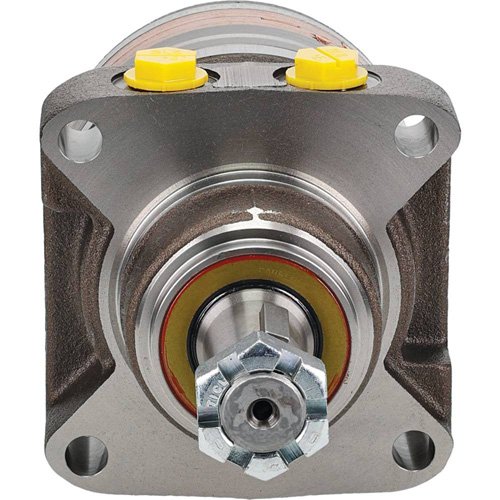
Replacement makes more sense when the motor has internal wear, repeated seal failure, metal contamination, or severe loss of power that returns after service. If the cost of labor and parts gets close to a new unit, replacement is often the smarter long-term choice.
If you want to understand more about hydraulic fluid care and system basics, a reliable reference from Machinery Lubrication can help with general maintenance principles.
Credit: theoempartsstore.com
Final thoughts
Exmark drive issues can feel confusing at first, but the pattern is usually clear once you look closely. The most common causes are low fluid, dirty fluid, trapped air, leaks, and worn internal parts. Tire problems and wheel mismatches can also fool you into thinking the motor has failed.
If you take the time to inspect the system in a logical order, you can often solve the problem without replacing expensive parts. Start with the easy checks, work toward the deeper ones, and pay attention to how the mower behaves when it is hot and under load. That is usually where the real answer shows up.
FAQs
1. What are the most common Exmark wheel motor problems?
The most common issues are low hydraulic fluid, air in the system, dirty fluid, leaking hoses, and worn internal seals. These problems can cause weak drive, jerky movement, and unusual noise.
2. How do I know if the wheel motor is bad or if it is another problem?
First check tire pressure, fluid level, leaks, and filter condition. If one side is still weak after those checks, the wheel motor may be worn internally. Problems that get worse when warm also often point to motor wear.
3. Can low hydraulic fluid damage an Exmark wheel motor?
Yes. Low fluid can let air into the system and reduce lubrication and pressure. If the mower is run too long this way, it can damage seals and other hydraulic parts.
4. Why does my Exmark lose drive after it runs for a while?
This often happens when the fluid heats up and becomes thinner. A weak motor, internal leakage, or poor fluid condition can then show up more clearly. Overheating can also make the system lose performance.
5. Should I repair or replace an Exmark wheel motor?
If the issue is external, such as a leak, air, or dirty fluid, repair is usually enough. If the motor has strong internal wear, repeated failure, or heavy contamination, replacement is often the better choice.