
If your Cub Cadet starts acting strange, one small part may be behind many of the electrical issues: the voltage regulator. This part keeps the battery charging at the right level and protects the electrical system from too much or too little voltage. When it fails, the mower may still run for a while, but the problems usually grow fast.
Many people first notice weak starting, a dead battery, flickering lights, or a battery that keeps dying after a short ride. These signs can look like a bad battery or a loose wire, but the real cause is often the charging system. Understanding Cub Cadet voltage regulator problems helps you find the real fault faster and avoid replacing parts you do not need.
In this guide, you will learn the main symptoms, the common causes, and the best fixes. You will also learn how to test the system safely and avoid mistakes that can damage the battery, stator, or wiring harness.
What the voltage regulator does on a Cub Cadet
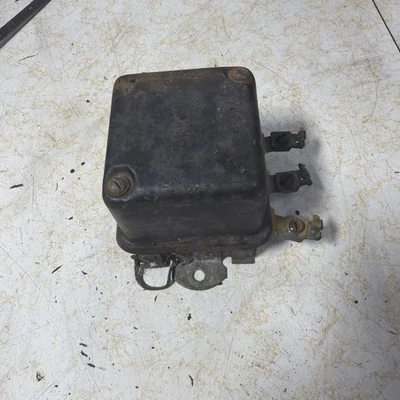
The voltage regulator is the part that controls electrical output from the charging system. On most Cub Cadet mowers, the engine creates AC power through the stator or alternator. The regulator changes that power into steady DC power and sends the correct amount to the battery.
Without this control, the battery can be undercharged or overcharged. Undercharging means the battery will not stay full. Overcharging means the battery can boil, swell, leak, or fail early. Both problems can also harm other electrical parts.
A useful way to think about it is this: the battery stores power, but the regulator manages the flow of power. If the regulator is weak, the battery becomes the first place you notice the problem, but it is not always the real cause.
Common symptoms of voltage regulator trouble
Most charging problems show clear warning signs before the mower stops working. The challenge is that these signs can overlap with battery or wiring faults. Look for patterns, not just one symptom.
1. Battery keeps dying
This is one of the most common signs. If the battery starts the mower today but is weak again after a short time, the charging system may not be restoring it properly. A good battery that keeps losing charge often points to a regulator or stator issue.
2. Battery overcharges
If the battery gets hot, smells like sulfur, leaks, or shows swelling, the charging system may be sending too much voltage. Overcharging is serious. It can shorten battery life and damage wiring, fuses, and electrical accessories.
3. Engine starts only with a jump
When the battery cannot recover after use, the mower may need a jump start every time. This does not always mean the battery is bad. A faulty regulator may be failing to keep the battery charged during normal operation.
4. Dim or unstable lights
If your mower has lights and they flicker, dim, or brighten with engine speed, the charging system may not be regulating output well. A failing regulator can create unstable voltage that is easy to notice in the lights.
5. Burning smell near the engine
A hot electrical smell can mean a regulator is overheating. It may also point to loose wires, bad grounding, or a short circuit. Do not ignore this sign. Heat can damage nearby parts quickly.
6. Blown fuses or melted connectors
Too much voltage or a poor connection can damage plugs, connectors, and fuses. If you see darkened plastic, brittle wires, or repeated fuse failures, check the charging circuit carefully.
7. Battery voltage never rises
When the engine is running, battery voltage should usually rise above resting voltage. If it stays low the whole time, the battery may not be receiving charge from the regulator. This is a strong clue that something is wrong in the charging path.
Main causes behind Cub Cadet voltage regulator problems
There are several reasons a regulator can fail. Some are electrical. Some are simple wear and tear. Some begin with another part and eventually damage the regulator too.
1. Heat damage
Heat is a common enemy of regulators. They are mounted near the engine and often work in a tight space. Long mowing sessions, blocked airflow, and dirty engine areas can raise temperatures and shorten regulator life.
Non-obvious insight: heat damage often builds slowly. A regulator may work cold but fail after 15 to 20 minutes of mowing. That is why a machine can test fine in the garage and still fail in the yard.
2. Bad grounding
A regulator must have a clean, solid ground path. Rust, paint, dirt, or loose mounting bolts can interrupt grounding. When this happens, the regulator cannot control voltage properly, even if the part itself is not fully dead.
3. Loose or corroded connectors
Charging systems depend on clean connections. Corrosion, bent pins, broken wires, or loose plugs can create resistance. That resistance can make the regulator read and control voltage incorrectly.
4. Faulty stator or alternator output
The regulator can only manage the power it receives. If the stator is weak, the regulator may seem bad when the real issue is low AC input. This is one of the biggest mistakes people make when troubleshooting.
5. Battery problems
A weak or damaged battery can confuse the diagnosis. A bad battery can make the charging system work harder than normal. It can also make voltage readings look strange, especially if the battery has an internal short.
6. Water and debris exposure
Mowers work outdoors, so moisture and grass buildup are normal threats. Water can enter connectors, and debris can trap heat around the regulator. Over time, this raises the chance of failure.
7. Wrong replacement part
Not every regulator fits every Cub Cadet model. Using the wrong part number can cause low charge, high charge, or connector mismatch. Always match the part to the mower model and engine type.
How to test the charging system the right way
Before replacing anything, test the battery, regulator, and stator. This saves time and money. A multimeter is the main tool you need for basic checks.
Safety first: turn off the engine before connecting or disconnecting wires. Keep hands, tools, and clothing away from moving parts. If a connector looks burnt or a wire is exposed, stop and inspect before further testing.
Credit: ebay.com
Step 1: Check the battery at rest
With the mower off and the battery fully charged, measure battery voltage. A healthy 12-volt battery often reads around 12.6 volts or a little higher when fully charged.
If the resting voltage is much lower, charge the battery first. Do not test the regulator using a weak battery that has not been charged properly.
Step 2: Check voltage with the engine running
Start the engine and measure the battery again. At mid to full throttle, the charging voltage should usually rise above resting level. Many systems read around 13.5 to 14.5 volts, depending on the model.
If the reading stays near resting voltage, the battery may not be charging. If the voltage climbs too high, overcharging may be happening.
Step 3: Test AC output from the stator
If the battery voltage is low while running, disconnect the regulator and check the stator output according to your model’s service information. Stator output should produce AC voltage. If output is weak or missing, the regulator may not be the real problem.
Step 4: Inspect wiring and grounds
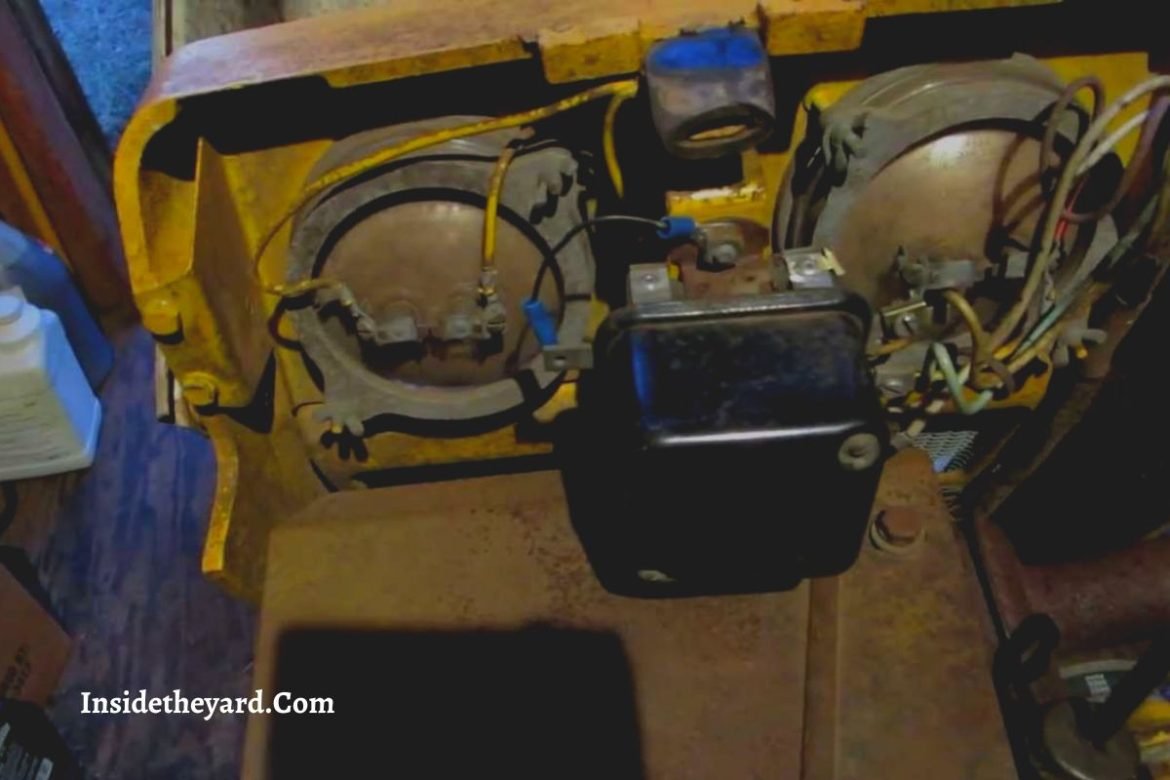
Look for loose plugs, broken insulation, damaged terminals, and corrosion. Remove the regulator mounting area if needed and clean the contact surface. A bad ground can cause the same symptoms as a failed regulator.
Step 5: Load test the battery if needed
Sometimes the charging system is fine, but the battery is unable to hold a charge. A load test helps confirm whether the battery can still perform under demand. If the battery fails, replace it before blaming the regulator.
For a general reference on safe battery and electrical testing, the Interstate Batteries testing guide is a helpful starting point.
How to tell if the regulator is really bad
A failed regulator usually shows a clear pattern, not just one bad reading. If the battery is good, the stator output is present, the wiring is clean, and the ground is solid, then the regulator becomes the main suspect.
Here are strong signs the regulator itself has failed:
- Battery voltage does not rise when the engine runs
- Voltage is unstable and jumps too high or too low
- The regulator runs unusually hot
- The battery shows signs of overcharging even with good wiring
- All other charging parts test normal
Non-obvious insight: some regulators fail only when hot. That means the mower may charge fine for the first few minutes, then stop charging after the engine warms up. If that happens, repeat your test after the mower has run long enough to heat the system.
Fixes that actually solve the problem
The right fix depends on what failed. Do not replace the regulator first unless the tests support it. In many cases, the real fix is simpler.
Credit: insidetheyard.com
1. Clean and tighten all connections
Start with the basics. Clean battery terminals, regulator plugs, ground points, and any corroded connectors. Use electrical contact cleaner if available. Tighten loose terminals, but do not crush them.
2. Repair damaged wires
If you find broken, burned, or frayed wires, repair them properly. A weak repair can cause the same issue again. Use the correct connectors and insulation so vibration does not reopen the fault.
3. Replace the battery if it is weak
If the battery cannot hold a charge or fails a load test, replace it. A bad battery can overload the charging system and make troubleshooting confusing. New regulators do not fix bad batteries.
4. Replace the regulator with the correct part
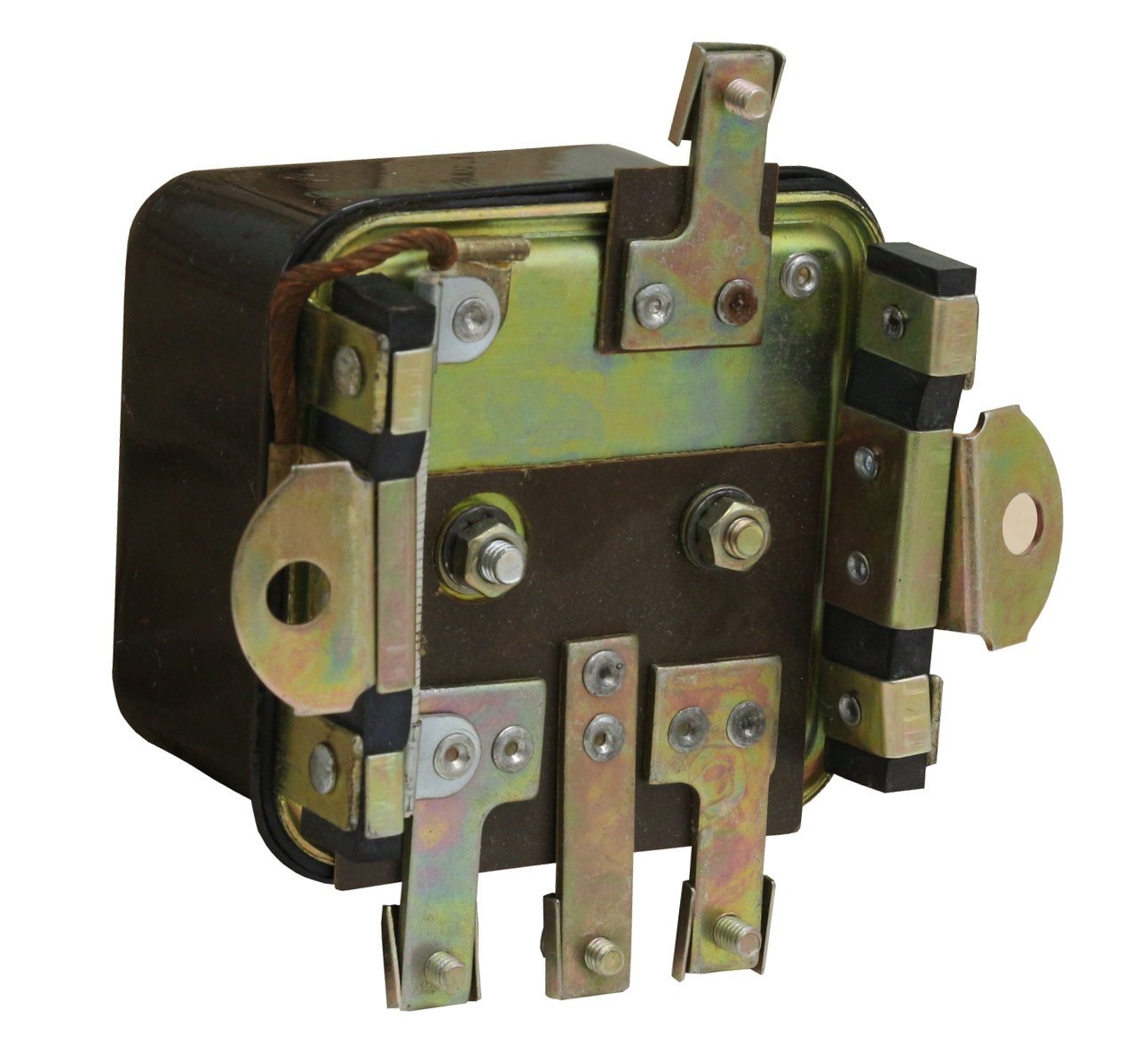
If all tests point to the regulator, install a quality replacement made for your exact Cub Cadet model and engine. Avoid guessing. Part numbers matter because connector style and output rating can differ.
5. Fix airflow and heat buildup
Clean grass from the engine area and make sure cooling fins, shrouds, and vents are clear. Heat reduction can help a new regulator last longer. If the original regulator failed because it was cooked by poor airflow, the new part may fail too unless you address the cause.
6. Improve grounding
Remove rust and paint from the mounting area if the regulator grounds through its case. Use clean metal contact. Reinstall firmly so vibration does not loosen the connection later.
Replacement tips before you buy a new regulator
Buying the wrong part is easy. To avoid that, check the model number of your Cub Cadet, the engine brand, and the part number on the old regulator if it is still readable.
Also check these details before ordering:
- Connector shape and number of pins
- Mounting hole pattern
- Input and output wire count
- Voltage rating for the engine charging system
- Whether the regulator is OEM or compatible aftermarket
Non-obvious insight: two regulators can look almost identical and still not work the same. The connector may fit, but the internal output control may differ. That is why visual match alone is not enough.
When the problem is not the regulator
Sometimes the regulator gets blamed too quickly. If your Cub Cadet still has charging issues after replacement, look back at the full system.
The problem may be:
- A weak stator
- A bad ignition switch
- A blown fuse in the charging path
- A poor battery cable connection
- A faulty key switch or wiring harness
If the mower dies only after hitting bumps, suspect loose wiring or a bad connection first. If the charging issue changes with engine speed, focus on the stator and regulator together. If the battery drains while sitting, the issue may be a parasitic draw rather than the regulator.
How to prevent future voltage regulator failure
A new regulator should last much longer if the system stays clean and cool. Good maintenance also protects the battery and the rest of the electrical system.
- Keep the engine area free of grass, dirt, and oil buildup.
- Check battery terminals often and clean corrosion early.
- Make sure the regulator is mounted firmly.
- Inspect wiring after rough use or service work.
- Replace a weak battery before it stresses the charging system.
- Do not use parts that do not match the exact mower setup.
These simple steps can reduce heat, resistance, and electrical stress. That is important because many charging failures begin as small maintenance problems.
A practical way to troubleshoot faster
When you face Cub Cadet voltage regulator problems, work in this order: battery, connections, ground, stator, regulator. This sequence prevents guesswork. It also helps you avoid replacing the most expensive or least likely part first.
If you want a short mental rule, use this: check the battery before the regulator, and check the wiring before both. That one habit can save a lot of time.
Credit: amazon.com
Final thoughts
Cub Cadet charging problems often look bigger than they are. A dead battery, dim lights, or repeated jump starts may point to a failed regulator, but the real cause could be corrosion, heat, a weak battery, or a bad stator. Careful testing is the best way to reach the truth.
If you follow a simple testing order and look for the full pattern, you can fix the problem with less stress and fewer wasted parts. In many cases, the solution is not only replacing the voltage regulator, but also cleaning the system, improving ground quality, and stopping heat damage before it starts.
FAQs
1. What are the most common signs of Cub Cadet voltage regulator problems?
The most common signs are a battery that keeps dying, overcharging, dim or flickering lights, and a mower that needs frequent jump starts. A burning smell or melted connectors can also point to charging trouble.
2. Can a bad battery look like a bad voltage regulator?
Yes. A weak battery can create symptoms that look like regulator failure. That is why you should test the battery first before replacing charging parts.
3. How do I know if the regulator or stator is bad?
If the battery does not charge and the wiring is good, test the stator output. If the stator produces proper AC power but the battery still does not charge correctly, the regulator is more likely the problem.
4. Is it safe to keep using a mower with a bad voltage regulator?
It is not a good idea. A bad regulator can overcharge the battery, damage electrical parts, or leave you with a mower that will not start later. Fix it as soon as possible.
5. What should I replace first if I suspect charging system trouble?
Start with the battery, terminals, and wiring connections. Then test the stator and regulator. This order helps you avoid replacing parts that are still good.