
If you own a Cub Cadet SC2400, you probably like it for one reason: it is small, useful, and strong enough to handle real work without feeling too big. But like any compact tractor, it can develop problems after years of mowing, hauling, digging, or winter use.
The good news is that many cub cadet sc2400 problems are not serious. They often come from simple causes like weak batteries, dirty filters, low hydraulic fluid, worn belts, or bad maintenance habits. If you know what to look for, you can save time, avoid costly repairs, and keep the tractor running well.
This guide explains the most common issues, why they happen, and how to fix them in a practical way. It is written to help owners who want clear answers, not confusing mechanic talk.
What usually goes wrong on the SC2400
The Cub Cadet SC2400 is a compact tractor with a diesel engine and a hydrostatic transmission. That combination is reliable, but it also means a few systems must work together all the time. When one part is weak, the tractor can start acting strange.
Most problems fall into a few groups: starting trouble, loss of power, hydraulic issues, transmission hesitation, steering or braking concerns, and mower deck problems. A smart first step is to notice when the problem happens. Does it occur only when cold? Only under load? Only after running for a while? That clue often points to the cause faster than any guess.
One important thing beginners miss is that many tractor issues are not caused by one broken part. Often, they are caused by a chain of small things. For example, a dirty fuel filter can make the engine feel weak, and that weakness may look like transmission trouble. Another common mistake is replacing parts before checking simple maintenance items first.
Starting problems and no-crank situations
One of the most common cub cadet sc2400 problems is trouble starting the engine. Sometimes the starter does not crank. Other times it cranks slowly or the engine turns over but will not fire.
Common causes
- Weak or dead battery
- Loose or corroded battery terminals
- Bad ground connection
- Faulty starter relay or ignition switch
- Glow plug issues in cold weather
- Fuel system air leak or clogged fuel filter
What to check first
Start with the battery. A diesel tractor needs a strong battery, especially in cold weather. If the lights are weak or the starter clicks but does not turn, the battery may not have enough power. Clean both terminals and make sure the cables are tight.
Next, check the seat switch, PTO switch, and brake safety switch. These safety parts can stop the tractor from starting if they think something is not in the right position. That is annoying, but it is also a safety feature.
If the engine cranks but will not start, look at the fuel side. Diesel engines are sensitive to air in the fuel lines. If the tractor sat for a long time, or if the fuel filter has not been changed in a while, the system may need bleeding.
Practical fix
Charge or replace the battery if needed. Clean terminals with a wire brush. Check cable ends for rust. If the battery is good but the tractor still will not crank, test the starter relay and ignition switch. For no-start issues, replace the fuel filter if it looks dirty, and make sure fresh diesel fuel is in the tank.
If your SC2400 starts better when warm than when cold, the glow plug system deserves a closer look. That is a detail many owners overlook. A weak glow plug can make the tractor seem like it has a major engine problem when the real issue is only poor cold starting.
Engine runs rough or loses power
A tractor that starts but runs rough is often more frustrating than one that will not start at all. You may hear uneven engine sound, see smoke, or notice the tractor struggling on hills or with attachments.
Common causes
- Dirty air filter
- Clogged fuel filter
- Old or contaminated diesel fuel
- Restricted fuel lines
- Injector issues
- Overheating
How to diagnose it
Start with airflow. A dirty air filter is a simple problem, but it can cause real power loss. If the engine cannot breathe well, it may smoke and feel lazy under load. Then check the fuel filter. Diesel engines need steady fuel flow, and a partially blocked filter can cause power loss that gets worse as the engine works harder.
Black smoke often points to too much fuel or not enough air. White smoke can mean unburned fuel, cold starting trouble, or injector issues. Blue smoke usually suggests oil burning. These smoke colors are useful clues, not just noise.
Practical fix
Replace the air filter if it is dirty or wet. Replace the fuel filter if there is any doubt about its condition. Use clean diesel fuel and drain old fuel if the tractor has been sitting for a long period. If the problem continues, inspect the injectors and have the fuel system tested.
One non-obvious issue: a tractor can lose power simply because it is overheating. When the engine gets too hot, it may run poorly even if the fuel and air systems are fine. That is why cooling system checks matter whenever the engine feels weak.
Overheating during work
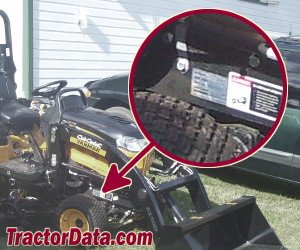
Overheating is one of the problems you should never ignore. A diesel engine that runs too hot can suffer expensive damage fast. If you notice the temperature climbing during mowing or loader work, stop and investigate before the engine gets worse.
Credit: tractordata.com
Common causes
- Dirty radiator screen or cooling fins
- Low coolant level
- Loose or slipping fan belt
- Debris packed around the engine
- Thermostat problem
- Radiator blockage
What many owners miss
Compact tractors often work in grass, dust, and fine debris. That material can pack into the radiator screen and reduce airflow. If the screen looks only a little dirty, it may still be enough to cause heat buildup during heavy use. The tractor may seem fine at idle but overheat after 20 or 30 minutes of work.
Also, low coolant is not always caused by a visible leak. Sometimes the system is slowly losing coolant through a weak hose clamp or cap seal. That small loss can add up over time.
Practical fix
Clean the radiator screen, grill area, and cooling fins regularly. Check coolant level only when the engine is cool. Inspect belts for cracks or looseness. If overheating continues, test the thermostat and check for coolant flow problems. If you are not sure, a pressure test is a good next step.
For general engine cooling advice, the Cub Cadet support page is a useful starting point for manuals and maintenance information.
Hydraulic and loader problems
The SC2400 uses hydraulics for lift functions and, in many setups, loader work. When the hydraulics act up, the tractor may feel weak, slow, jerky, or unable to raise attachments properly.
Common causes
- Low hydraulic fluid
- Dirty hydraulic fluid
- Air in the hydraulic system
- Worn hydraulic hoses
- Faulty control valve
- Weak hydraulic pump
Signs to watch for
If the loader raises slowly, the three-point hitch feels weak, or movements are jerky, the system may be low on fluid or pulling air. A whining sound is another clue. If the hydraulics work better when the machine is cold and worse when hot, fluid condition or pump wear may be involved.
Another subtle sign is uneven response. For example, one function may work well while another is slow. That often points to a valve, line, or cylinder issue rather than a full pump failure.
Practical fix
Check hydraulic fluid level first. Use the correct fluid type recommended in the manual. Inspect visible hoses for cracks, leaks, or soft spots. If the fluid looks dark, milky, or dirty, it may need to be changed. After any hydraulic service, bleed air from the system if required.
Do not assume a weak hydraulic pump is the first problem. Many owners go too far too fast. In reality, low fluid or a small leak causes more hydraulic trouble than a failed pump.
Transmission hesitation or poor travel speed
The hydrostatic transmission is one of the best parts of this tractor, but it can develop hesitation, weak drive, or delayed response if maintenance is neglected. Since the tractor depends on smooth hydraulic power to move, even a small issue can make driving feel sluggish.
Common causes
- Low hydrostatic fluid
- Clogged transmission filter
- Air in the system
- Pedal linkage problems
- Belt slipping
- Worn transmission components
How it feels when something is wrong
You may press the pedal and feel the tractor delay before moving. It may creep slowly uphill, lose speed under load, or feel jerky when changing direction. Sometimes the transmission seems fine at low demand but weak when towing or mowing thick grass.
Practical fix
Check transmission fluid level and condition. Inspect the drive belt if your model setup uses one for the hydrostatic system. Make sure the pedal linkage moves freely and is not bound by dirt or rust. If the fluid has not been changed in a long time, service it according to the manual.
A helpful tip: if the tractor feels weak only after long use, the transmission may be overheating or the fluid may be breaking down. That is different from a permanent mechanical failure, and it is often fixable with proper service.
Steering feels stiff or uneven
Steering issues can make a compact tractor hard to use, especially in tight spaces. The SC2400 should steer smoothly. If the wheel feels stiff, jerky, or noisy, something is not right.
Common causes
- Low hydraulic fluid
- Air in the steering circuit
- Worn front axle parts
- Loose steering linkage
- Low tire pressure
- Dirty or damaged pivot points
What to inspect
Start with the front tires. Unequal or low pressure can make steering harder than it should be. Then inspect tie rods, joints, and front axle points for looseness or wear. If the tractor uses hydraulic assistance in the steering system, fluid level matters a lot.
Sometimes steering trouble is mistaken for front-end wear when the actual issue is just dry or dirty pivot points. A little grease can make a big difference, but only if the parts are still in decent shape.
Practical fix
Inflate tires to the proper pressure. Lubricate steering and front-end points if they are serviceable. Check for play in joints and replace worn parts early. If steering remains stiff, inspect the hydraulic system and look for a related fluid problem.
Brake and safety switch complaints
Brake problems are not always dramatic, but they matter a lot. If the tractor will not hold on a slope, stops poorly, or refuses to start because of a safety switch, the issue should be taken seriously.
Common causes
- Worn brake components
- Loose pedal linkage
- Dirty or misadjusted safety switch
- Corrosion in wiring connectors
- Operator presence switch failure
Practical fix
Inspect brake pedal travel and linkage adjustment. Look for rust or dirt around the switches. Clean connectors carefully if corrosion is present. Replace worn brake parts before they become a safety risk. If the tractor starts only when a certain pedal position is held, the switch likely needs adjustment or replacement.
Many owners ignore safety switch problems because the tractor sometimes still works. That is a mistake. A weak switch can leave you stuck in the middle of a job, and it can also create unsafe conditions.
Mower deck cuts poorly or vibrates
If your SC2400 is used with a mower deck, cutting problems can show up as uneven grass, vibration, or noisy operation. These issues are common, but they are usually easy to trace.
Common causes
- Dull blades
- Bent blades
- Loose deck belt
- Worn spindle bearings
- Deck not leveled correctly
- Grass buildup under the deck
Practical fix
Check the blades first. Dull or bent blades are the most common reason for poor cutting. Then inspect the belt for cracks and proper tension. Remove packed grass from under the deck because buildup can affect airflow and cutting quality. If vibration continues, check spindle bearings and pulleys.
One detail many people miss is deck level. A deck that is slightly out of level may still cut, but it will cut poorly. That is why mowing problems are not always caused by a bad blade. Sometimes the setup is the real problem.
Simple maintenance that prevents many of these problems
Most cub cadet sc2400 problems become less frequent when maintenance is done on time. Compact tractors work hard, and they reward regular care.
Good habits that help
- Check engine oil before each use
- Keep the air filter clean
- Replace fuel filters on schedule
- Inspect coolant level often
- Watch hydraulic fluid condition
- Grease moving parts as needed
- Clean the radiator screen after dusty or grassy work
Also, do not store the tractor with old fuel in the tank for long periods. Diesel fuel can degrade and cause starting or injector problems. If the tractor sits for weeks or months, run it periodically and keep the battery charged.
Maintenance items and what they affect
| Maintenance item | Main system affected | What happens if ignored |
|---|---|---|
| Battery and terminals | Starting | Slow crank, no crank, weak electrical performance |
| Air filter | Engine breathing | Loss of power, smoke, rough running |
| Fuel filter | Fuel delivery | Hard start, stalling, poor load performance |
| Coolant and radiator cleaning | Engine cooling | Overheating and reduced engine life |
| Hydraulic fluid and filter | Lift and drive functions | Weak hydraulics, hesitation, noisy operation |
| Belts and pulleys | Transmission and mower deck | Slipping, vibration, poor cutting, power loss |
How to narrow down the real cause faster
When a tractor acts up, it is easy to guess wrong. The faster method is to sort the symptoms into three groups: engine, hydraulics, or attachment. That keeps you from chasing the wrong part.
- Engine symptoms: hard start, smoke, rough idle, loss of power, overheating.
- Hydraulic symptoms: slow lift, weak loader, jerky motion, steering weakness.
- Attachment symptoms: vibration, poor mowing, belt noise, uneven cutting.
If the problem appears only when the PTO is engaged, focus on the deck or implement first. If the tractor drives poorly even with no attachment running, focus on the transmission or engine. That simple separation can save a lot of time.
Two troubleshooting mistakes to avoid
First, do not replace expensive parts before checking the basics. Many owners buy starters, pumps, or injectors when the actual problem is a loose connection or clogged filter.
Second, do not test a problem only once. Some SC2400 issues come and go based on temperature, load, or vibration. Try to duplicate the problem under the same conditions. That gives much better clues.
When to call a mechanic
Some repairs are safe for a careful owner. Others are better left to a technician. Call for help if the tractor has severe overheating, heavy smoke, major hydraulic leaks, or transmission failure. Also get professional support if you suspect injector, pump, or internal engine problems.
If the tractor has repeated starting issues after battery, fuel, and switch checks, deeper electrical testing may be needed. A mechanic with proper tools can find voltage drops, weak relays, and hidden wiring faults much faster.
Keeping the SC2400 reliable for the long run
The best way to reduce cub cadet sc2400 problems is to treat the tractor like a machine that works for you, not a machine that can be ignored between jobs. Small checks matter more than emergency repairs.
Clean the tractor after dusty work. Grease fittings before they get dry. Change filters on time. Store it in a dry place if possible. And if something sounds different, stop and check it early. Small warnings often prevent big repairs.
The SC2400 can stay dependable for many years if it is cared for properly. Most trouble comes from neglected maintenance, not from a design flaw. That is good news, because it means many problems are preventable.
FAQs
1. What are the most common Cub Cadet SC2400 problems?
The most common issues are hard starting, weak engine power, overheating, hydraulic weakness, transmission hesitation, and mower deck vibration. In many cases, the cause is simple maintenance trouble such as dirty filters, low fluid, or worn belts.
2. Why does my SC2400 crank but not start?
It may have weak glow plugs, air in the fuel system, a clogged fuel filter, or a bad safety switch. Start with the battery and fuel supply before moving to more advanced parts.
3. Why does the tractor lose power when working hard?
Loss of power often comes from a dirty air filter, blocked fuel filter, old fuel, or overheating. If the tractor loses power only after running for a while, heat buildup is a strong clue.
4. How often should I check hydraulic fluid?
Check it regularly, especially if the loader or three-point hitch feels weak. If the tractor is used often, a quick fluid check before work can help catch leaks or low levels early.
5. Can I prevent most SC2400 problems with regular care?
Yes. Regular filter changes, battery care, cooling system cleaning, fluid checks, and belt inspection can prevent many common failures. Small maintenance habits make the biggest difference over time.