
If you own a Cub Cadet 6284, you already know it is a strong compact tractor. It can handle mowing, loader work, and many small farm jobs. But like any used machine, it can also develop problems over time. Some issues are simple. Others point to deeper wear in the engine, fuel system, electrical parts, or hydrostatic drive.
This guide explains the most common cub cadet 6284 problems, why they happen, and what you can do to fix them. The goal is to help you save time, avoid guesswork, and decide when a repair is easy and when it needs a mechanic.
Quick checks for common Cub Cadet 6284 symptoms
| Symptom | Likely area to inspect | First check |
|---|---|---|
| Barely moves forward but reverses | Hydrostatic linkage, fluid level, filter, or drive control adjustment | Check hydro fluid level, linkage travel, filter condition, and whether the pedals return cleanly. |
| Loud grinding while moving | Drive belt, pulley, transaxle, brake linkage, or worn bearing | Stop driving, inspect belts and pulleys, and look for metal noise near the transmission. |
| Hydraulic lift is weak or slow | Hydraulic fluid, pump, filter, valve, or cylinder leak | Check fluid level, leaks, filter service, and whether the lift changes after warming up. |
| PTO cuts out or will not engage | PTO switch, safety circuit, clutch, wiring, or low voltage | Test battery voltage, seat switch, PTO switch, and clutch connector before replacing parts. |
You will also learn a few less obvious warning signs that many beginners miss. These small details often tell you what is really wrong before a bigger failure happens.
What Usually Fails First on a Cub Cadet 6284
The Cub Cadet 6284 is a solid tractor, but age changes everything. Rubber parts dry out. Wiring gets loose. Filters clog. Bearings wear. In many cases, the machine does not fail all at once. It gives small signs first.
The most common trouble areas are:
- No-start or hard-start problems
- Engine running rough or stalling
- Loss of power under load
- Hydrostatic drive problems
- PTO or electrical failures
- Overheating or fluid leaks
These issues often look different on the surface, but the root cause is usually one of four things: fuel delivery, air flow, electrical supply, or fluid condition. That is why many owners replace parts before finding the real problem.
Why age matters more than hours
Some owners only look at engine hours. That helps, but it does not tell the full story. A tractor with low hours can still have old fuel, weak wiring, cracked hoses, or a dirty carburetor. A machine stored outside often has more issues than one with higher hours but better care.
Non-obvious insight: many starting problems are caused by bad grounds, not the battery itself. A weak ground can let lights work fine while the starter still refuses to crank normally.
Starting Problems: No Crank, Slow Crank, or Hard Start
One of the most common cub cadet 6284 problems is trouble starting the tractor. Sometimes the starter does not turn at all. Sometimes it cranks slowly. Sometimes it starts only after several tries.
Common causes
- Weak battery
- Corroded battery terminals
- Bad ground connection
- Faulty ignition switch
- Starter relay or solenoid failure
- Loose safety switch connection
- Thick oil in cold weather
How to fix it
- Check the battery voltage. A healthy fully charged 12-volt battery should read about 12.6 volts or more.
- Clean the battery posts and cable ends.
- Inspect the ground cable where it connects to the frame or engine.
- Listen for a click when turning the key. If you hear a click but no crank, the solenoid or starter may be bad.
- Test the safety switches, especially the seat switch and PTO switch.
- If the engine cranks slowly, check cable resistance and starter condition.
Sometimes the problem is not the battery at all. A battery can show good voltage and still fail under load. That is why a load test matters more than a quick meter check.
Non-obvious insight: a poor battery cable can look fine from the outside but be damaged inside the insulation. If the cable feels stiff, warm, or swollen, it may be hiding internal corrosion.
Engine Starts Then Dies
Another common issue is when the tractor starts, runs for a short time, and then shuts off. This can be confusing because the problem feels random. In many cases, the engine is losing fuel or spark after starting.
What causes this
- Dirty fuel filter
- Clogged fuel lines
- Old fuel
- Failing fuel pump
- Carburetor contamination
- Ignition coil or electrical heat failure
- Safety switch opening the circuit
Practical fix steps
Start with the fuel. Old fuel is a very common cause, especially if the tractor sat unused. Drain stale fuel and replace it with fresh gasoline. Replace the fuel filter if you do not know its age.
If the tractor still dies, check whether fuel is reaching the carburetor. A weak pulse from the fuel pump may only show up after the engine warms up. If the fuel flow is weak, the pump should be tested or replaced.
Also watch for a heat-related ignition failure. An ignition coil can work cold and fail after a few minutes. This is why some tractors start fine in the morning but stall once they warm up.
When to suspect the carburetor
If the engine runs only with choke or surges at idle, the carburetor may be dirty. Gummed-up jets and passages are common after storage. Cleaning may help, but if the carburetor is badly corroded, replacement is often the better choice.
Rough Running, Surging, and Poor Idle
If the engine does not run smoothly, the tractor may feel weak or unstable. It may surge up and down, idle rough, or stumble when you move the throttle. This is often blamed on the carburetor, but air leaks and fuel restrictions can do the same thing.
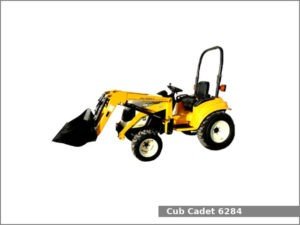
Credit: tractor-specs.net
Main causes
- Dirty air filter
- Restricted fuel supply
- Carburetor adjustment off
- Vacuum leak
- Worn spark plug
- Low compression in one cylinder
Fixes that usually help
Replace the air filter first. A clogged filter can make the mixture too rich and reduce power. Next, inspect the fuel filter and lines for blockage or cracks. Then check the spark plugs. A worn plug can still fire, but not well enough to keep the engine smooth under load.
Vacuum leaks are easy to miss. Look for loose intake bolts, cracked boots, or bad gaskets. Even a small air leak can create hunting or surging at idle.
Non-obvious insight: if the tractor surges mostly at steady throttle but improves under load, that often points to fuel metering issues in the carburetor rather than a major engine problem.
Loss of Power While Mowing or Pulling
The Cub Cadet 6284 is built for work, so power loss becomes very noticeable. If the tractor slows down on hills, struggles with the mower deck, or feels weaker than before, you need to look at both the engine and the drive system.
Possible reasons
- Clogged air filter
- Dirty fuel system
- Plugged muffler or exhaust restriction
- Worn spark plugs
- Incorrect tire pressure
- Hydrostatic drive wear
- Dragging brake or belt issue
What to check first
Start with the simple items. Clean the air filter and inspect the fuel supply. Make sure the throttle is opening fully. Check for a belt that is slipping or a deck that is packed with grass. Sometimes the tractor feels weak because the mower deck is creating drag, not because the engine is failing.
If the engine speed stays steady but ground speed drops, the hydrostatic system may be the issue. Low hydraulic fluid, worn drive parts, or a slipping transmission belt can all reduce performance.
| Symptom | Most likely area | What to inspect first |
|---|---|---|
| Engine bogs down | Fuel or air system | Air filter, fuel filter, plug condition |
| Ground speed drops | Hydrostatic drive | Fluid level, belt, transmission response |
| Mower seems heavy | Deck or belt drag | Deck cleanout, belt tension, spindle condition |
Hydrostatic Transmission Problems
Many owners search for cub cadet 6284 problems because the tractor no longer moves as it should. The hydrostatic transmission is a common source of trouble. You may notice slow response, jerking, weak forward motion, or poor reverse.
Symptoms you may notice
- Tractor moves slowly even with the pedal down
- Jerky movement when starting or stopping
- Loss of drive after warming up
- Poor reverse speed
- Whining or whining that gets louder with use
Likely causes
- Low hydraulic fluid
- Old or wrong fluid
- Air trapped in the system
- Worn drive belt
- Linkage not adjusted correctly
- Transmission wear inside the unit
How to fix or narrow it down
Check the fluid first. Low fluid can cause weak drive and strange noises. If the fluid is dirty or smells burnt, it may need to be changed. Also inspect the drive belt for glazing, cracking, or looseness. A slipping belt can mimic transmission failure.
Then test the linkage. If the pedal does not fully move the transmission control, the tractor may not reach full speed. A bent or loose linkage can cause this even when the transmission itself is still usable.
If the problem gets worse after the tractor warms up, that is a useful clue. Heat can thin old fluid and make a weak transmission act even weaker. This does not always mean the unit is dead, but it does mean wear may already be advanced.
For fluid and maintenance details, it helps to check the operator’s manual or official support resources from Cub Cadet.
Common mistake to avoid
Do not assume a hydrostatic problem is always an expensive failure. Many owners replace the transmission too early when the real issue is a loose belt, low fluid, or poor linkage travel.
PTO Does Not Engage or Cuts Out
If the power take-off will not engage, the mower deck or attachment will not work. This is a frustrating problem because the rest of the tractor may seem normal.
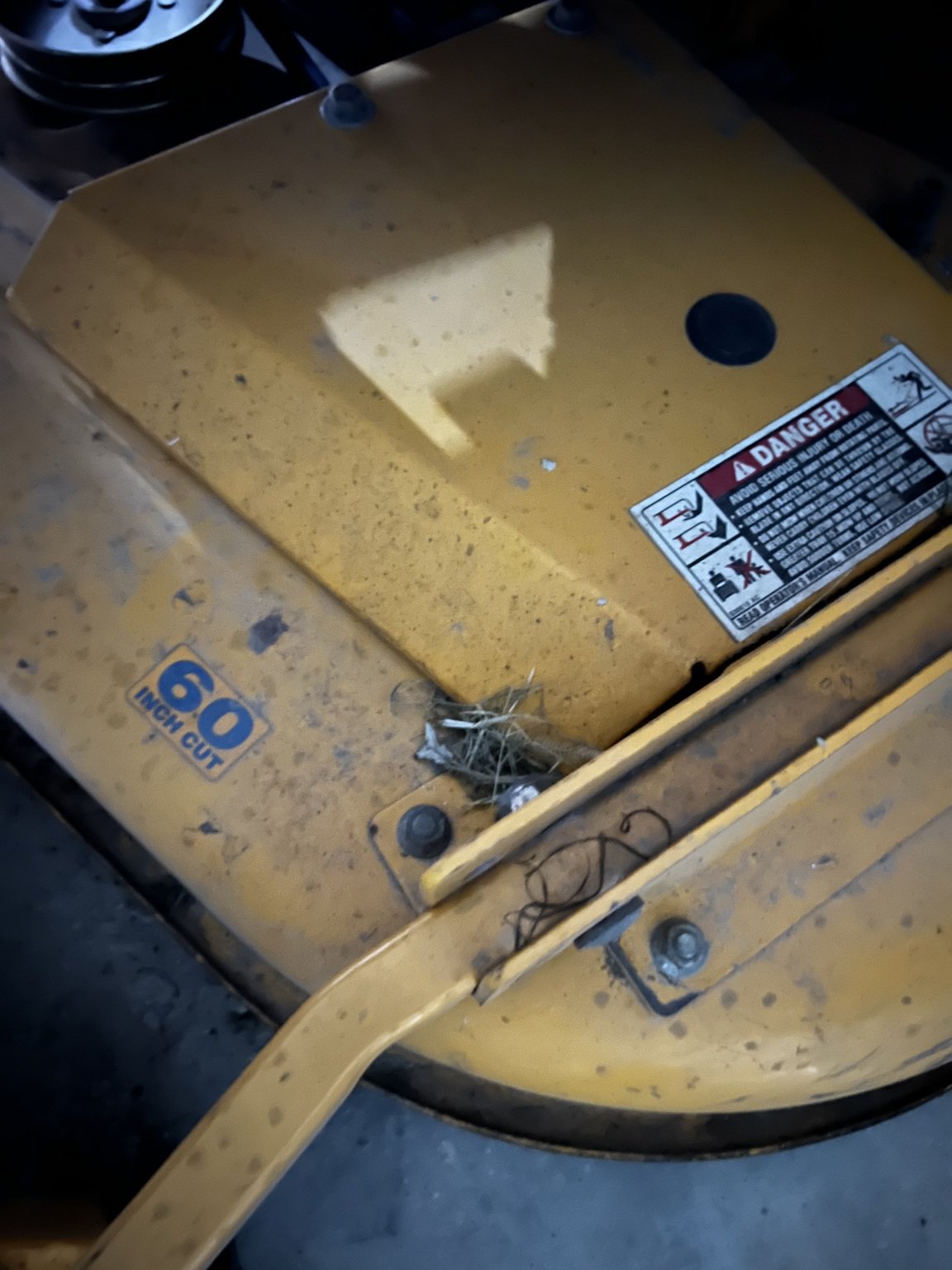
Credit: trulandequip.com
What can cause PTO failure
- Blown fuse
- Bad PTO switch
- Safety switch problem
- Worn PTO clutch
- Low battery voltage
- Damaged wiring or connector
How to troubleshoot it
Check battery voltage first. The PTO clutch often needs stable voltage to engage correctly. If the battery is weak, the clutch may click or chatter but not fully pull in.
Next inspect the PTO switch and related wiring. Loose connections are common on older equipment. A corroded connector can interrupt power even when the switch itself is fine.
If the PTO engages and then cuts out, a safety switch may be opening the circuit. Seat switches, brake switches, and interlock switches can all interrupt operation if they fail or shift out of position.
Electrical Problems and Intermittent Failures
Electrical trouble can be the hardest problem to track down because it may come and go. One day the tractor works. The next day it does not. Then it works again after sitting for an hour.
What to inspect
- Battery terminals
- Main fuse
- Ignition switch
- Ground points
- Wiring harness rub points
- Corroded plugs and connectors
Good troubleshooting habits
Start at the battery and work outward. Check for loose or dirty terminals. Then inspect the main fuse and ignition switch. Wiggle the harness gently while the key is on and watch for flickering lights or sudden changes. That can reveal a broken wire inside the insulation or a loose connector.
Non-obvious insight: vibration-related failures are very common on older tractors. A wire may test fine while parked, but fail as soon as the engine shakes it loose.
Overheating and Cooling Issues
Overheating is another issue that can damage the engine if ignored. It may show up as a hot smell, steam, loss of power, or the engine shutting down after heavy work.
Common reasons
- Dirty cooling fins
- Blocked air intake
- Low coolant level, if equipped with liquid cooling
- Loose fan belt
- Faulty fan or shroud damage
- Too much grass buildup around the engine
Fixes
Clean the engine area thoroughly. Grass, dust, and chaff block airflow fast. Check the fan and shrouds to make sure air is moving where it should. If your model has liquid cooling, inspect coolant level and hoses for leaks.
Do not underestimate a dirty machine. Cooling problems often happen after mowing in dry grass, especially when the tractor has not been blown out regularly.
Leaks, Smells, and Maintenance Clues You Should Not Ignore
Not every problem shows up as a breakdown. Some of the most useful warning signs are small leaks or odd smells.
Look for these signs
- Fuel smell near the carburetor or tank
- Oil spots under the engine
- Hydraulic fluid seepage near lines or fittings
- Burning smell from belts or clutch parts
- Wet buildup around seals
Leaks tell a story. A small fuel leak may point to a cracked hose or loose clamp. Oil residue around a gasket can mean the seal is failing. Hydraulic seepage often starts small before it becomes a bigger loss of pressure.
It is smart to clean the machine first, then check again after a short test run. A clean surface makes it much easier to find the real source.
How to Approach Troubleshooting the Smart Way
When dealing with cub cadet 6284 problems, the best method is to test from simple to complex. Do not start by replacing major parts. Begin with the cheap and easy checks.
- Check battery condition and cable connections.
- Inspect fuel quality, fuel filter, and fuel flow.
- Look at air filter, spark plugs, and intake leaks.
- Check belts, linkages, and fluid levels.
- Test switches, fuses, and connectors.
- Only then move to expensive parts like starter, coil, pump, or transmission.
This order saves money and avoids bad guesses. Many tractor owners replace the wrong part because they skip the basic checks. A five-minute inspection can save a five-hundred-dollar repair.
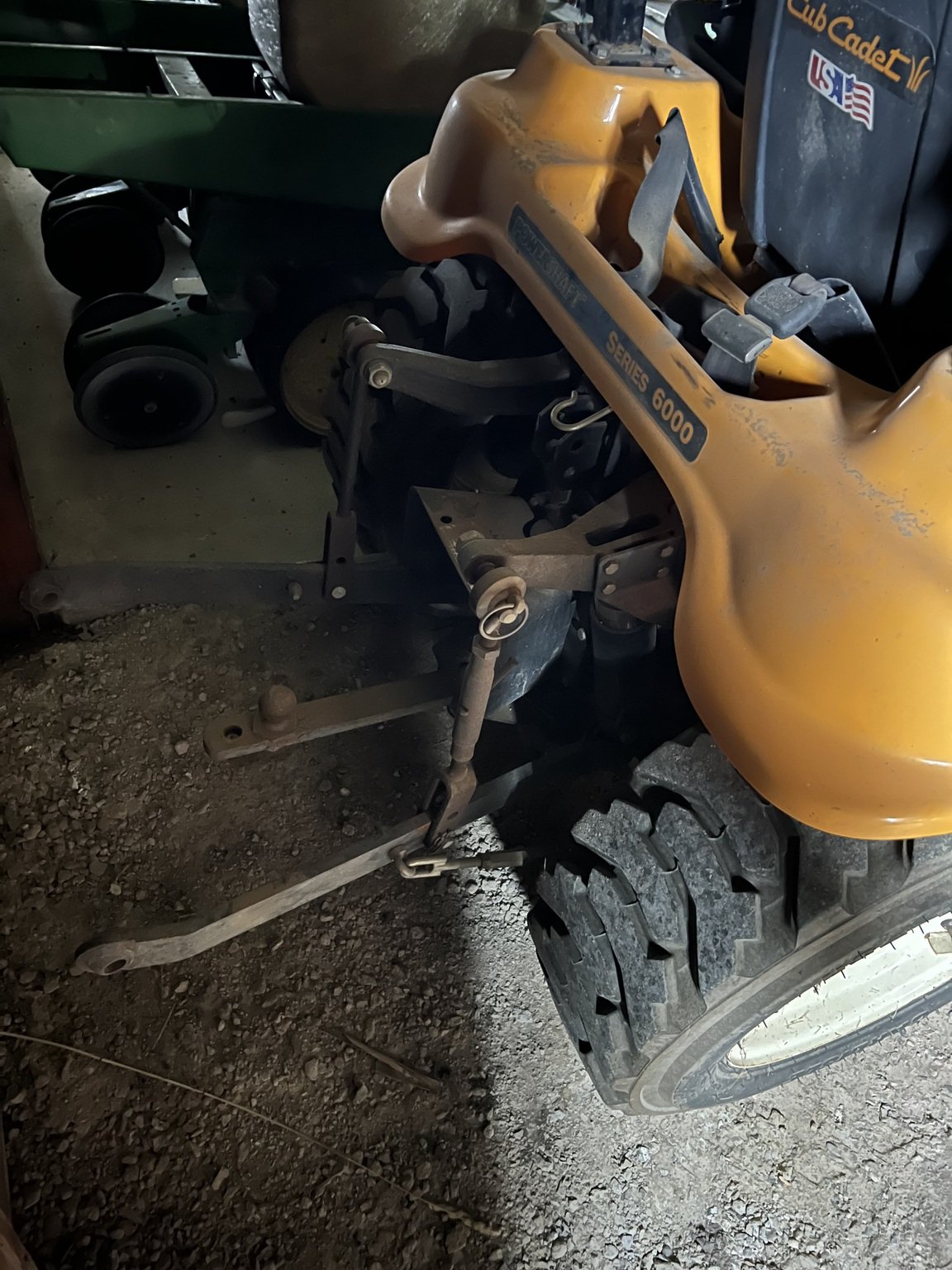
Credit: trulandequip.com
When to stop DIY repair
If the tractor has internal engine noise, severe hydrostatic failure, repeated electrical shorts, or no compression, it is time to involve a professional. A good rule is simple: if the repair needs special tools or may cause more damage if done wrong, get help.
Preventing Future Problems
The best way to reduce Cub Cadet 6284 trouble is steady maintenance. Most failures become expensive only after small warning signs are ignored.
- Use fresh fuel and add stabilizer if the tractor sits for long periods.
- Change the oil and filters on schedule.
- Keep battery terminals clean and tight.
- Inspect belts each season.
- Clean grass and dirt from the engine and deck area.
- Check fluid levels before heavy use.
One simple habit makes a big difference: look over the tractor before and after mowing season. Early inspection catches cracked hoses, loose wires, and worn belts before they stop work in the middle of a job.
Another smart habit is to listen to the tractor. New sounds often appear before visible failure. A change in whine, click, vibration, or idle speed is usually trying to tell you something.
Final Thoughts
The Cub Cadet 6284 is a capable machine, but age and wear can create real issues. Most cub cadet 6284 problems come from fuel system trouble, electrical faults, battery and cable issues, or hydrostatic drive wear. The good news is that many of these problems are fixable without replacing the whole tractor.
If you work through the symptoms step by step, you can usually narrow the cause with confidence. Start with the simple checks. Do not ignore small warning signs. And remember that many “big” failures are really small issues that were left alone too long.
FAQs
1. Why won’t my Cub Cadet 6284 start?
The most common causes are a weak battery, corroded terminals, a clogged fuel filter, old or bad fuel, or a faulty starter solenoid. Start by checking battery voltage and cable condition. If the battery is good, check fuel delivery and test the solenoid. Diesel-powered models may also have glow plug problems in cold weather, which can prevent starting even with a fully charged battery.
2. Why does the engine start and then shut off?
This usually points to a fuel delivery problem. A clogged fuel filter, a blocked fuel cap vent, or dirty carburetor passages can all cause the engine to run briefly and then stall. Try loosening the fuel cap first to rule out a venting issue. If that does not help, replace the fuel filter and clean the carburetor. On diesel models, inspect the fuel shutoff solenoid as well.
3. What should I check if the hydraulics feel weak or slow?
Start with the hydraulic fluid level and condition. Low or degraded fluid reduces system pressure and causes slow, weak response. Check the hydraulic filter and inspect all hoses and fittings for leaks. If fluid and filter are both good, the problem may be a worn hydraulic pump or a faulty control valve. These components require professional testing to confirm.
4. What causes the Cub Cadet 6284 to overheat?
Low coolant, a clogged radiator screen, a stuck thermostat, or a failing water pump are the main causes. Clean the radiator fins with compressed air regularly. Always check coolant when the engine is completely cold. If the machine overheats quickly even after cleaning the cooling system, test the thermostat by placing it in hot water and watching for it to open. A failed water pump impeller will also prevent proper coolant circulation.
5. Can I fix most Cub Cadet 6284 problems at home?
Yes. Most common problems involve standard maintenance items such as battery terminals, fuel and air filters, belts, and fluid levels. These are safe and manageable with basic hand tools. Deeper repairs like internal engine work, hydraulic pump replacement, or complex electrical diagnosis are better handled by a qualified technician with proper diagnostic equipment.